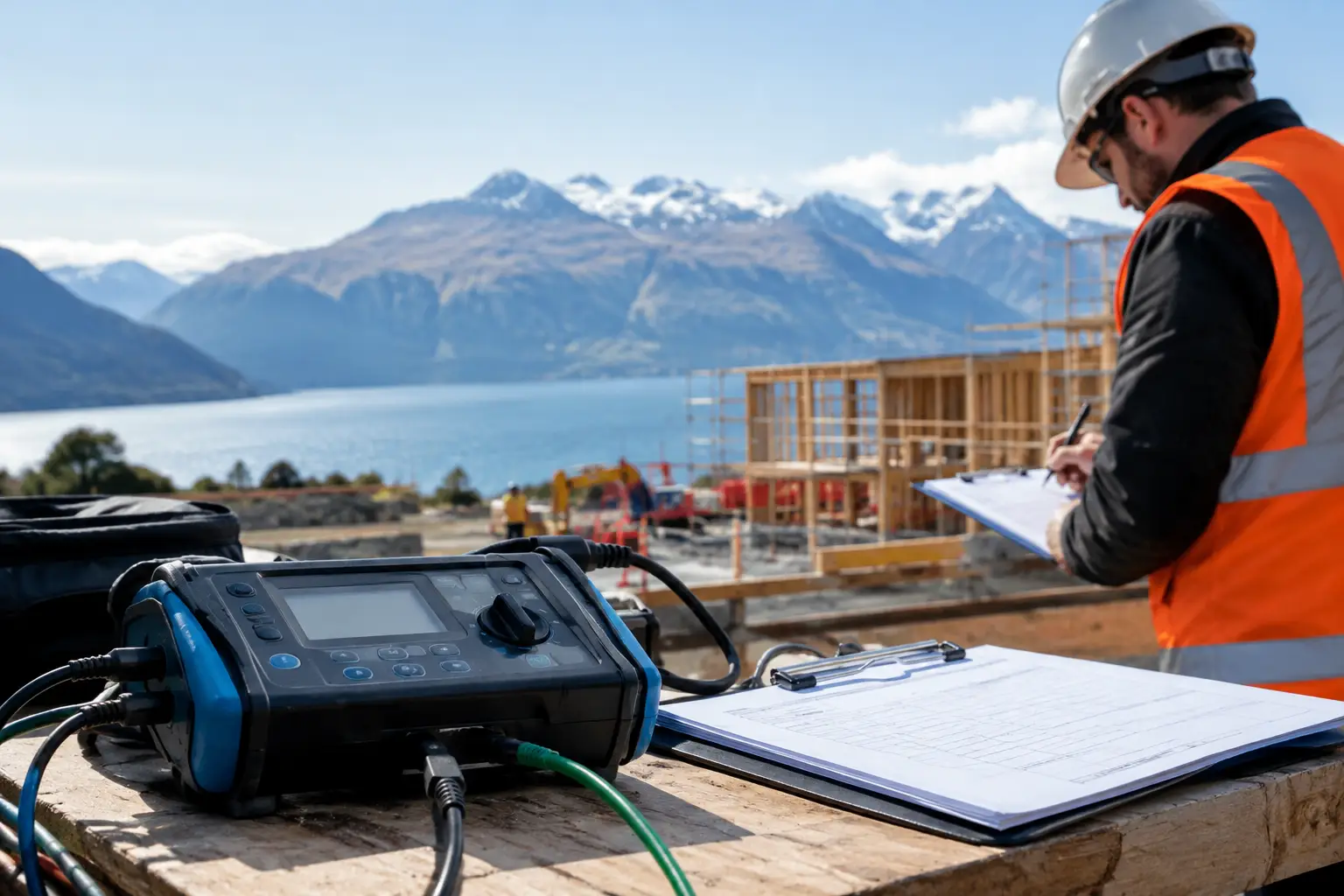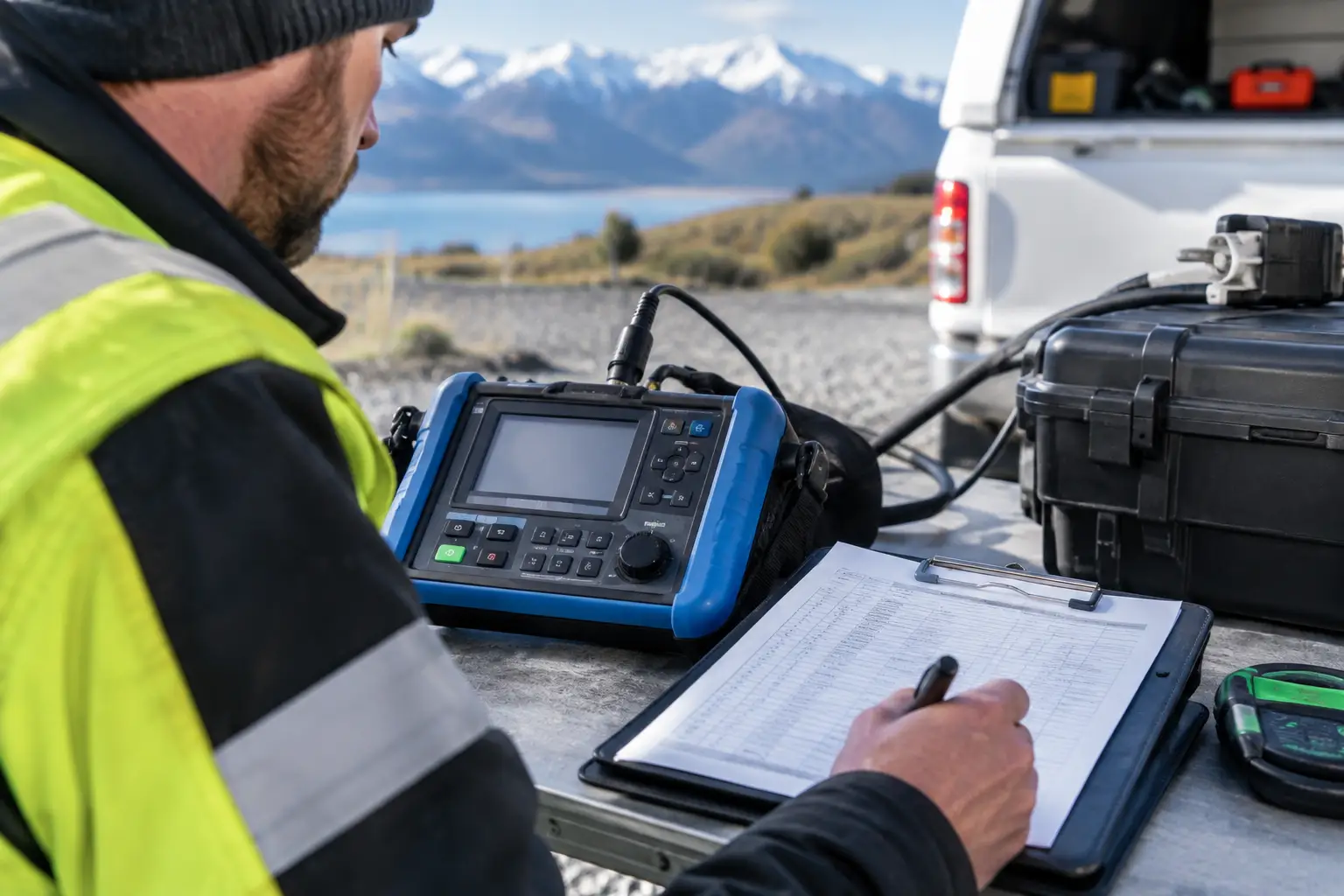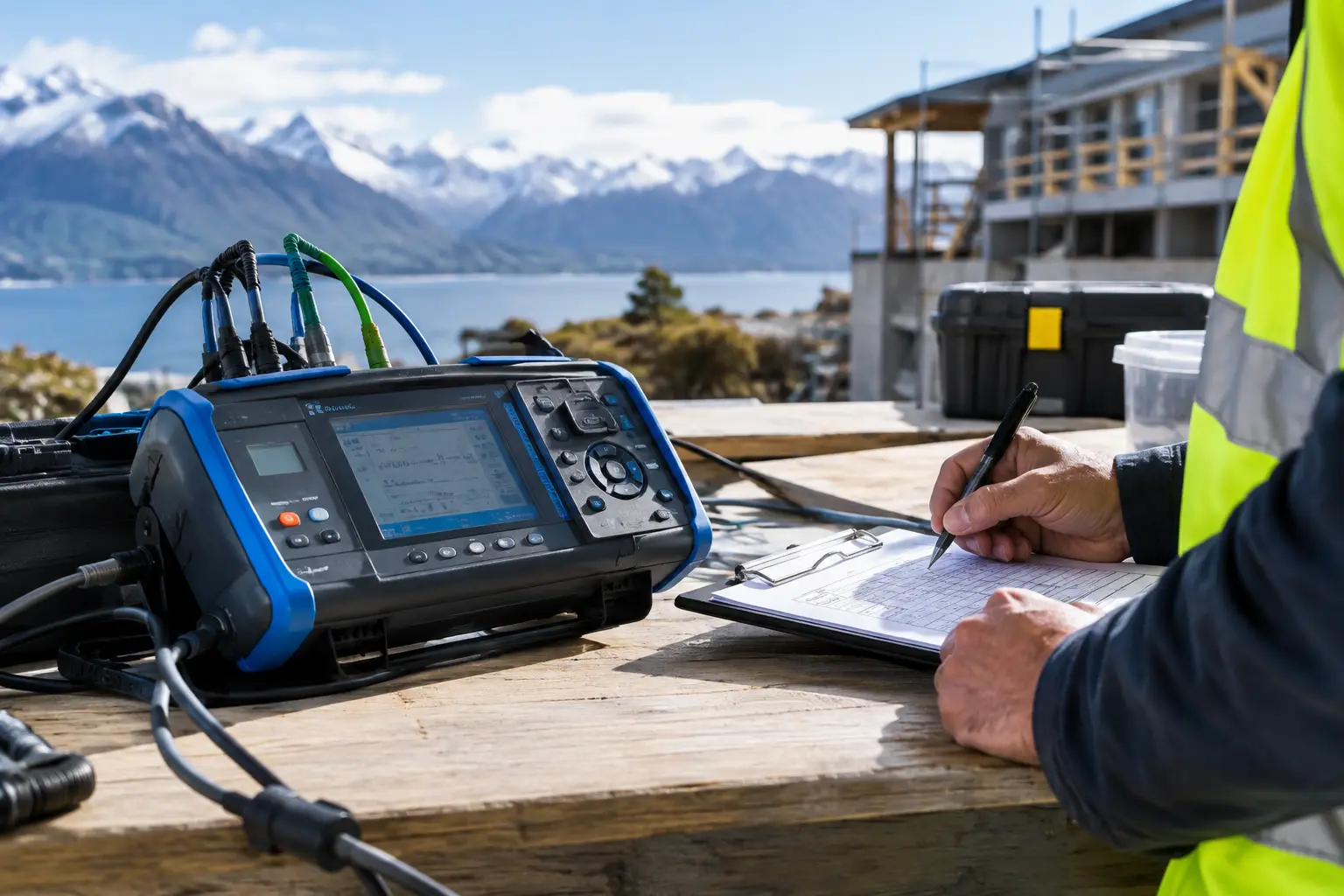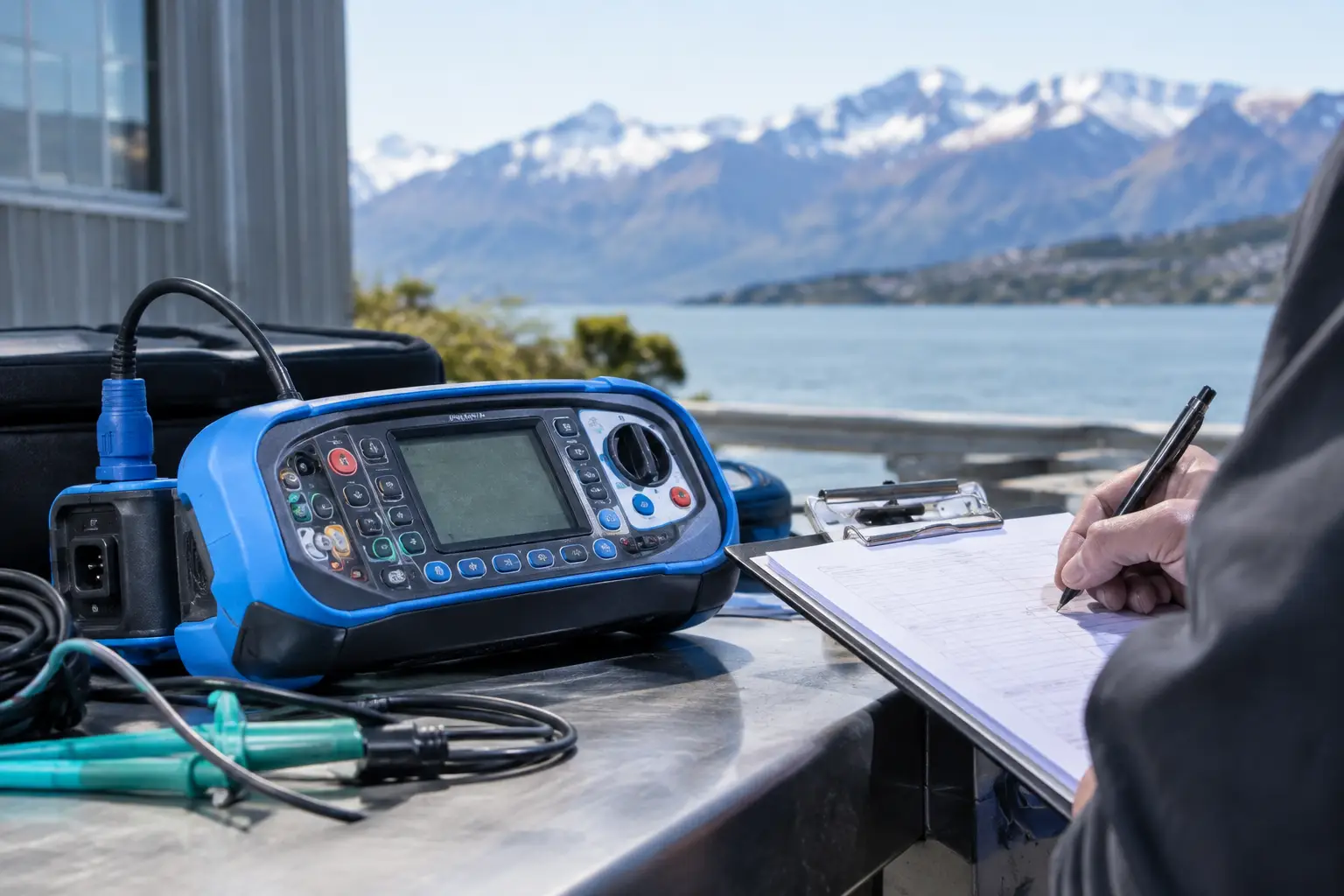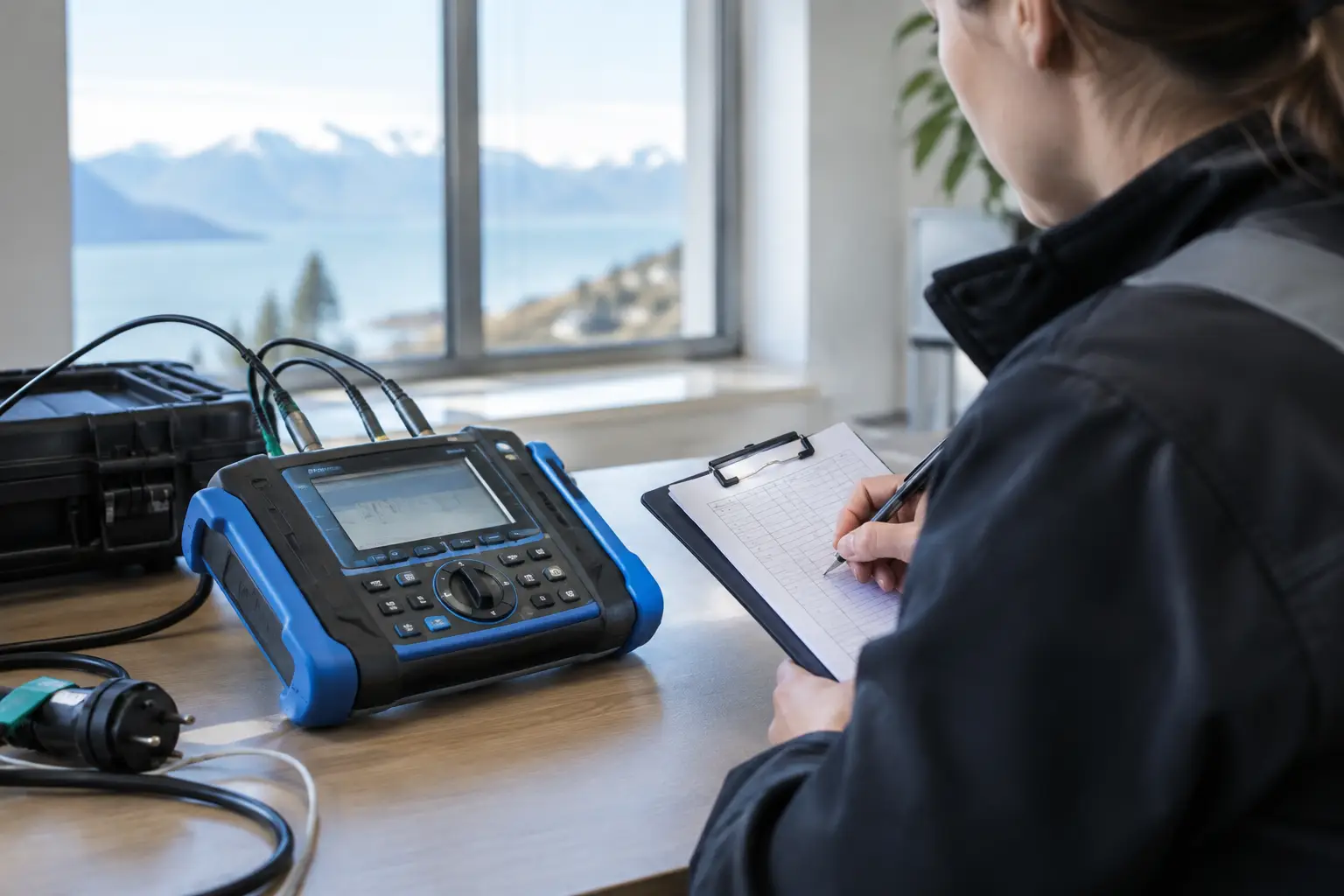
A workplace electrical risk assessment is not a form to complete once and file away. It is a practical way to spot the leads, tools, appliances and electrical systems that could cause injury, fire, downtime or a failed client-site audit before they become a problem.
For busy businesses, the challenge is rarely a lack of concern for safety. It is knowing what to look for, deciding which risks need attention first and keeping records that stand up when a customer, insurer or regulator asks for them. A sensible assessment turns electrical compliance into a manageable routine rather than a last-minute scramble.
What a workplace electrical risk assessment should cover
Electrical risk is not limited to visibly damaged equipment. A cracked plug or frayed lead is an obvious concern, but many faults develop out of sight. Internal damage, loose connections, overloaded power boards, deteriorating insulation and heat at electrical connection points can all create hazards without immediately stopping equipment from working.
Your assessment should consider every item that uses portable electricity, including hand tools, extension leads, power boards, chargers, kitchen appliances, office equipment and three-phase equipment. It should also consider how and where that equipment is used. A drill used on a construction site faces a very different level of exposure from a monitor sitting in a dry office.
The assessment needs to account for the environment as well. Dust, moisture, vibration, vehicle traffic, sharp edges, frequent movement and outdoor work all increase the chance of electrical damage. In industrial and trade settings, leads can be run over, crushed, pulled, exposed to heat or used in areas where a fault would have serious consequences.
It is equally useful to look at people and work practices. Are workers checking leads before use? Are damaged items taken out of service straight away? Are extension leads being used as a permanent solution? A safe piece of equipment can become unsafe when it is poorly stored, incorrectly used or repeatedly subjected to rough conditions.
Start with the equipment and its environment
A good assessment begins with a clear equipment inventory. You cannot manage what you do not know is on site. Record the item, its location, identifying details and the date it was last inspected or tested. An up-to-date asset register is particularly valuable for businesses with multiple crews, changing project sites or a mixture of company-owned and contractor equipment.
Next, group equipment by the level of risk created by its environment and use. This helps set an appropriate inspection and testing schedule under AS/NZS 3760:2010. Equipment in a low-risk office may require less frequent attention than leads and portable tools used in construction, manufacturing or outdoor environments.
There is no single interval that suits every workplace. Frequency depends on the equipment type, the working environment, how often an item is moved and the consequences if it fails. Businesses should also consider customer requirements, site rules, insurance conditions and their wider health and safety obligations.
A useful risk assessment asks straightforward questions:
- Is the item exposed to damage from dust, water, heat, vibration or impact?
- Is it regularly moved, transported or used outdoors?
- Could a damaged lead be concealed under benches, through doorways or beneath stored materials?
- Would equipment failure stop production, delay a project or create a fire risk?
- Is there a clear process for reporting and isolating faulty equipment?
These questions help identify priorities without turning the process into unnecessary paperwork.
Identify hazards before they become incidents
Visual inspections remain an important first line of defence. Staff should be encouraged to check plugs, sockets, cords and casings before using portable equipment. Signs of concern include damaged insulation, exposed conductors, loose plugs, overheating marks, cracked casings, bent pins and equipment that has been dropped or exposed to moisture.
Visual checks have limits, however. Some electrical faults cannot be seen. Portable appliance testing provides a more thorough assessment of electrical safety by checking the condition and operation of equipment against relevant requirements. Tested items can be tagged, and the results added to the asset register so managers know what has passed, failed and is due next.
Any item that fails inspection or testing should be removed from service immediately. It should be clearly identified so it is not returned to use by mistake. This simple control can prevent a known fault from being passed between teams or transported to another site.
For switchboards, fixed plant connections and other areas where heat can indicate a developing issue, thermal imaging can add another layer of preventative maintenance. Thermal imaging identifies abnormal hotspots that may point to loose connections, overloads or failing components. It is particularly useful where a shutdown would be disruptive or costly, because issues may be identified before they lead to equipment failure.
Put controls in place that people will follow
The best controls are practical controls. If a safety process is difficult, unclear or adds unnecessary steps during a busy shift, it is less likely to be followed consistently.
Start with equipment selection and condition. Use equipment suited to the job and environment, avoid overloading power boards and make sure leads are protected from crushing, water and trip hazards. Store equipment properly between uses rather than leaving it exposed in vehicles, on floors or in damp areas.
Then make fault reporting simple. Workers need to know that they can remove damaged equipment from use without delaying the job unnecessarily. A clearly marked isolation area, a straightforward reporting process and access to suitable replacement equipment all support safer decisions on site.
Training should focus on the everyday behaviours that prevent incidents: checking equipment before use, not using damaged leads, avoiding makeshift repairs, keeping electrical items dry and reporting anything that appears unsafe. Short, site-specific reminders are often more effective than broad instructions that do not relate to the work being done.
Documentation is part of the control
Records are sometimes viewed as administration, but they are evidence that your business has identified electrical risks and acted on them. They also make it easier to manage recurring testing dates, changing equipment and site-specific requirements.
A useful record system should include the asset register, inspection and test outcomes, failed-item actions, test due dates and any relevant risk assessment notes. Where equipment moves between locations, records should show which site or team is responsible for it.
Clear documentation reduces confusion during site audits and helps managers make informed decisions. If the same type of lead repeatedly fails in a particular area, for example, that is not just a testing issue. It may indicate a storage, handling or environmental problem that needs attention.
Phase Test and Tag provides testing, tagging and asset-management documentation designed to make this work easier for South Island businesses. Scheduled testing and proactive reminders can help prevent overdue equipment from becoming another task on an already crowded compliance list.
Review the assessment when work changes
Electrical risk assessments should change when the workplace changes. New machinery, a shift in production, a new project site, seasonal outdoor work, a relocation or an increase in temporary staff can all affect risk levels and testing needs.
Review the assessment after an electrical incident, a near miss, repeated equipment failures or a change in client requirements. It is also worth checking it before starting a major project, particularly where multiple contractors will bring portable equipment onto site.
The aim is not to produce more paperwork. It is to make sure your controls still reflect the way work is actually being carried out. A tidy office register will not protect a construction crew working with weather-exposed leads, and a schedule built for one workshop may not suit another with heavier use, vibration or washdown areas.
A workplace electrical risk assessment works best when it is owned by the people responsible for the site, supported by qualified testing and kept current through ordinary work routines. Start with what is on site, focus on the conditions it faces and make it easy for workers to remove unsafe equipment from use. That approach keeps safety practical, records clear and disruption less likely.