A damaged extension lead can turn a normal workday into a serious electrical incident in seconds. An RCD is designed to cut power quickly when it detects electricity flowing somewhere it should not, such as through a person or to earth. But are RCDs mandatory in every workplace? The short answer is no – not in the same way, or for every item of equipment. The practical answer is that many workplaces must provide RCD protection in particular situations, and every business must manage electrical risk.
For site managers and business owners, the question is less about fitting a device simply because it is available. It is about understanding where RCD protection is required, making sure it works when needed, and maintaining records that demonstrate a sensible safety system.
Are RCDs mandatory in New Zealand workplaces?
RCD requirements depend on the type of installation, the work environment and how equipment is being used. In New Zealand, electrical safety obligations sit across legislation, regulations, relevant installation rules and workplace health and safety duties. An RCD may be required for particular socket-outlets, temporary supplies or high-risk work settings. Even where a specific requirement does not apply, an RCD can be an appropriate control for reducing the risk of electric shock.
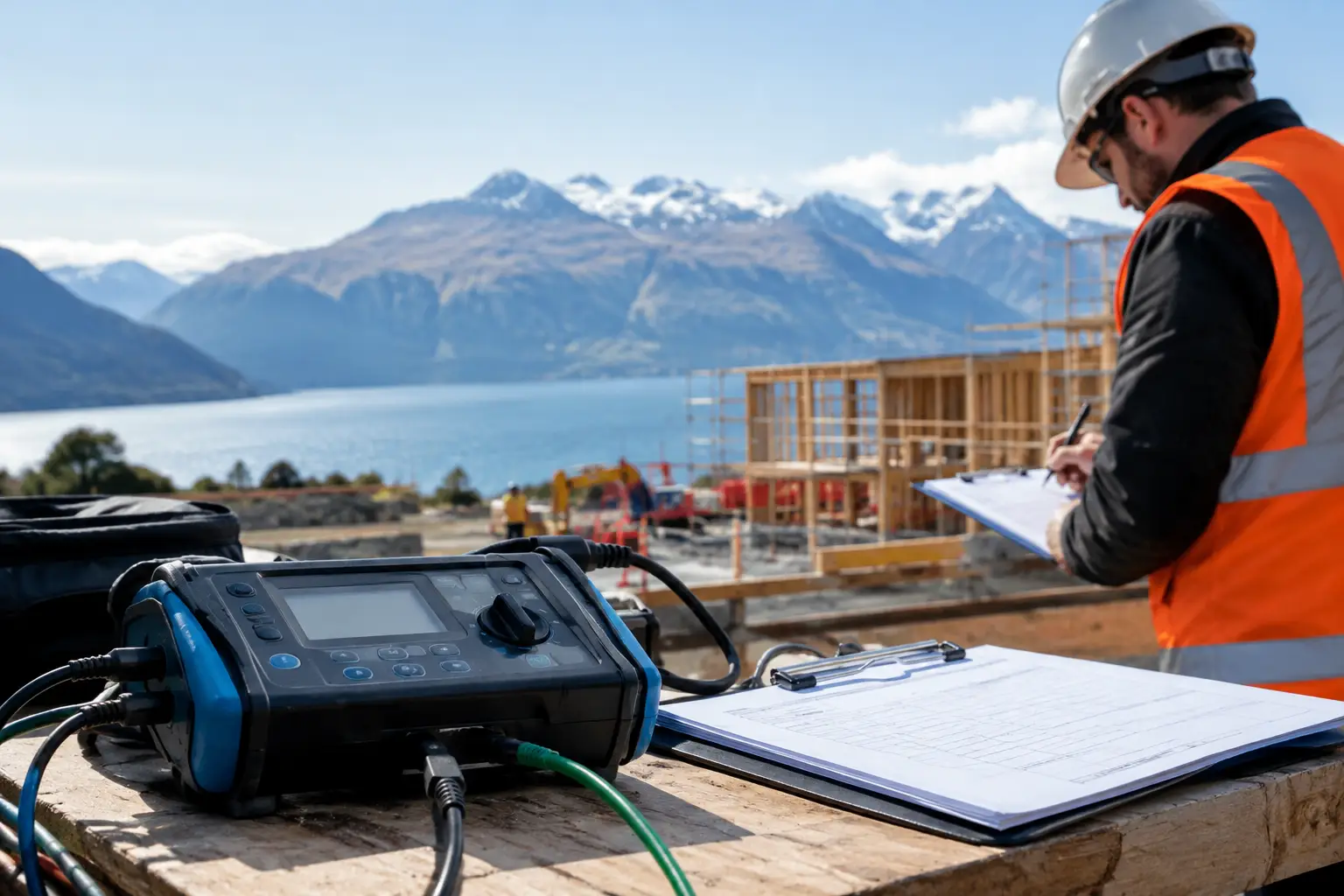
Construction and demolition sites are the clearest example. Temporary electrical installations on these sites generally require RCD protection because equipment is regularly exposed to rough handling, moisture, dust, outdoor conditions and damaged leads. The applicable site standard, AS/NZS 3012, sets expectations for temporary electrical installations, including protection and regular verification arrangements.
Other workplaces need to assess their own risk. A clean office with fixed computer equipment presents a different risk profile from a workshop, warehouse, commercial kitchen, manufacturing facility or farm shed. Portable tools, extension leads and equipment used outdoors or in wet areas are more likely to need RCD protection as part of a safe system of work.
An RCD is not a substitute for safe equipment, however. It is a secondary protective device. A lead with exposed conductors, a cracked plug or a damaged appliance should be removed from service, not left in use because an RCD is present.
Where RCD protection is commonly expected
RCDs are commonly built into switchboards and protect selected circuits. They can also be provided through a portable RCD unit, which is often used where a site needs additional protection for plug-in equipment. The right approach depends on the workplace, the supply arrangement and the equipment involved.
High-risk settings often include construction sites, outdoor work areas, wet or wash-down locations, workshops and trade environments where portable power tools are used. Equipment supplied through long extension leads also deserves attention. Leads are easily crushed, cut, pulled from plugs or exposed to water, and these faults may not be obvious at a glance.
For managers, the key point is to avoid assuming that one RCD at the switchboard covers every risk. You need to know which circuits it protects, whether portable RCDs are being used correctly, and whether workers are bypassing protection through unsuitable adaptors or damaged leads. A quick site check can reveal gaps that paperwork alone will not show.
New work, old premises and changing site conditions
Requirements can differ between a newer installation, an older premises and a temporary work area. A change in how an area is used can also change its risk. For example, a storage space that begins using portable cleaning equipment, machinery or temporary power may need a fresh look at its electrical controls.
This is why a site-specific assessment matters. There is no reliable one-size-fits-all answer based solely on building age or business type. The duty is to identify foreseeable electrical hazards and put practical controls in place.
RCD testing matters as much as having one
An RCD that does not operate within the required time is not providing the protection people expect. Testing confirms that the device trips when it should and that the electrical supply can be safely restored afterwards.
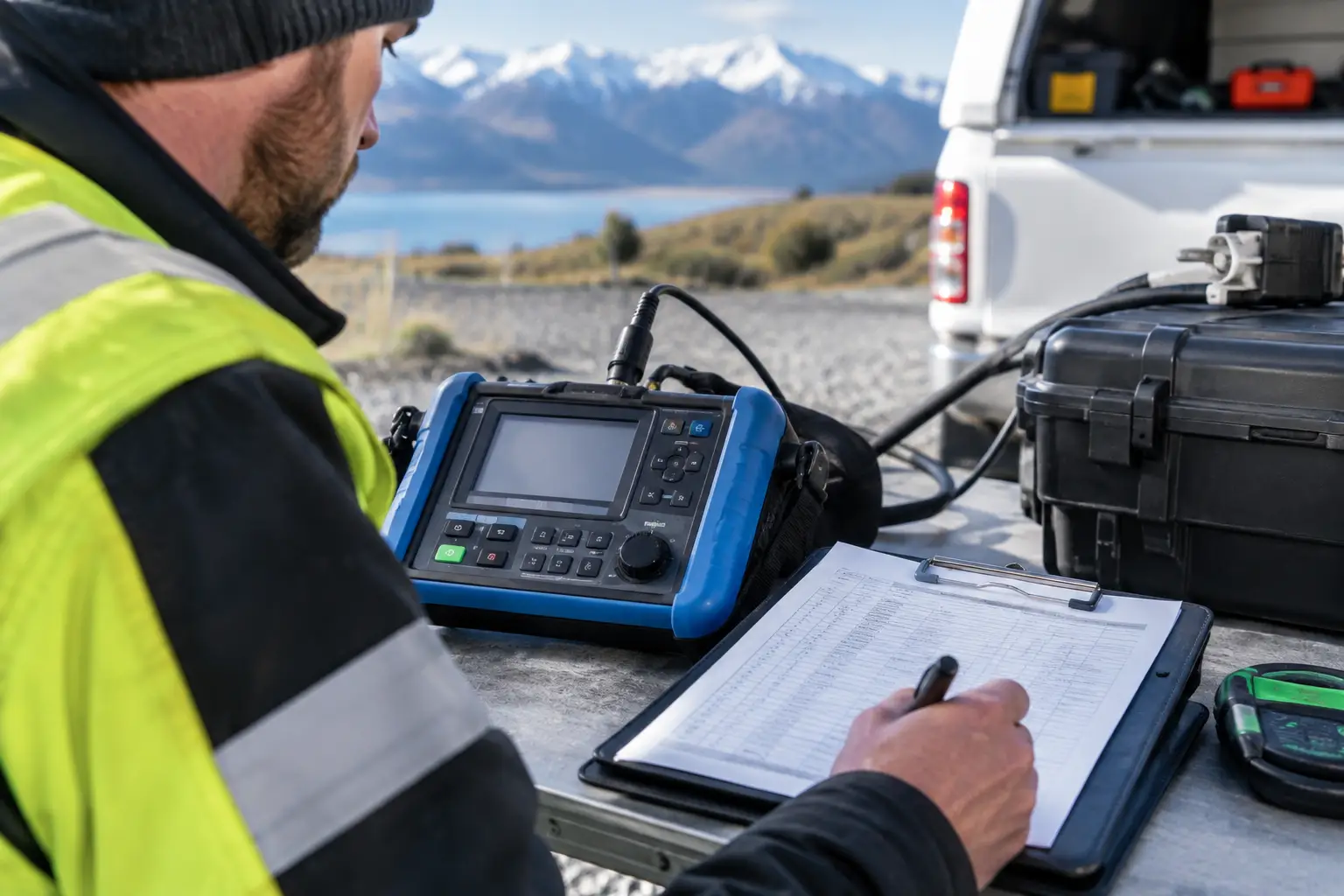
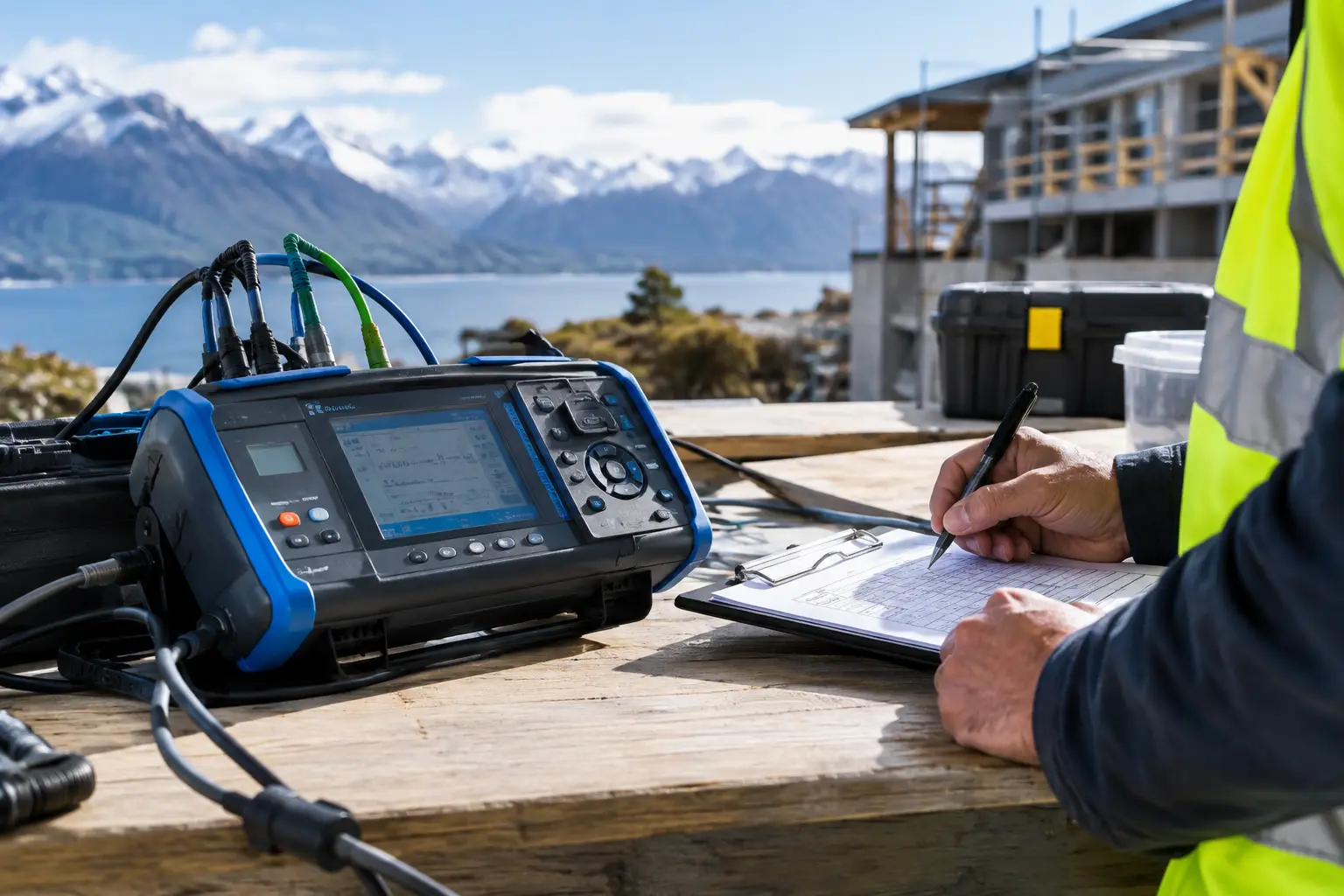
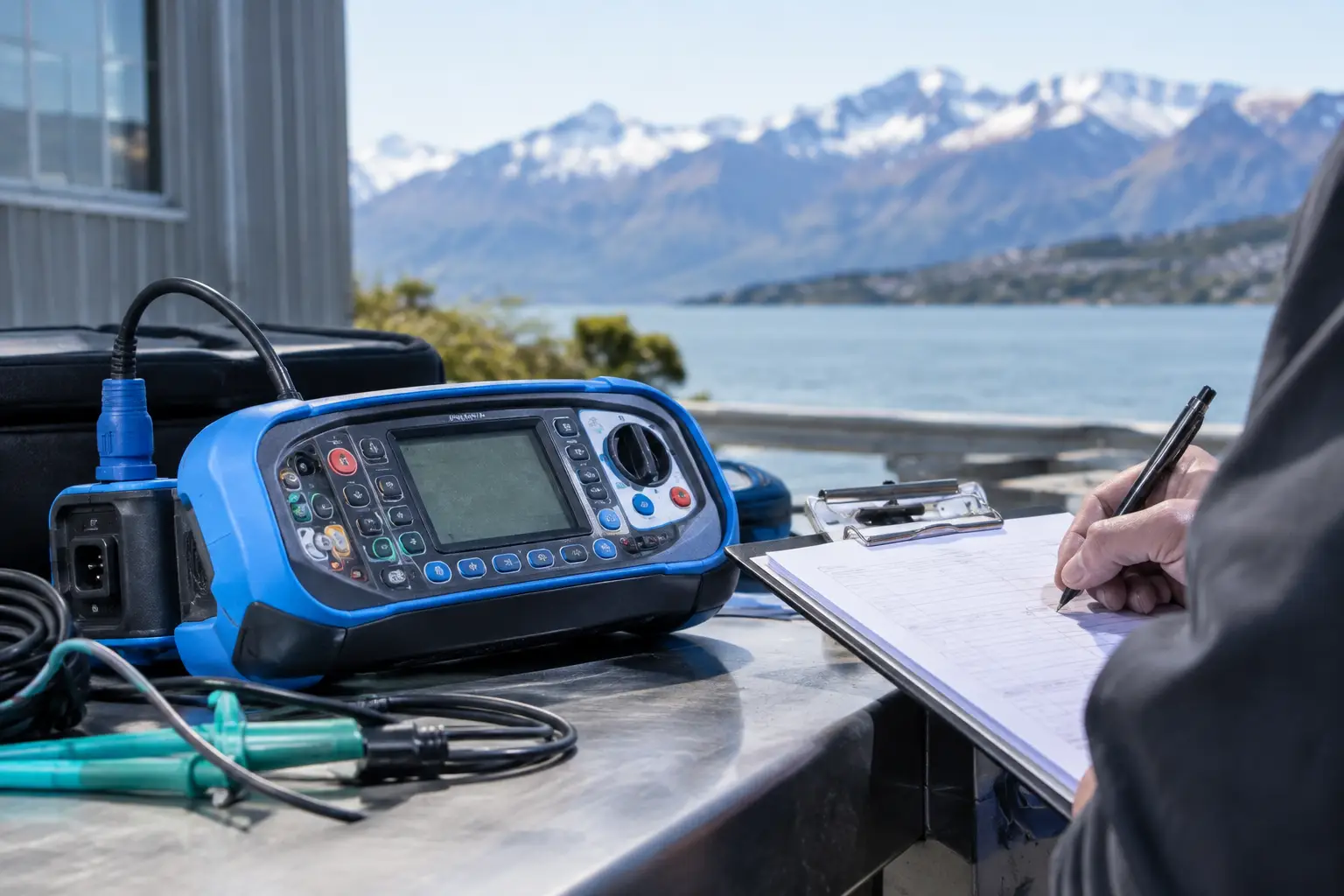
Many RCDs have a test button marked “T” or “Test”. This button is useful for checking the mechanism operates, but it is not the same as a full instrument test. Formal testing measures whether the RCD trips at the correct current and within an acceptable time. The test frequency should reflect the environment and the applicable standard or site requirements.
Portable RCDs used with portable equipment also need regular inspection and testing. They can be dropped, exposed to weather, overloaded or damaged in transport just like any other piece of electrical equipment. On a busy site, a portable RCD may be shared between teams, moved between locations and used far more heavily than expected. That makes clear identification and an asset register particularly valuable.
AS/NZS 3760:2010 provides a recognised framework for the in-service safety inspection and testing of electrical equipment. It helps businesses set testing intervals based on equipment type and environment. Higher-risk settings usually require more frequent attention than low-risk office environments.
RCDs and test and tag serve different purposes
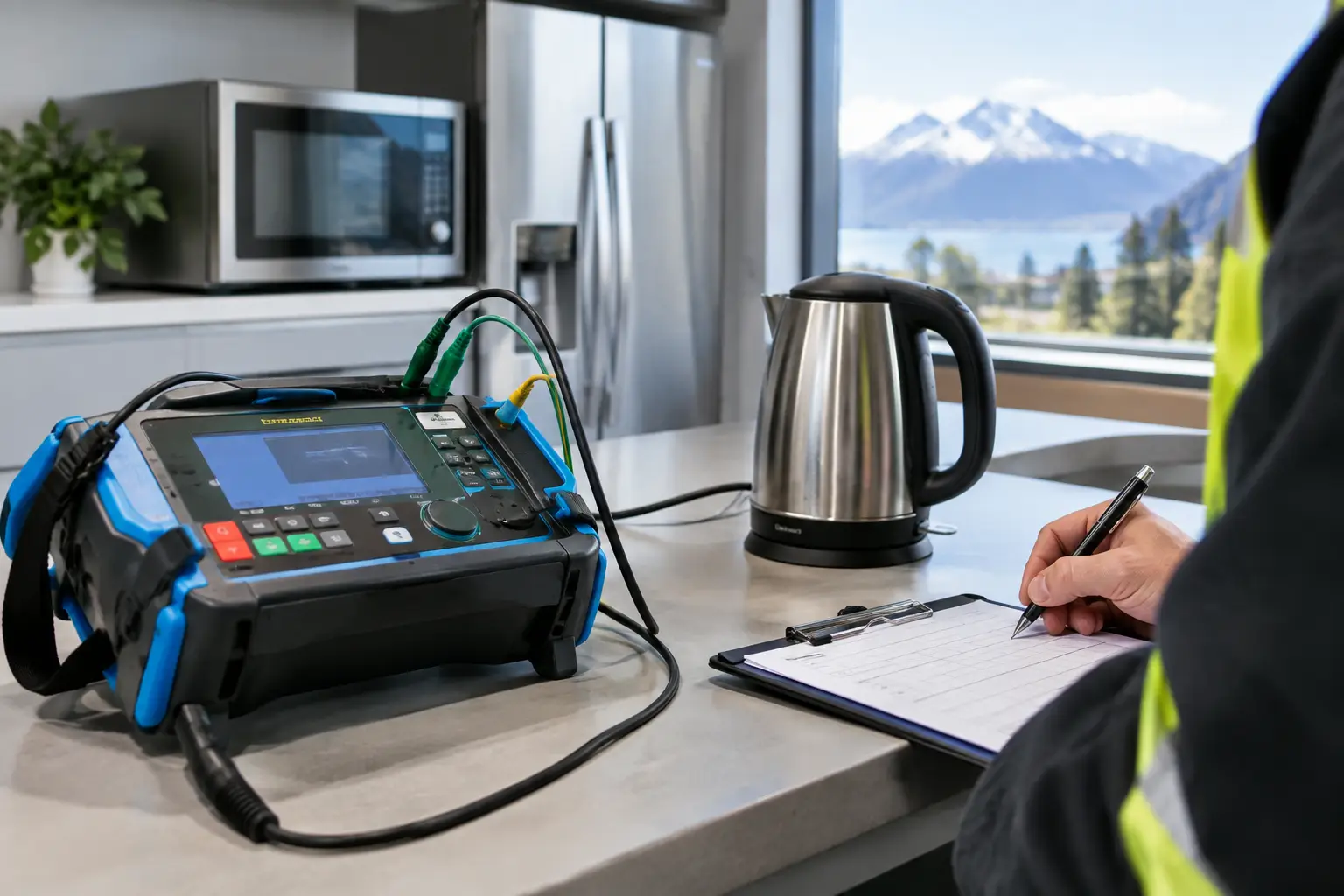
RCD protection and portable appliance testing are closely related, but they are not interchangeable. An RCD responds to certain types of electrical leakage or fault conditions. Test and tag inspections examine the equipment itself, including plugs, leads, housings and accessible signs of damage, with electrical tests used to identify faults that visual checks cannot reveal.
A workplace with RCD-protected circuits can still have faulty appliances. Equally, a correctly tested lead may still be used in an environment where additional RCD protection is appropriate. Managing electrical safety properly means considering both the supply and the equipment connected to it.
For practical day-to-day control, businesses should maintain a current register showing what has been inspected, tested, passed, failed or removed from service. The register should identify the next due date and make it easy to account for equipment that moves between vehicles, work areas or sites. This reduces the chance that a forgotten lead becomes the weak point in an otherwise well-managed safety system.
A practical approach for site managers
Start by identifying where portable electrical equipment is used and under what conditions. Pay particular attention to outdoor work, wet areas, temporary supplies, workshops, construction activity and equipment shared across crews. Then confirm what RCD protection is available and whether it is suitable for those uses.
Next, make RCD checks and equipment inspections part of normal site management rather than a once-a-year scramble. Workers should know how to recognise damaged equipment, what to do if an RCD trips repeatedly, and why they must not use makeshift repairs or bypass safety devices. Repeated tripping is a warning sign that needs investigation, not an inconvenience to work around.
Finally, keep your documentation useful. A folder full of certificates is only helpful if it matches the equipment actually on site. Clear labels, accurate asset records and scheduled reminders give managers confidence that testing is current and make client, insurer or WorkSafe discussions far easier.
When to seek advice
If you are unsure whether an RCD is required for a particular task, site or temporary setup, do not rely on assumptions. Review the work environment, the equipment being used and the applicable site requirements. This is especially worthwhile before a project starts, after a change in operations or when a client has specific compliance conditions.
For South Island businesses managing varied equipment across offices, workshops and active sites, Phase Test and Tag can help establish sensible test intervals, maintain an asset register and provide straightforward reporting without adding unnecessary administration.
An RCD is there for the moment something goes wrong. Making sure the right protection is in place, tested and supported by safe equipment is one of the clearest ways to protect your people before that moment arrives.