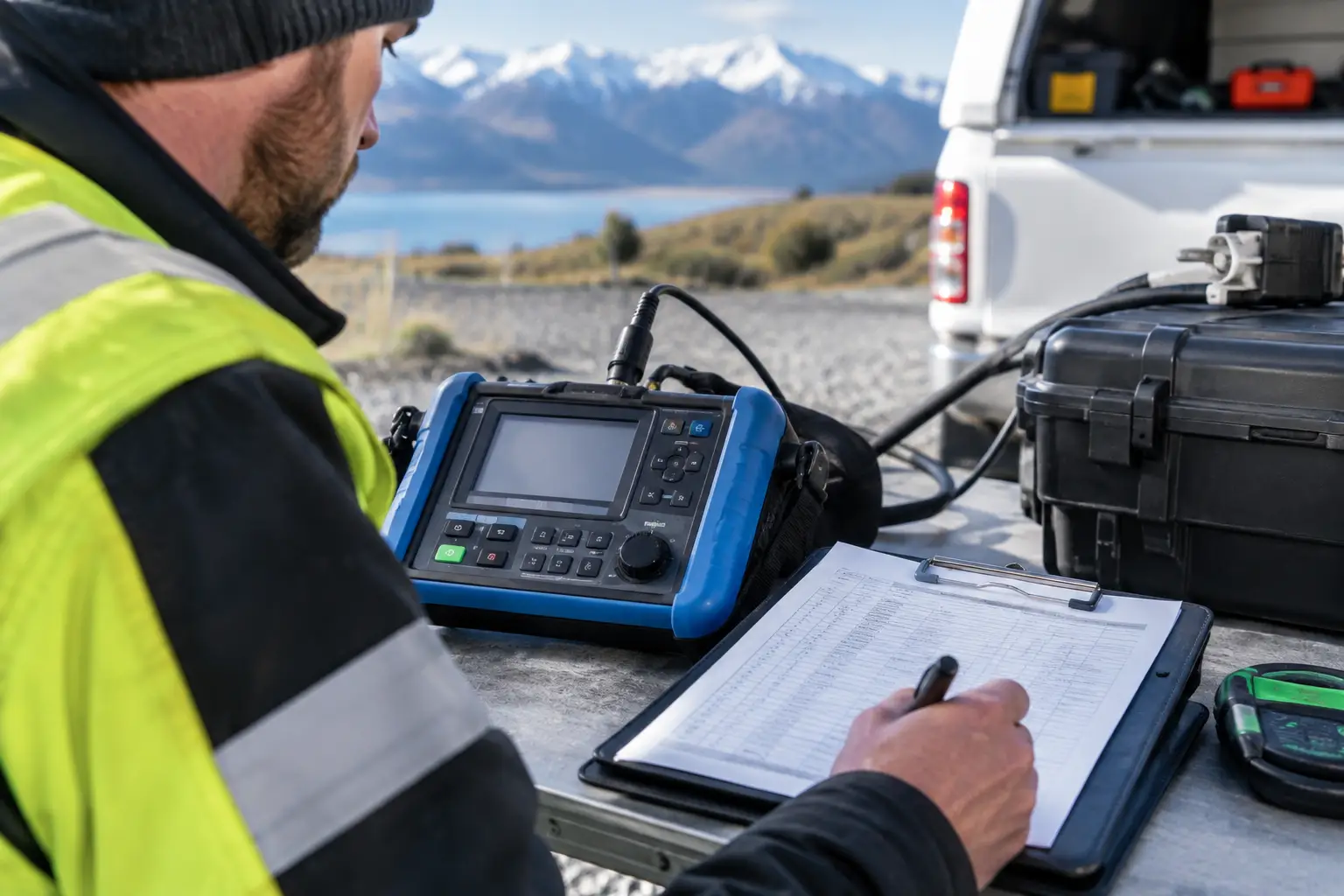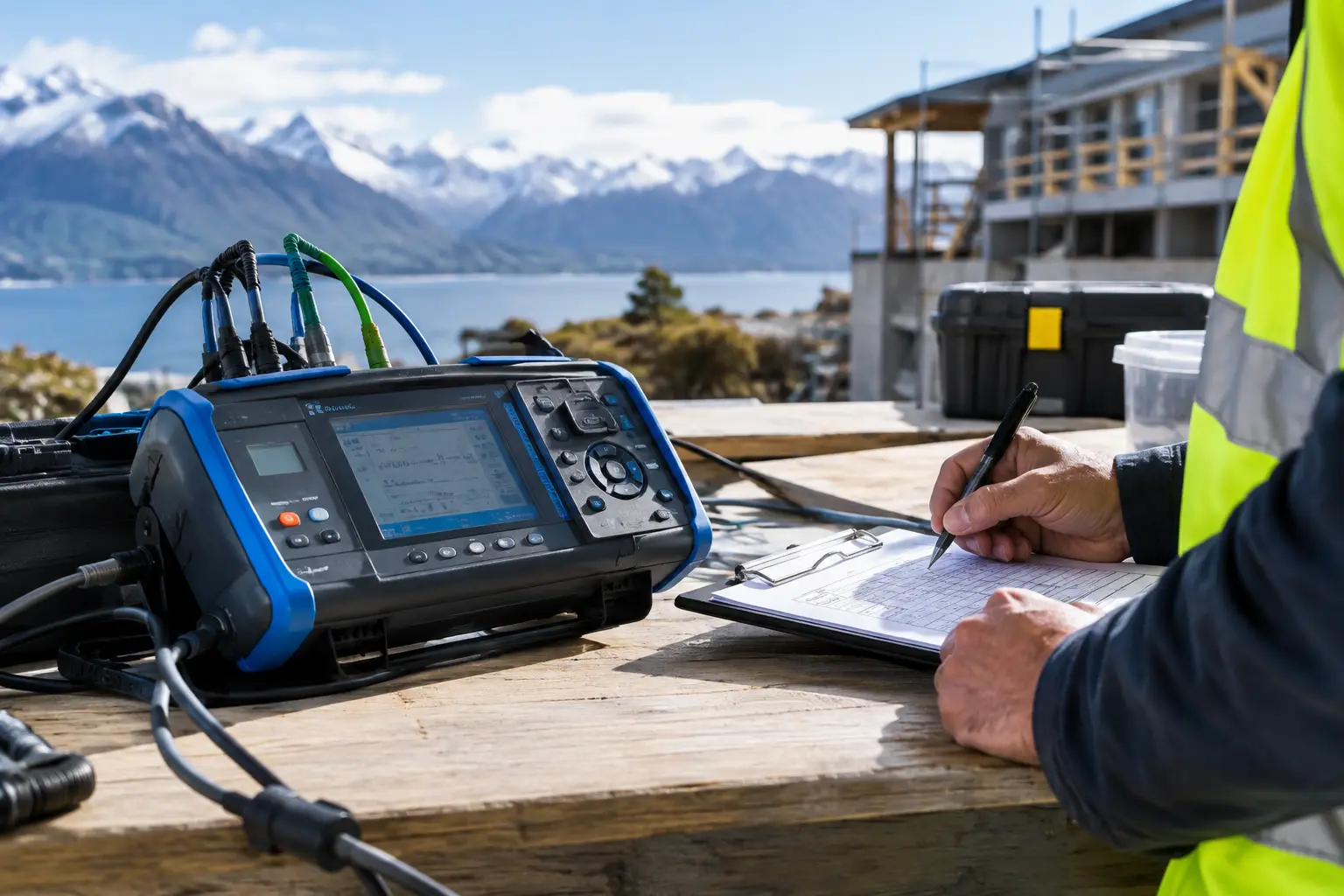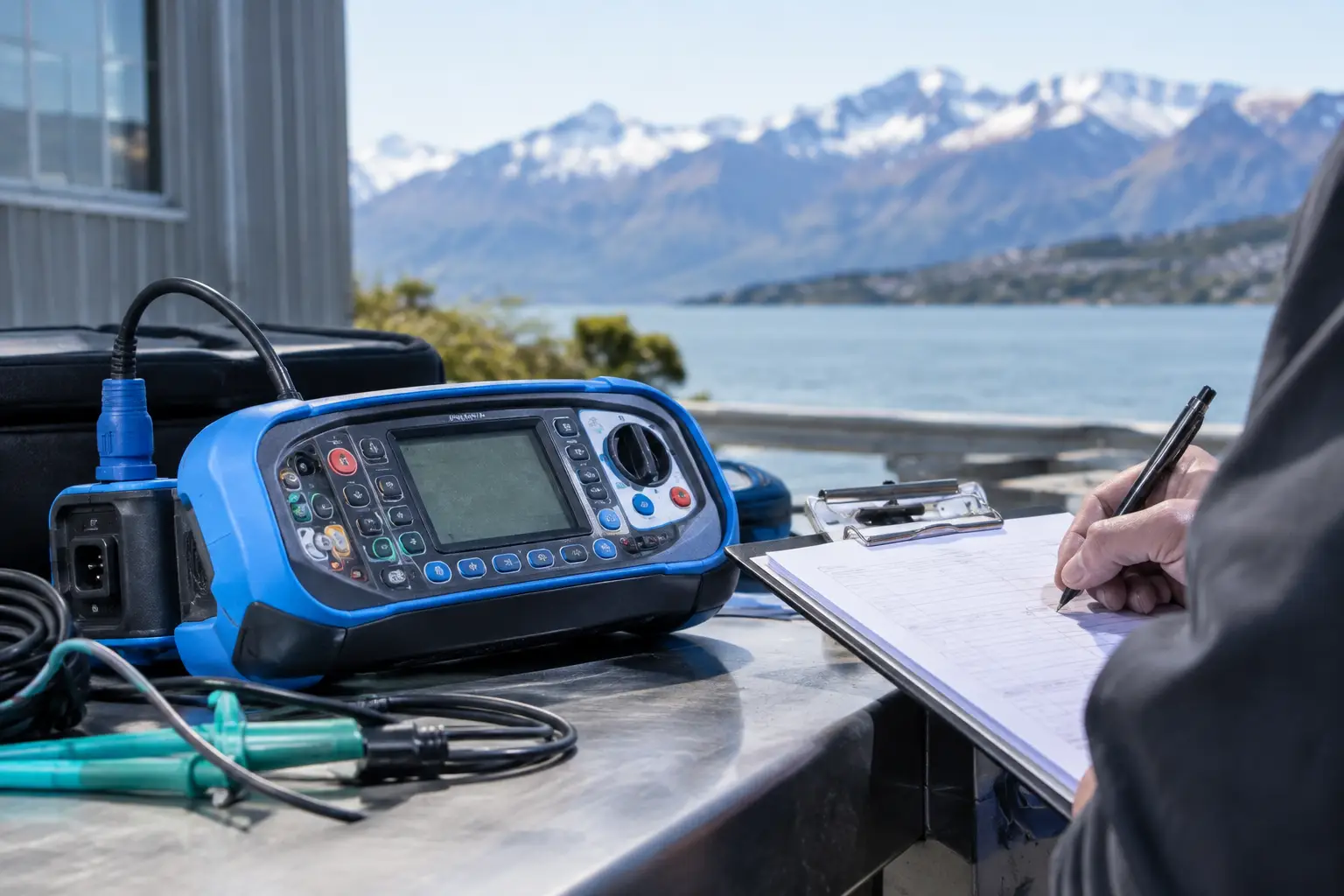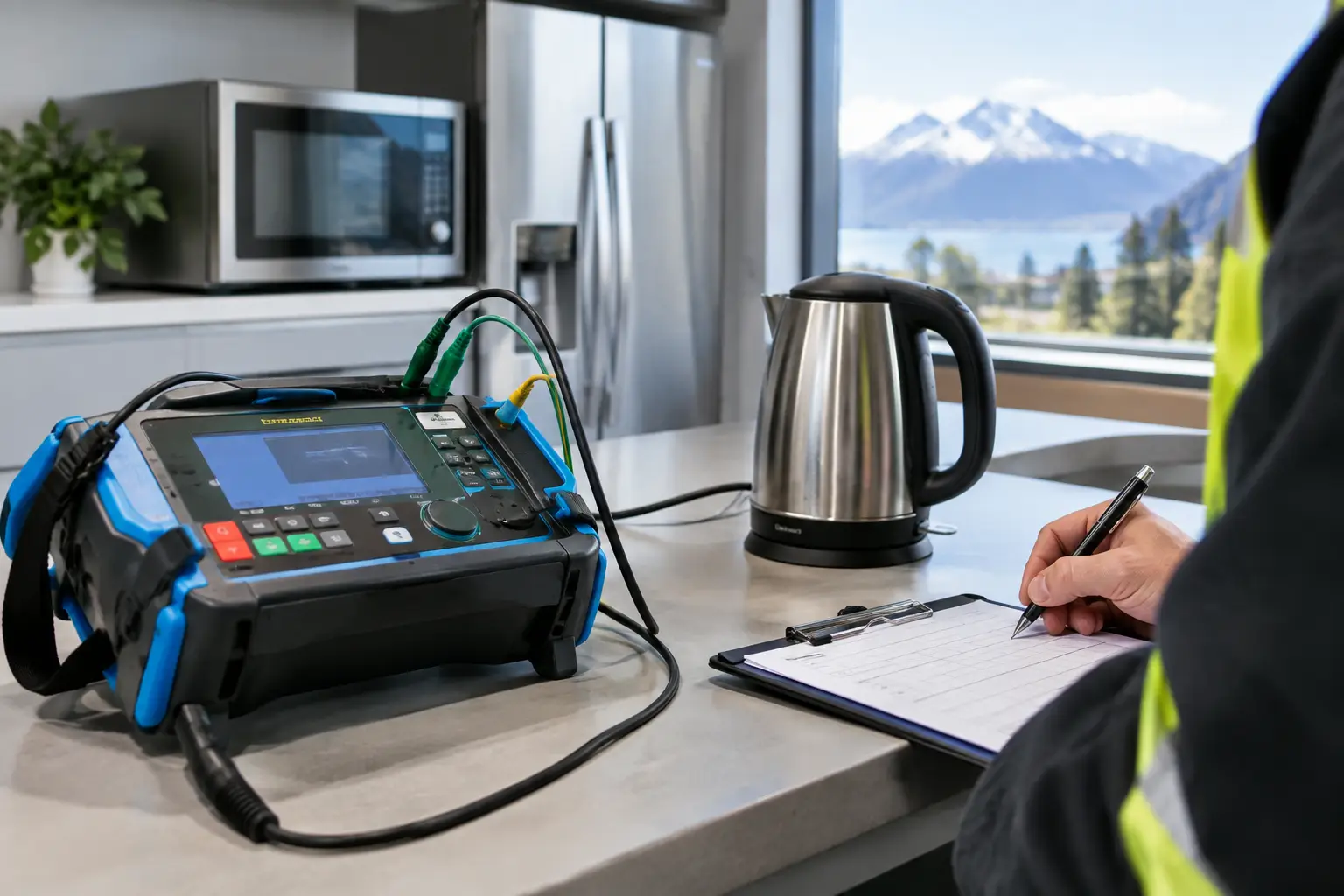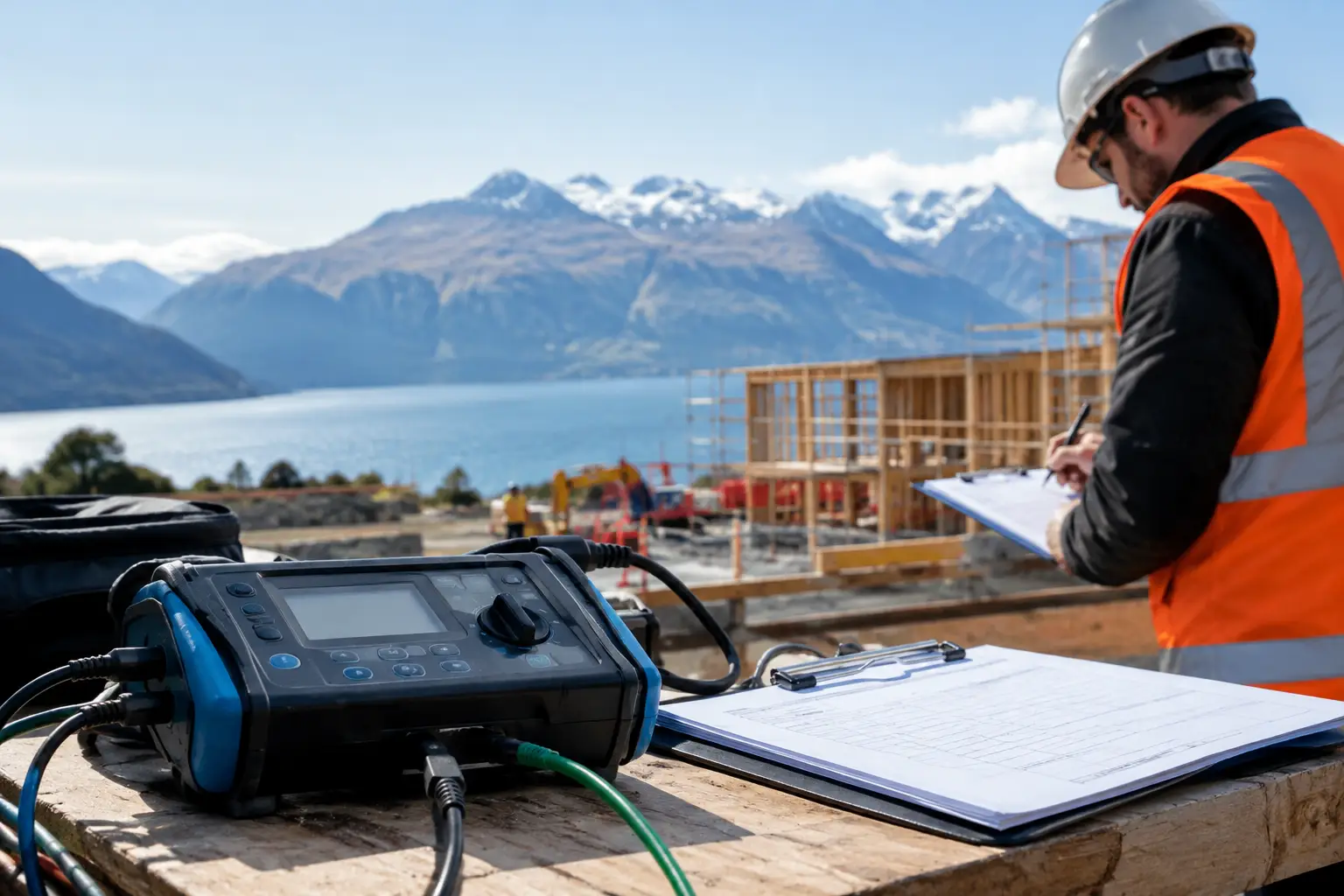
A damaged extension lead in a muddy accessway can stop far more than one tool. It can hold up a crew, create a shock or fire risk, complicate an incident investigation and leave a project manager scrambling for replacement equipment. Effective construction site power management is the practical discipline of keeping temporary power, portable equipment and compliance records under control while the site changes around them.
Construction work is particularly demanding on electrical equipment. Leads are dragged, plugs are knocked, tools move between contractors and weather conditions change quickly. A sound approach protects people first, but it also protects programme dates, equipment budgets and the confidence clients place in the site team.
Construction site power management starts before work begins
Power planning should be part of site establishment, not an issue dealt with after the first lead fails. Before equipment arrives, identify what will be used, where it will be used and who will be responsible for checking its condition. This includes handheld tools, battery chargers, welders, temporary lighting, leads, portable distribution equipment and any three-phase plant.
The detail required depends on the project. A short internal fit-out has different risks from an exposed civil site or a multi-storey build, where equipment is regularly relocated between floors. However, every project benefits from a clear record of equipment on site and an agreed process for removing damaged items from service.
A current asset register makes this manageable. It identifies the item, its location or owner, test status and next inspection due date. That record is particularly useful where multiple subcontractors bring equipment to site. Rather than relying on memory or a quick visual scan, the site manager can see what has been checked and what needs attention.
Know where the electrical risks build up
Most faults do not begin as dramatic failures. They develop through ordinary site use: a lead is crushed under materials, a plug is exposed to moisture, a casing cracks after a drop, or a connection gradually loosens. The higher the wear and exposure, the more disciplined the inspection programme needs to be.
Pay close attention to equipment used outdoors, near water, in dusty areas, through temporary access routes or around metal structures. Leads running across walkways also need protection from vehicle traffic, foot traffic and sharp edges. Keeping them off wet ground where practical and routing them away from high-traffic areas reduces both damage and trip hazards.
Portable equipment should have a visible status tag where testing and tagging is required by the site, client or risk assessment. A tag is not a guarantee that an item will remain safe until its next due date. It shows that the equipment passed inspection and testing at that point in time. Daily visual checks still matter, especially after equipment has been moved, dropped or exposed to harsh conditions.
A simple pre-use check should look for cracked casings, damaged insulation, bent pins, loose connections, overheating marks and missing guards. If something does not look right, it should be taken out of service, clearly identified and kept from being returned to the tool pool by mistake.
Set retesting intervals around actual site conditions
There is no useful one-size-fits-all testing schedule for construction. The right interval depends on the work environment, the equipment type, how often it is used and the level of damage it is likely to receive. High-use equipment on a rough, exposed site will generally need more frequent inspection than equipment used occasionally in a clean site office.
AS/NZS 3760:2010 provides guidance for the in-service safety inspection and testing of electrical equipment, while project specifications, principal contractor requirements and WorkSafe expectations can add further obligations. The practical aim is to set intervals that reflect risk, document the decision and apply the programme consistently.
This is where an experienced testing provider can remove administrative pressure. Phase Test and Tag can test single-phase and three-phase portable equipment, maintain an asset register and provide reports that give site teams a clear record of what has been inspected. Scheduled reminders help prevent testing dates being missed as the project gathers pace.
Keep temporary power organised as the site changes
A construction site rarely stays in the same configuration for long. Amenities move, work fronts shift, scaffolding changes access routes and different trades arrive at different stages. Power arrangements that were sensible during early works can become unsafe or inefficient later if no one reviews them.
Assign responsibility for checking temporary power arrangements during site walks and after major changes. The person does not need to inspect every item alone, but they should know who owns the register, how faults are reported and where defective equipment is held. Clear ownership prevents the common problem of everyone assuming someone else has dealt with a damaged lead.
Good housekeeping is part of electrical risk control. Avoid overloaded connections, keep distribution areas clear of stored materials and make sure equipment is not left where it can be exposed to water or mechanical damage. When leads and appliances are packed away at the end of a shift, faults are easier to spot before the next crew begins work.
Use testing results to prevent downtime, not just tick a box
Testing and tagging is often viewed as a compliance task, but the most useful programmes provide information that helps the project run better. Repeated failures in a particular type of lead, tool or work area can indicate an underlying handling or storage problem. Equipment that fails testing should not simply be replaced without considering why it failed.
For larger sites, reports can help project managers identify patterns across contractors and work zones. If the same items repeatedly show damaged cords or plugs, the response may include improved lead protection, clearer storage rules or more frequent visual checks. These small adjustments can reduce unplanned equipment failures during critical work.
Thermal imaging can also add value where there are concerns about heat build-up in electrical connections or equipment. It detects abnormal temperature patterns that may point to developing faults, poor connections or energy loss before they become a failure or fire event. It is a preventative maintenance tool, not a substitute for routine inspection, but it can provide useful early warning in the right situation.
Make compliance easy for contractors to follow
The best site rules are simple enough to be followed under pressure. Contractors should know what equipment is allowed on site, how test status is checked, where to report a fault and what happens to defective items. Put the process into inductions and reinforce it during toolbox talks, particularly when new trades mobilise.
A workable process should cover four actions:
- Check portable equipment and leads before use, especially after transport or harsh weather.
- Keep current testing records and an asset register available for site or client review.
- Remove damaged or suspect equipment from service immediately and prevent it being reused.
- Review electrical risks whenever the site layout, work conditions or equipment changes.
These controls are not about burdening experienced tradespeople with paperwork. They create a consistent way to act when time is tight and equipment is moving constantly. That consistency is what helps a site meet its safety obligations without turning compliance into a last-minute scramble.
A practical standard for a busy project
Construction site power management works best when it is treated as an ongoing site control, alongside traffic management, housekeeping and plant checks. Start with a register, choose inspection intervals that suit the risk, make pre-use checks routine and keep good records of testing outcomes. Review the arrangement whenever the work changes rather than waiting for an incident to expose a weakness.
A well-managed power system gives crews confidence that the equipment they pick up is fit for use, while giving managers evidence that electrical risks are being actively controlled. That is a practical safeguard for people, progress and the reputation of the project.