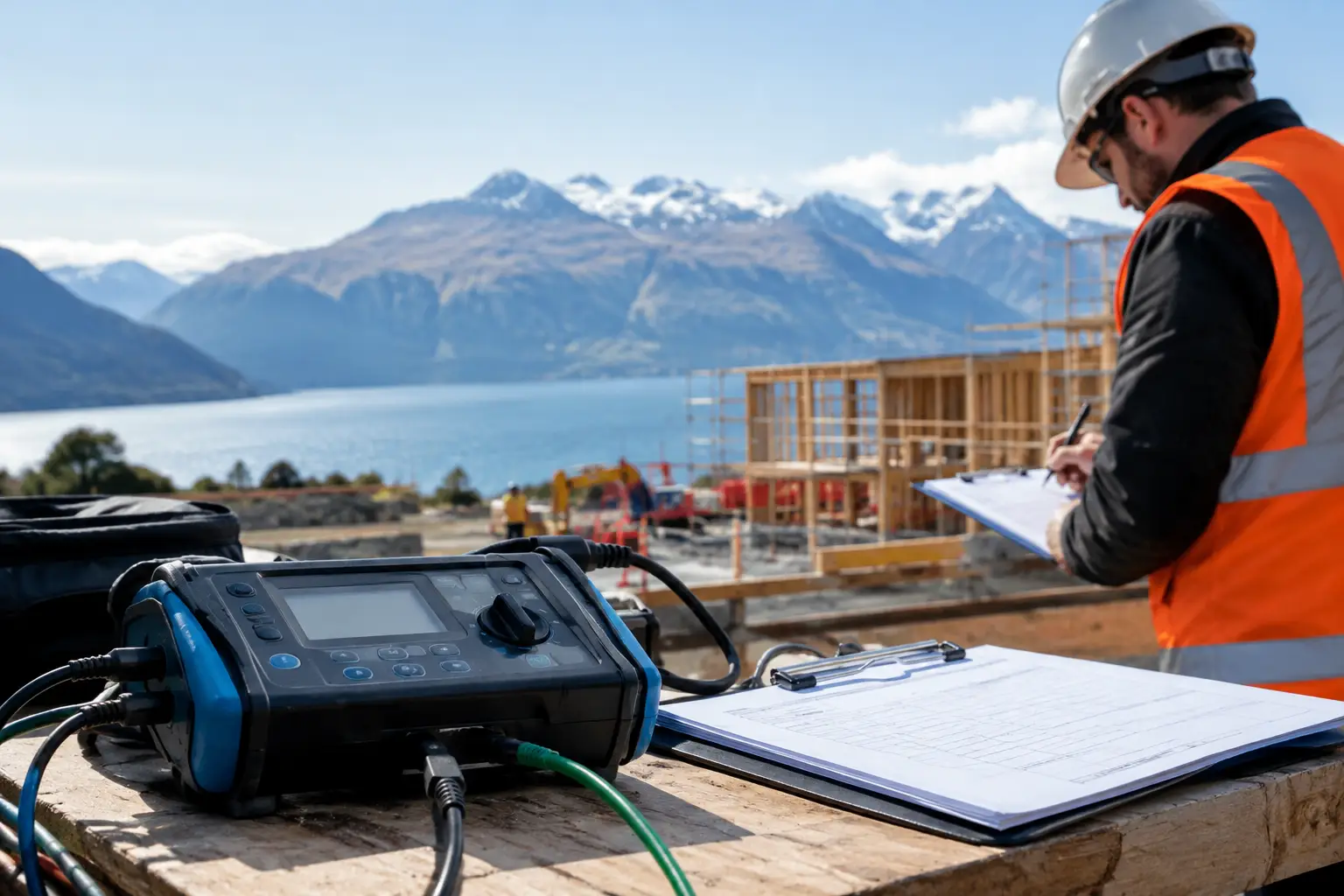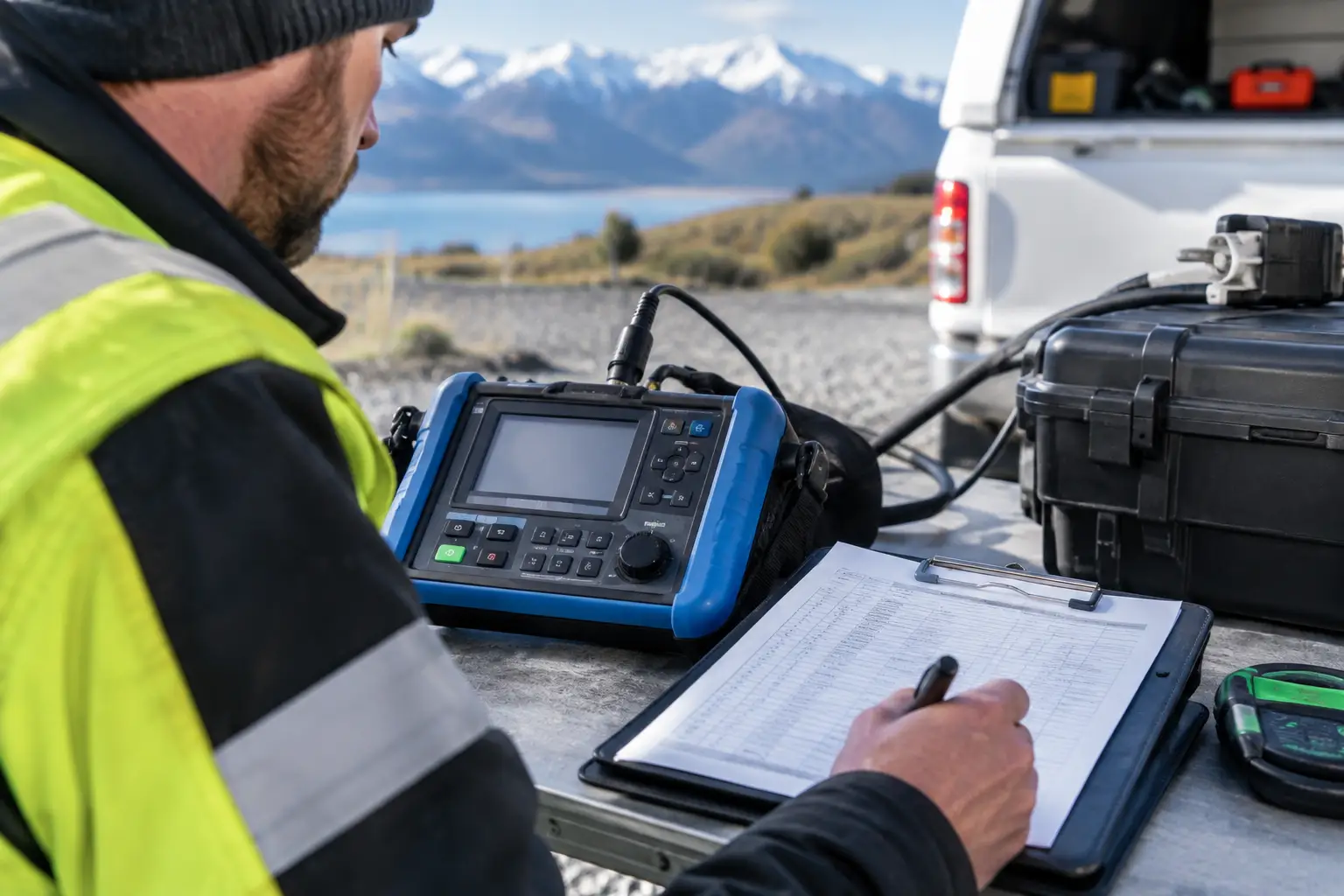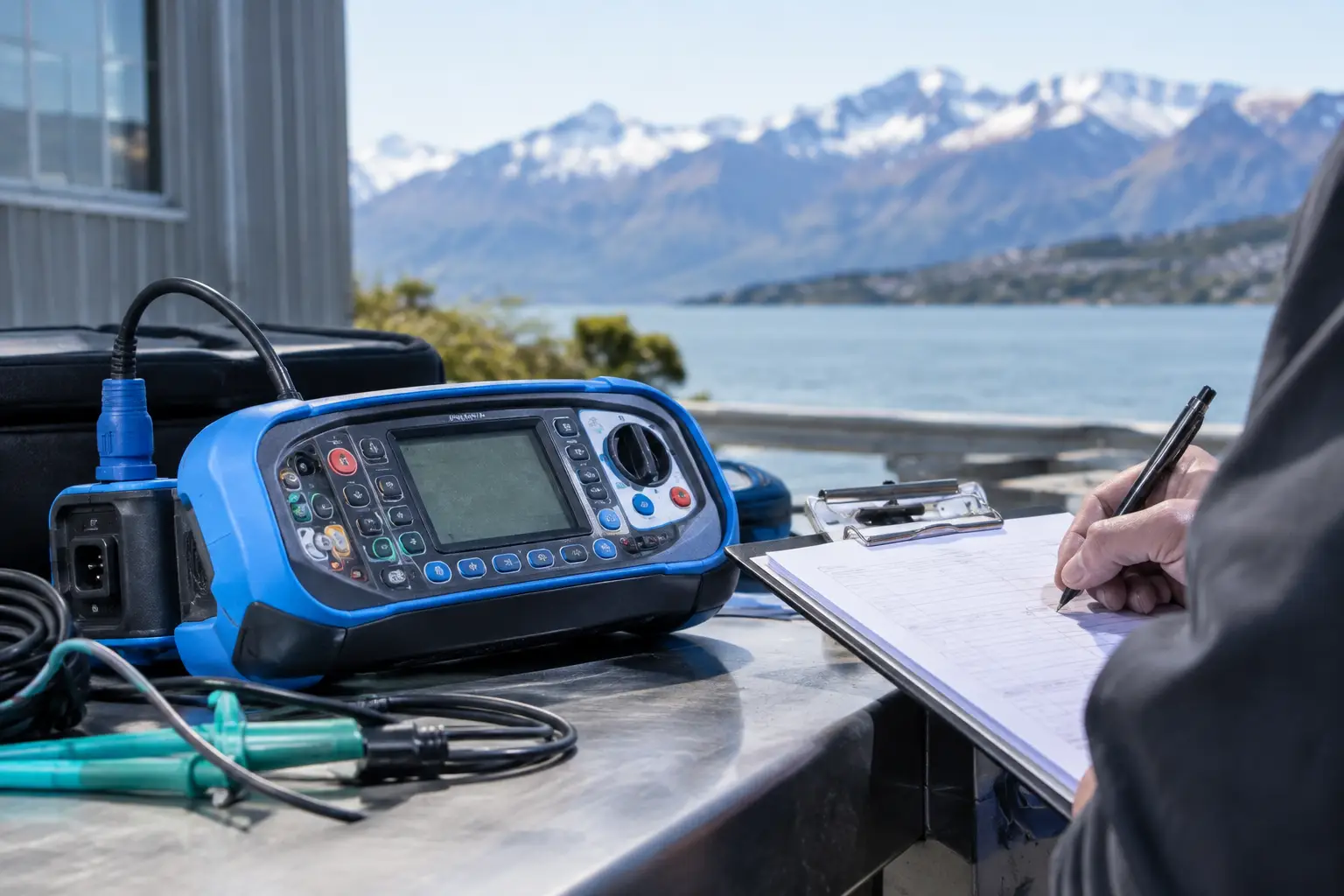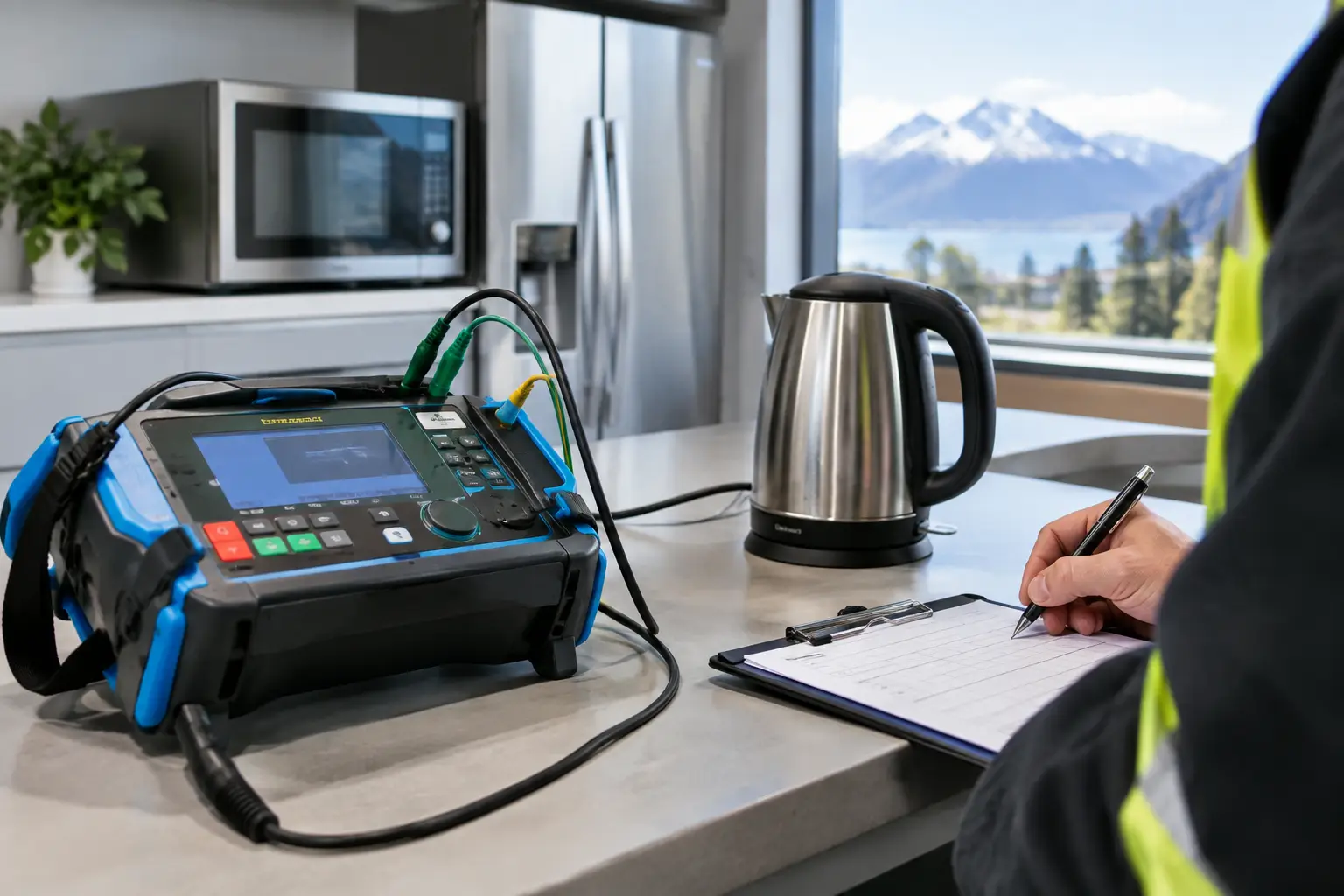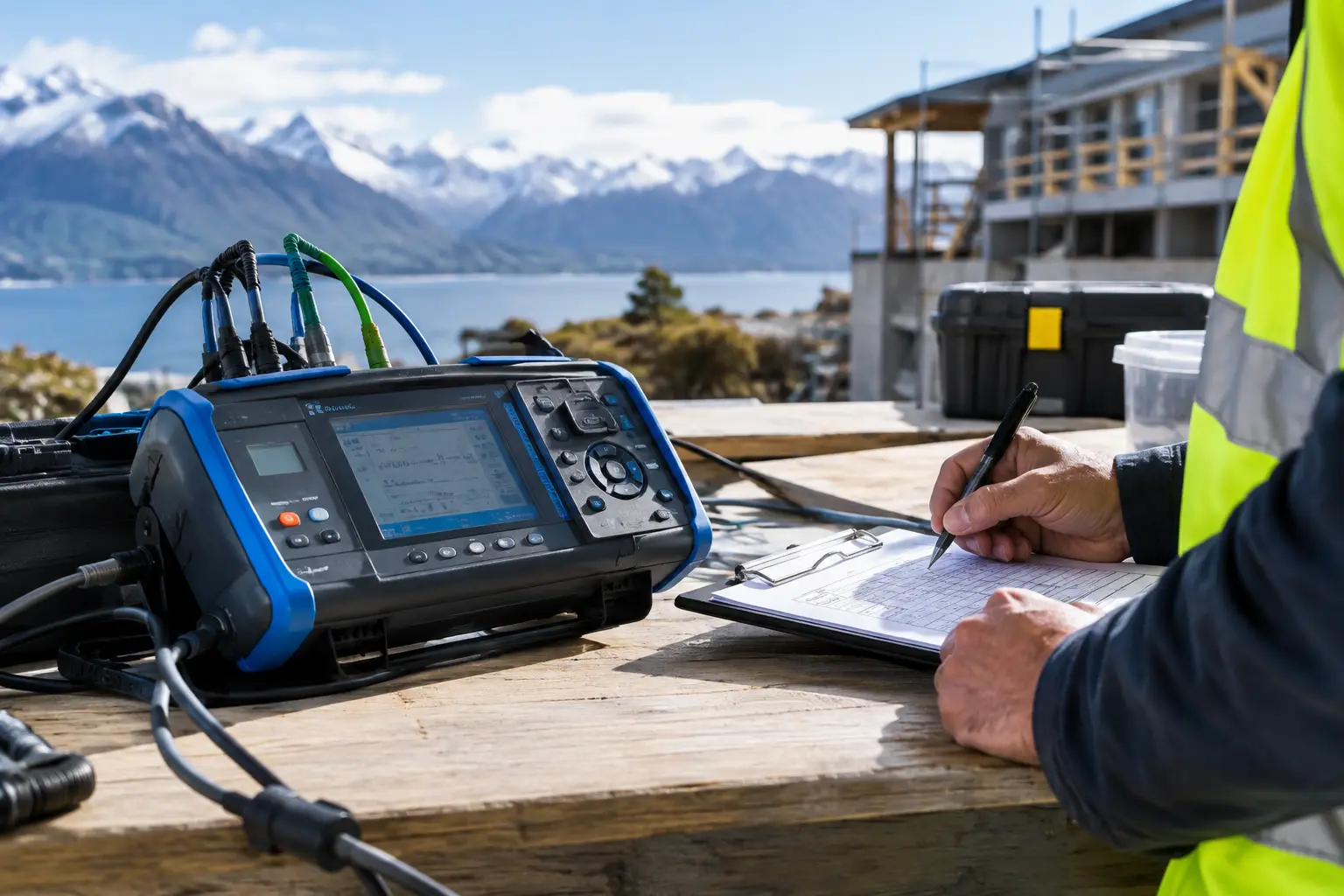
A damaged extension lead on a busy worksite can look like a minor inconvenience until it is dragged through water, crushed by plant or handled by someone rushing to finish a job. That is how many incidents begin. The top electrical risks on sites are rarely mysterious – they are everyday equipment, temporary power setups and overlooked faults that build up when inspections and controls slip.
For site managers, contractors and business owners, electrical safety is not just about avoiding injury. It also protects productivity, equipment, insurance positions and the ability to meet client and WorkSafe expectations. The practical aim is simple: identify equipment that is no longer safe to use, remove it from service promptly and maintain clear records that show the site is being managed properly.
Why electrical risk changes from site to site
A clean office with low-use appliances does not carry the same level of exposure as a construction site, workshop or manufacturing floor. Equipment may be moved constantly, used outdoors, exposed to dust and moisture, or operated around vehicles and heavy materials. The more demanding the environment, the more likely leads, plugs and portable appliances are to be damaged between checks.
Risk also depends on who uses the equipment and how often. A drill used all day by several crews deserves closer attention than a monitor that stays in one place. This is why AS/NZS 3760:2010 supports a risk-based approach to inspection and testing intervals. A sensible programme considers the equipment type, its environment, frequency of use and the likelihood of damage.
The top electrical risks on sites
Damaged leads, plugs and sockets
Flexible leads are among the most exposed items on a site. They get pulled across floors, caught in doors, run over by trolleys or vehicles, and stored badly at the end of the day. A split sheath, exposed conductor, loose plug pin or damaged socket can create a shock, burn or fire risk.
Visual checks matter because many defects are obvious before testing begins. Look for cuts, crushing, taped repairs, discolouration, loose connections and missing cable restraints. If an item looks damaged, it should be taken out of use immediately rather than left for the next scheduled visit.
Leads should be routed away from traffic areas where possible and protected where they must cross accessways. Keeping cables off wet floors, away from sharp edges and clear of pinch points is a simple control that prevents a surprising number of faults.
Overloaded power boards and daisy chains
Power boards make temporary setups convenient, but they can create trouble when used beyond their intended capacity. Plugging one board into another, loading multiple high-demand appliances onto a single outlet or relying on cheap, damaged boards increases the chance of overheating.
Warning signs include warm plugs, a hot power board, scorch marks, a burning smell or appliances repeatedly tripping protection. These are not issues to work around. Stop using the affected equipment and arrange for it to be assessed through the proper process.
The right setup depends on the load and the workplace. In an office, a quality power board may be suitable for lower-demand equipment. In industrial and trade environments, the same arrangement may be inappropriate where equipment draws more power or is used continuously. Staff need clear direction not to improvise temporary power arrangements when outlets are inconveniently located.
Water, moisture and outdoor exposure
Water and electricity are a high-risk combination, particularly on construction sites, in washdown areas, outdoor work zones and facilities with leaks or condensation. Moisture can enter plugs, sockets and tool housings, compromise insulation and make a person a more effective path to earth.
Outdoor-rated equipment still needs inspection. Its rating does not protect it from cracked housings, poorly sealed connections or a lead sitting in pooled water. Store portable equipment in dry locations, keep connections raised where practical and ensure unsuitable appliances are not brought into wet areas.
Rain is not the only concern. Fine dust, metal filings and industrial contaminants can also find their way into equipment and connections. Conditions should guide the inspection frequency, not just a date on a tag.
Faulty portable tools and appliances
Portable equipment is often moved between vehicles, work areas and crews. That mobility is useful, but it makes damage more likely and ownership less clear. A tool may be returned to a shared store with a fault that nobody reports, then issued to the next worker.
Common issues include cracked casings, damaged guards, loose cords, broken switches and signs of overheating. Equipment that has been dropped or exposed to a hard impact should be checked before it returns to use, even if it still appears to operate normally.
A current test tag gives a useful indication that equipment passed inspection and testing at a point in time. It does not replace a quick pre-use check by the person picking it up. Good electrical safety is a shared routine, not a once-a-year paperwork exercise.
Unclear tagging, missing asset records and overdue testing
When a site cannot identify what equipment it owns, where it is located or when it was last checked, unsafe items can remain in circulation. This is particularly common where contractors arrive with their own tools, equipment moves between projects or the business has several departments sharing assets.
A properly maintained asset register creates control. It records the item, its identifier, test outcome and next due date, making it easier to plan testing and demonstrate a consistent approach to compliance. It also reduces the time spent chasing serial numbers, checking old spreadsheets or debating whether an item has already been assessed.
Tags need to be legible and attached where they can be checked without creating a new hazard. If a tag is missing or unreadable, do not assume the item is safe. Check the register and follow the site procedure.
Three-phase equipment and higher-energy exposure
Three-phase equipment requires particular care because the potential consequences of a fault can be more serious. In workshops, manufacturing facilities and industrial sites, these assets may be essential to daily operations, so faults can become both a safety issue and a costly interruption.
Inspection and testing should suit the equipment and operating environment. Keeping equipment records accurate helps identify repeat faults, equipment nearing the end of its useful life and items that need closer monitoring. For critical machinery, preventative checks can be far less disruptive than dealing with an unexpected failure during production.
Heat build-up inside electrical systems
Not every electrical fault is visible from the outside. Loose connections, overloaded components and deteriorating parts can generate excess heat before a failure occurs. Thermal imaging can identify abnormal hotspots that may point to developing issues, energy loss or a potential fire risk.
Thermal imaging is most valuable when used as part of a preventative maintenance approach, particularly in commercial and industrial settings where shutdowns carry a real cost. It does not replace portable appliance testing, and appliance testing does not replace thermal imaging. Each addresses different risks, so the right combination depends on the site and its equipment.
A practical control process for managers
Managing electrical risk works best when it is built into normal site routines. Start by ensuring workers know what to look for before using portable equipment: damaged cables, cracked casings, loose plugs, moisture, heat and missing tags. Make it easy to report faults without blame, and make sure there is a clear place to isolate equipment that must not be used.
Next, set inspection and testing intervals that reflect the environment. High-use, harsh or public-access areas may need more frequent attention than low-risk office spaces. A testing provider can help determine an appropriate schedule under AS/NZS 3760:2010 and retain the asset information needed for future visits.
Finally, review what the records are telling you. Repeated lead damage in one area may indicate poor cable routing. Frequent power-board failures may point to unsuitable temporary setups. A cluster of heat-related findings may justify earlier investigation before it becomes an outage. Documentation should help you make safer decisions, not simply sit in a folder.
For Christchurch and South Island businesses managing varied sites, a scheduled testing and tagging programme with clear reporting removes much of the administrative burden. Phase Test and Tag can support regular inspections, asset registers and proactive reminders, without call-out fees or unnecessary complexity.
The safest site is not the one that has never found a fault. It is the one where faults are noticed early, removed from use quickly and used as a prompt to improve the way equipment is managed.