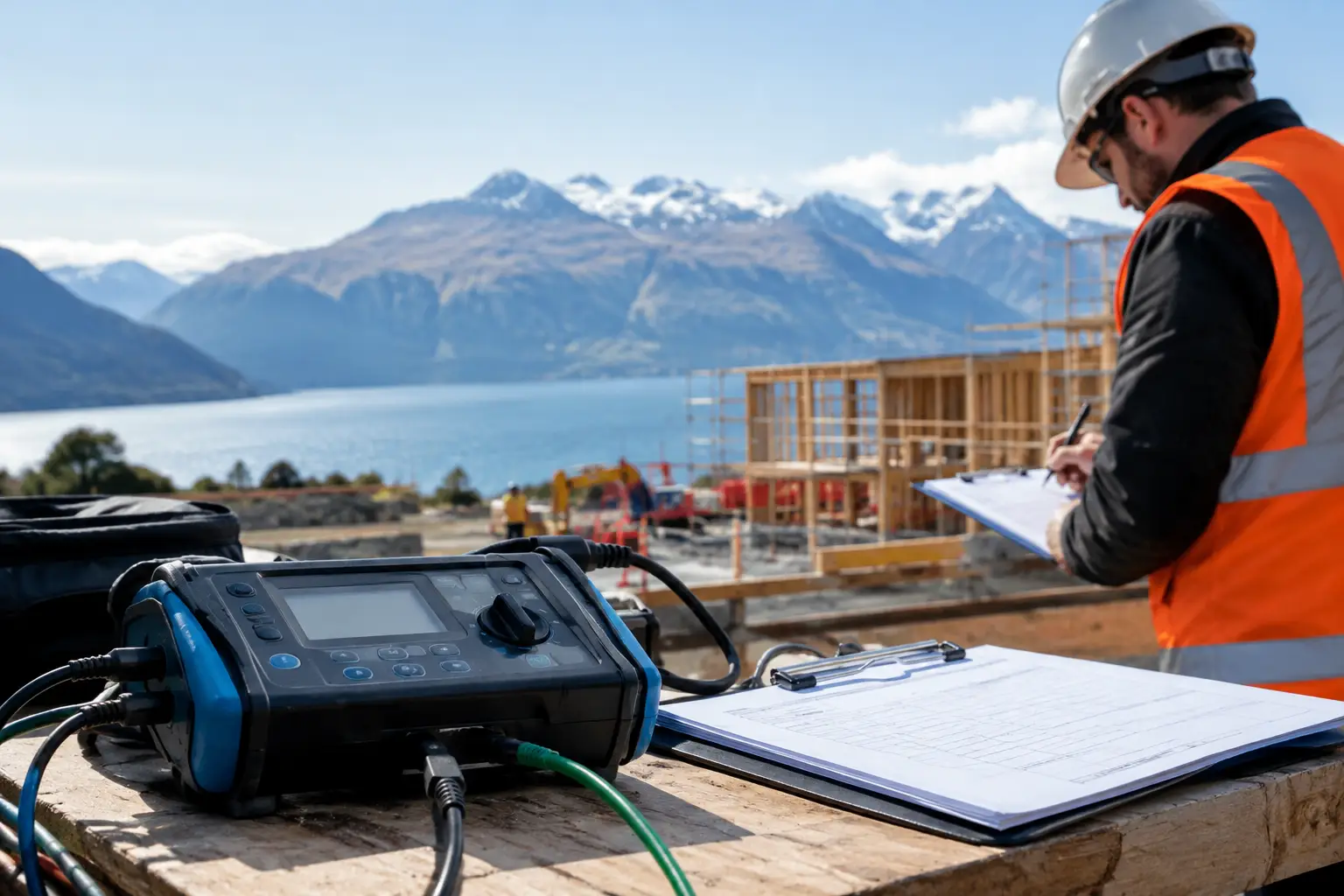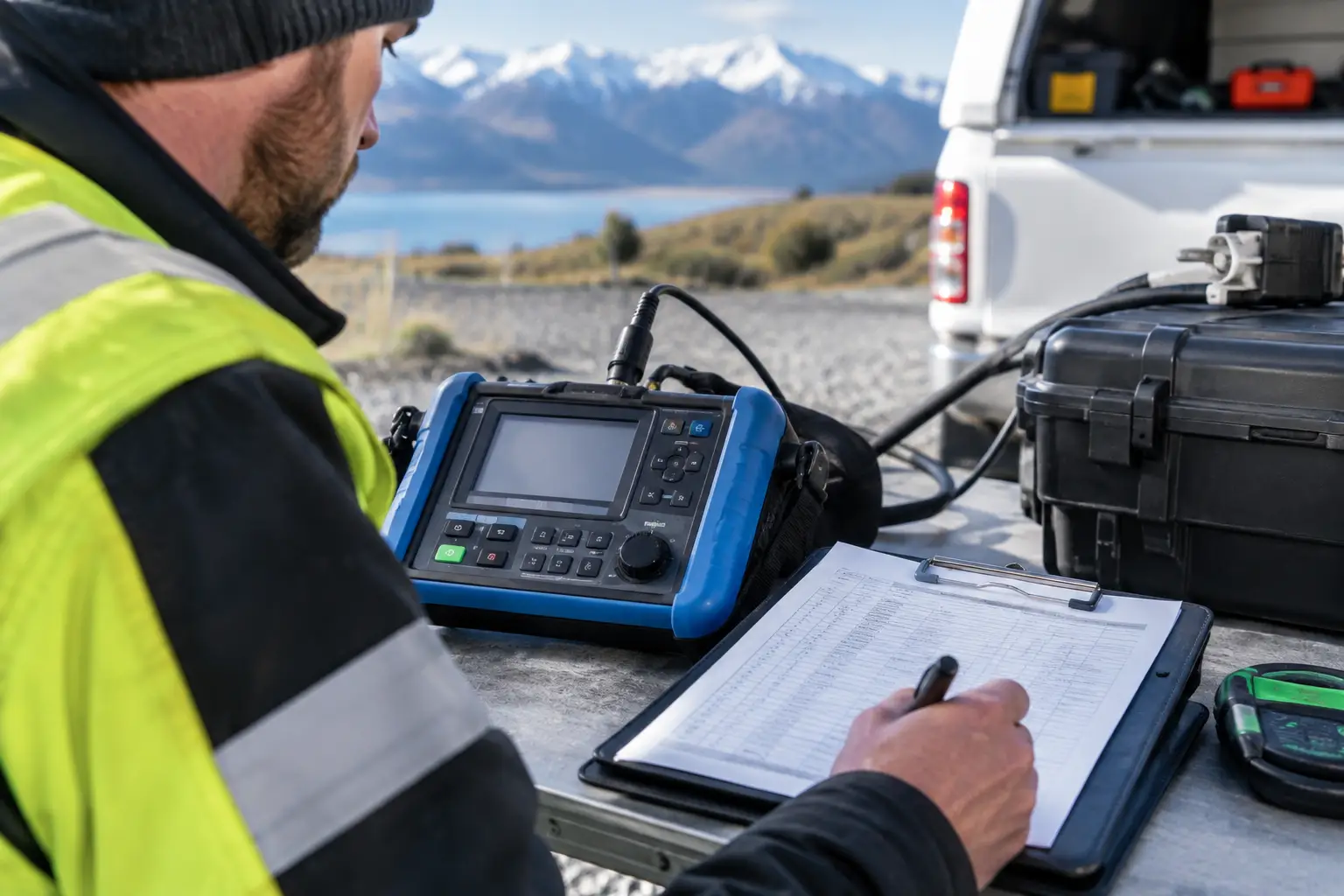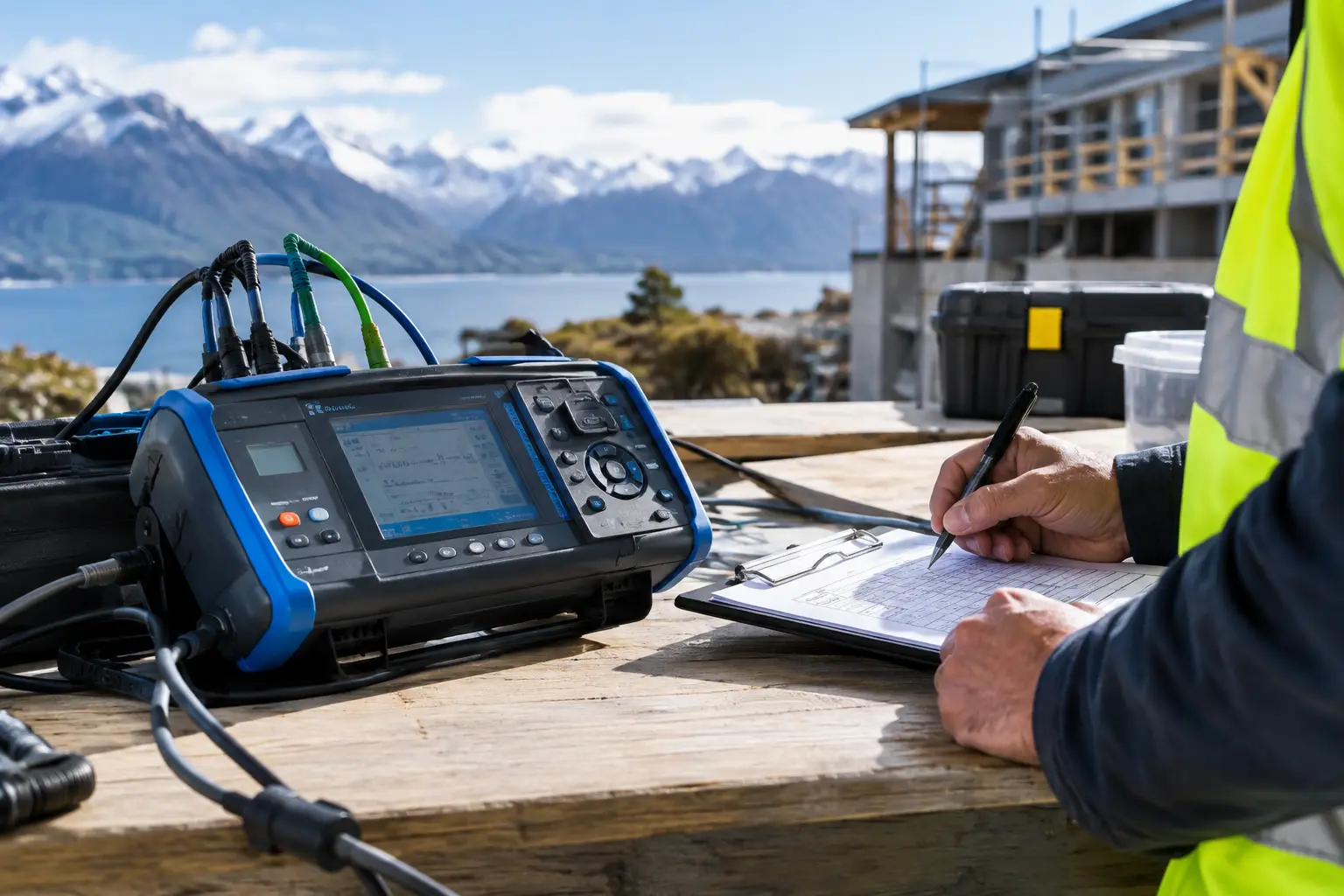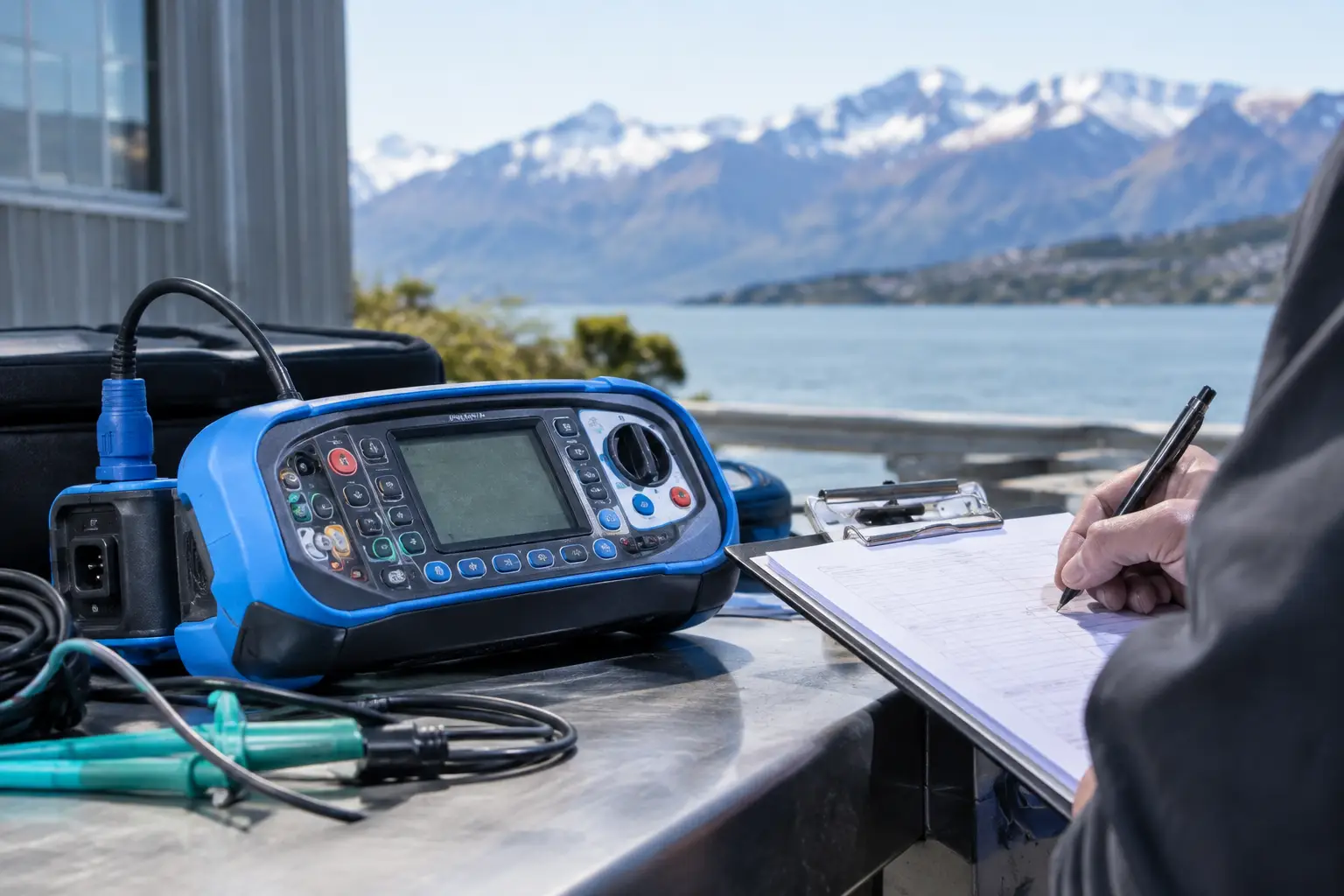
A portable RCD can be the last line of protection between a damaged lead and a serious electric shock. That is why the question, when are RCD tests required, deserves more than a quick look at the test button. For businesses, contractors and site managers, the answer depends on the RCD type, where it is used, how often equipment is moved and the level of risk on site.
RCD testing is part of a sensible electrical safety programme. It helps confirm that a residual current device will operate quickly enough when a fault occurs, while inspection and testing of portable equipment helps find damaged leads, plugs and appliances before they create a larger problem.
When are RCD tests required at work?
RCD tests are required when the device is first put into service, at intervals based on its environment and use, and whenever there is reason to suspect it may have been damaged or affected by a fault. The relevant inspection and testing schedule should reflect AS/NZS 3760:2010, manufacturer instructions, your workplace risk assessment and any client, insurer or principal contractor requirements.
There is no one test interval that suits every workplace. An RCD protecting a lead used daily on a construction site is exposed to very different risks from an RCD used occasionally with office equipment. Moisture, dust, vibration, vehicle traffic, rough handling and frequent plug-and-unplug use all increase the likelihood of damage and justify more frequent checks.
In practical terms, RCD testing should be considered in these situations:
- before equipment or a portable RCD is introduced into service;
- at the scheduled interval for the equipment’s work environment;
- after repair, modification or an event that could affect safe operation;
- after visible damage, water exposure, impact, overheating or a suspected electrical fault; and
- when a customer site, contract, insurance policy or internal safety system specifies a testing frequency.
A test tag alone is not a guarantee that equipment remains safe until its next due date. Workers should still carry out a quick visual check before use. A cracked plug, frayed lead, loose socket or damaged casing needs to be taken out of service straight away, regardless of what the tag says.
RCD test button checks and instrument tests are different
One common source of confusion is that an RCD can be checked in more than one way. The built-in test button provides a basic functional check. Pressing it should trip the device, showing that its switching mechanism is responding. Portable RCDs should be reset and checked in line with the manufacturer instructions and the site’s safety procedures, particularly before use in higher-risk environments.
However, the test button does not measure how quickly the RCD trips or whether it operates at the correct residual current. An instrument test is needed to verify its performance. This is the formal test that gives a business meaningful evidence that the RCD is operating within the expected parameters.
Both checks matter. The button check is a useful day-to-day safeguard, while periodic instrument testing provides documented compliance evidence and identifies devices that may appear normal but no longer trip fast enough.
Portable RCDs need close attention
Portable RCDs are often used where a fixed socket outlet does not provide RCD protection, or where an additional layer of protection is required for portable equipment. They can be especially valuable on construction, maintenance, trade and outdoor work sites, but they are also regularly dropped, dragged, exposed to weather and shared between workers.
Because of this exposure, portable RCDs should be included clearly in the site equipment register. Each unit needs an identifiable asset record, a test history and a visible status label where appropriate. If a portable RCD fails a test, it must not be returned to use until it has been properly dealt with and recorded.
Typical testing frequency depends on the environment
AS/NZS 3760:2010 provides a risk-based framework for in-service inspection and testing of electrical equipment. The standard is widely used to establish sensible test-and-tag programmes, but the right interval still depends on how and where the equipment is used.
Higher-risk environments generally need shorter intervals. Construction and demolition sites, equipment hire, workshops, factories, warehouses and production areas commonly require more frequent inspection and testing than low-risk office settings. Equipment used in hostile conditions, such as wet, dusty or outdoor areas, also deserves closer control.
As a broad guide, portable equipment in construction, demolition and hire environments is commonly tested at three-month intervals. Equipment in factories, workshops and similar commercial or industrial settings is often tested every six months. In a low-risk office environment, where equipment is less likely to be moved or damaged, intervals can be much longer, often up to five years for suitable equipment.
These examples should not be treated as a substitute for a site-specific programme. A warehouse office may have low-risk computer equipment, yet the same business may run a busy loading area with chargers, extension leads and portable tools that need a far more frequent schedule. One site can legitimately have several testing intervals.
Do fixed RCDs follow the same process?
Not always. A fixed RCD installed as part of a building’s electrical installation is different from a portable RCD or an RCD incorporated into portable equipment. Its inspection, testing and maintenance may sit within the building’s wider electrical installation and maintenance arrangements rather than a portable appliance testing programme.
For facility managers, the key is to avoid leaving a gap between responsibilities. Confirm which RCDs are portable, which are associated with equipment, and which are part of the premises. Keep records that show who is responsible for each category and when checks are due. If the scope is unclear, do not assume a portable appliance test covers every RCD on the property.
What should a compliant RCD testing record show?
Good records make compliance easier to manage and easier to demonstrate. They also prevent a failed item from being overlooked when staff change, sites expand or equipment moves between jobs.
An effective record should identify the RCD, its location or usual work area, the date tested, the test result, the next due date and the person who completed the work. It should also show any failed items, corrective action taken and the date the item was cleared for use again.
For businesses managing multiple teams or locations, an asset register is far more useful than relying on tags alone. Tags provide a clear on-site reference, while the register creates the full history needed for audits, client prequalification and internal health and safety reviews. Proactive due-date reminders also reduce the risk of testing slipping past its scheduled date during a busy project.
Why RCD testing matters beyond compliance
The immediate purpose of an RCD is personal protection. It is designed to disconnect power when it detects an imbalance that may indicate current flowing through an unintended path, including through a person. It does not eliminate every electrical hazard, and it cannot make damaged equipment safe, but a correctly operating RCD can significantly reduce the severity of an electric shock event.
There is also an operational benefit. Finding faulty leads, damaged plugs and unreliable portable RCDs early can prevent downtime, site disruptions and incident investigations. For contractors, current records can help meet principal contractor expectations before arriving on site. For employers, they provide evidence of a practical approach to meeting health and safety duties.
RCD testing is most effective when it is not treated as a once-a-year paperwork exercise. It works best alongside routine visual checks, clear removal-from-service procedures and a testing schedule matched to the reality of each work area.
Phase Test and Tag helps South Island businesses manage portable equipment testing, RCD checks, asset registers and due-date reminders without adding unnecessary administrative pressure. The right programme is not simply the shortest interval for everything. It is a clear, documented system that gives your team suitable protection for the work they actually do.
A well-maintained RCD may only take moments to test, but those moments can provide the confidence to keep people safe and work moving.