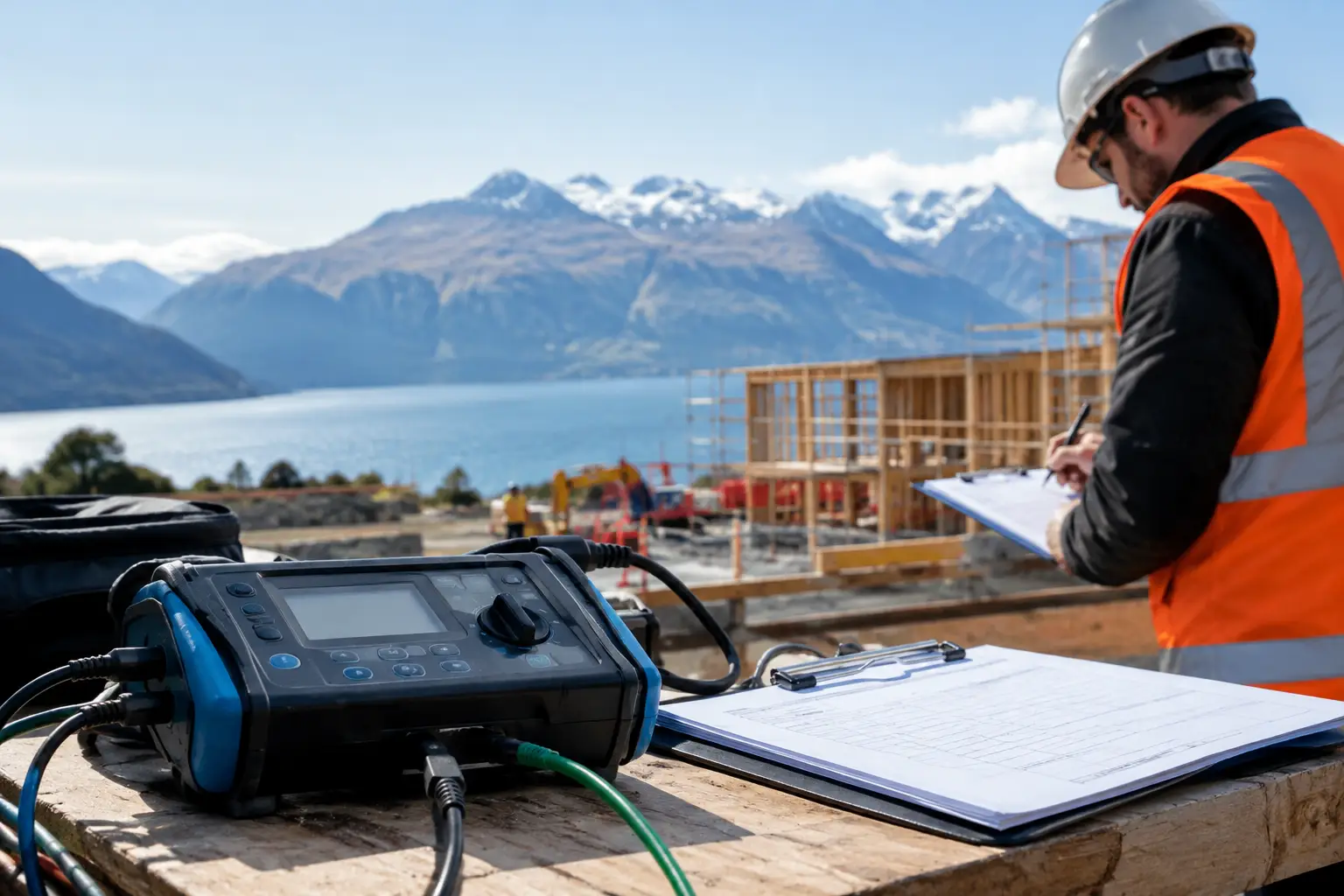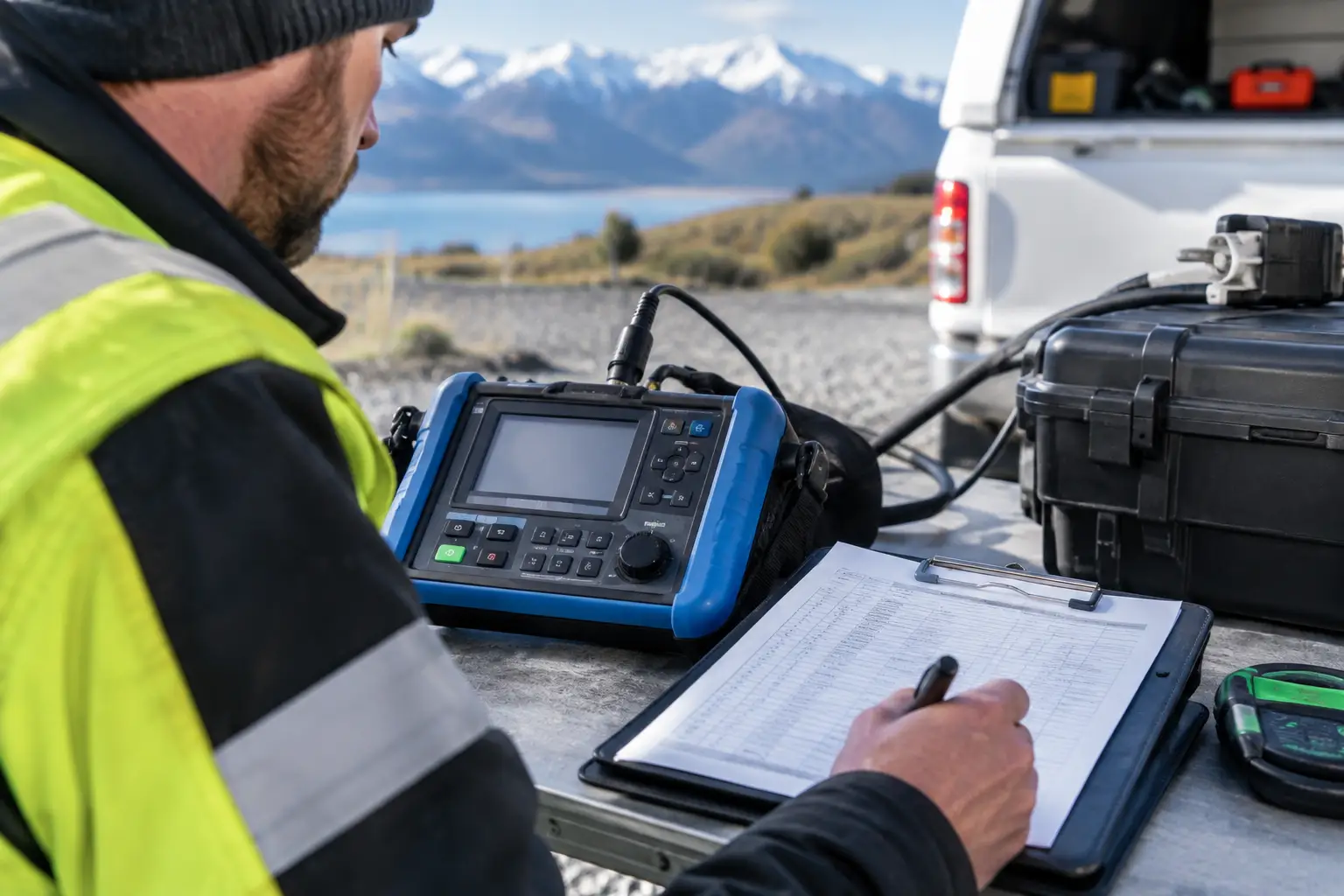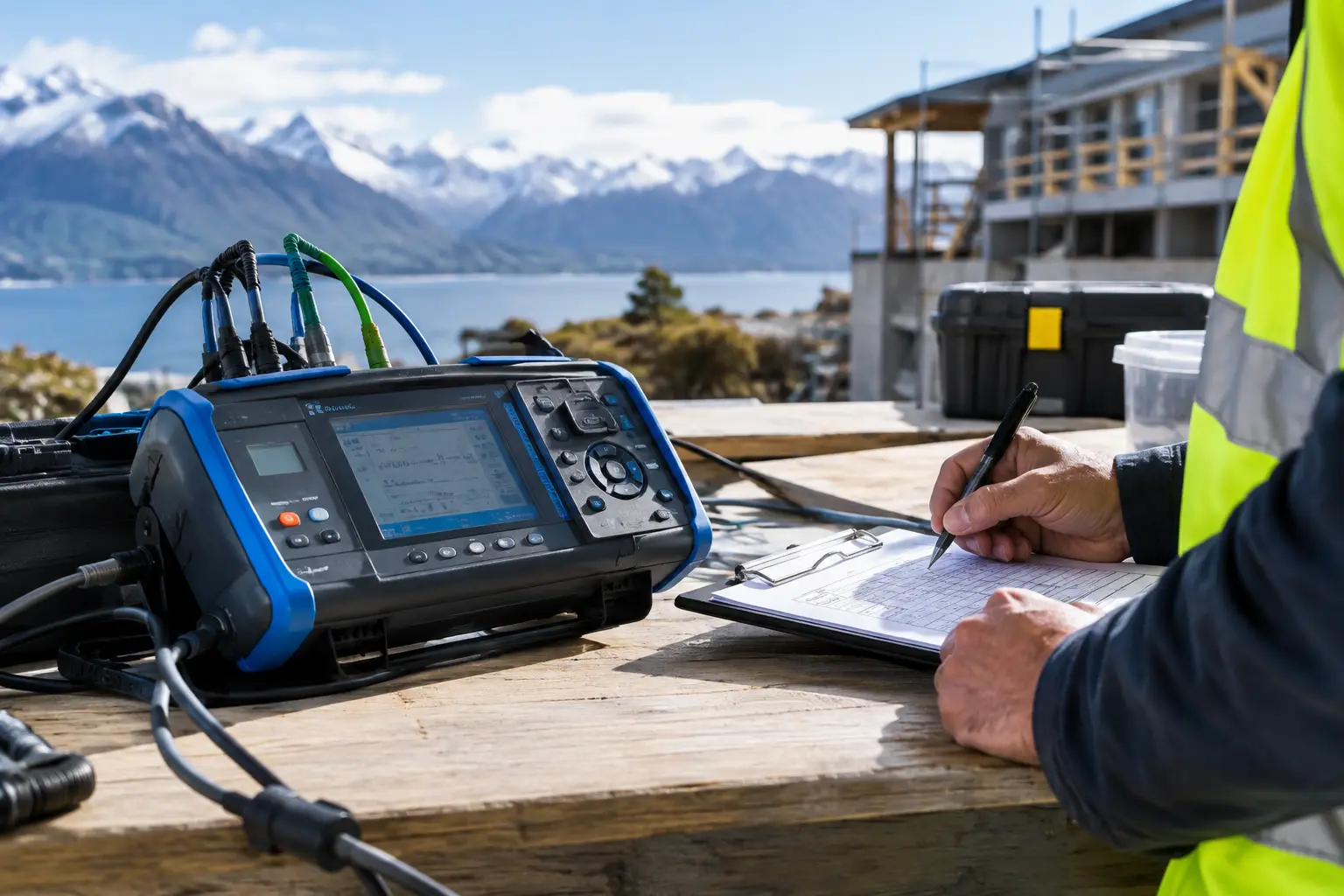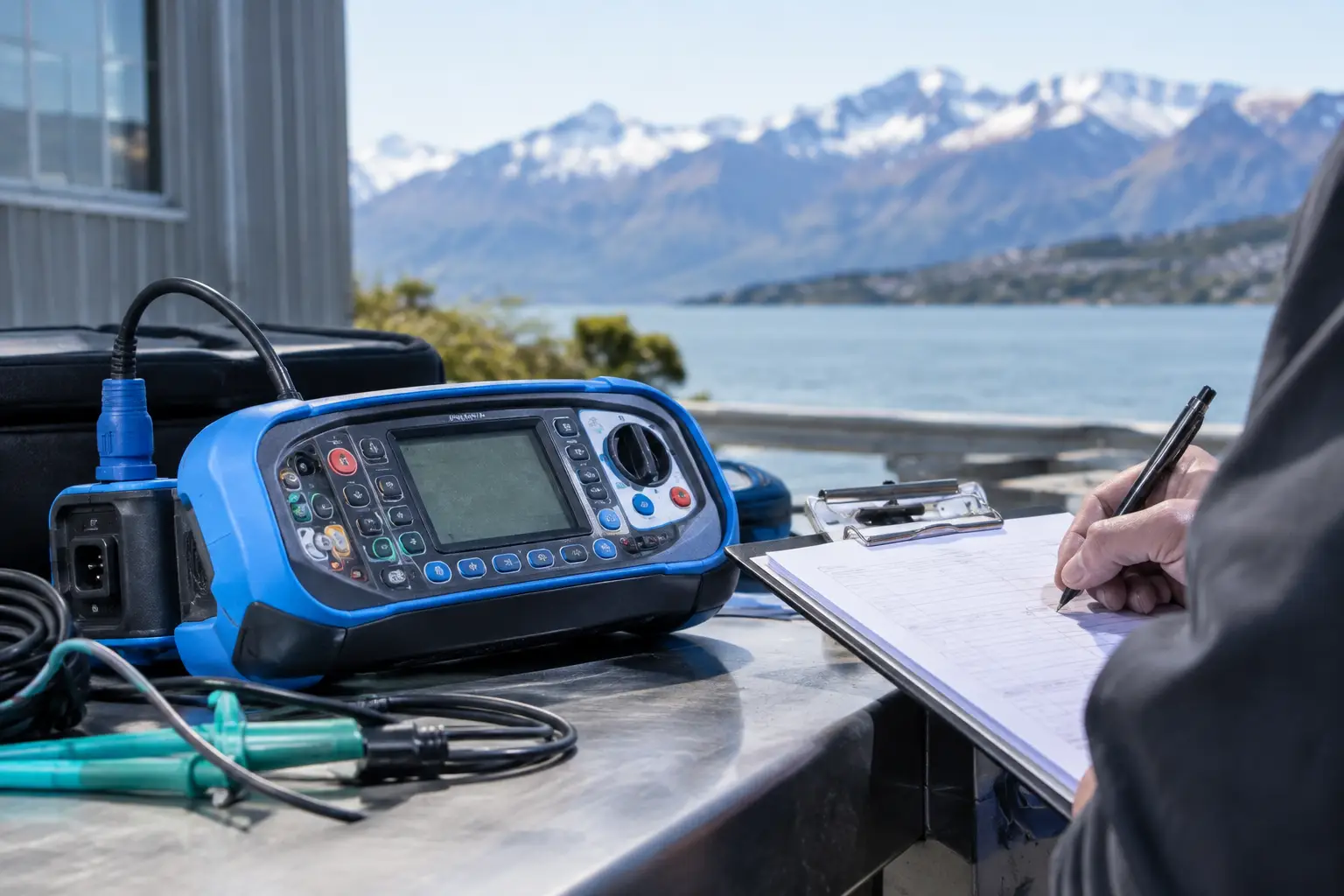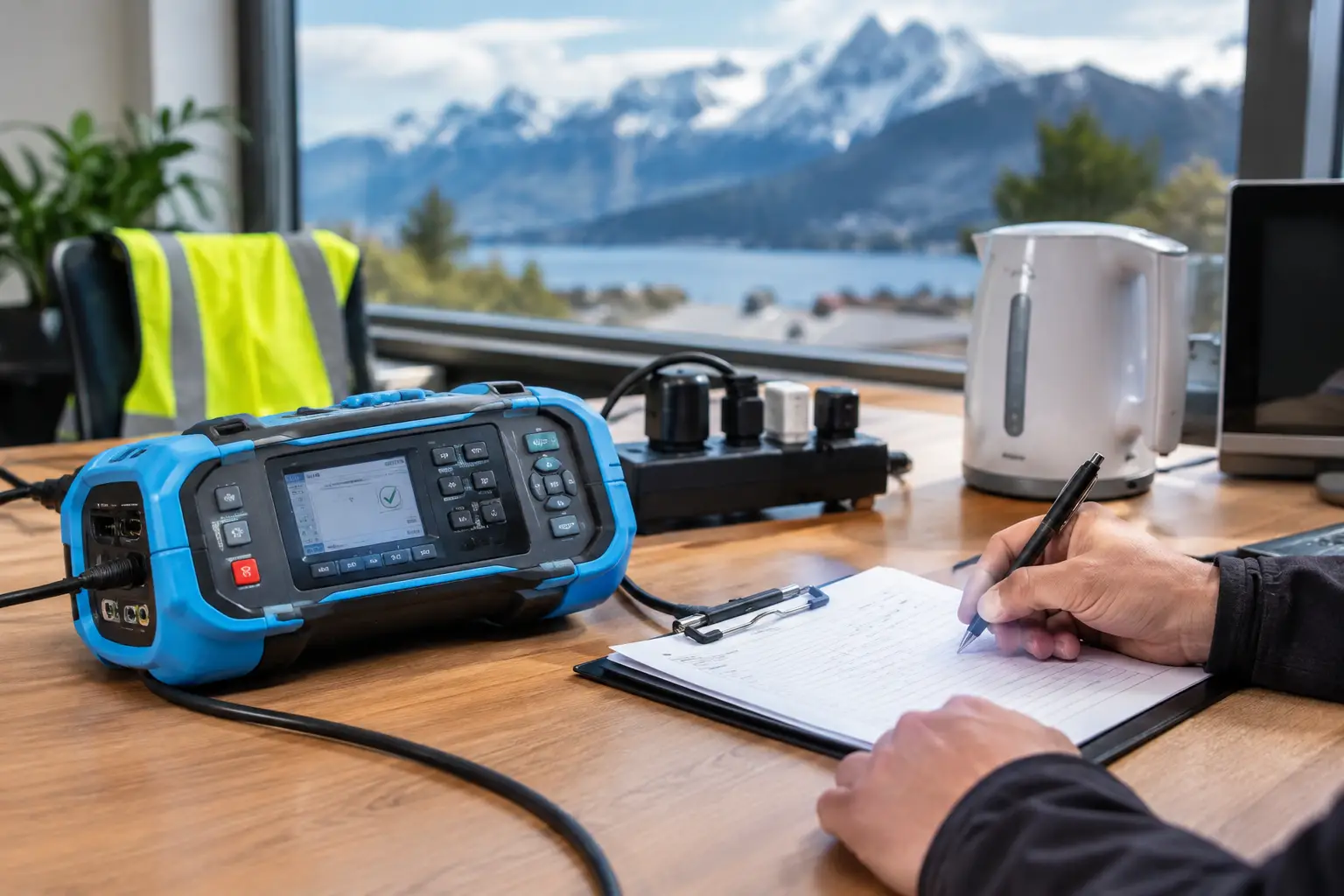
A kettle in the office kitchen, a grinder on site or an extension lead running across a workshop floor can all seem harmless until something goes wrong. The top workplace appliance safety risks are rarely caused by one dramatic failure. More often, they build through damaged leads, hard use, poor storage, unsuitable equipment and missed inspection dates.
For business owners and site managers, electrical appliance safety is not just a box to tick. A faulty item can injure a worker, start a fire, stop a job or leave a business short on the documentation needed for a client, insurer or WorkSafe enquiry. The practical response is to understand where risk starts, make everyday checks part of site culture and maintain a testing schedule that reflects the environment your equipment works in.
1. Damaged leads, plugs and connections
Portable leads and plugs take a lot of punishment, particularly in construction, trade and industrial settings. They are dragged across rough surfaces, shut in doors, run over by equipment, exposed to moisture and packed away in a hurry. Over time, insulation can split, pins can loosen and internal conductors can become damaged without being obvious at first glance.
A lead with tape around it, exposed wiring, a cracked plug top or strain relief pulling away from the cable should be taken out of service immediately. The same applies to appliances that only work when the cord sits at a particular angle. These are not minor cosmetic issues. They can indicate a loss of insulation or a loose connection that increases the risk of electric shock, overheating or arcing.
Staff should be encouraged to look over equipment before use, especially shared equipment and anything used outdoors. A quick visual check is one of the simplest controls available, but it does not replace formal inspection and testing. Some faults sit inside the cable or appliance and can only be identified through electrical testing.
2. Overloaded power boards and extension leads
Power boards are useful for low-load office equipment, but they are often asked to do more than they were designed for. Daisy-chaining one board into another, using a domestic board in a demanding work area or connecting several high-load appliances to one outlet can cause heat to build up at plugs, sockets and cables.
The risk depends on the equipment connected. A power board supplying monitors and phone chargers is very different from one supplying heaters, kettles, compressors or other equipment with substantial power demand. Even where a board appears to be working normally, repeated overloading can degrade components and create a fire risk.
Use power boards that suit the setting and load, keep them dry and clear of dust, and avoid covering them with mats, boxes or clothing that can trap heat. Extension leads should be sized and rated for their intended use, fully unwound where required and protected from damage. If a lead or power board feels unusually warm, trips supply or shows discolouration, remove it from use rather than waiting for the next scheduled check.
3. Appliances used in wet, dusty or high-impact areas
Not all workplaces expose equipment to the same level of risk. A printer in a clean administration area generally has a different exposure profile to a portable tool used on a construction site, in a fabrication workshop or around wash-down areas. Water, dust, metal filings, vibration and physical impacts can all reduce the safety margin of electrical appliances.
Moisture is particularly concerning because it can create a path for electrical current where there should not be one. Dust can also collect around vents and connections, affecting cooling and increasing the chance of overheating. In high-use environments, equipment may be moved between crews or vehicles, making it harder to know its condition or testing status.
This is why AS/NZS 3760:2010 uses a risk-based approach to inspection and testing intervals. Higher-risk environments usually need more frequent attention than low-risk office settings. A site manager should not assume a single retesting timetable works across the whole business. Equipment type, where it is used, how often it is handled and the likelihood of damage all matter.
4. Missing tags, unclear ownership and incomplete records
An appliance tag is useful because it gives workers an immediate indication that an item has been inspected and tested, as well as when it is next due. But a tag alone is not the full compliance picture. Businesses also need a current asset register that identifies equipment, records test results and makes it possible to show what has been checked, when and by whom.
Missing or unreadable tags create uncertainty. So does a pile of unlabelled leads in a storeroom, a borrowed appliance with no testing history or equipment that moves regularly between sites. When ownership is unclear, faulty items can stay in circulation and due dates can be missed.
A well-managed register reduces that administrative burden. It helps managers identify overdue items, remove failed equipment from service and plan future testing without chasing spreadsheets at the last minute. It is also useful when tender requirements, site inductions or insurance processes call for evidence of electrical safety controls.
5. Ignoring warning signs of overheating
Electrical failures do not always happen without warning. A burning smell, flickering operation, repeated tripping, buzzing, scorch marks or a plug that feels hot can signal a developing fault. Continuing to use the item because it still operates is a poor trade-off. The immediate convenience is small compared with the potential cost of injury, fire damage, downtime or a disrupted project.
Thermal imaging can add another layer of preventative maintenance where heat-related faults are a concern. It can identify abnormal hotspots and energy loss that may not be visible during a standard visual inspection. This is particularly valuable for workplaces that rely on equipment remaining available and want to find developing issues before they become costly failures.
Workers need a clear process for reporting concerns, and supervisors need to act on those reports promptly. A simple rule works well: if equipment looks damaged, smells hot, behaves unusually or has an out-of-date tag, stop using it and have it assessed.
6. Repairs, modifications and unsuitable equipment
Workplaces sometimes inherit appliances, leads and chargers from previous jobs, staff members or other sites. The item may look serviceable, but its history can be unknown. Equipment that has been modified, repaired poorly or used outside its intended environment can introduce risks that a casual check will miss.
Using domestic-grade equipment in a harsh workplace is another common issue. It may be cheaper upfront, but it is not always suitable for repeated handling, dust, moisture or site conditions. The right choice depends on the task and location. Equipment should be fit for purpose, properly identified and included in the workplace testing programme from the moment it enters service.
A practical approach to appliance safety
The most effective programmes combine daily responsibility with scheduled professional testing. Workers should complete basic pre-use checks. Managers should make sure failed items are quarantined, replacement equipment is recorded and testing intervals reflect real site conditions. Testing providers can then inspect, test, tag and document equipment consistently, giving the business a reliable record rather than scattered paperwork.
For workplaces across Christchurch and the wider South Island, Phase Test and Tag can help make that process straightforward through qualified testing, asset registers, clear reporting and reminders before the next due date. There are no call-out fees, and advice can be tailored to the equipment and risk level on your site.
Electrical safety becomes far more manageable when it is treated as a routine operational control, not a problem to solve after an incident. A clear register, timely testing and staff who feel confident reporting faults can protect the people who keep your business moving.