A heat-damaged extension lead behind a bench, a cracked plug on a regularly used tool, or an overloaded multi-board in an office can become a fire risk long before anyone notices a problem. To prevent workplace electrical fires, businesses need a practical routine that identifies damaged equipment early, controls how it is used and keeps clear records of what has been checked.
For South Island workplaces, electrical safety is not just a compliance task to complete when a client asks for documentation. It protects people, premises, stock, equipment and continuity of work. A small fault can lead to a serious incident, downtime or an insurance claim that costs far more than a planned inspection programme.
How to prevent workplace electrical fires at the source
Most workplace electrical fires do not start with a dramatic event. They begin with heat, damage, poor connections or equipment being used outside the conditions it was designed for. The aim is to find those warning signs before they escalate.
Portable appliances, power leads, battery chargers, power boards and industrial equipment all deserve attention. Equipment that is moved frequently, exposed to dust or moisture, used outdoors, transported in vehicles or handled by several workers generally carries more risk than an appliance that remains in a clean office.
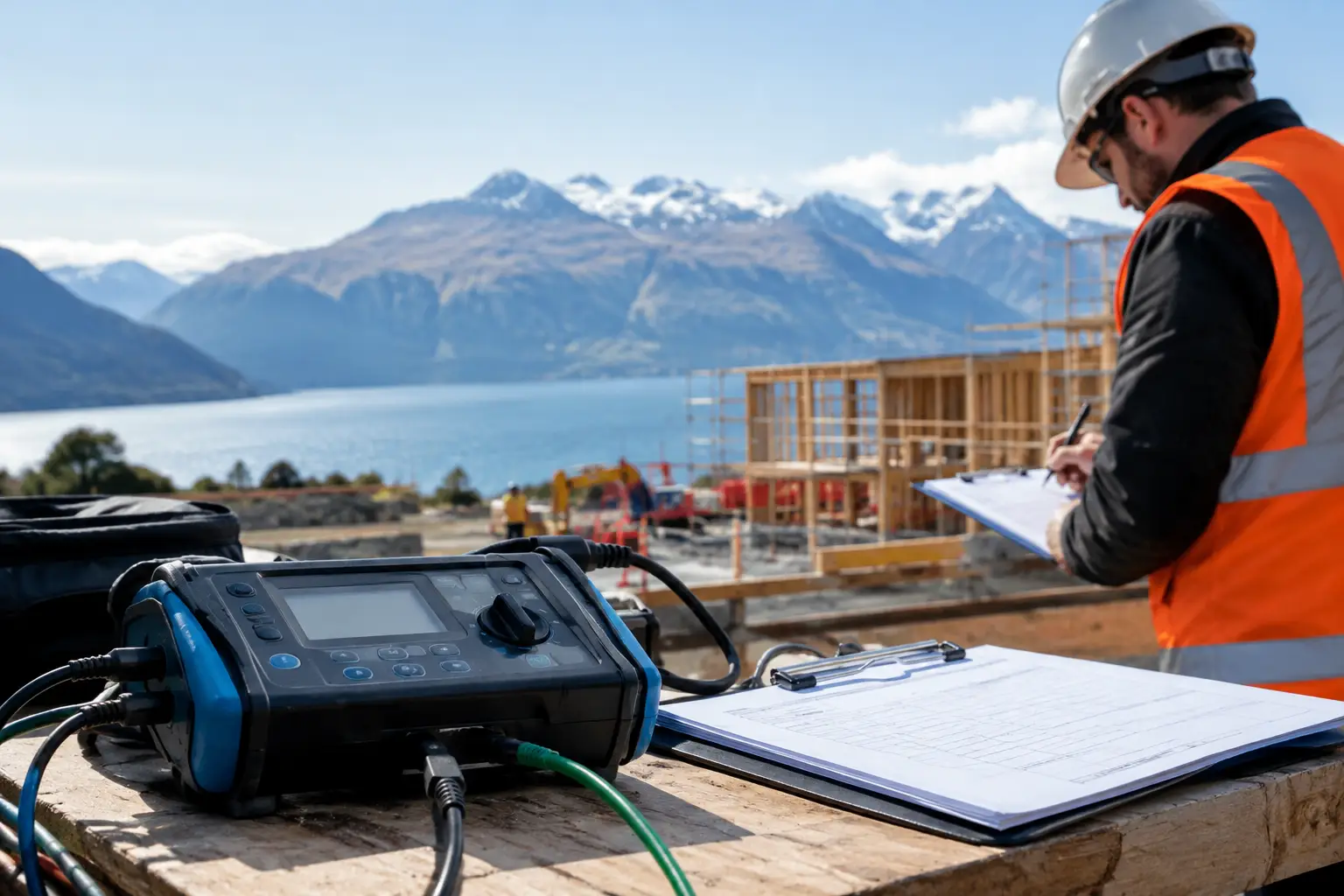
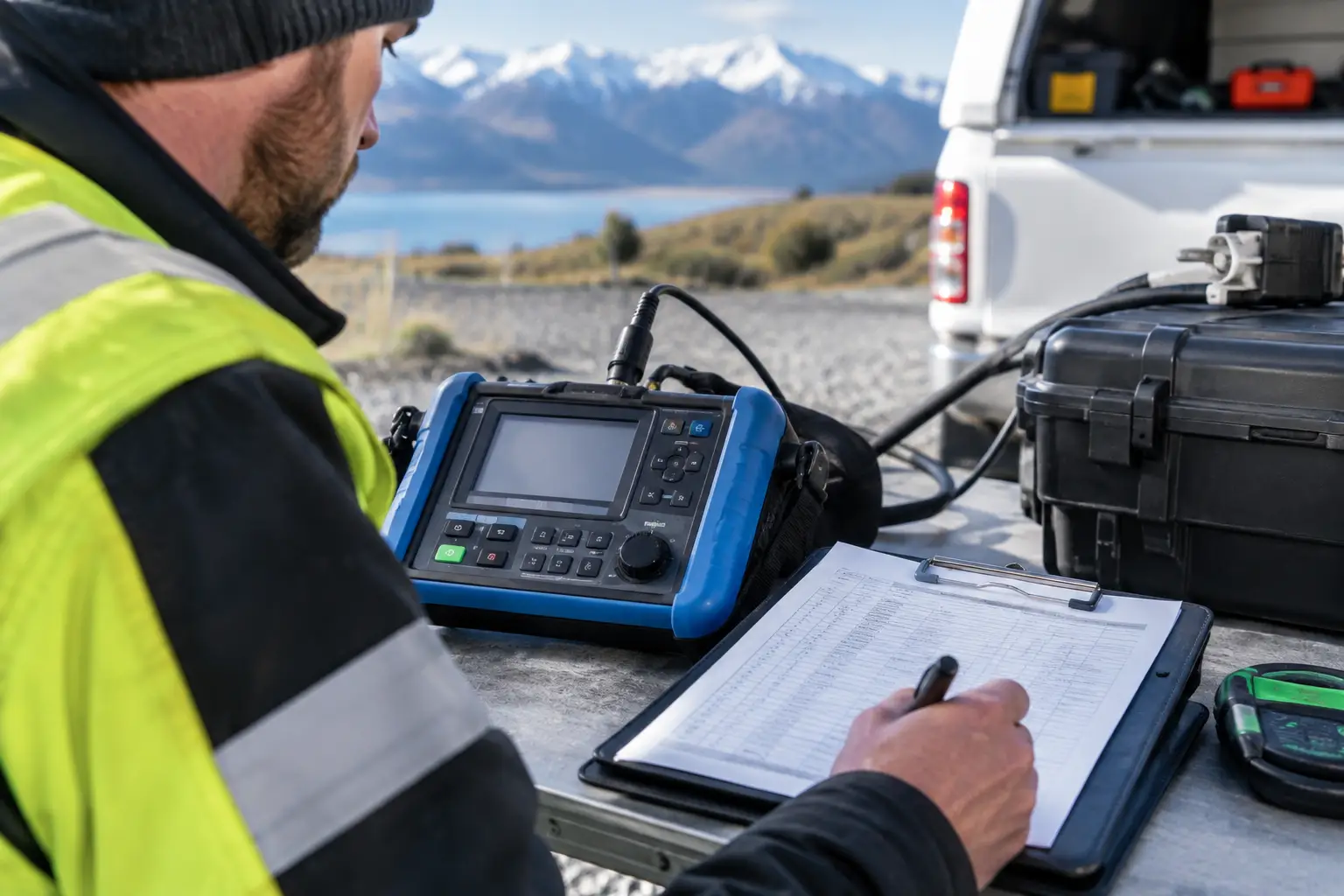
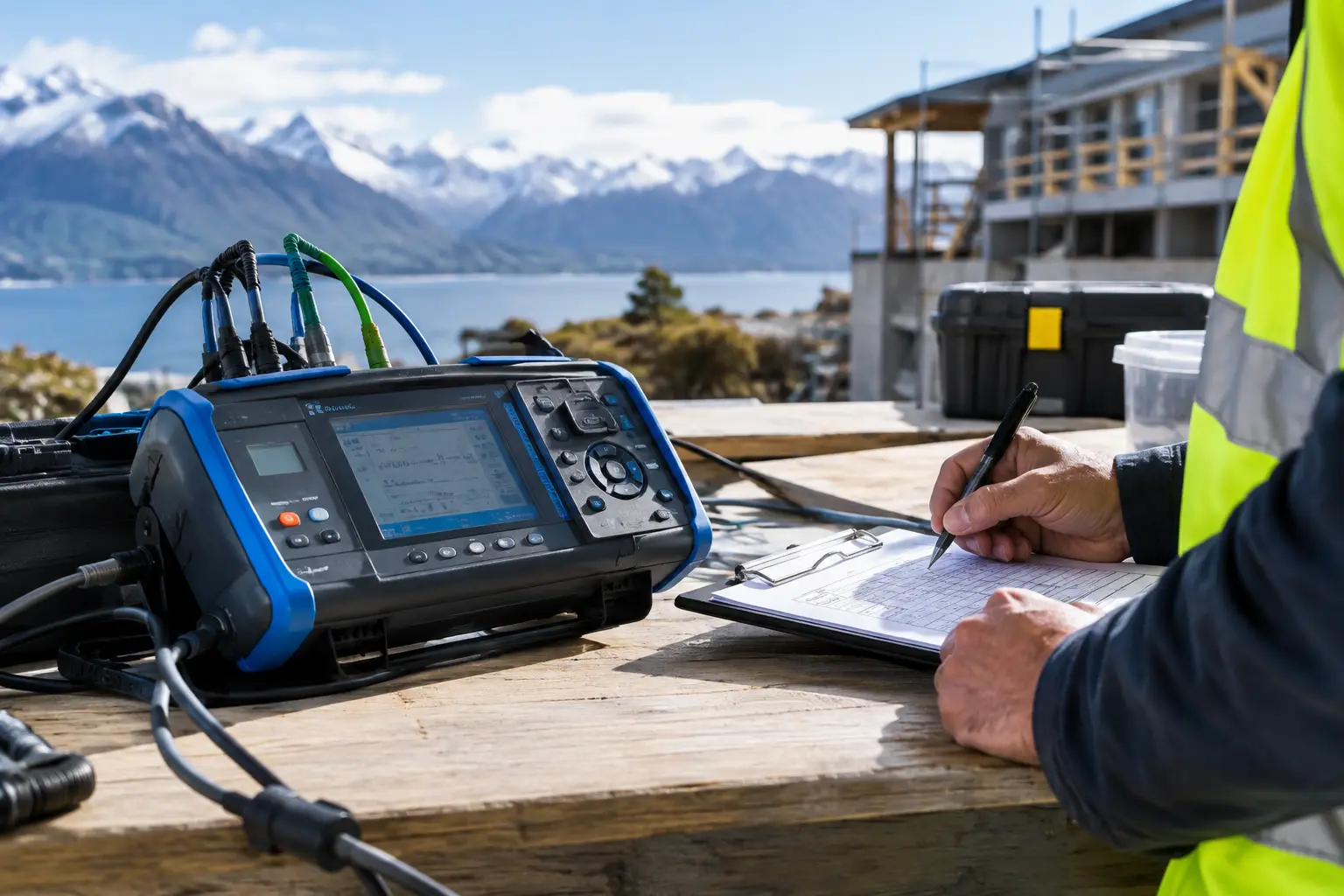
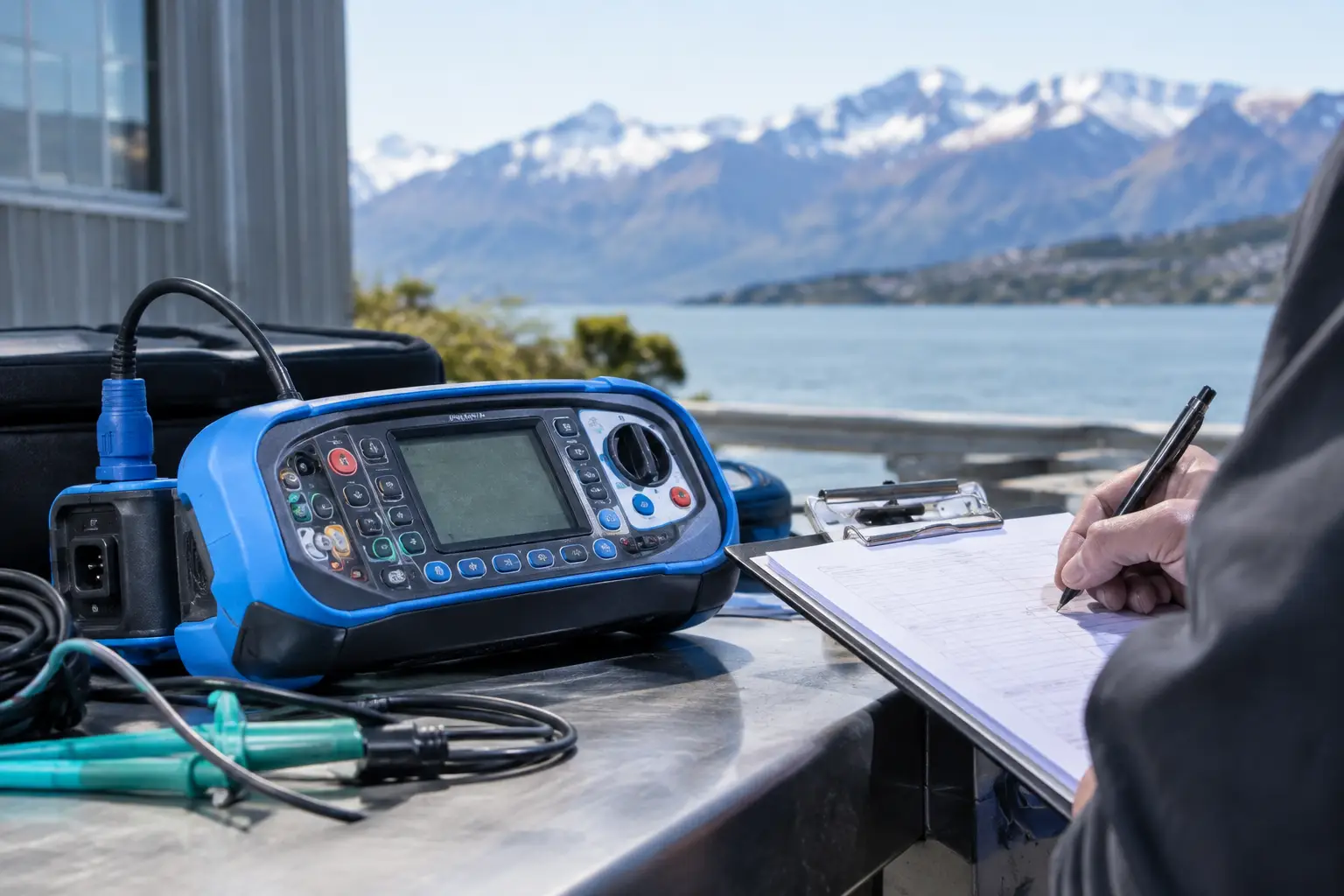
Testing and tagging supports this process by combining a visual inspection with electrical tests appropriate to the item. It helps identify faults that cannot always be seen from the outside, while the tag gives staff a clear indication of the equipment’s testing status.
Start with a proper visual check
A visual check is often the first opportunity to stop a fault from becoming a fire. Workers should look at equipment before use, particularly on construction, manufacturing and trade sites where leads and tools are subject to rough handling.
Look for split insulation, exposed conductors, crushed cables, loose plug pins, cracked casings, scorch marks, discolouration, damaged strain relief and signs of moisture. Pay attention to plugs and sockets that feel unusually warm, fit loosely or show browning around the contact points. Any item with visible damage should be removed from service immediately and clearly identified so it is not returned to use by another person.
Visual checks are not a substitute for formal testing, but they are a valuable daily control. They give workers permission to act early rather than assuming that a minor defect is someone else’s problem.
Avoid overloading and unsuitable lead arrangements
Overloaded sockets and power boards create heat, especially when high-load equipment is connected for long periods. A power board should not be treated as a permanent way to supply multiple high-demand appliances. Daisy-chaining one board or extension lead into another also increases the likelihood of overheating and damage.
The right arrangement depends on the equipment and the environment. An office may use a quality power board for low-load computer equipment, while a workshop, site shed or production area may need a more controlled approach based on the equipment’s power demand and operating conditions. Check the manufacturer’s load ratings and do not rely on a lead or board that is already worn, hot or visibly stressed.
Leads should also be routed away from vehicle paths, doorways, sharp edges, wet areas and places where they can be crushed or become a trip hazard. A cable that is repeatedly run under a door or across a busy floor can suffer internal damage even when the outer sheath looks acceptable.
Match inspection frequency to your workplace risk
There is no one testing interval that suits every business. AS/NZS 3760:2010 provides guidance for in-service safety inspection and testing of electrical equipment, but the appropriate frequency depends on the type of workplace, how equipment is used and the level of exposure to damage.
A portable tool used daily on a construction site has a very different risk profile to a printer in a low-risk office. Equipment used outdoors, in dusty workshops, in damp locations or in shared work areas may need more frequent checks. Conversely, a clean and controlled environment may support a longer interval, provided the risk assessment and inspection programme justify it.
A planned programme removes guesswork. It records the equipment on site, assigns appropriate retest dates and gives managers a reliable way to show that electrical risks are being actively managed. It also avoids the disruption of discovering overdue items just before a client audit, site induction or insurance review.
Keep an asset register that people can use
A tag alone is useful, but a complete asset register gives the business far better control. It should identify each item, its location or responsible area, test result, test date and next due date. Where equipment fails, the record should show that it was removed from service and dealt with through the business’s established process.
This documentation matters when equipment moves between sites or departments. It also makes it easier to identify patterns, such as one work area repeatedly damaging leads or a particular class of equipment failing more often than expected. Those patterns can guide better storage, handling and purchasing decisions.
For busy site managers, the best register is not the most complicated one. It is the one that is current, accessible and supported by reminders before testing is due. Phase Test and Tag provides asset-management documentation and proactive due-date reminders to help make this responsibility manageable.
Use thermal imaging to find heat before failure
Some electrical fire risks are hidden inside connections and equipment. Thermal imaging helps identify abnormal heat patterns that may indicate a loose connection, excessive load, component deterioration or an emerging fault. It is particularly useful where equipment operates under load and a visual inspection alone cannot reveal what is happening.
A thermal image does not automatically mean there is a dangerous fault. Temperature can vary with load, ambient conditions and the design of the equipment. The value comes from a qualified assessment that compares what is seen with the operating context and identifies whether further action is needed.
For industrial and commercial sites, thermal imaging can also support preventative maintenance planning. Finding a developing hotspot early may prevent an unplanned shutdown, damage to critical equipment or a fire incident that affects the wider operation.
Give workers simple rules for everyday electrical safety
Even a well-managed testing programme needs workers to make sound decisions between inspections. Clear, short instructions are more likely to be followed than a lengthy policy sitting in a folder.
Staff should know not to use damaged equipment, overload power boards, run leads through water, cover chargers or appliances that generate heat, or use equipment with a missing or illegible test tag where site rules require current testing. They should also know who to tell when they find a fault and where failed equipment should be placed so it cannot accidentally return to service.
Storage is part of the picture. Coiling leads carefully, keeping equipment dry, protecting it during transport and avoiding heavy items being placed on cables all extend service life. In high-turnover environments, a simple pre-start check can prevent a damaged item from being used at the beginning of a shift.
Respond quickly when warning signs appear
Electrical equipment rarely becomes unsafe without leaving clues. Flickering operation, a burning smell, intermittent power, repeated tripping, buzzing, excessive heat or visible arcing are all reasons to stop using the item. Do not continue operating equipment simply because it still appears to work.
Isolate the item where it is safe to do so, prevent access to it and report the issue promptly. This response protects the next person who might otherwise pick up the same lead, charger or appliance without knowing there is a problem.
Regular testing, sensible use and accurate records work best as one system. When workers can report faults confidently and managers have a clear inspection schedule, electrical fire prevention becomes part of normal site control rather than a last-minute compliance scramble.
A safer workplace often starts with a straightforward question asked before the next shift: is every lead, appliance and connection being used in a condition you would be comfortable putting your name to?