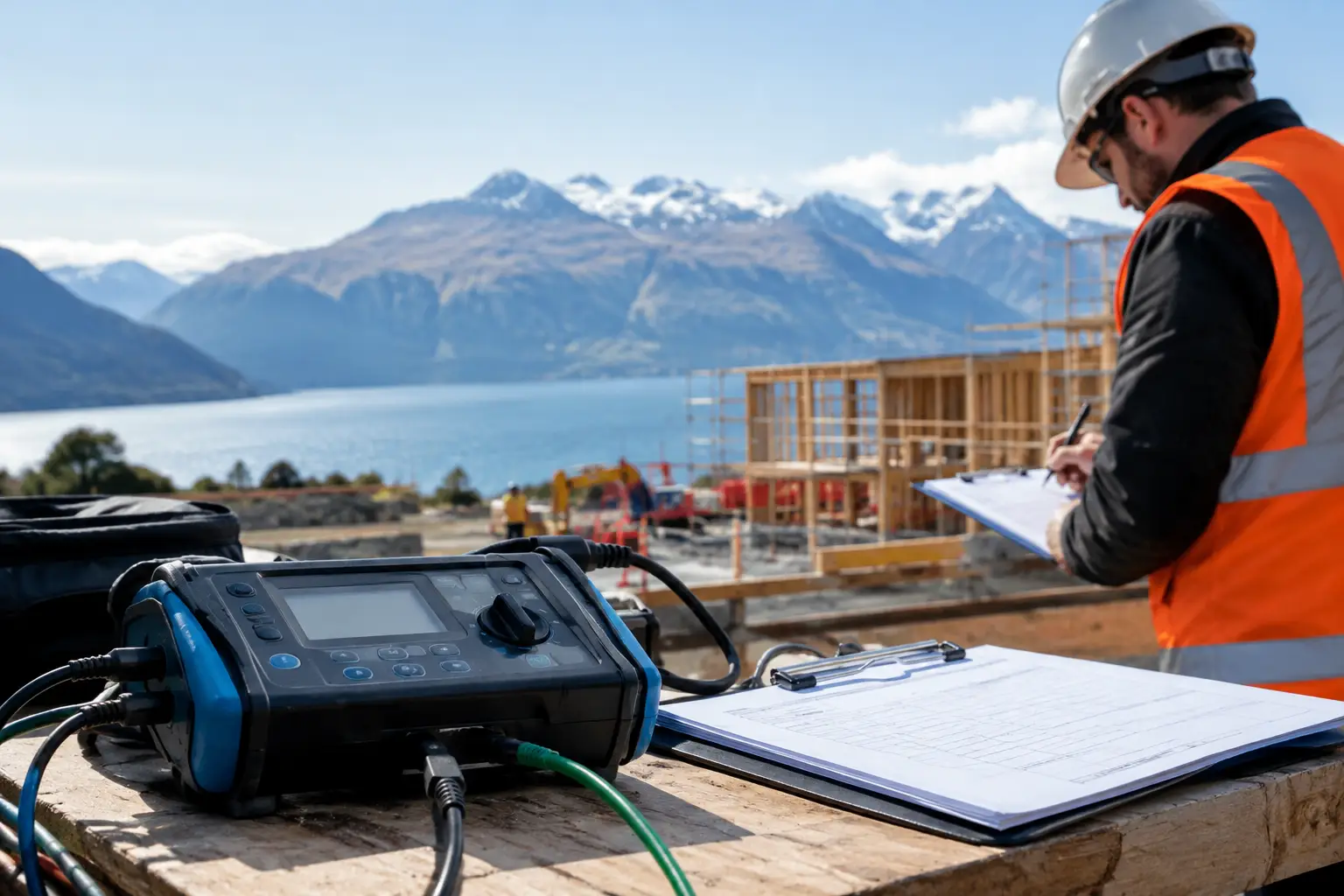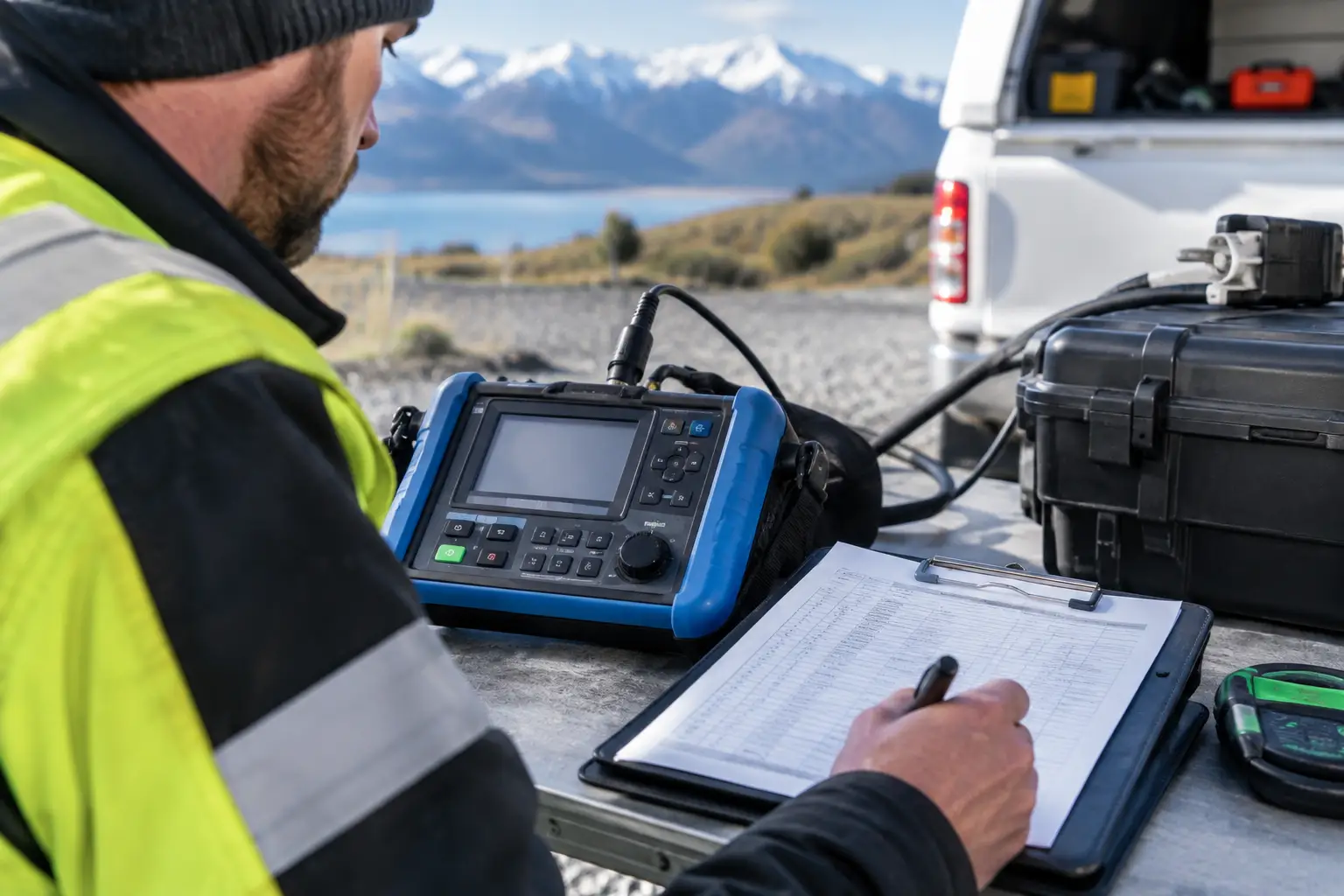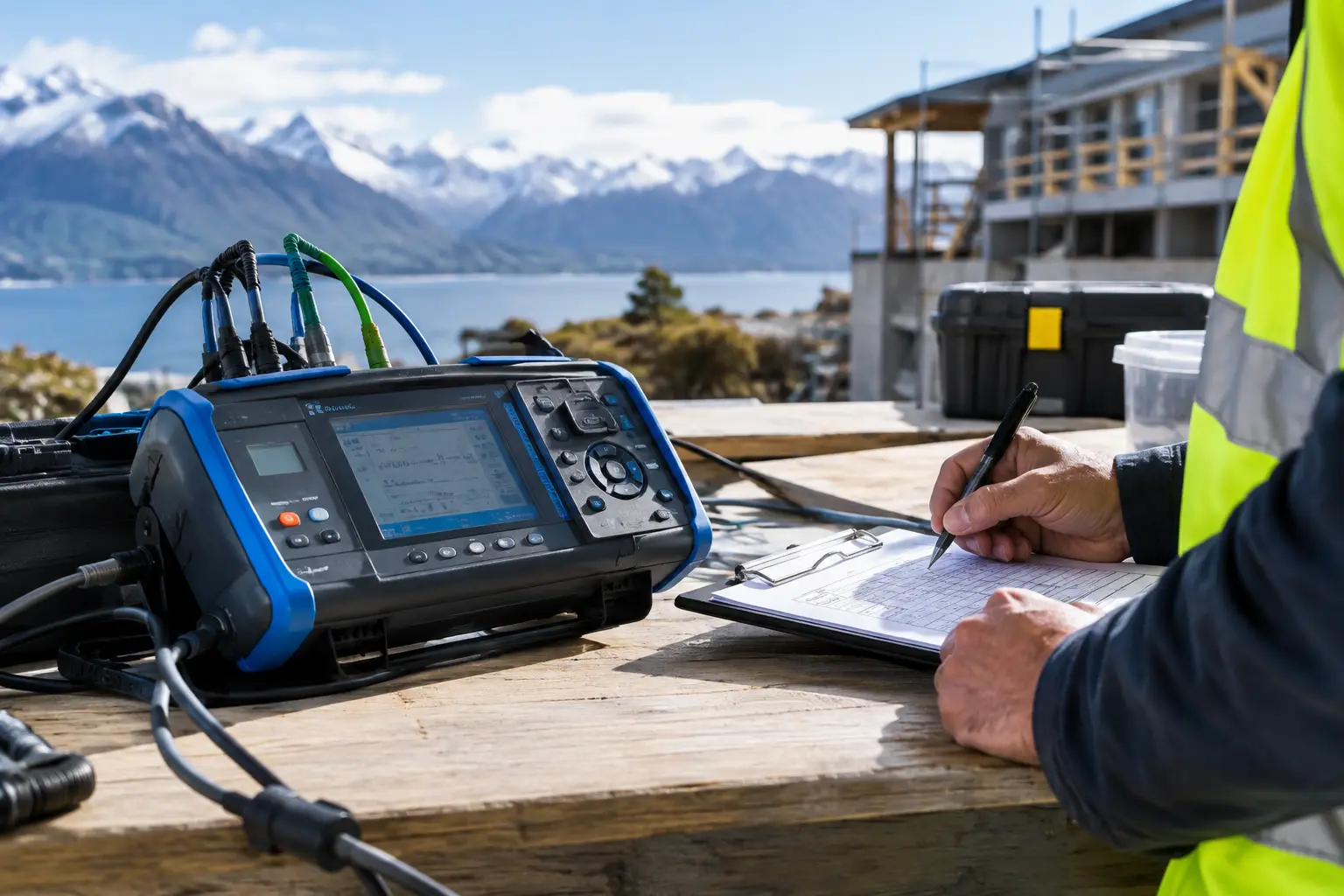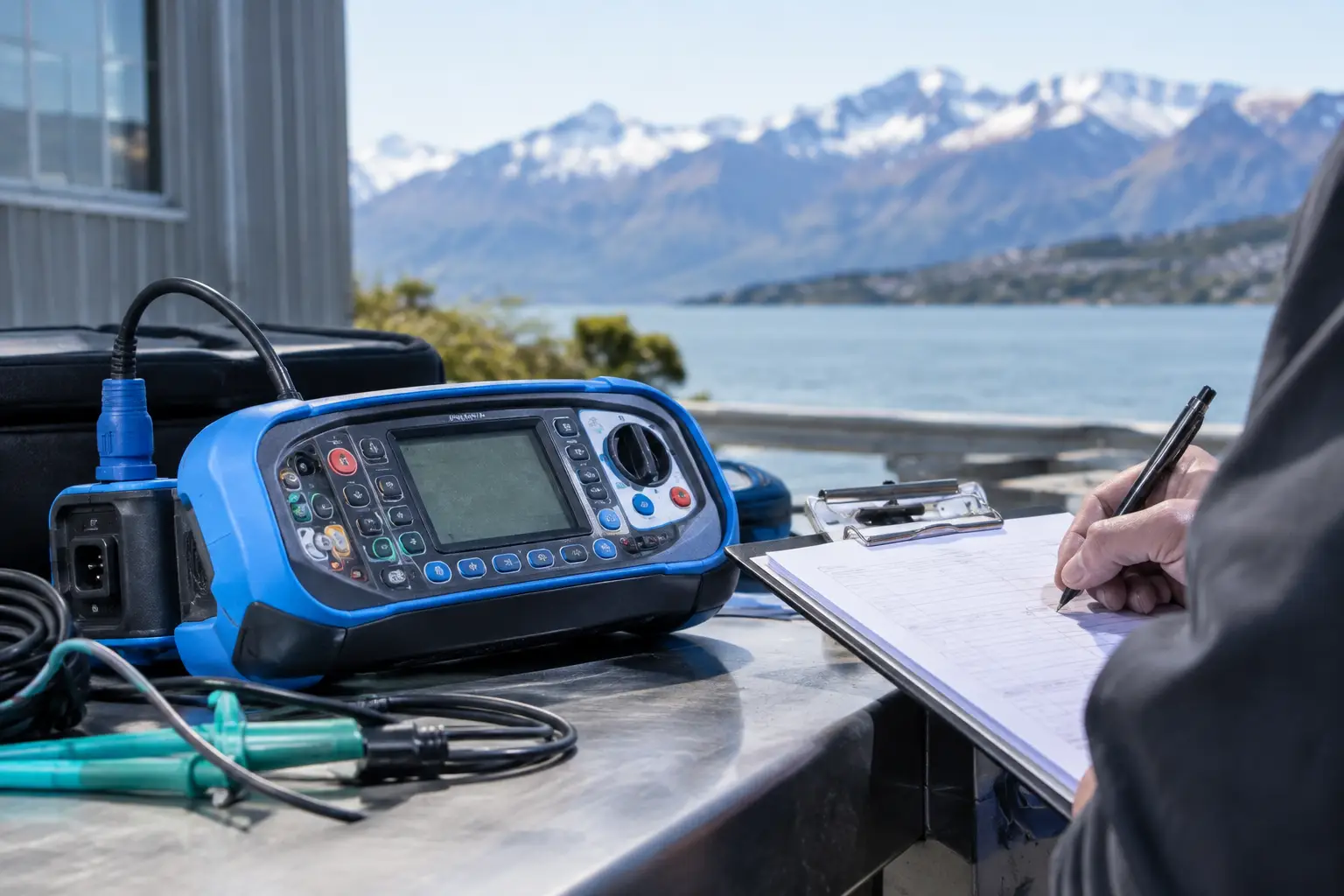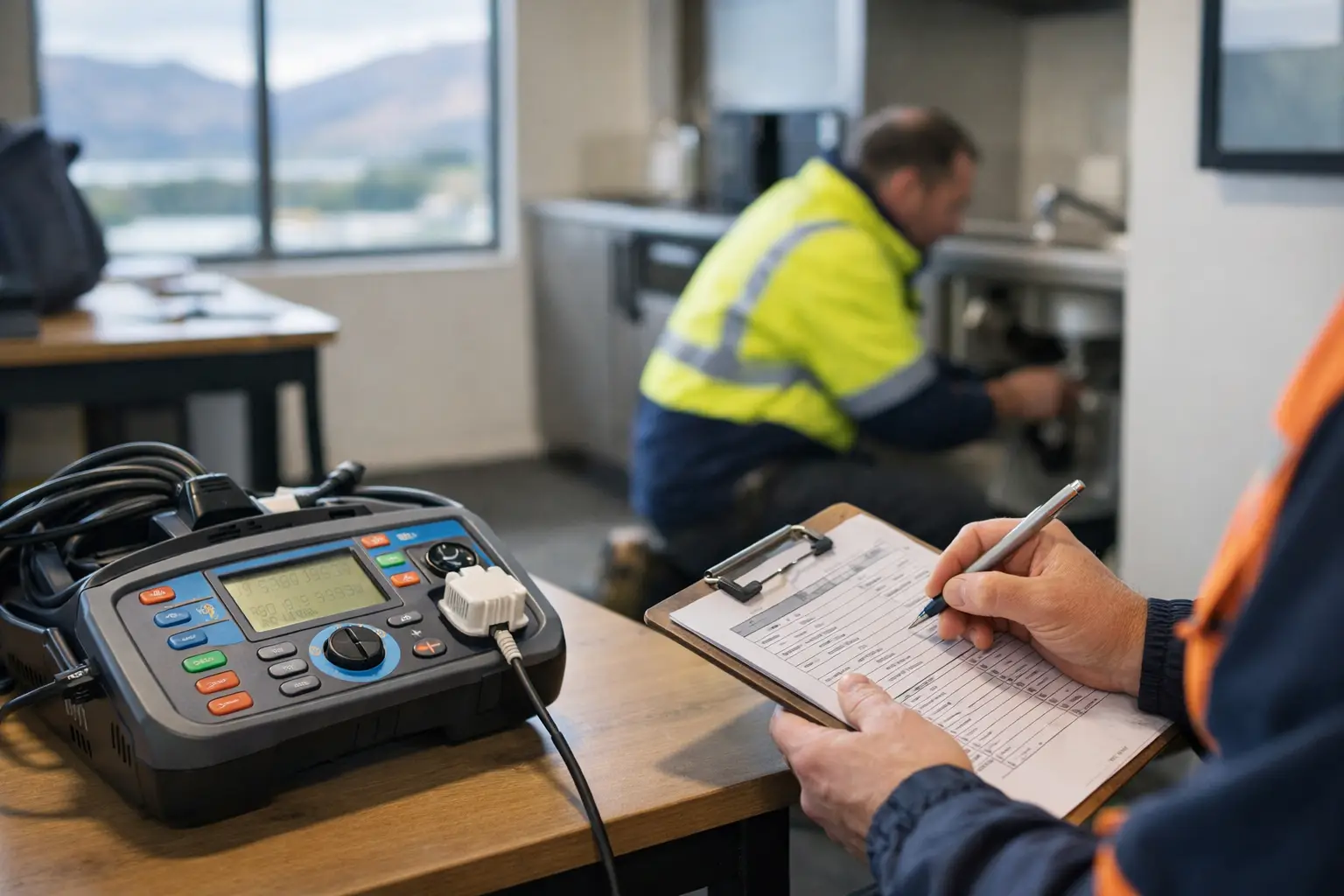
A failed extension lead on a busy worksite rarely arrives at a convenient time. It can stop a crew, hold up a delivery, create a safety concern and leave someone searching for replacement equipment. The choice between planned testing versus reactive repairs is therefore not just a maintenance decision. It affects how confidently a business can keep people safe, equipment available and compliance records in order.
Reactive action has a place. Equipment that is damaged, overheating, giving a shock, tripping protection or otherwise behaving unusually must be removed from service immediately and assessed. But waiting for visible damage or a breakdown is not a reliable safety system. Many electrical faults develop out of sight, through wear, moisture, rough handling, overloaded use or deteriorating internal components.
For businesses across Christchurch and the South Island, planned electrical testing gives those risks a regular point of control rather than leaving them to chance.
Why reactive repairs cost more than the repair
The direct cost of replacing a faulty lead or appliance may be modest. The wider cost is often not. When equipment fails during a shift, supervisors need to identify what has happened, find safe alternatives, record the incident and rearrange work. On a construction, manufacturing or trade site, even one unavailable item can affect several people.
There is also the question of exposure. A damaged plug, crushed cable or faulty portable appliance can create a risk before it fails completely. If the issue is only found after an incident, the business may need to explain why the equipment remained in service and whether reasonable inspection and testing arrangements were in place.
Reactive repairs can look cheaper because they postpone spending. In practice, they make costs unpredictable. Planned testing turns an uncertain stream of faults, interruptions and last-minute decisions into a scheduled activity with documented outcomes.
What planned testing actually does
Planned portable appliance testing and tagging combines visual inspection with electrical testing appropriate to the equipment. It helps identify faults that are obvious, such as damaged leads, loose plugs and cracked casings, as well as faults that may not be visible during ordinary use.
The process also creates a useful record. Each item can be identified in an asset register, with its test result and next due date recorded. This makes it easier for site managers and health and safety teams to show what equipment is on site, what has been checked and what requires follow-up.
Under AS/NZS 3760:2010, the appropriate frequency of inspection and testing depends on the environment and how equipment is used. A lead exposed to dust, movement, weather and hard daily use on a construction site does not carry the same risk as a printer in a low-risk office. A planned programme should reflect that difference rather than applying a single interval to every item.
Testing is not a one-off compliance exercise
Tags are useful visual indicators, but they are only one part of the system. A tag does not replace daily care by workers, prompt removal of damaged equipment or sensible storage and handling. It records that an item passed at a particular point in time.
The strongest approach combines routine user checks with scheduled professional testing, clear records and a process for isolating faulty equipment. That approach is practical because it gives everyone a defined role. Workers report concerns, managers keep unsuitable items out of circulation, and testing records support planned future action.
Planned testing versus reactive repairs: the operational difference
The key difference is timing. Reactive repairs start after a fault is noticed or a failure occurs. Planned testing looks for developing issues before equipment becomes a disruption or safety event.
This does not mean planned testing will prevent every failure. Equipment can be dropped, exposed to water or damaged between testing dates. It does mean the business has a structured way to reduce avoidable risk and detect problems that might otherwise remain unnoticed.
For a busy contractor, this can mean fewer surprises when tools are needed at the start of a job. For a facility manager, it can mean a clearer asset register and less time chasing paperwork before an audit, client request or insurance review. For an office, it may mean managing a large number of lower-risk items without allowing forgotten chargers, leads and kitchen appliances to become an unmanaged issue.
Planned work can also be arranged around operations. Testing outside peak hours, by area or alongside scheduled site access can reduce interruption. This is a very different experience from trying to deal with failed equipment in the middle of a deadline.
Thermal imaging adds another layer of prevention
Portable appliance testing is designed for portable electrical equipment. Thermal imaging provides a different type of insight by identifying abnormal heat patterns that may indicate developing faults, loose connections, overloaded components or energy loss in electrical assets.
Heat is often an early warning sign. A component may continue operating while running hotter than it should, which can lead to reduced performance, deterioration or eventual failure. Thermal imaging allows businesses to investigate unusual hotspots before they become a more serious operational or safety issue.
It is especially useful where continuity matters and where an unexpected shutdown would be costly. Manufacturing environments, commercial premises and industrial sites may benefit from thermal imaging as part of a broader preventative maintenance plan. The value is not in collecting images for their own sake. It is in receiving clear findings that help a site prioritise action.
Choosing an interval that matches the site
There is no sensible universal answer to how often every item should be tested. The right interval depends on the environment, equipment type, frequency of use and likelihood of damage. Higher-risk settings generally need more frequent inspection and testing than controlled, low-risk office environments.
Consider how equipment is treated in real conditions, not how it is meant to be treated. Is it moved between jobs? Used outdoors? Shared by multiple workers? Stored in a ute or exposed to dust and moisture? Does it have a lead that is regularly pulled, bent or run across accessways? These details affect risk and should inform the testing schedule.
A useful programme also accounts for site changes. A business may have office equipment, workshop equipment and temporary site equipment, each requiring a different approach. Keeping all items on one arbitrary cycle may be easy administratively, but it can lead to unnecessary testing in one area and insufficient attention in another.
Documentation should reduce the admin burden
Good compliance documentation should answer practical questions quickly: what equipment do we have, where is it, when was it tested, did it pass and when is it due again? When records are complete and easy to access, managers are not left reconstructing a history from paper tags and scattered spreadsheets.
Proactive reminders are equally valuable. They stop testing dates becoming another task that sits unnoticed until a customer, principal contractor or auditor asks for evidence. A regular service partner should make compliance easier to manage, not create more follow-up work for your team.
When reactive action is still necessary
Preventative testing does not give equipment permission to remain in use when it looks damaged or behaves differently. If a lead is cut, a casing is cracked, a plug is loose, an appliance smells hot or equipment repeatedly trips protection, remove it from service straight away. Do not wait for the next scheduled test.
This is where planned and reactive processes work together. Planned testing lowers the chance of hidden or developing faults remaining in service. Responsive action deals with new damage when it occurs. One is not a replacement for the other, but relying only on reaction leaves too much to luck.
A practical way to take control
Start by reviewing the equipment your team actually uses, including leads, power boards, chargers, tools, kitchen appliances and three-phase items where relevant. Identify higher-risk areas and make sure there is a simple process for reporting and isolating damaged equipment. Then set a testing schedule that reflects the conditions on your sites and keeps the resulting asset register current.
Phase Test and Tag can help South Island businesses put that routine in place with qualified testing, clear reporting, asset documentation and reminders for upcoming due dates, without call-out fees. The aim is straightforward: fewer unknowns, less disruption and a clearer record of the steps your business is taking to protect its people.
The best time to find an electrical fault is when the workday can continue without it.