A faulty laptop charger tucked beneath a desk can be as much of a workplace risk as a damaged extension lead on a construction site. The difference is often exposure: office equipment is less likely to be knocked about, wet, crushed or used outdoors, but it still needs to be managed. Understanding office equipment testing requirements helps businesses protect staff, keep records in order and deal with faults before they interrupt a working day.
What office equipment testing requirements involve
For most workplaces, electrical compliance is not simply a matter of putting a tag on every appliance. It is a process of identifying equipment, inspecting its condition, electrically testing it where required, recording the result and removing unsafe items from service.
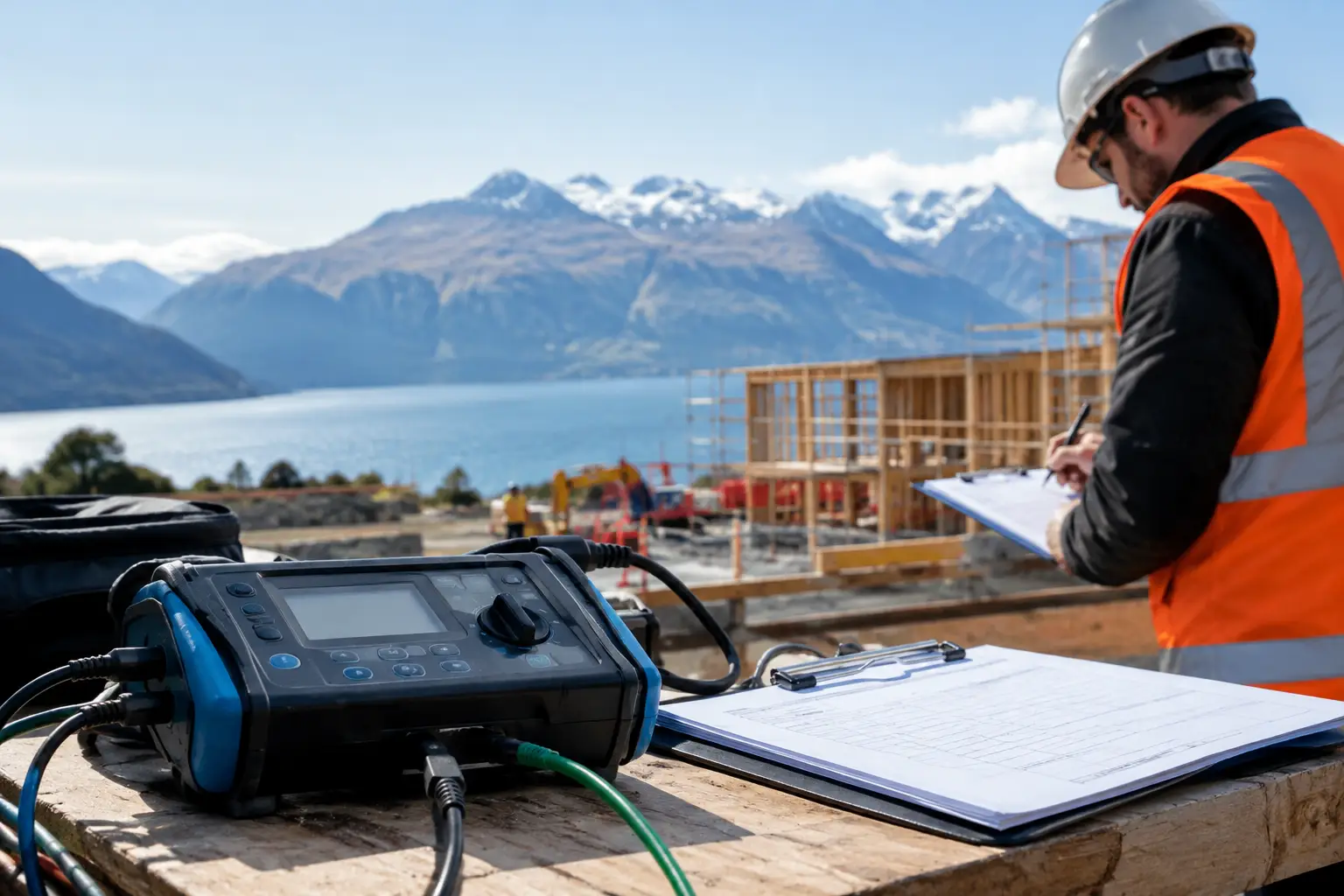
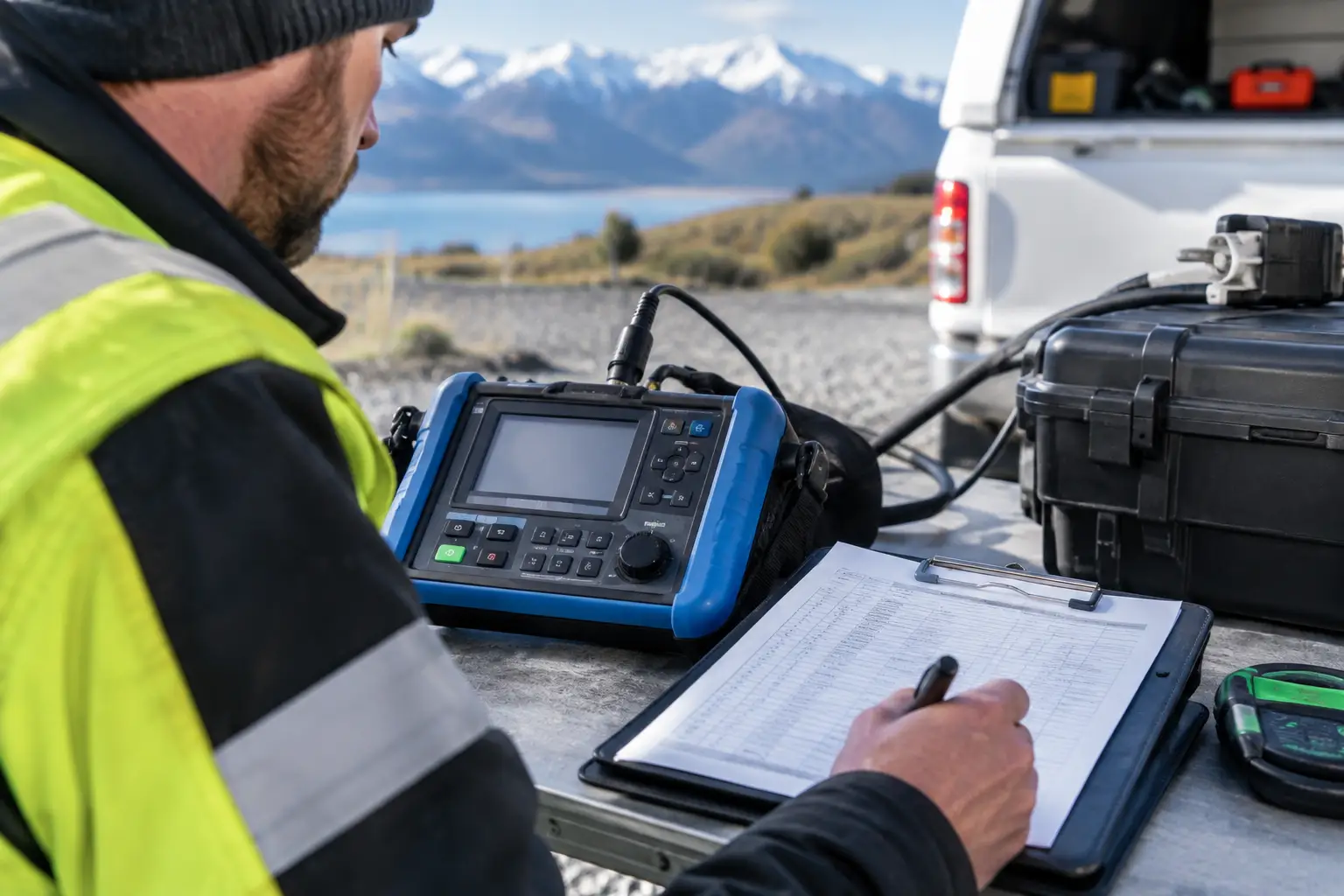
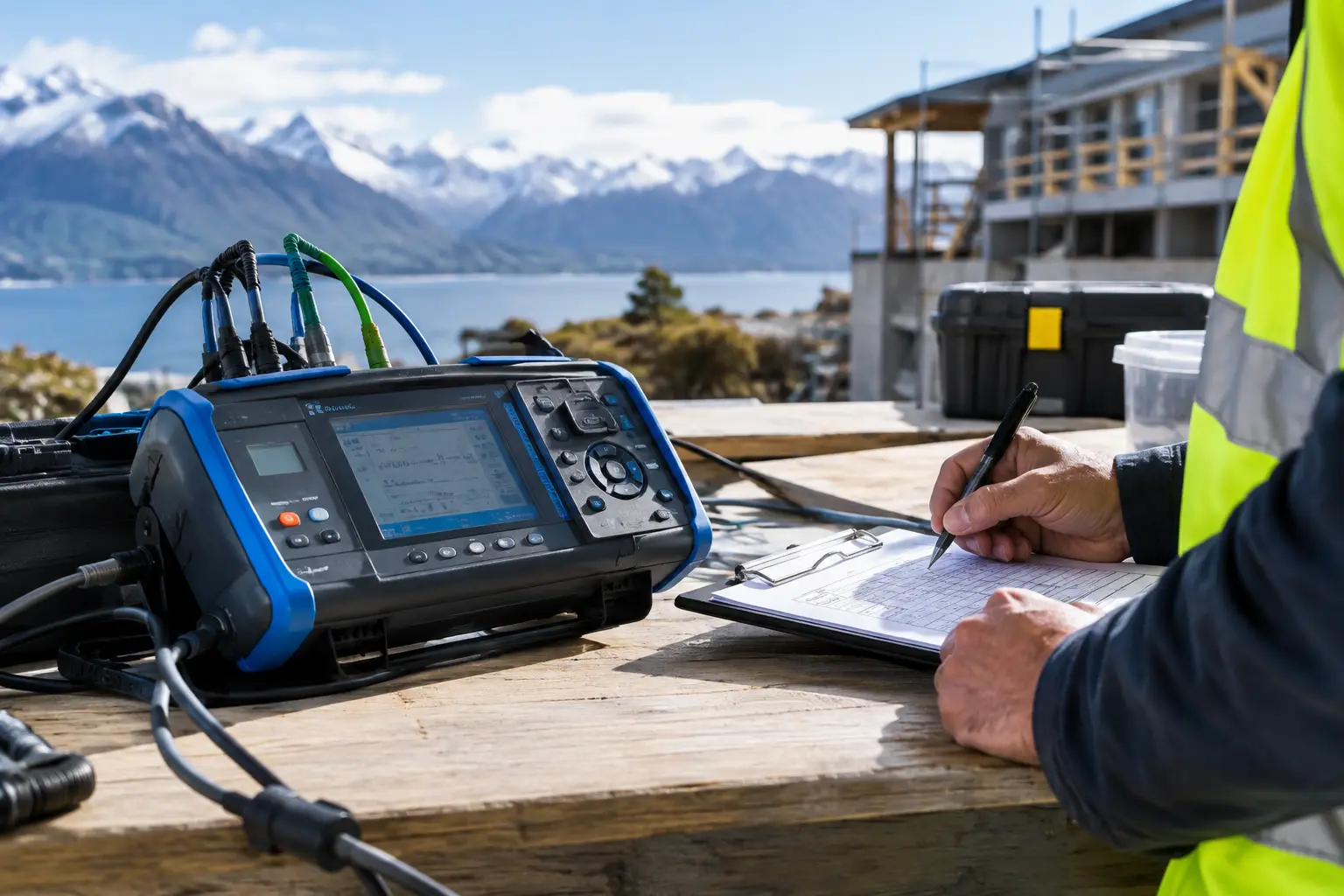
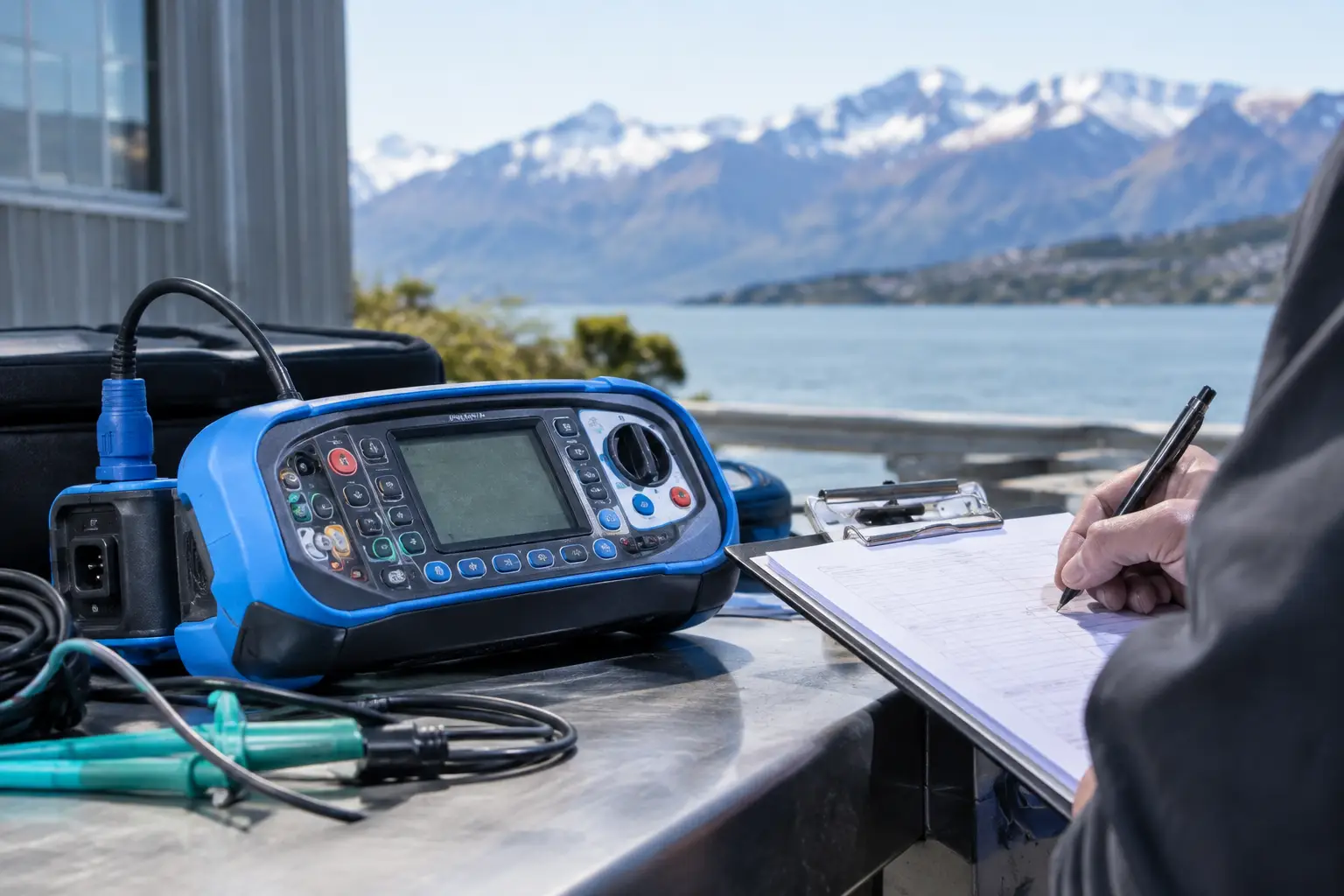
Portable appliance testing and tagging is commonly carried out in line with AS/NZS 3760:2010, the standard for in-service safety inspection and testing of electrical equipment. The standard provides a practical framework for assessing portable and movable electrical equipment, including the leads and plug tops that are often the first parts to show damage.
A compliant programme generally starts with an asset register. This should identify each item, its location or owner, its test date, next due date and result. A visible tag is useful for staff and site visitors, but the register is the stronger administrative record. It shows that equipment has been assessed and gives a manager a clear view of what is due next.
The standard itself is not a substitute for a business’s wider health and safety duties. WorkSafe expectations, client requirements, insurance conditions and site rules may all affect what is needed. For that reason, the right testing programme depends on the equipment and the environment where it is used, rather than applying one date to every item in the business.
Which office equipment should be checked?
The starting point is equipment that plugs into a standard power outlet and can be moved, even if it usually stays in one place. In a typical office this includes computers, monitors, docking stations, printers, scanners, shredders, desk lamps, mobile chargers, kitchen appliances and portable heaters. Extension leads, multi-boxes and power boards deserve particular attention because they may supply several items at once and are more exposed to strain, overloading and damage.
Some equipment may be overlooked because it is new, rarely moved or supplied by an employee. New equipment still needs an initial visual check before use, while personally owned chargers and appliances can create uncertainty unless the workplace has a clear policy. If staff bring equipment into the office, decide whether it must be inspected before connection to workplace power.
Fixed equipment is treated differently from portable equipment. A hard-wired air-conditioning unit, for example, is not normally managed through the same portable appliance testing routine. It should still be maintained by an appropriately qualified person. The key question is not whether an item has a tag, but whether its electrical risk is being properly controlled.
Visual inspection comes first
A thorough visual inspection can identify many faults before a tester is connected. Cracked plug tops, loose pins, exposed inner wiring, taped repairs, frayed leads, scorch marks and damaged power boards all require action. Equipment with a damaged lead should be taken out of service immediately, not left on a desk for someone else to use.
Electrical testing then checks safety characteristics that cannot be confirmed by sight alone. Depending on the equipment type, this may include earth continuity, insulation resistance and polarity checks. The test method must suit the appliance. Sensitive electronic equipment, for instance, may need an appropriate low-voltage or alternative test method to avoid damage while still verifying safety.
How often should office equipment be tested?
Testing frequency is based on risk. A quiet, well-managed office usually has a lower risk profile than a workshop, commercial kitchen, construction site or outdoor trade environment. Equipment that stays on a desk, is used carefully and is protected from moisture will generally need less frequent formal testing than equipment carried between sites or connected through temporary leads.
AS/NZS 3760:2010 sets recommended inspection and testing intervals for different environments and equipment categories. In a low-risk office setting, many portable and movable items may be tested at longer intervals, often up to five years. Equipment in a higher-risk area, or items that are hired, frequently moved, used by the public or exposed to rough conditions, can require much more frequent checks.
That does not mean an office can ignore equipment for years. Staff should be encouraged to carry out a simple visual check before use and report anything unusual, such as a hot plug, intermittent power, a buzzing power board or a damaged lead. A formal test interval is a planned inspection point, not a guarantee that an appliance will remain safe until that date.
Mixed workplaces need a tailored schedule. A business may have administration staff in a clean office, tradespeople using tools in a workshop and project staff travelling with chargers and extension leads. Treating all of those assets as one category creates either unnecessary cost or unacceptable gaps in control. A good register can assign different retest dates based on actual use and location.
What a practical testing programme looks like
A testing visit should make compliance easier, not create more work for your team. Before testing begins, it helps to identify the areas to be covered, arrange access to desks and storage rooms, and advise staff that equipment may need to be briefly disconnected. For a larger office, testing can often be planned around quieter periods to limit disruption.
Each applicable asset is visually inspected, electrically tested and labelled with its status and next test date. Passed items are added or updated in the register. Failed equipment should be clearly identified and removed from use until it is repaired, replaced or assessed again. The report should make failures easy to understand, rather than leaving a manager to interpret technical readings.
Keep the completed register with your health and safety records and make it available when requested by clients, principal contractors or auditors. It is also sensible to keep a process for new equipment, equipment transferred between sites and items repaired after a failure. Without these steps, an asset register can quickly fall behind what is actually in use.
Power boards and leads need closer attention
Office fires and shocks are not always caused by the appliance itself. Damaged extension leads, overloaded multi-boxes and power boards connected in series are common avoidable problems. A power board should be suitable for the load, have adequate protection and be used as intended, not treated as a permanent substitute for sufficient fixed outlets.
Avoid running leads beneath mats or through doorways where they can be crushed or become a trip hazard. Do not use double adaptors to extend capacity, and do not connect one power board into another. If a work area repeatedly needs more outlets, the safer solution may be a properly installed fixed outlet rather than another temporary lead.
Where thermal imaging adds value
Portable appliance testing checks the electrical safety of individual items, while thermal imaging looks for excessive heat in electrical systems under load. It can be useful for switchboards, distribution equipment and connections where loose terminations, overloaded circuits or deteriorating components may create hotspots before there is visible damage.
For offices with server equipment, busy kitchen areas, workshops or ageing electrical infrastructure, thermal imaging can complement routine testing. It is preventative maintenance, not a replacement for test and tag. Used together, the two services provide a broader view of electrical risk across the site.
Getting the records and advice you need
The best approach is one that reflects how your workplace actually operates. A qualified testing provider can help classify equipment, set sensible intervals and maintain a usable asset register, while giving clear advice when something fails. Phase Test and Tag supports South Island businesses with scheduled testing, reporting and proactive reminders, so upcoming compliance dates do not become another item for a busy manager to chase.
Electrical safety is easiest to manage when it becomes part of normal workplace upkeep. Start with an accurate asset list, give staff a simple way to report damage and set testing dates that match the real risks on your site.