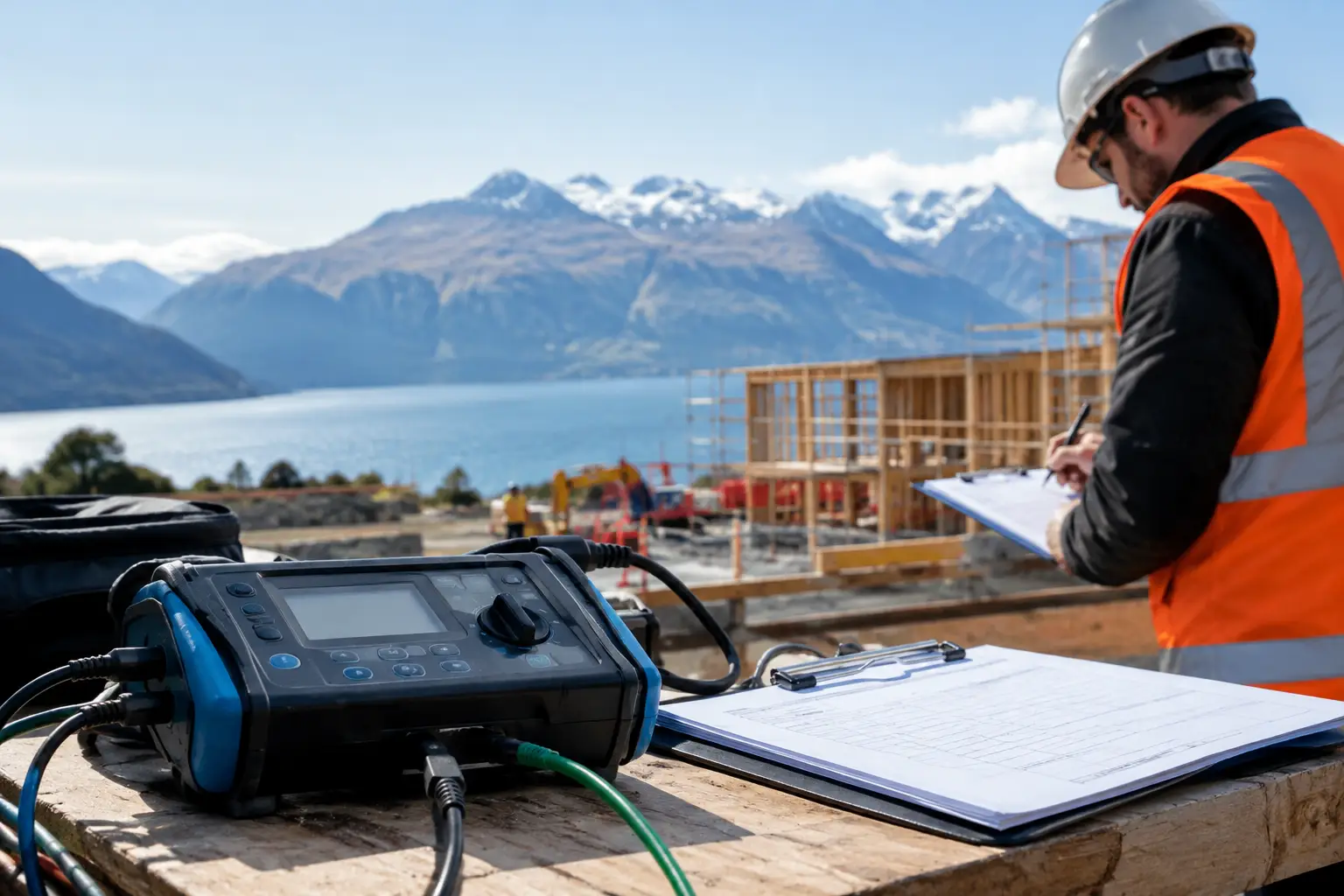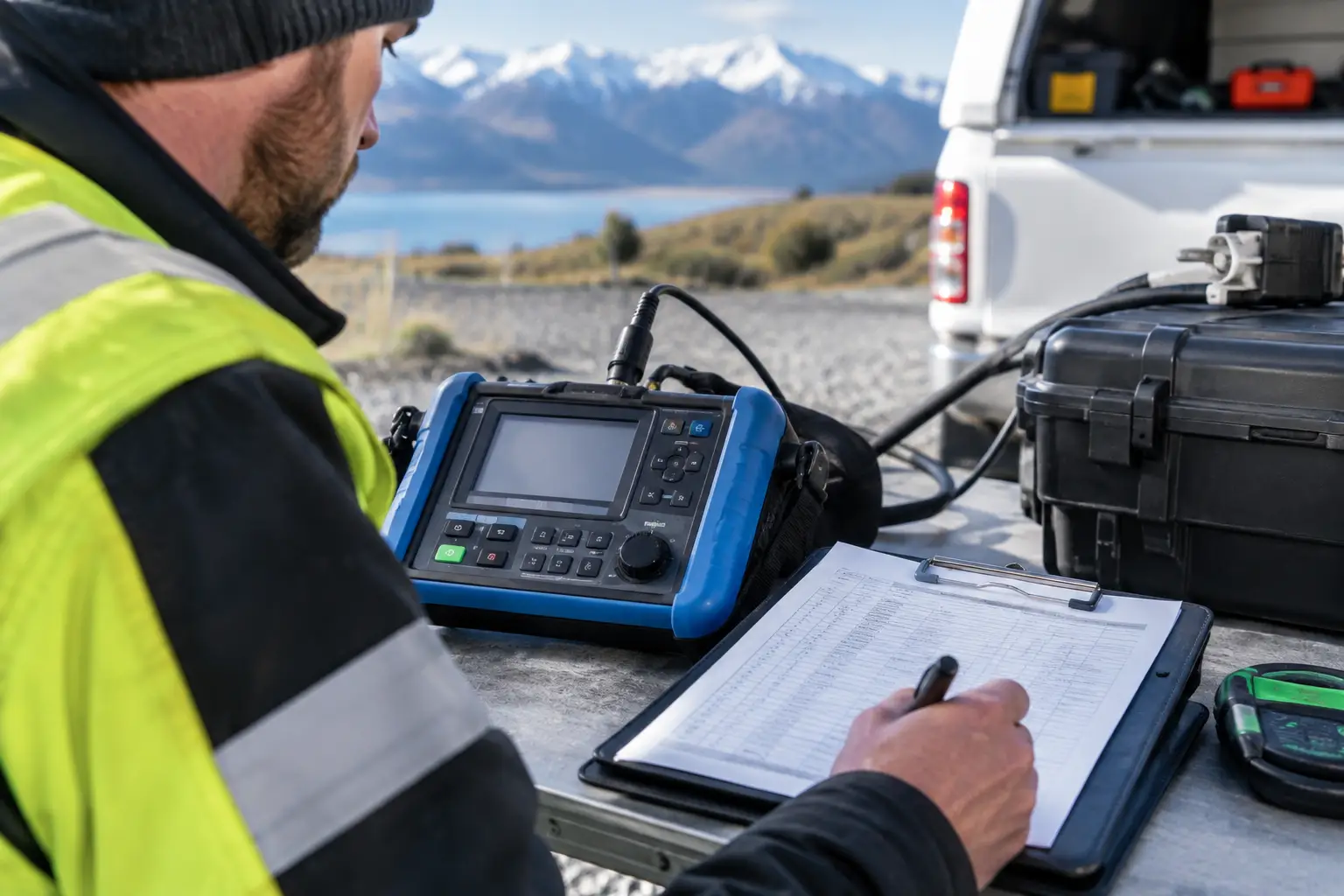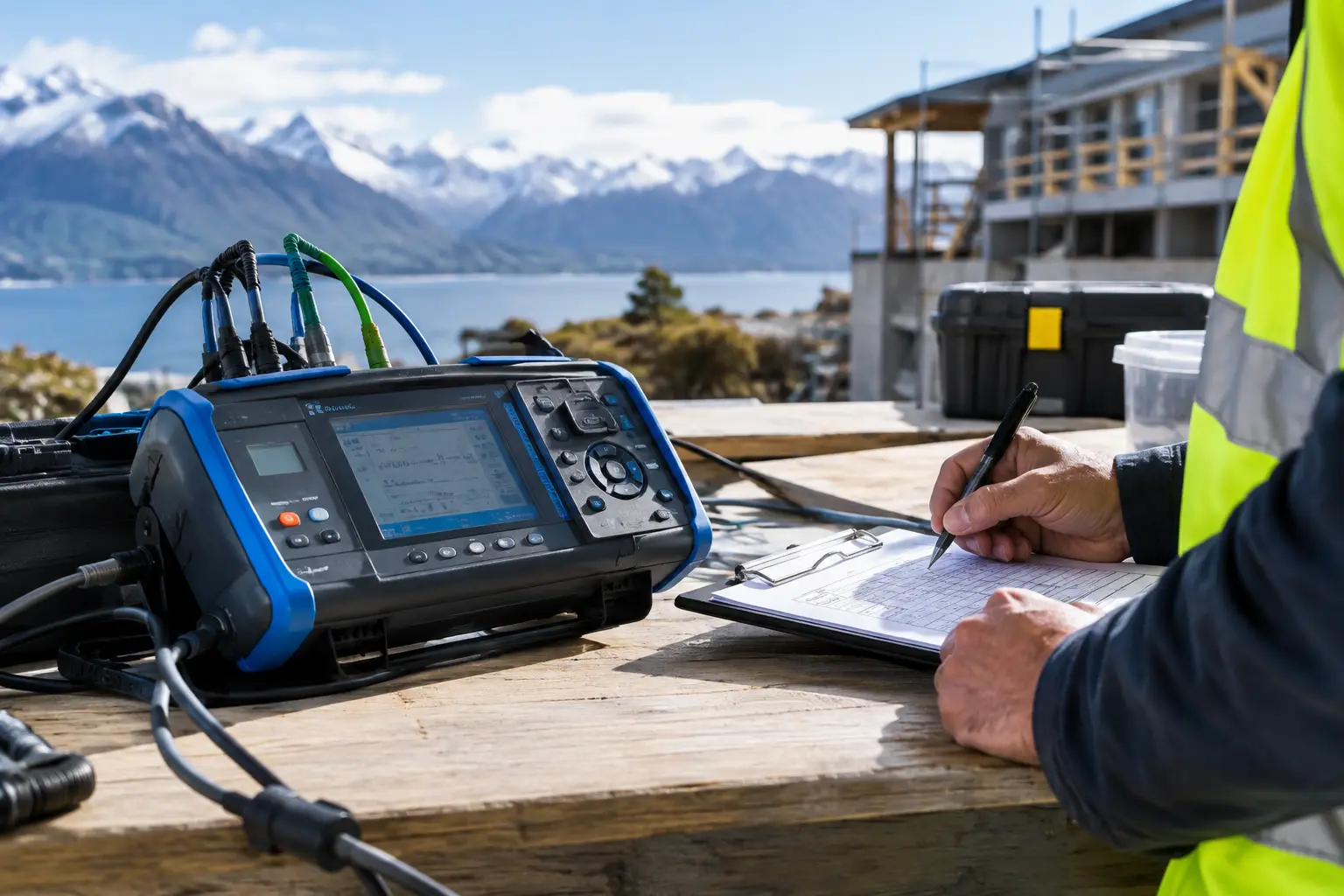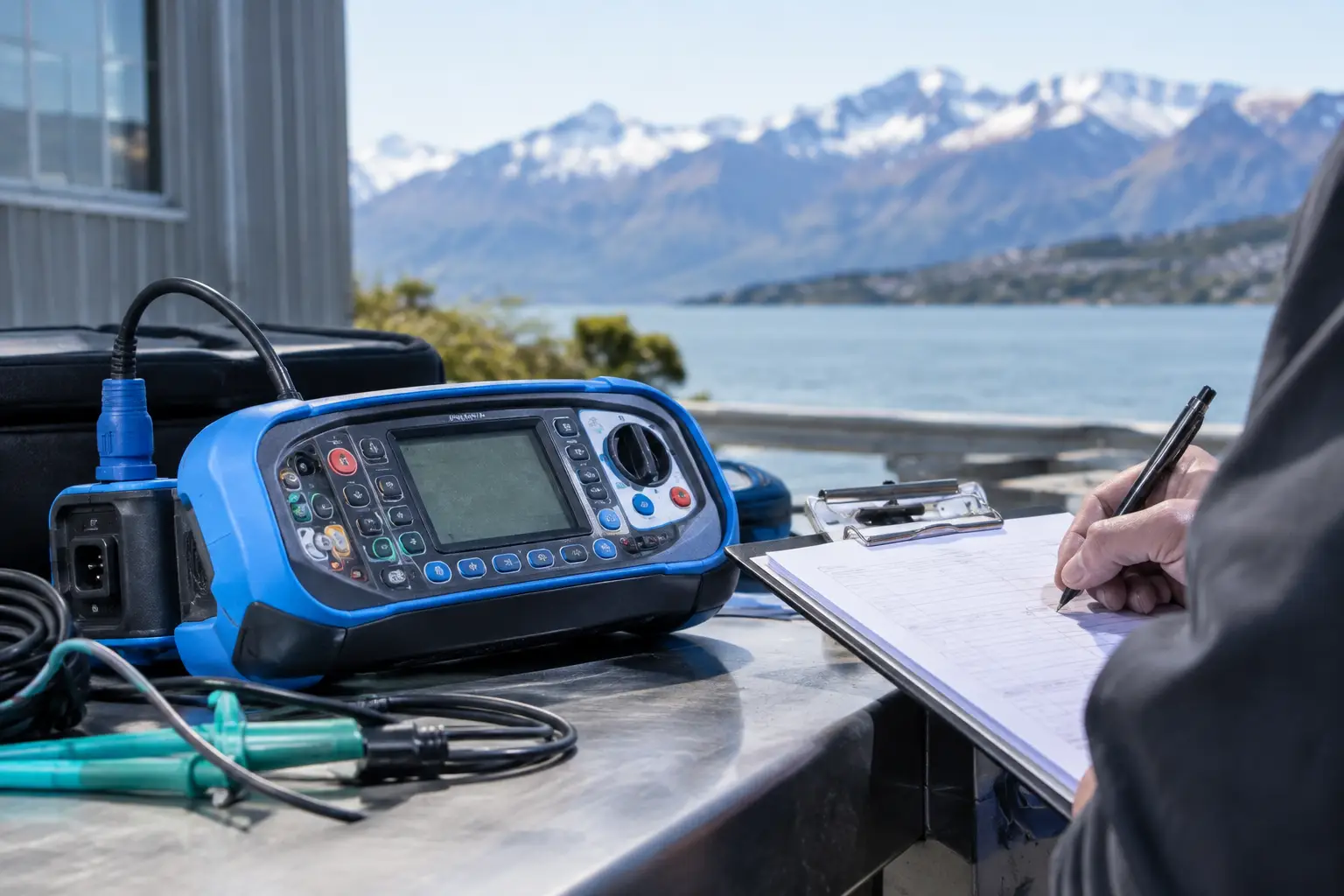
A production line can lose hours because of one damaged extension lead, a loose connection inside a distribution board or a motor that has been running hot for weeks. Manufacturing electrical safety inspections give site teams a practical way to find these issues before they become an electric shock, fire, equipment failure or unexpected shutdown.
For manufacturers, electrical compliance is not a paperwork exercise performed once a year. Portable tools move between workstations, leads are exposed to traffic and dust, welders take a hard knock, and machinery operates under sustained load. Each condition changes the risk profile and calls for a planned inspection approach that suits the site.
Why electrical risk is different in manufacturing
Manufacturing environments are demanding on electrical equipment. Cords can be pinched by machinery, plugs can be damaged during changeovers, and dust, moisture, metal filings and chemical residues can affect equipment condition. A tool that looks serviceable from a distance may have a damaged earth connection or insulation fault that is only identified through proper testing.
The consequences extend beyond injury. An electrical fault can stop a production cell, damage stock, interrupt a critical delivery or create a fire risk in an area where combustible materials are stored. Where downtime is expensive, preventative inspection is often the more economical choice.
There is no single testing interval that suits every item on every site. Equipment used daily on a busy factory floor has a different exposure level from a desktop monitor in an administration area. The right programme considers the environment, how often the equipment is used, who uses it and the likely consequences if it fails.
What manufacturing electrical safety inspections cover
A sound inspection programme starts with a visual check, followed by electrical testing where required. Visual checks remain valuable because many faults are obvious once someone knows what to look for: cracked plugs, loose pins, frayed leads, damaged casings, missing guards, exposed wiring and signs of overheating.
Portable appliance testing and tagging then verifies the electrical safety of portable and movable equipment. Depending on the item, testing may assess earth continuity, insulation resistance, polarity and leakage. Equipment that passes is tagged with clear identification and a future test date. Equipment that fails should be removed from service, clearly marked and repaired, replaced or disposed of before it can be used again.
The scope commonly includes portable power tools, extension leads, portable residual current devices, battery chargers, welders, bench equipment, kitchen appliances, office equipment and three-phase equipment. Fixed plant and switchboards require a different assessment process, but should not be left out of the broader electrical safety plan.
Thermal imaging adds another layer of prevention
Not every electrical problem appears during a portable appliance test. Loose terminations, overloaded circuits, phase imbalance and deteriorating components inside electrical boards can create heat long before a failure is visible. Thermal imaging helps identify abnormal temperature patterns without interrupting normal operation in many cases.
A hot connection does not automatically mean there is an immediate fault. Load, ambient temperature and equipment design all matter. However, a thermal image gives maintenance teams useful evidence to investigate a developing problem before it damages equipment or starts a fire.
For manufacturing sites, thermal imaging is particularly useful around main switchboards, distribution boards, motor control centres, production machinery connections and high-load circuits. It supports planned maintenance by helping teams prioritise work based on condition rather than waiting for something to fail.
Building an inspection schedule that matches site risk
AS/NZS 3760:2010 provides guidance for the in-service safety inspection and testing of electrical equipment. It is a useful benchmark, but site managers still need to apply judgement. The inspection frequency should reflect the actual conditions on site, not simply follow a calendar without considering risk.
A fabrication workshop with constant movement of leads, portable tools and welding equipment will generally need more frequent checks than a quiet office. Construction-style activity within a manufacturing plant, such as shutdown work or plant upgrades, may also bring higher-risk equipment and temporary power arrangements onto site.
When setting a schedule, consider four practical questions:
- Is the equipment exposed to damage, heat, moisture, dust, vibration or vehicle traffic?
- Is it used regularly by different workers, contractors or shifts?
- Would a failure create a serious injury risk, fire risk or production interruption?
- Is the equipment portable, frequently moved or connected through leads and power boards?
These questions help separate lower-risk office items from equipment that needs closer attention. They also help explain the programme to supervisors and workers, making compliance easier to manage across shifts.
Keep the register useful, not just complete
An asset register should give a site manager a clear view of what has been tested, where it is located, its test result and when it is due again. It should also identify failed items and support follow-up action. A register that cannot be updated or searched quickly creates more administration than value.
For larger or changing sites, equipment identification is especially useful. Unique asset numbers reduce confusion when several similar grinders, leads or chargers are in circulation. They also make it easier to confirm whether an item belongs on site, whether it is in date and whether it has been withdrawn after a failed test.
Clear records support client requirements, internal audits and workplace health and safety processes. More importantly, they show that issues have been identified and managed rather than ignored.
Common issues worth acting on straight away
Some defects need immediate action, even before the next scheduled inspection. If a lead has exposed wires, a plug is cracked, a tool has a damaged casing, or a power board shows burn marks, remove it from service. Do not rely on tape or a quick workaround to keep production moving.
Repeated tripping of a residual current device also deserves investigation. It may be caused by one faulty appliance, moisture ingress, a damaged lead or a circuit issue. Resetting the device without identifying the cause can leave workers exposed and may turn a small fault into a larger maintenance job.
Heat is another warning sign. A warm plug, discoloured outlet, burning smell or buzzing board should be assessed promptly by a suitably qualified person. These symptoms can indicate poor connections or overload conditions that need more than a portable appliance test.
Making compliance easier for busy site teams
The best inspection programmes fit around production rather than creating unnecessary disruption. That may mean testing by department, arranging work around shift changes, scheduling inspections during planned maintenance windows or completing office equipment separately from factory-floor assets.
Before testing begins, nominate a site contact and agree on access arrangements. Let workers know why tags matter and where failed equipment will be held. Small steps such as these reduce delays and prevent tested equipment from being mixed with untested or failed items.
A dependable provider should explain results in plain language, supply the documentation needed for your records and flag priorities without overstating the issue. Phase Test and Tag supports South Island manufacturers with portable appliance testing, three-phase equipment testing, asset registers and thermal imaging, with flexible scheduling and reminders for future due dates.
Electrical safety is a production decision
Electrical inspections work best when they are treated as part of routine operational control, alongside machine guarding, maintenance and housekeeping. They help protect people, but they also protect output by finding faults when they are still manageable.
If your plant has added equipment, changed layouts, increased shift hours or relied on temporary power during recent work, it is a sensible time to review whether your inspection schedule still reflects the risks on the floor. A clear, current programme gives your team one less uncertainty to carry into the next production run.