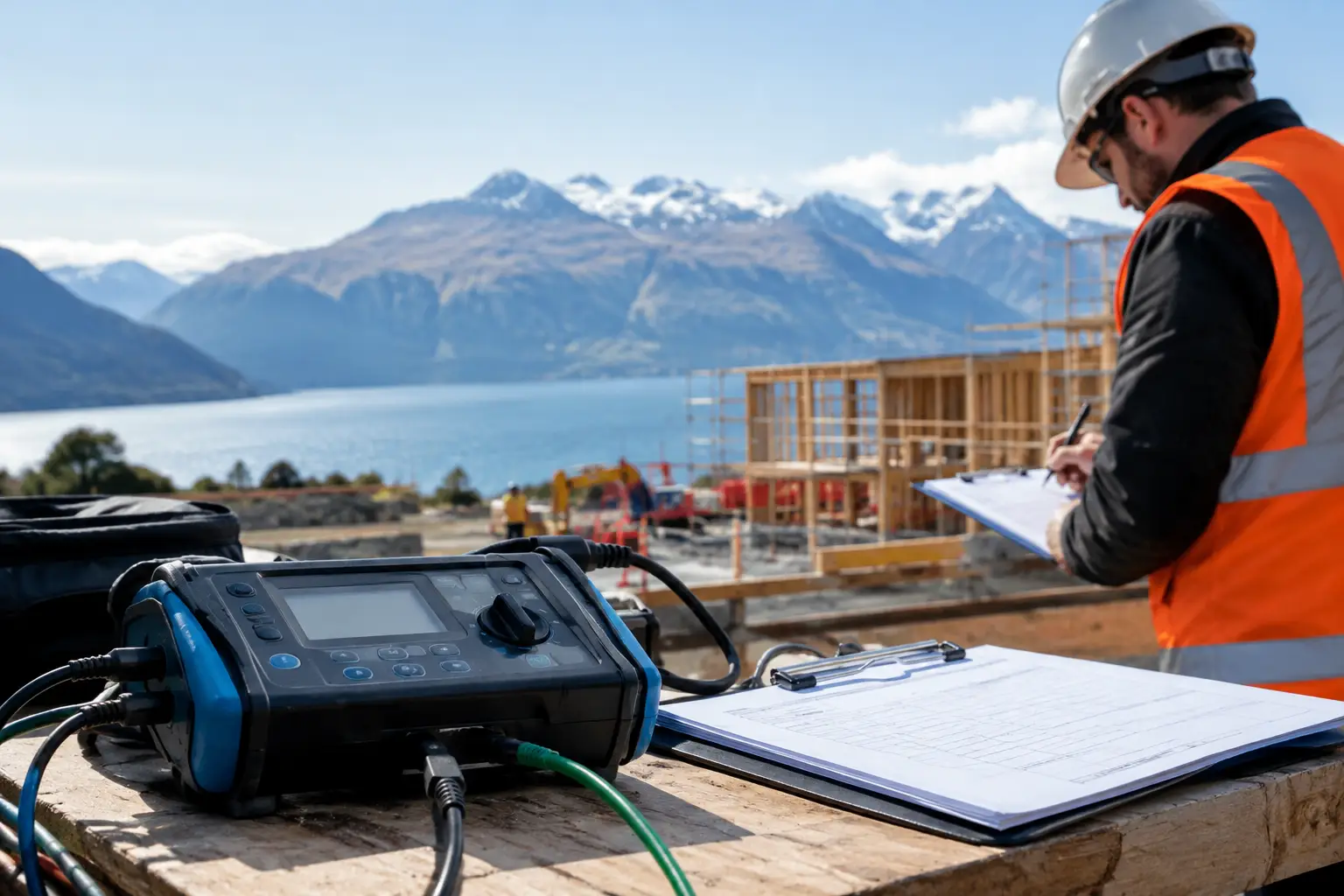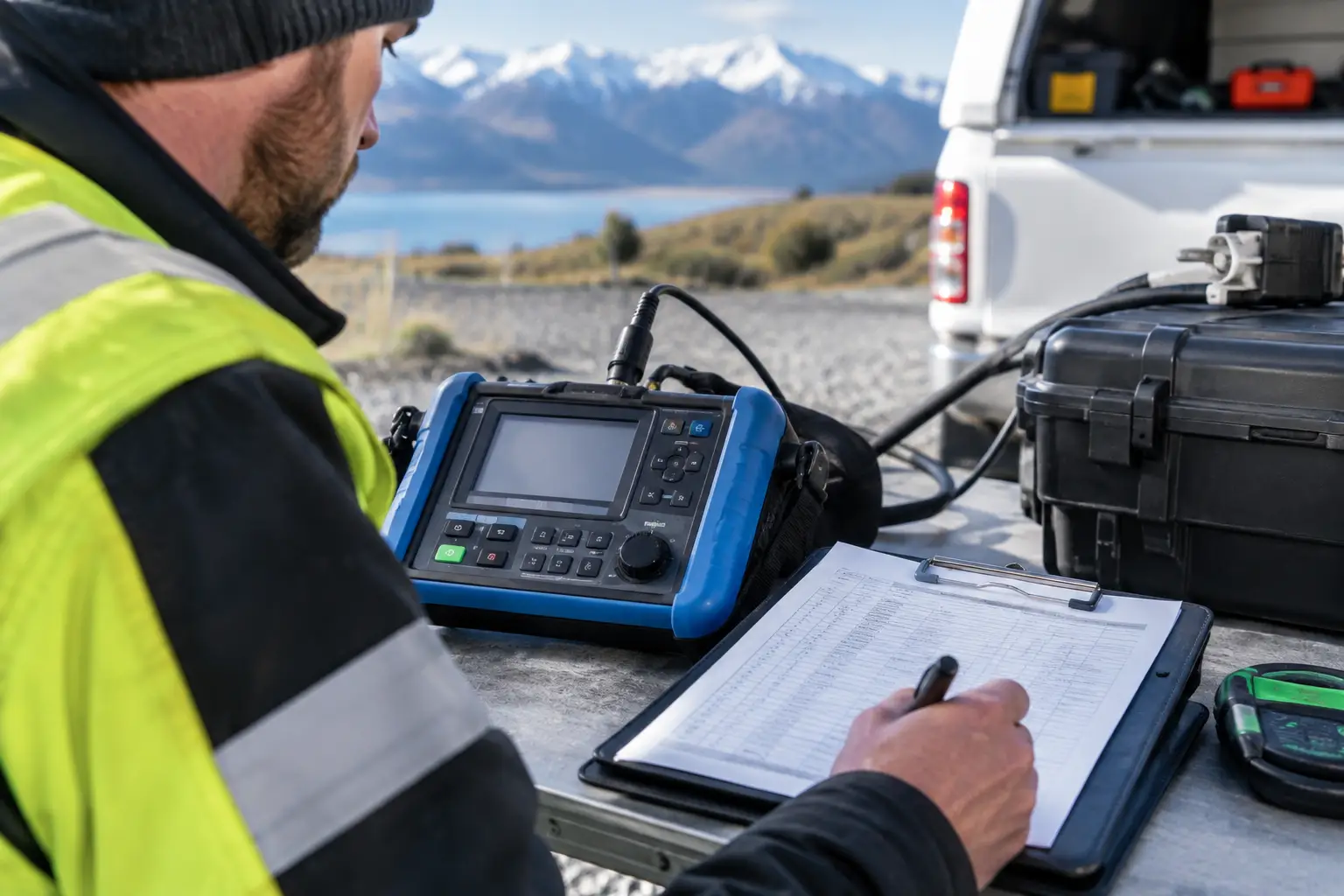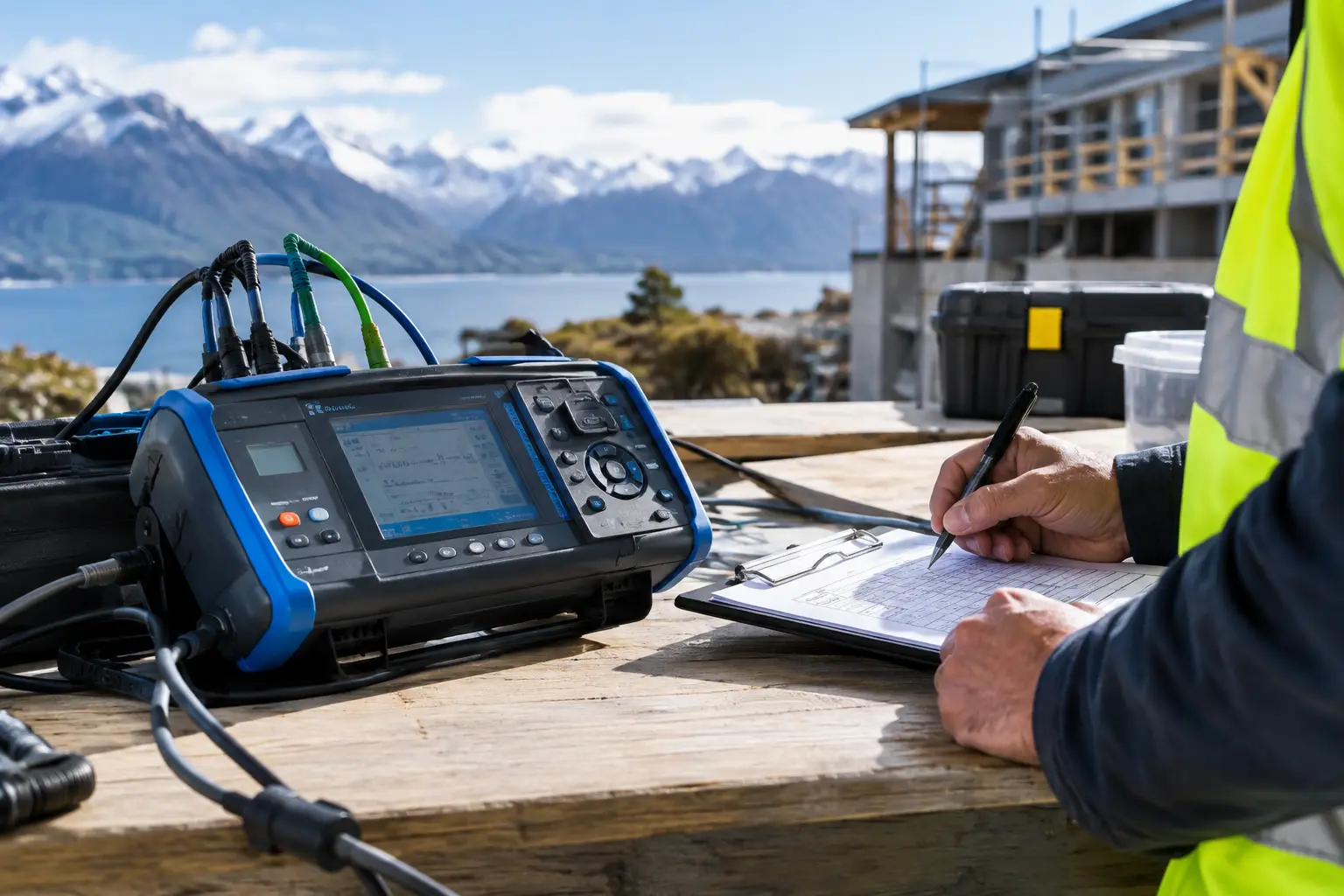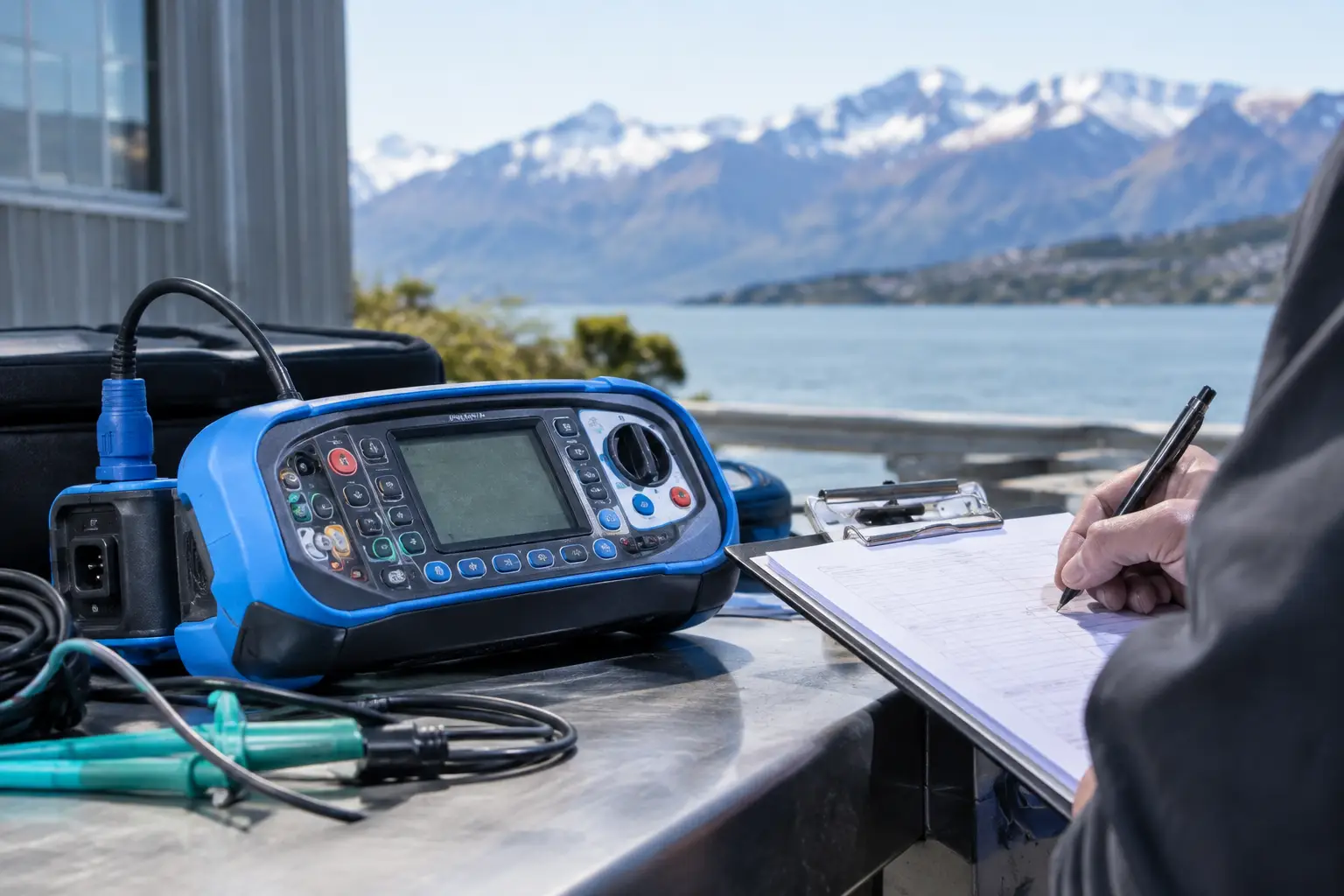
A low quote can look attractive until the equipment register is incomplete, failed items are not clearly identified, or the next testing date slips past without anyone noticing. A useful inspection provider comparison goes beyond the price per tag. It helps you choose a partner who reduces electrical risk, gives your team usable records and makes compliance easier to manage across the year.
For site managers, business owners and contractors, the right provider should bring order to a task that is easy to postpone. Portable appliance testing is not simply about attaching a sticker. It is about confirming the condition of portable electrical equipment, identifying defects before use and maintaining documentation that stands up to client, insurer and site-safety scrutiny.
What to compare between inspection providers
Start by comparing what is actually included in the service. Two providers may both offer test and tag work, but their process, reporting and support can be very different. The cheapest option can become costly if your staff must chase missing records, decipher unclear failure information or arrange another visit to finish the job.
A capable provider should test equipment systematically, identify each asset, record its result and clearly separate passed items from failed items. They should also be able to explain what the results mean in plain language. This matters on busy sites, where supervisors need to know whether an item can remain in service, must be removed, or needs further assessment.
Ask how the provider handles varied equipment types. Office appliances, extension leads, workshop tools, three-phase equipment and equipment used in harsher environments do not always carry the same level of risk or require the same approach. A provider who understands your workplace can help set practical retest intervals in line with AS/NZS 3760:2010 and the conditions in which equipment is used.
Qualifications and standards knowledge
Competence should be easy to establish. Ask who will attend your site, what training and experience they have, and how their testing process aligns with AS/NZS 3760:2010. The standard provides guidance for in-service safety inspection and testing, but applying it well still requires judgement about the environment, equipment use and risk exposure.
Construction, manufacturing and trade settings often put leads and portable equipment under more pressure than a low-risk office. Dust, moisture, movement, impact and frequent handling all affect inspection frequency and equipment condition. A provider should not give every business the same generic schedule without first understanding the work environment.
It is also worth checking wider contractor credentials where relevant to your site. For businesses that manage contractor prequalification, SiteWise Green certification can provide added confidence that the provider takes health and safety systems seriously.
Reporting that works when you need it
Good reporting is one of the clearest differences in an inspection provider comparison. A tag on an appliance is useful for day-to-day visual checks, but it is not a complete compliance record. Your business should receive an accessible asset register showing equipment details, test dates, results and future due dates.
Look for reports that make it simple to answer practical questions: Which items failed? Where are they located? When were they last tested? What is due next month? Can we show a client or auditor our current records quickly?
An asset register is particularly valuable for organisations operating across more than one work area or project. It reduces the risk of equipment disappearing from the system when it is moved between offices, workshops, site sheds or vehicles. It also prevents safety documentation from relying on one person’s memory or a collection of paper certificates.
Inspection provider comparison: price versus value
Price deserves attention, but it needs context. Some providers charge call-out fees, add administration costs later or quote a low per-item figure that does not include reporting, asset labels or follow-up support. Request a clear explanation of what is covered before you compare totals.
A transparent quote should state whether travel, asset registration, reports, failed-item recording and reminder services are included. If your premises have a mixture of single-phase and three-phase equipment, confirm that this has been accounted for as well. The aim is not to find the lowest number on a quote. It is to avoid surprises and ensure the service meets the needs of your workplace.
Flexible scheduling also has a real value. Testing that interrupts a production run, a customer-facing office or a time-sensitive project can create avoidable disruption. Ask whether the provider can work around operating hours, complete testing in stages, or schedule visits when equipment is available without slowing the site down.
For South Island businesses, local accountability can make a difference. A responsive provider who understands the practical demands of Christchurch, Canterbury and regional sites is often easier to contact when schedules change or records are urgently required. Phase Test and Tag supports this approach with flexible operating hours, no call-out fees and proactive reminders for upcoming testing dates.
Do not overlook follow-up support
Testing day is only one part of electrical compliance. The better providers help you stay on top of the next cycle rather than leaving you to rebuild the programme from scratch each year. Reminder systems are useful, especially where different areas of a business have different test dates or risk levels.
Ask what happens after a failed result. The provider should label and document the item clearly so it is not accidentally returned to use. They should also make the outcome easy for your team to understand. Vague notes create uncertainty, while a clear failed-equipment process supports safer decisions on the floor.
Communication matters just as much. You should be able to speak with someone who knows your account and can answer direct questions about intervals, reports and equipment categories. Large, centralised providers may suit some organisations, particularly those with highly standardised national programmes. Smaller owner-operated providers can be a stronger fit where responsive service, site familiarity and a personal point of contact are priorities.
When thermal imaging belongs in the comparison
If your site relies on high-use electrical systems or equipment where downtime is expensive, ask whether the provider can also offer thermal imaging. This service identifies abnormal heat patterns that can indicate developing faults, poor connections, overloaded components or energy loss before they turn into a larger failure.
Thermal imaging does not replace portable appliance testing. They address different parts of an electrical safety and preventative maintenance programme. However, using both services where appropriate can give facilities and industrial teams a more complete view of risk, particularly where visual inspection alone cannot reveal an emerging hotspot.
The right timing depends on your equipment, operating conditions and maintenance plan. A provider should be willing to explain whether thermal imaging is relevant to your site rather than treating it as an automatic extra.
Questions worth asking before you book
Before appointing a provider, make sure you can get clear answers to these points:
- Are testing procedures aligned with AS/NZS 3760:2010 and suited to our work environment?
- Will we receive a complete, easy-to-use asset register and clear test report?
- How are failed items labelled, recorded and communicated to our team?
- What fees are included in the quote, including travel, reporting and future reminders?
- Can testing be scheduled around our operations and equipment availability?
- Do you offer preventative support, such as thermal imaging, where it is relevant?
These questions reveal more than a brochure or a price list can. They show whether the provider sees compliance as a one-off transaction or as an ongoing service that helps your business manage risk.
A dependable inspection partner should leave your workplace safer, your records clearer and your team less burdened by administration. Choose the provider who can explain the process plainly, tailor it to your risks and remain available after the tags have been applied.