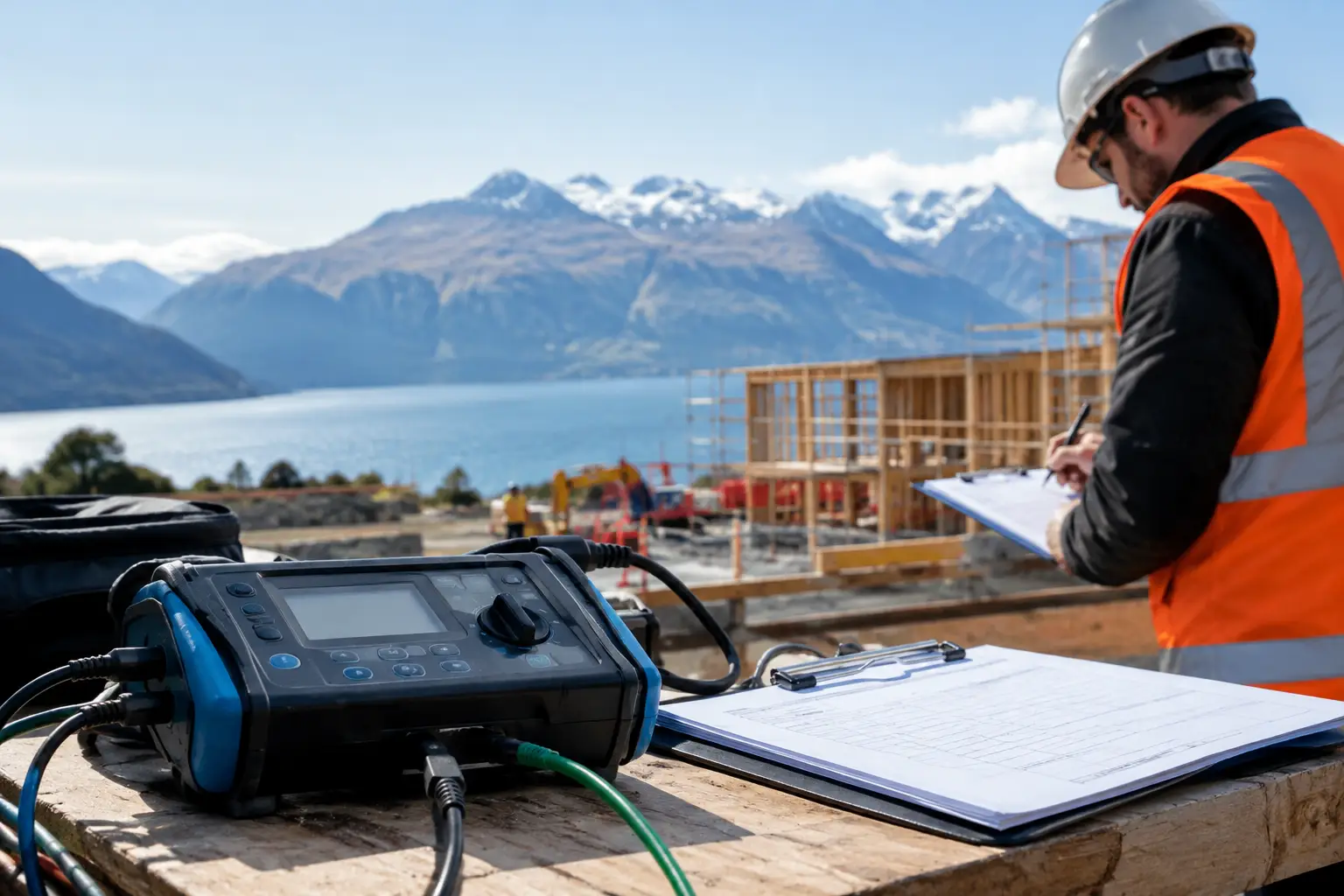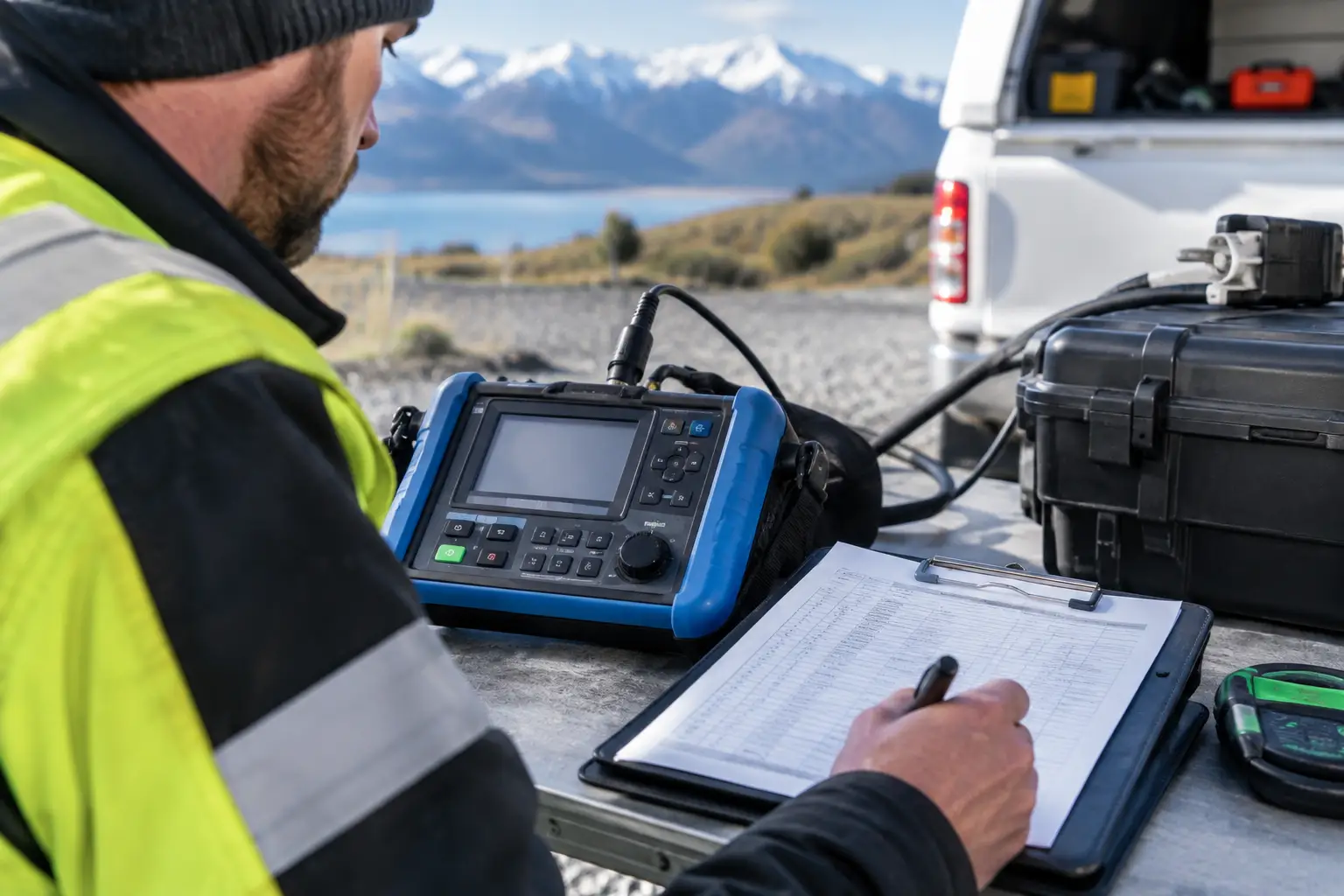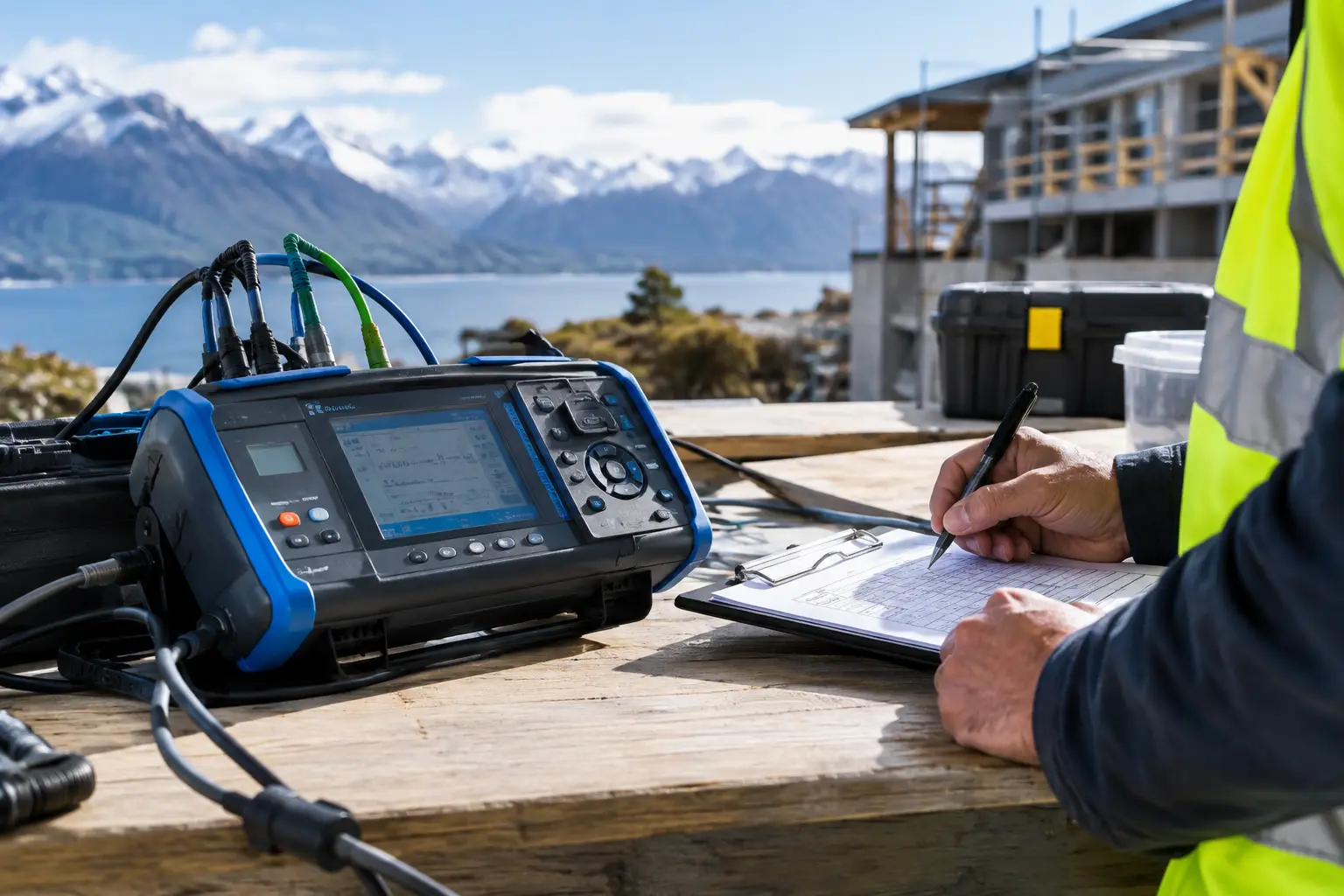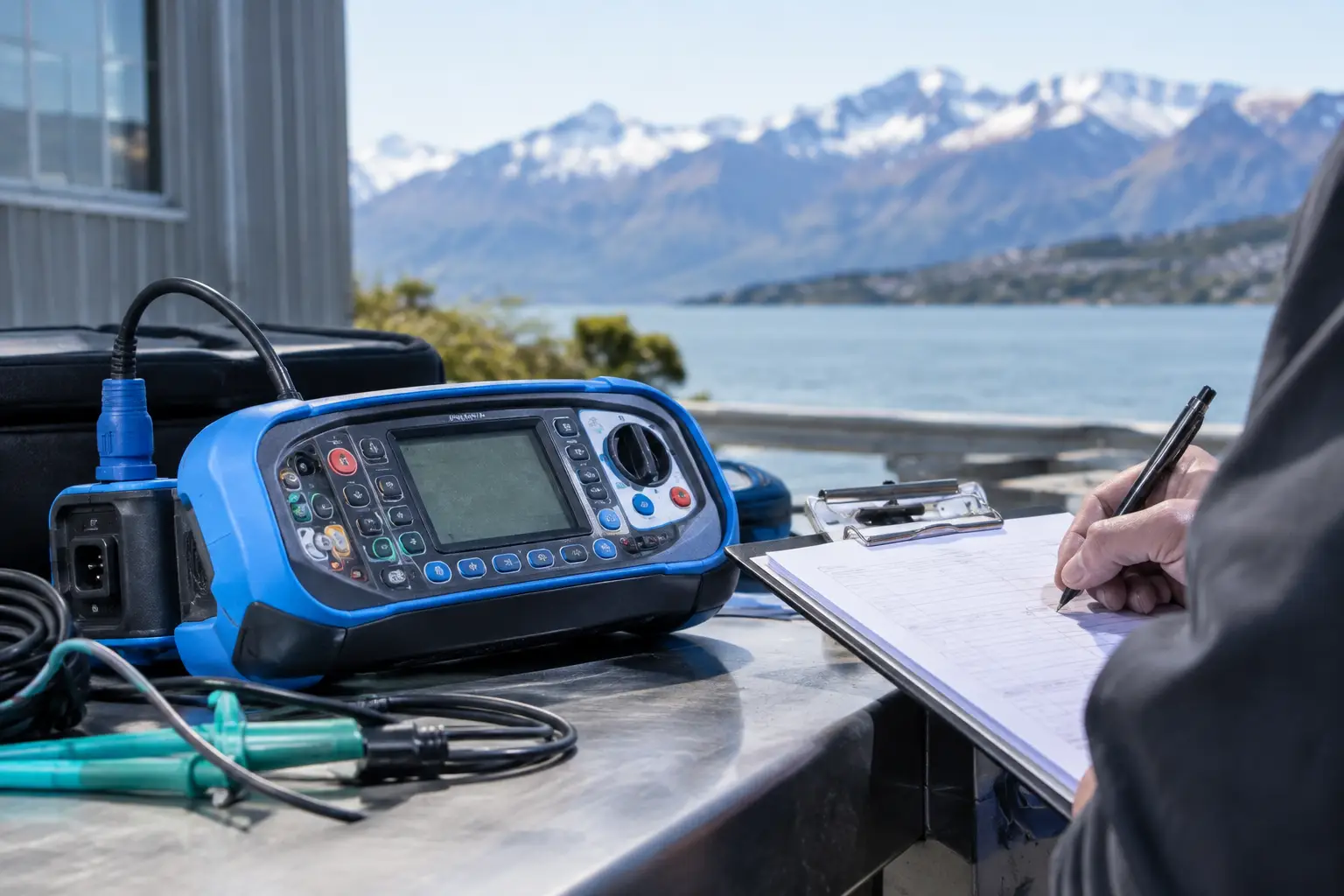
A failed lead discovered halfway through a shift can stop more than one tool. It can delay a job, create a safety risk and leave the person responsible for the site searching for test records under pressure. Knowing how to plan equipment retesting turns electrical compliance from a last-minute task into a controlled part of site operations.
For South Island businesses with portable electrical equipment, the best plan is not simply to book the same month every year. Retesting needs to reflect where equipment is used, how it is handled and the consequences if it fails. A clear programme also gives managers an up-to-date asset register, visible due dates and the documentation often requested by clients, insurers and health and safety representatives.
Start equipment retesting with a risk-based schedule
AS/NZS 3760:2010 provides guidance for the in-service safety inspection and testing of electrical equipment. It recognises that a battery charger on a clean office desk does not face the same conditions as a grinder used outdoors on a construction site. Retesting intervals should therefore be based on the environment and level of use, rather than applying one rule to every item.
Equipment used in construction, demolition, workshops, manufacturing areas or wet and dusty locations generally needs closer attention. Leads can be dragged across floors, exposed to impact, caught in doors or used around moisture. Higher handling and harsher conditions increase the likelihood of damage developing between tests.
By comparison, low-risk office equipment in a controlled environment may have a longer inspection and testing interval. That does not mean it can be ignored. Staff should still report cracked plugs, damaged cords, loose connections, heat marks or equipment that operates inconsistently as soon as they notice it.
Your final schedule should account for the standard, your workplace risk assessment, client or principal contractor rules, insurance conditions and manufacturer guidance. Where these requirements differ, use the most suitable interval for the risk on your site and document why it was chosen.
Build a complete picture of what you own
A retesting programme only works when the asset list is accurate. Before setting dates, walk through each work area and identify portable and movable electrical equipment. Include equipment brought in by teams, stored in containers, kept in vehicles or used only for occasional maintenance work. These are commonly missed when a register is built from purchase records alone.
Record enough detail to identify each item without confusion: the asset ID or tag number, description, make or model, serial number where available, location, responsible team, test date and next due date. If an item moves between sites, note its usual location as well as who controls it. A useful register should help you find equipment, not merely satisfy a filing requirement.
Pay particular attention to extension leads, portable RCDs, multi-boxes, chargers, power boards and hired equipment. Smaller accessories are often handled most roughly, yet can be overlooked because they are not treated as major assets. They should be included in the same control process as larger appliances and tools.
Separate equipment by environment and use
Once the register is complete, group equipment by risk area rather than alphabetically. For example, office equipment, workshop tools, site sheds, outdoor equipment and temporary project equipment may each have different retesting needs. This makes it easier to assign appropriate due dates and arrange testing without disrupting every department at once.
The equipment itself can also change category over time. A drill that was once used indoors may later be assigned to a wet or dusty project. When that happens, review its interval instead of waiting for the old date to expire. A schedule should follow the equipment’s real conditions of use.
Plan the work around operations, not against them
Testing every item at once may be efficient for a small office, but it is not always the right approach for a busy industrial, construction or commercial site. Taking all tools out of service on the same day can create avoidable downtime. Staggered testing may be more practical for equipment that is essential to daily work.
Start by looking at shutdown periods, quieter shifts, project handovers and planned maintenance windows. Let supervisors know what equipment will be needed for testing and arrange alternatives where required. For equipment that cannot be easily released, identify a suitable time before the due date rather than allowing it to become overdue.
It also helps to nominate one person at each site or work area to coordinate access. They do not need to manage the technical testing process. Their role is simply to ensure equipment is available, newly purchased items are identified and any equipment removed from service is not returned to use without being cleared.
If your business operates across several locations, use one central due-date calendar alongside site-level contacts. This avoids a common problem: head office believes the equipment is booked, while the person holding the tools has not been told when testing will occur.
Make visual checks part of normal work
Scheduled testing is essential, but it cannot identify damage that happens the next day. A practical retesting plan includes routine user checks before equipment is used. Staff do not need to be electrical experts to recognise obvious warning signs.
Ask workers to look for damaged insulation, bent pins, cracked housings, exposed wiring, loose plugs, signs of overheating and makeshift repairs. Equipment that has been dropped, soaked, crushed or exposed to unusual heat should be set aside and reported. A tag showing a future due date is not permission to use equipment that is visibly damaged.
Set a simple quarantine process so faulty items do not find their way back into circulation. Mark them clearly, remove them from the work area and record what happened. This protects staff and prevents the same item being picked up by someone who does not know its history.
Use testing records as a management tool
A pass tag provides a quick visual check, but the test record is where the wider value sits. Good reporting shows what was tested, its outcome, its identification number and the next due date. It also shows failed equipment and helps identify patterns, such as repeated damage to leads in one work area or a particular type of tool with recurring issues.
Review results after each testing round. If several items fail because cords are being run through doorways or over vehicle routes, the answer may be better site controls rather than simply replacing leads. If a high-use area regularly has damaged power boards, its retesting interval or staff handling practices may need review.
For larger sites, thermal imaging can complement portable appliance testing by identifying unusual heat in electrical components before a fault becomes more serious. It is particularly useful as part of a preventative maintenance plan where operational continuity matters. The findings should be assessed alongside your equipment records and site risks, not treated as a substitute for scheduled inspection and testing.
Keep new, hired and relocated equipment under control
A schedule can quickly lose accuracy when new equipment enters the business. Make asset registration part of the purchasing, hire and mobilisation process. Before an item is issued to a team, ensure it is identified, assessed for the environment in which it will be used and added to the register with an appropriate next due date.
The same applies to hired equipment and contractor-owned equipment. Clarify who is responsible for testing, what evidence is required and whether the equipment meets the rules of the site before it is used. On shared sites, clear expectations prevent gaps caused by everyone assuming another party has checked it.
When equipment is disposed of, lost or permanently removed from service, update the register promptly. Otherwise, future reports become cluttered with assets that no longer exist, making real compliance harder to see.
Set reminders before equipment becomes overdue
The most effective retesting plan has more than one reminder. A reminder a month before due dates gives time to organise access, while a shorter reminder helps confirm that equipment will be available. For large or seasonal operations, planning several months ahead can be sensible, particularly when crews move between projects.
Keep the programme simple enough that it will be followed. A clear register, agreed intervals, scheduled reminders and a responsive testing provider remove much of the administrative burden. Phase Test and Tag can support this process with testing records, asset-management documentation and proactive future-due reminders for businesses across Christchurch and the wider South Island.
The aim is not paperwork for its own sake. When every item has an owner, a known location and a realistic retesting date, your team can get on with the job knowing electrical equipment has not been left to chance.