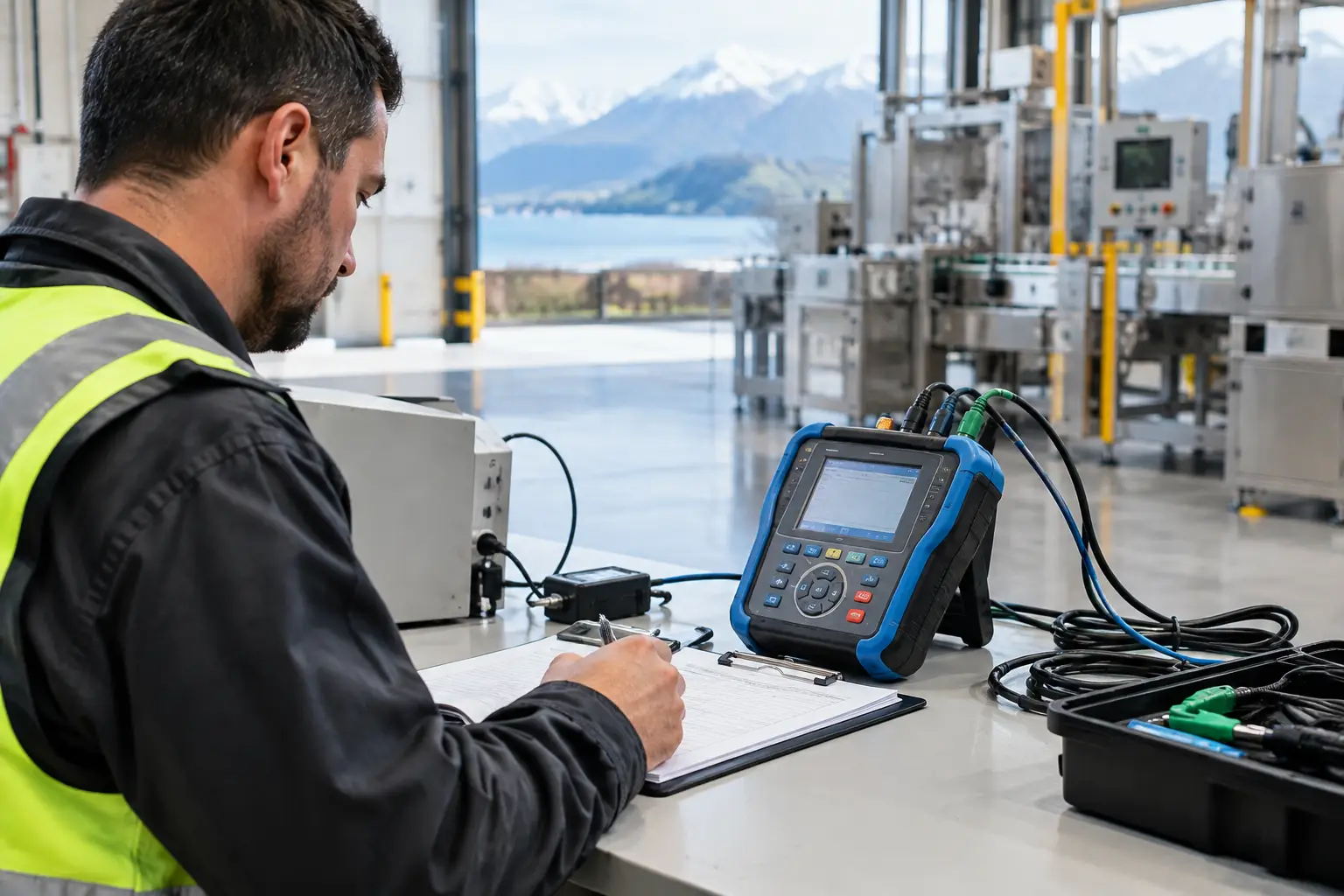
A production line rarely stops at a convenient time. One suspect extension lead, overheating connection or failed portable tool can turn a small electrical issue into lost output, missed dispatches and a pressured restart. This factory downtime prevention case study shows how planned electrical compliance checks can help identify warning signs before they interrupt operations.
The scenario below is a representative example based on common conditions in industrial workplaces. Every site has different machinery, exposure levels and production demands, but the approach is practical for factories across Christchurch, Canterbury and the wider South Island.
The problem: small faults were becoming production risks
The factory operated several shifts and relied on a mix of portable equipment across its production, maintenance and dispatch areas. This included power tools, leads, battery chargers, portable fans, welders and three-phase equipment. Some assets were moved between work areas, while others stayed in place for long periods.
Its previous testing records were incomplete. A number of items had tags, but the site team could not quickly confirm which equipment was due for retesting, which tools had been removed from service, or whether every item in use appeared on the register. When a portable lead failed during a busy period, the immediate disruption was manageable. The bigger concern was uncertainty: what else had been missed?
The site manager did not want testing to become another administrative exercise. The goal was straightforward: reduce avoidable electrical failures, keep equipment traceable and minimise interruptions to production.
Factory downtime prevention case study: the site review
The first step was to organise testing around the factory’s operating schedule rather than ask production to work around the inspection. Equipment was grouped by area and type, allowing the testing programme to be completed in stages during lower-impact periods.
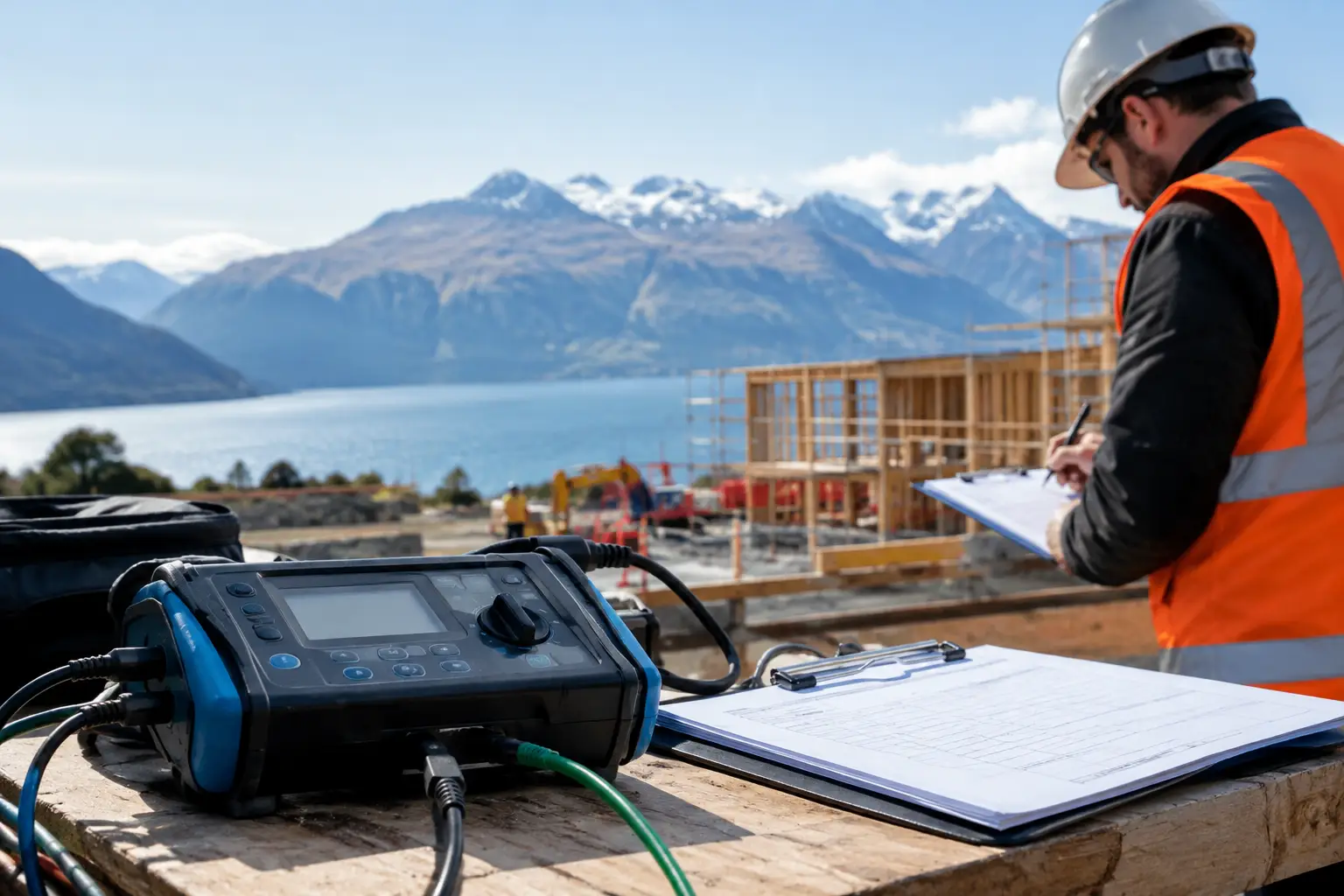
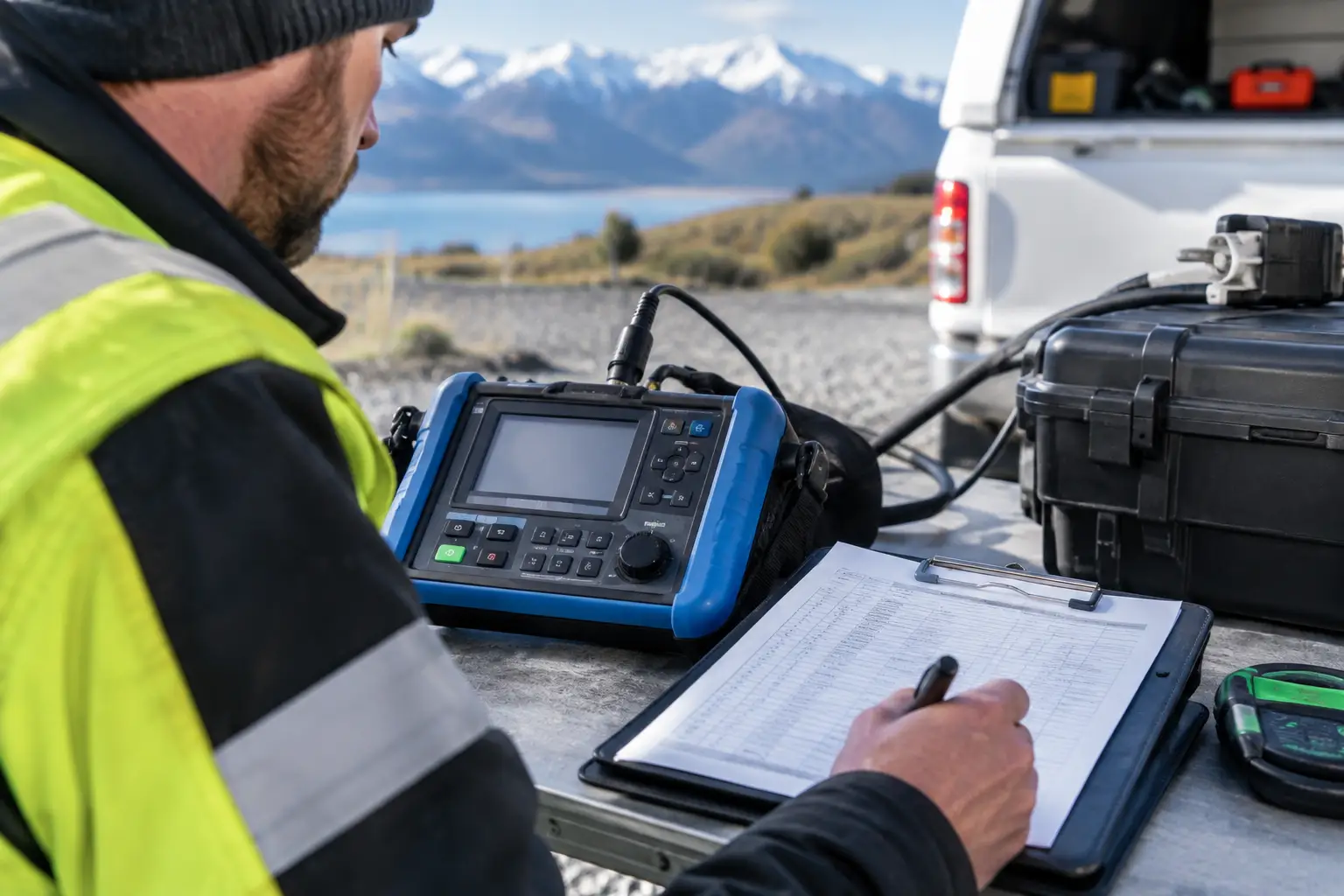
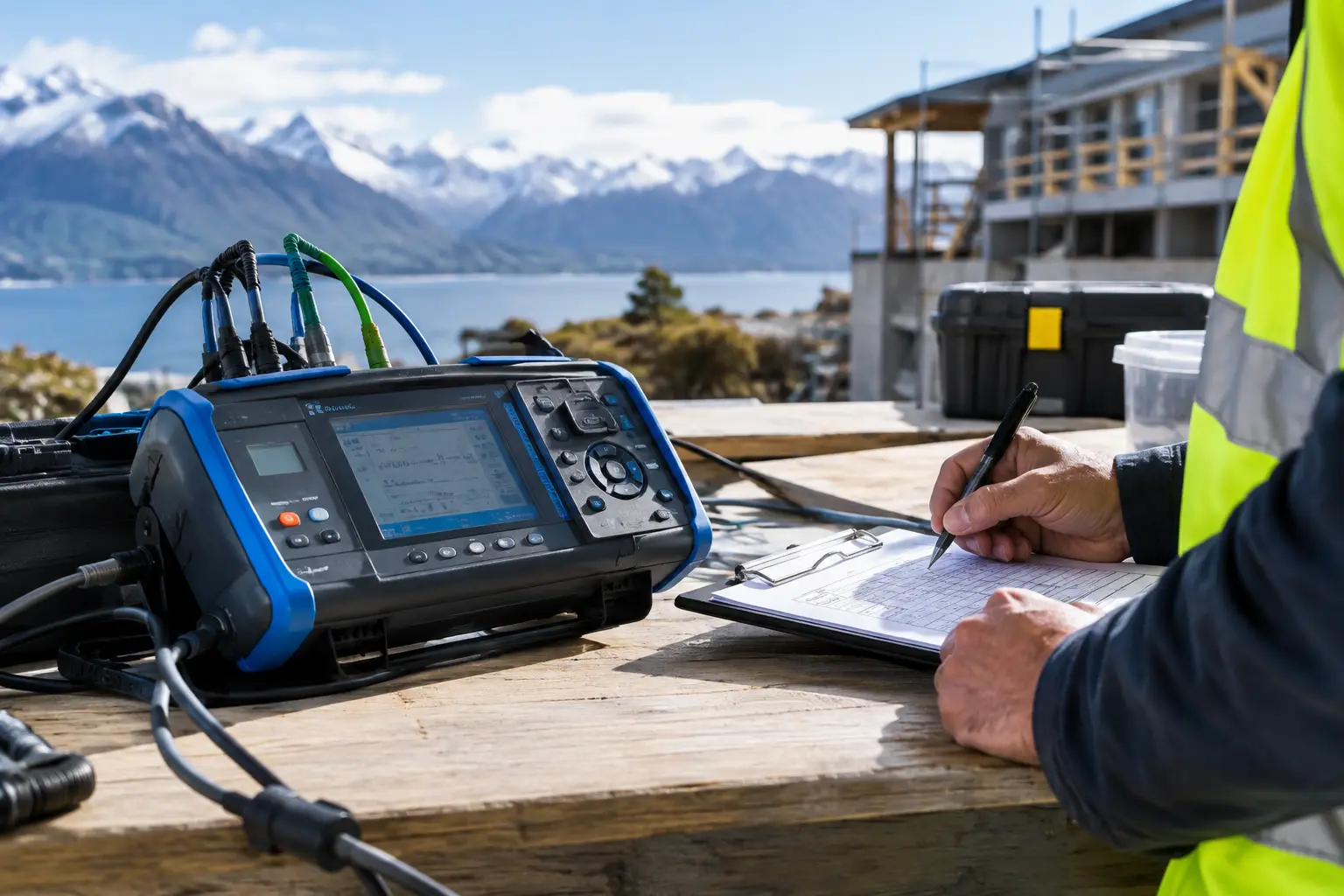
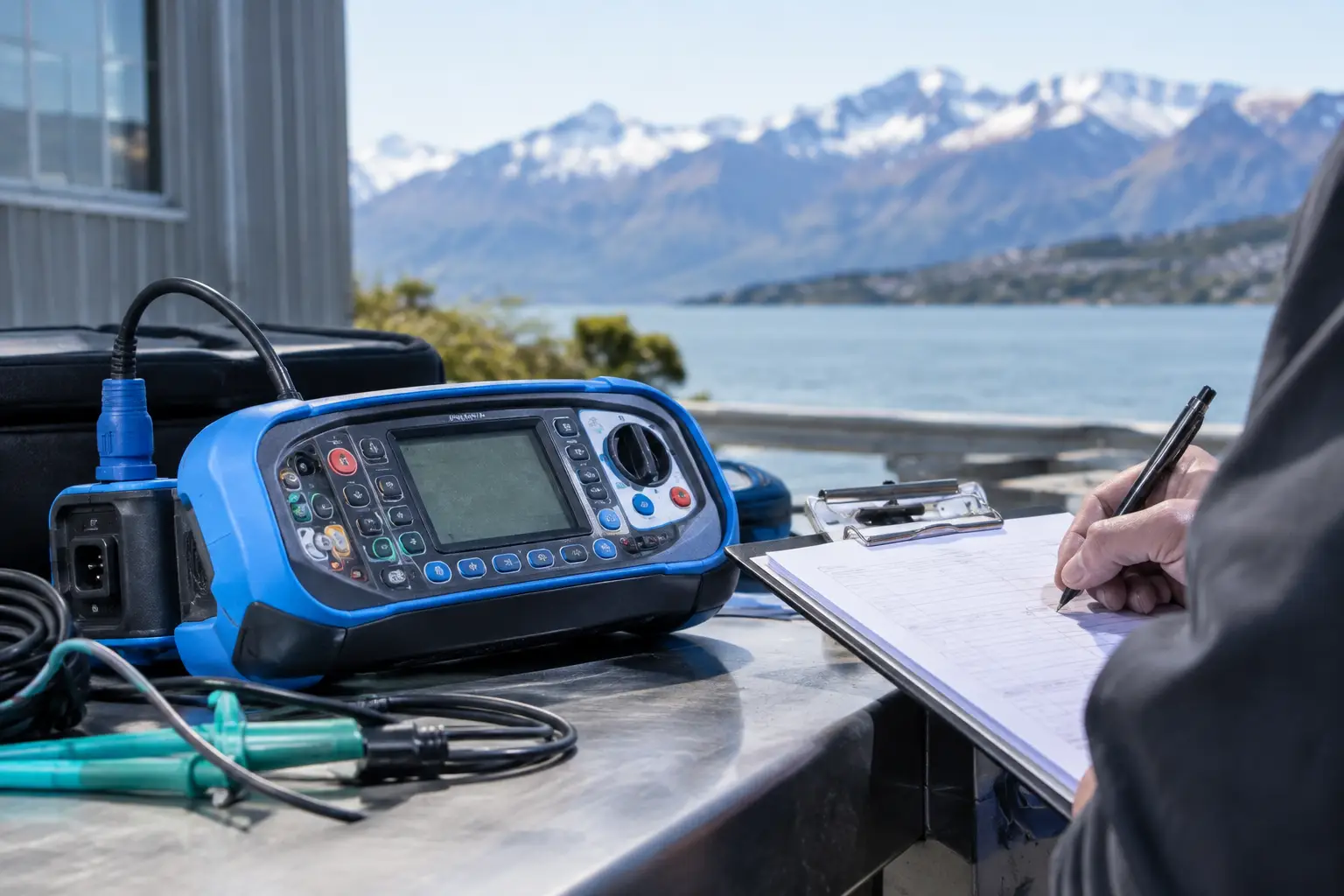
Each portable appliance, lead and item of equipment was visually inspected and electrically tested as appropriate. Visual checks matter because physical damage is often the first sign of trouble. Cracked plugs, damaged insulation, loose cable entry points and worn leads can develop through regular use, vehicle movement, heat, moisture and rough handling.
Testing then provided another layer of assurance. A tool can look acceptable from the outside while having an electrical fault that is not visible. Where equipment did not pass, it was clearly identified and removed from use so it could not be returned to the floor by mistake.
At the same time, the factory received an updated asset register. Each recorded item had a clear identity, location or department reference where useful, test outcome and next due date. That gave the maintenance and health and safety teams one reliable source of information instead of relying on scattered tags, paper notes and memory.
What the checks identified
The exercise did not uncover a dramatic site-wide failure. That is often the value of preventative work. It found several smaller issues that could have become more costly if left in service: deteriorated leads in a high-traffic area, a portable item with a failed test result, and equipment that was overdue because it had been moved between departments.
None of these findings alone would necessarily have shut down the whole factory. But a failed item used at the wrong moment can stop a task, delay a changeover or expose workers to electric shock and fire risk. In a busy plant, several small delays often compound quickly.
The team also arranged thermal imaging in selected higher-load areas. Thermal imaging does not replace appliance testing, and appliance testing does not replace thermal imaging. They answer different questions. Testing focuses on the condition and electrical safety of portable equipment, while thermal imaging can identify abnormal heat patterns that warrant attention before they develop into a failure.
A hotspot is not automatically proof of an urgent fault. Temperature readings need context, including load, operating conditions and comparison with similar components. However, an unexpected heat pattern gives a site an early prompt to investigate rather than wait for heat damage, equipment failure or an unplanned outage.
Why the asset register changed the outcome
The most useful improvement was not simply a new tag on each item. It was making compliance information usable during day-to-day operations.
Before the review, equipment could move from stores to maintenance or from one production area to another without a consistent trail. After the register was brought up to date, the team had a clearer process for checking whether an item was tested, in service and due for inspection. New equipment could be added as it entered the site, and removed items no longer cluttered the record.
This matters when a client audit, insurance query or internal safety review arrives. It also helps when a supervisor needs to make a quick decision about a tool or lead on the floor. Instead of assuming a tag is current or searching through files, they can refer to documented records.
For factories with a wide range of equipment, retest intervals should reflect the working environment and risk of damage. Equipment used in a harsh, high-use or construction-style setting may need more frequent attention than low-use equipment in a clean office area. AS/NZS 3760:2010 provides the framework, but a sensible programme also considers how and where the asset is actually used.
The operational result: fewer surprises, not zero risk
Within the following testing cycle, the factory had better visibility of its equipment and fewer last-minute questions about whether an item could remain in service. Production leaders could plan access for scheduled checks, rather than deal with unexpected issues in the middle of a critical run.
That does not mean every interruption can be prevented. Production downtime can result from mechanical wear, supply delays, operator safety incidents and many other causes. Electrical testing and thermal imaging are not a guarantee against failure.
They are, however, practical controls against preventable electrical problems. They help sites find damaged or faulty portable equipment earlier, identify heat-related warning signs and create a traceable record of what has been checked. The trade-off is a small amount of planned access time. For most factories, that is far easier to manage than an unplanned stoppage, a safety event or a scramble to prove compliance after the fact.
Making prevention fit a working factory
The best programme is one that staff can maintain without excessive paperwork. It should account for shift patterns, shutdown windows, restricted areas and the movement of equipment between teams. It should also give managers clear reports rather than pages of unexplained technical detail.
Phase Test and Tag supports this approach with portable appliance testing, three-phase equipment testing, thermal imaging and documented asset registers. Flexible scheduling and future due-date reminders help reduce the chance that compliance dates are missed when production is busy.
A useful starting point is to walk the floor with fresh eyes. Look for the leads that cross busy areas, the chargers left running for long periods, the tools that move between crews and the equipment no one is quite sure owns. Those are often the places where a simple check today prevents a much larger disruption tomorrow.