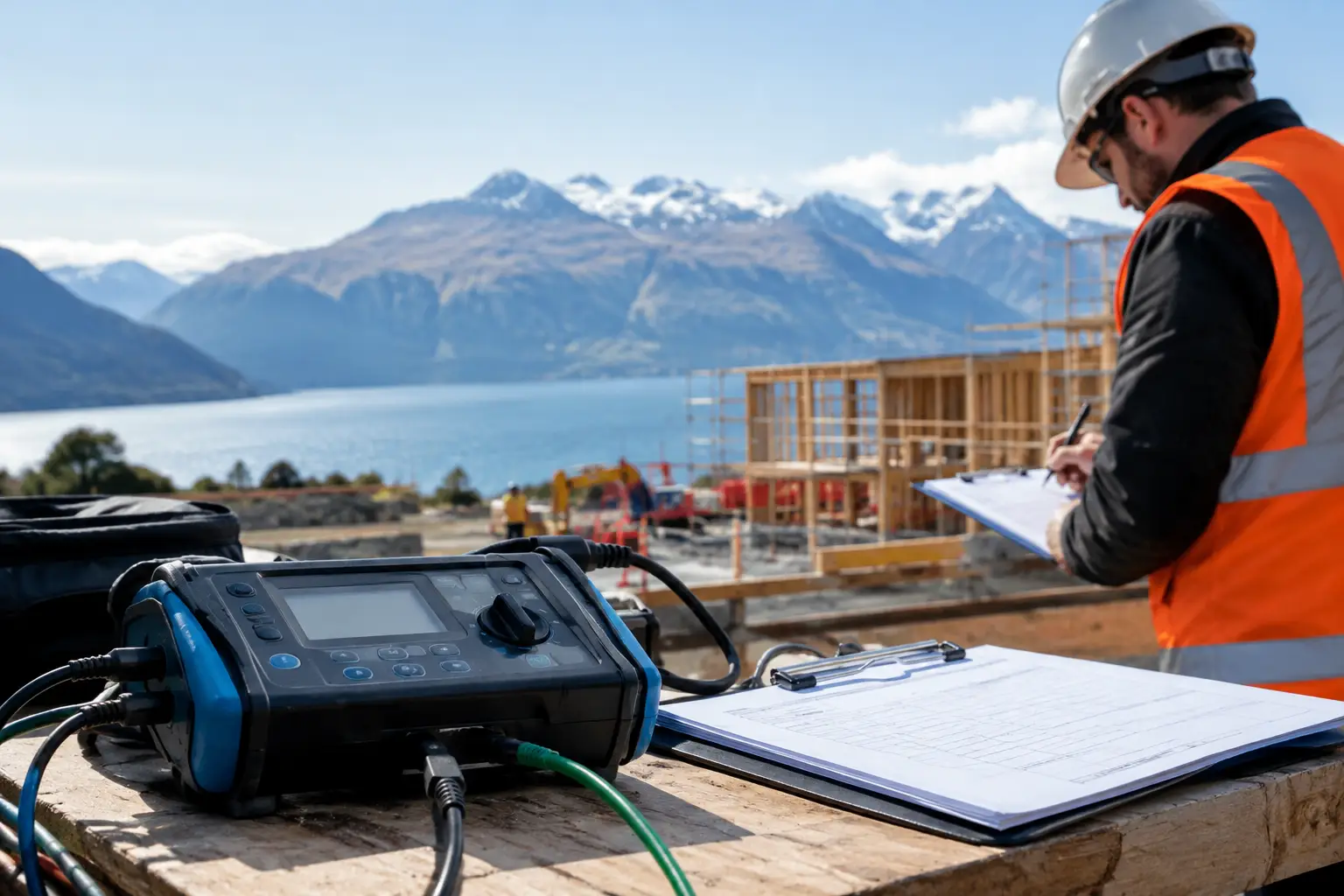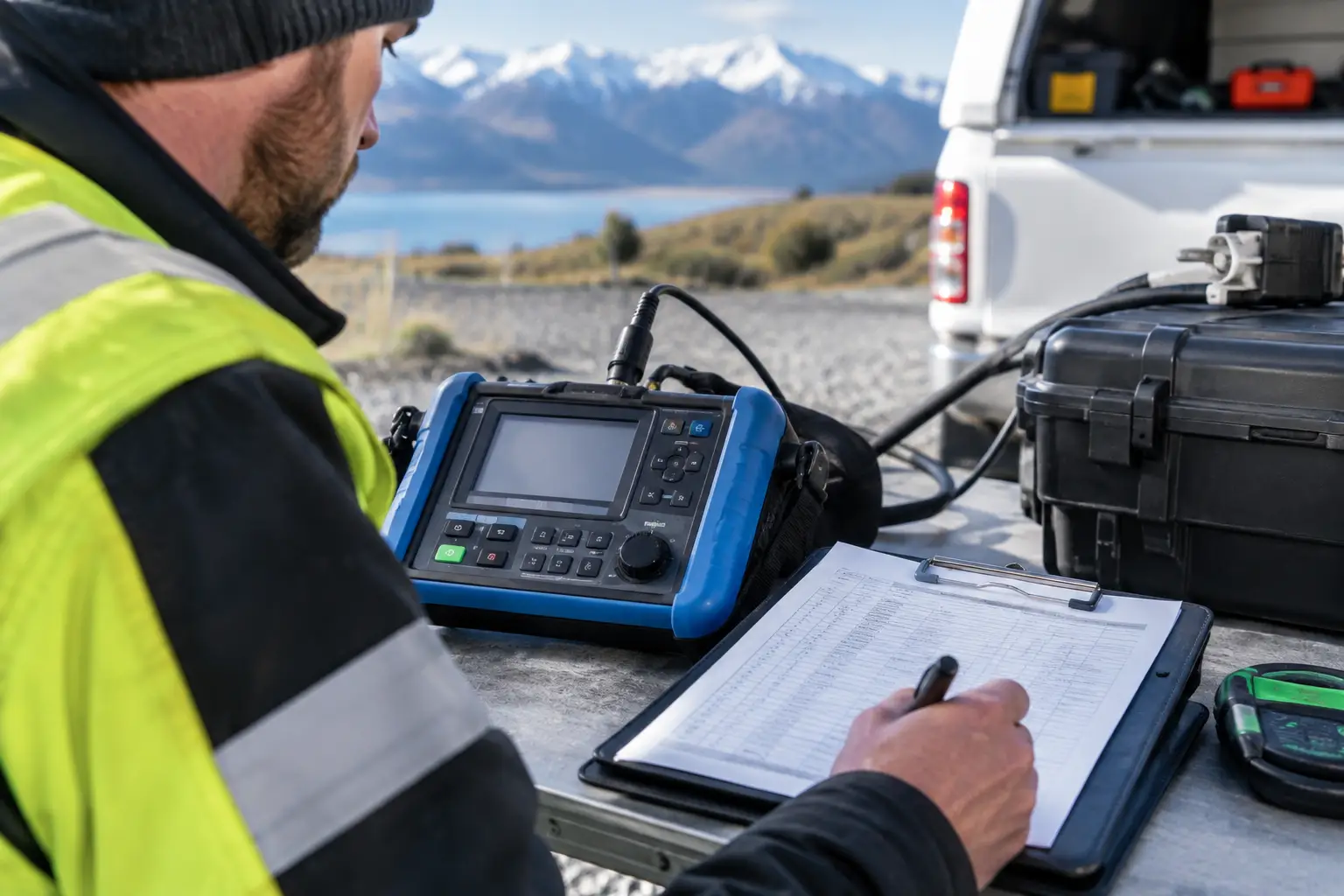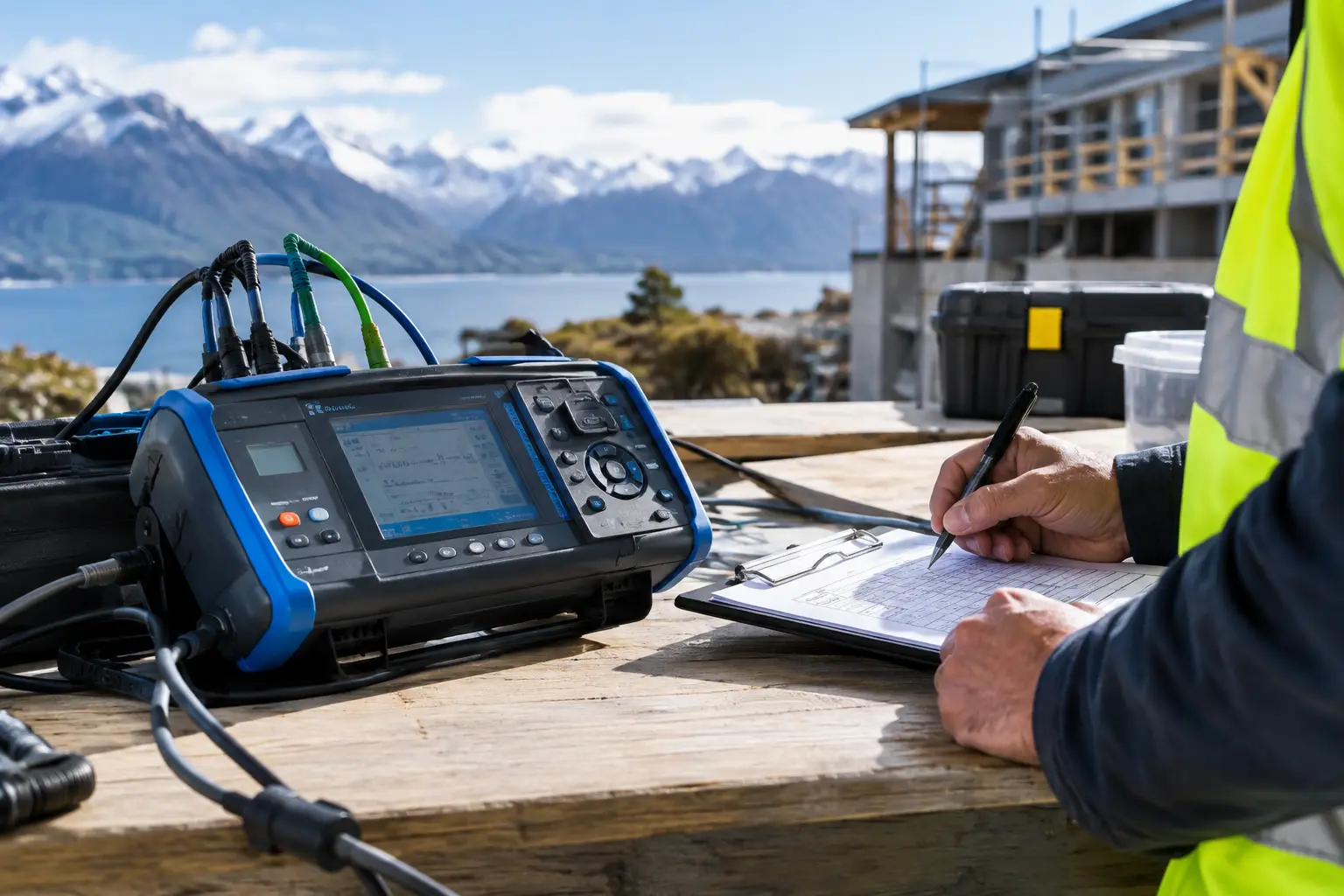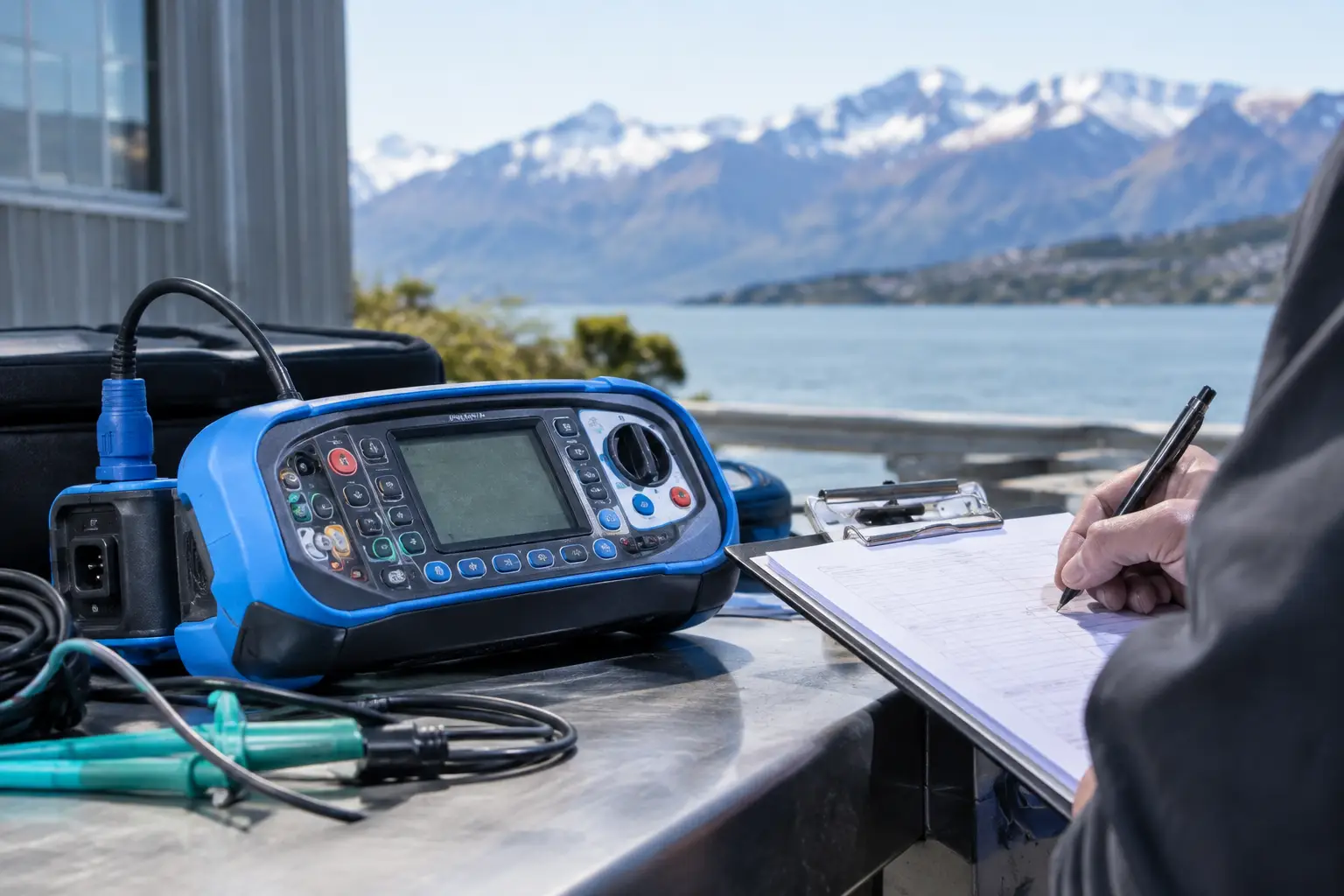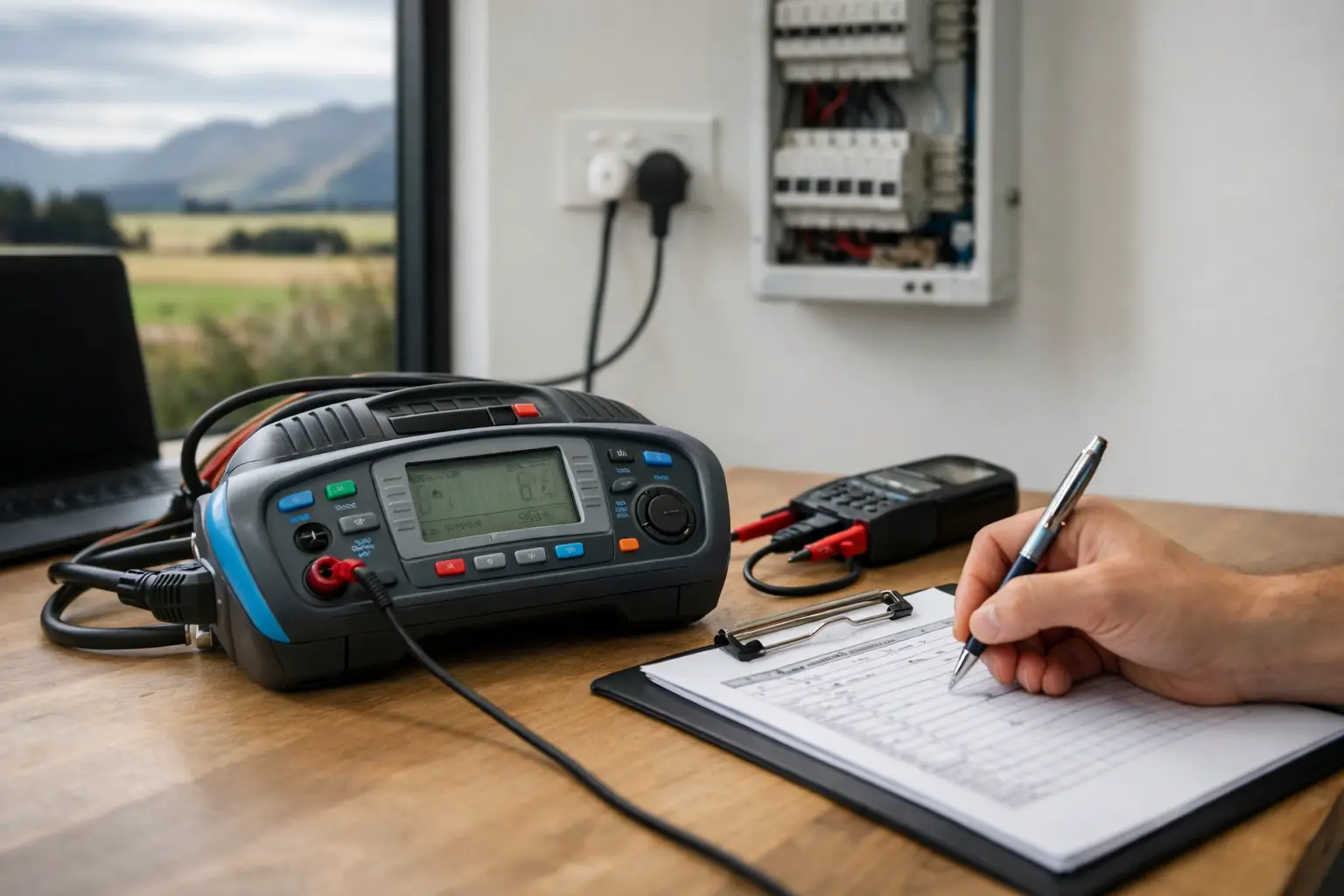
A failed lead removed from service is only half the job. If nobody can show when it was found, what equipment it belonged to, who assessed it or what happened next, the business has an avoidable gap in its safety records. Good electrical inspection record keeping turns testing activity into evidence that equipment risks are being actively managed.
For site managers, contractors and business owners, that evidence matters well beyond a routine test date. It helps workers identify equipment that is safe to use, gives health and safety teams a clear asset history, and provides practical documentation when a principal contractor, insurer or WorkSafe representative asks questions.
Why electrical inspection record keeping matters
Portable electrical equipment moves. A drill may leave the workshop for a construction site, extension leads get transferred between crews, and office appliances can be replaced without anyone telling the person responsible for compliance. Without a reliable record, it becomes difficult to know what has been inspected, what is overdue, and whether an item that failed inspection has actually been taken out of use.
A current register provides one source of truth. It records the equipment your business owns or controls, its inspection status and the next required action. That reduces the common last-minute scramble before a site audit and helps prevent an untested item from returning to service unnoticed.
Records also support a risk-based approach under AS/NZS 3760:2010. The standard provides guidance for the in-service safety inspection and testing of electrical equipment. It does not make every workplace identical. A lead exposed to dust, moisture, vehicle traffic and daily handling needs a different level of attention from a desktop monitor in a low-risk office. Your documentation should show that inspection intervals and follow-up actions reflect the environment and the equipment’s use.
What a useful equipment register includes
An asset register should be useful to the people running the site, not just a spreadsheet stored away for an audit. Each item needs enough detail to be identified quickly, even when similar tools are in circulation.
For most businesses, a practical record includes the asset ID or barcode, equipment description, brand and model where available, location or department, inspection date, test result and next due date. It should also identify the person or competent provider who completed the inspection and testing.
Where equipment fails, the record should state the defect or reason for failure and the action taken. For example, a damaged extension lead may be tagged out, removed from the work area and disposed of or held from use. The key point is traceability: a failed result should never sit in a report without a clear outcome.
Other useful details can include the equipment’s serial number, voltage or phase, the relevant test class and a note where an item is hired, customer-owned or temporarily brought onto site. These fields are particularly helpful on busy industrial and construction sites where equipment changes hands frequently.
The test tag is not the whole record
A tag provides an immediate visual check for workers. It normally identifies whether an item has passed, when it was tested and when it is due again. But tags can fade, be damaged, or be removed during normal use. They also do not provide the full history of an asset.
The register is the supporting record behind the tag. It allows a manager to search an asset number, confirm past results and demonstrate that a failed item was handled appropriately. Keeping both current is far stronger than relying on either one alone.
Make the process fit the way your site operates
The best record-keeping system is one that can be maintained when work is busy. A complicated process with incomplete fields and unclear ownership usually falls behind within a few months. Start by deciding who is responsible for adding new equipment, checking reports after testing and following up failed items.
For a small office, this may sit with a facilities contact or office manager. On a construction project, it may be shared between the project manager, site supervisor and subcontractors. Larger businesses may need a nominated contact in each department so equipment transferred between locations is not lost from the register.
A simple workflow works well:
- Add new or newly acquired equipment to the register before it enters service.
- Record inspection and test outcomes against the correct asset ID.
- Immediately isolate failed equipment and document its status.
- Review upcoming due dates before equipment becomes overdue.
- Reconcile the register against equipment physically on site at planned intervals.
The final step is often overlooked. A physical check can uncover tools that have been retired, assets that have moved locations and unrecorded equipment brought in by staff or contractors. It keeps the register credible rather than theoretical.
Set retesting intervals by risk, not habit
A fixed annual date can be easy to administer, but it is not always the best fit for every item. Retesting frequency should take account of how and where equipment is used, the likelihood of damage, and any client-site or principal contractor requirements.
Equipment used in harsh, high-turnover environments may need more frequent inspection than items in a clean, low-risk workplace. Construction, manufacturing, workshops and trade environments commonly expose leads, chargers and portable tools to rough handling, dust, moisture and mechanical damage. Offices generally present lower risk, but they are not risk-free. Damaged plugs, overloaded boards and worn appliance leads still need attention.
The register should record the due date assigned to each asset or asset group, rather than relying on someone’s memory of a general rule. If a client requires a specific cycle for all contractor equipment on site, document that requirement and apply it consistently. Where a business operates across several environments, separate schedules may be necessary.
Keep reports easy to retrieve when needed
Inspection records are most valuable when they can be found quickly. Store test reports, asset registers and failed-equipment records in a controlled location that the relevant managers can access. This may be a secure cloud folder, compliance platform or business records system. The format matters less than consistency, access control and clear version management.
Avoid having separate lists maintained by different teams without a process for reconciling them. Duplicate records can create confusion about which due date is correct. Similarly, a PDF report is useful evidence, but it is not a substitute for an updated working register that staff can use between inspection visits.
It is sensible to retain previous reports rather than overwriting them. Historical records can help identify recurring faults, equipment types that are failing prematurely, or areas where handling practices need improvement. They can also demonstrate that your business has continued to manage electrical equipment over time.
Use failure data to prevent repeat issues
A pattern of damaged leads in one loading area is not just an administrative issue. It may point to equipment being run across traffic routes, stored poorly or exposed to conditions it was not designed to handle. Likewise, repeated plug damage may indicate rough transport between sites.
Reviewing failure reasons gives managers an opportunity to address the cause, not merely replace the item. This can reduce downtime, limit replacement costs and strengthen workplace safety. Thermal imaging records can add another useful layer for larger electrical assets by documenting hotspots or abnormal heat patterns that warrant further attention.
Common record-keeping gaps to avoid
The most common gap is treating testing as a once-a-year event rather than an ongoing control. New equipment arrives, old equipment is disposed of, and tools are moved between jobs, yet the register stays unchanged. Another frequent issue is recording a failed result without documenting that the item was removed from use.
Be cautious with generic asset descriptions too. A register entry such as “black extension lead” is difficult to verify when there are twenty similar leads in a container. Unique labels and clear descriptions save time during inspections and site checks.
Finally, do not assume a current tag means an item is safe in all circumstances. Workers should still carry out a visual check before use and report damage immediately. Record keeping supports safe work practices; it does not replace them.
For South Island businesses managing multiple sites, seasonal work or changing crews, a scheduled testing partner can remove much of the administration. Phase Test and Tag provides inspection reporting, asset registers and proactive due-date reminders, helping businesses keep their records current without adding another complicated task to the day.
A well-kept record is not paperwork for paperwork’s sake. It is a practical way to show what equipment is on site, what condition it is in, and what your business has done to keep people safe.