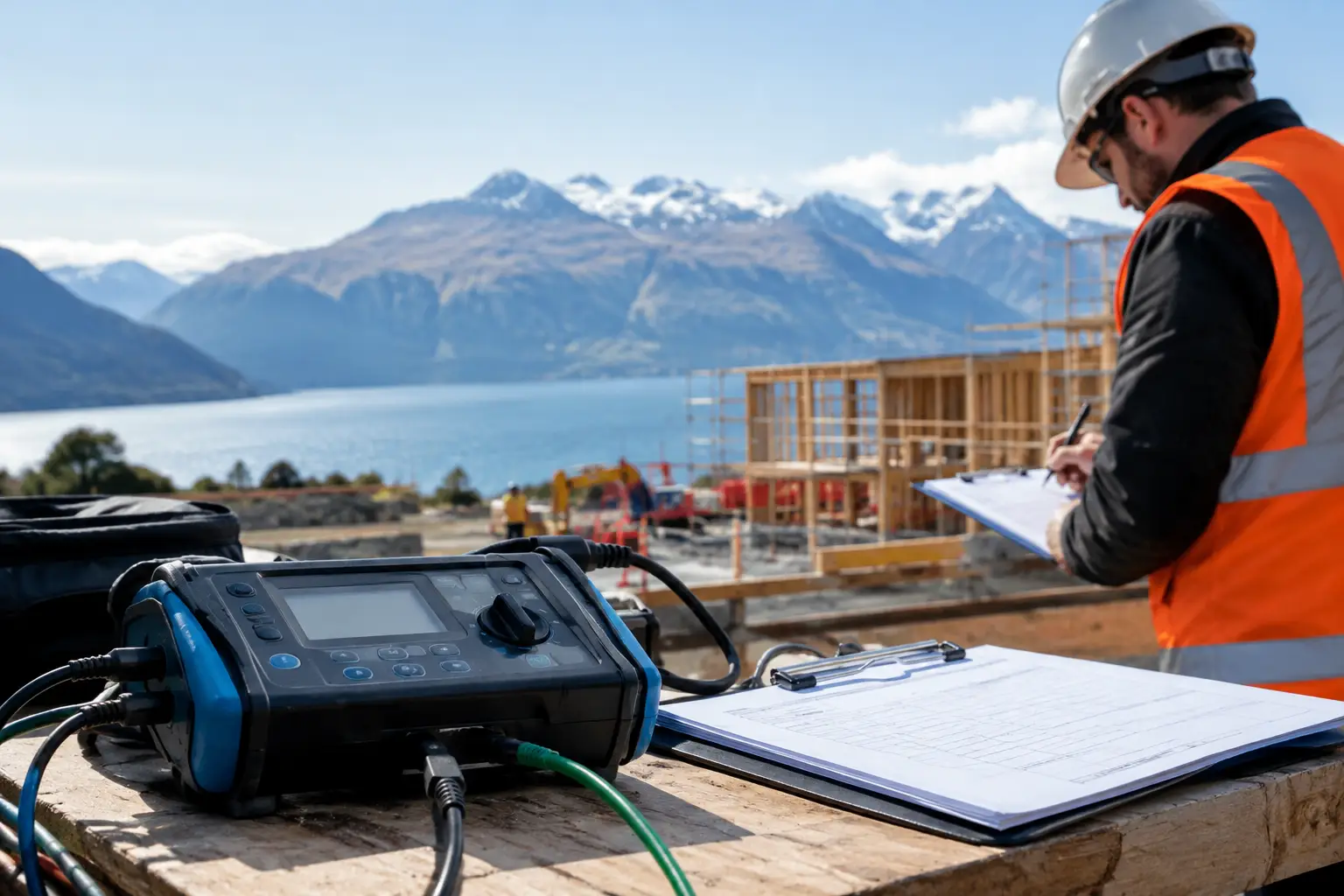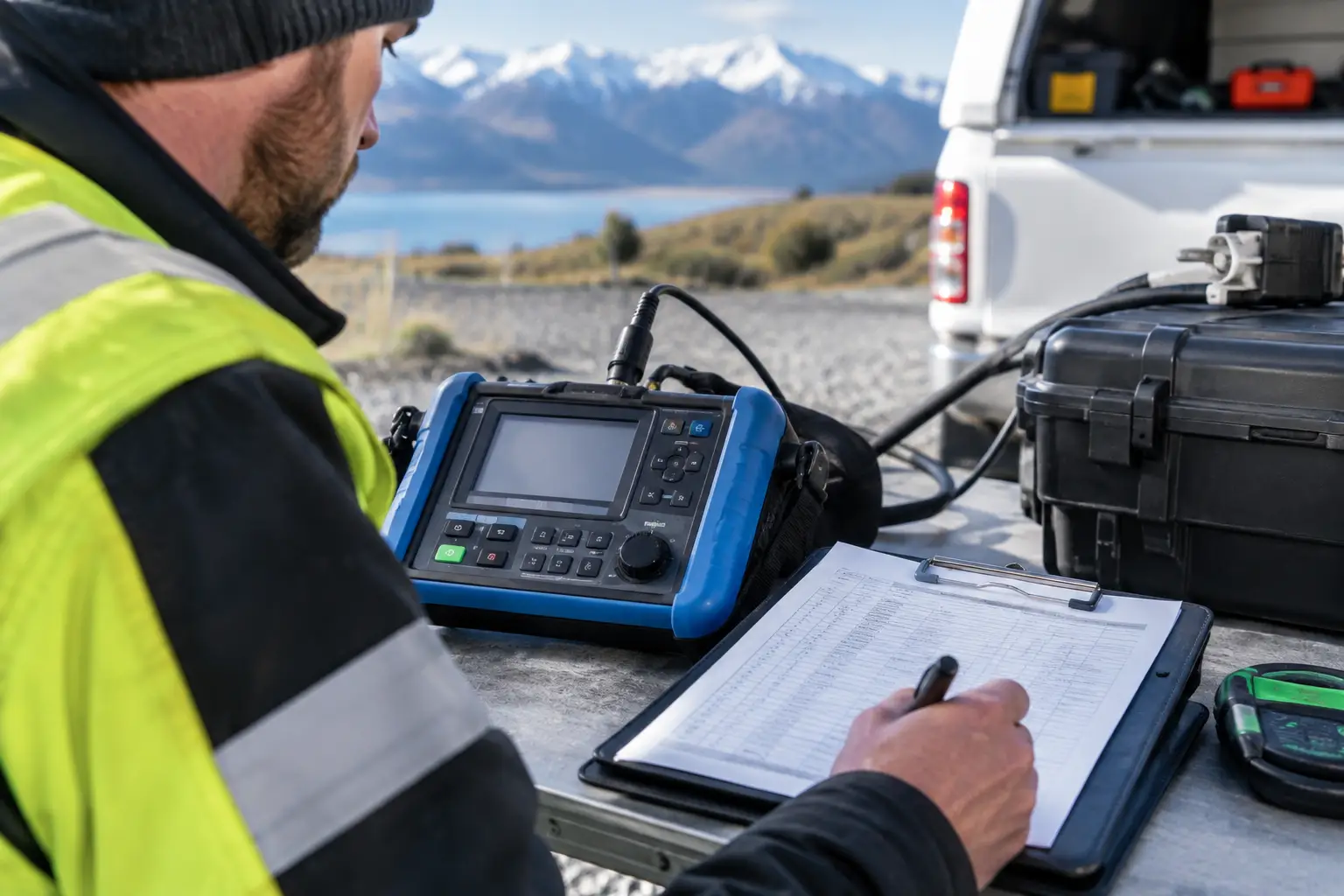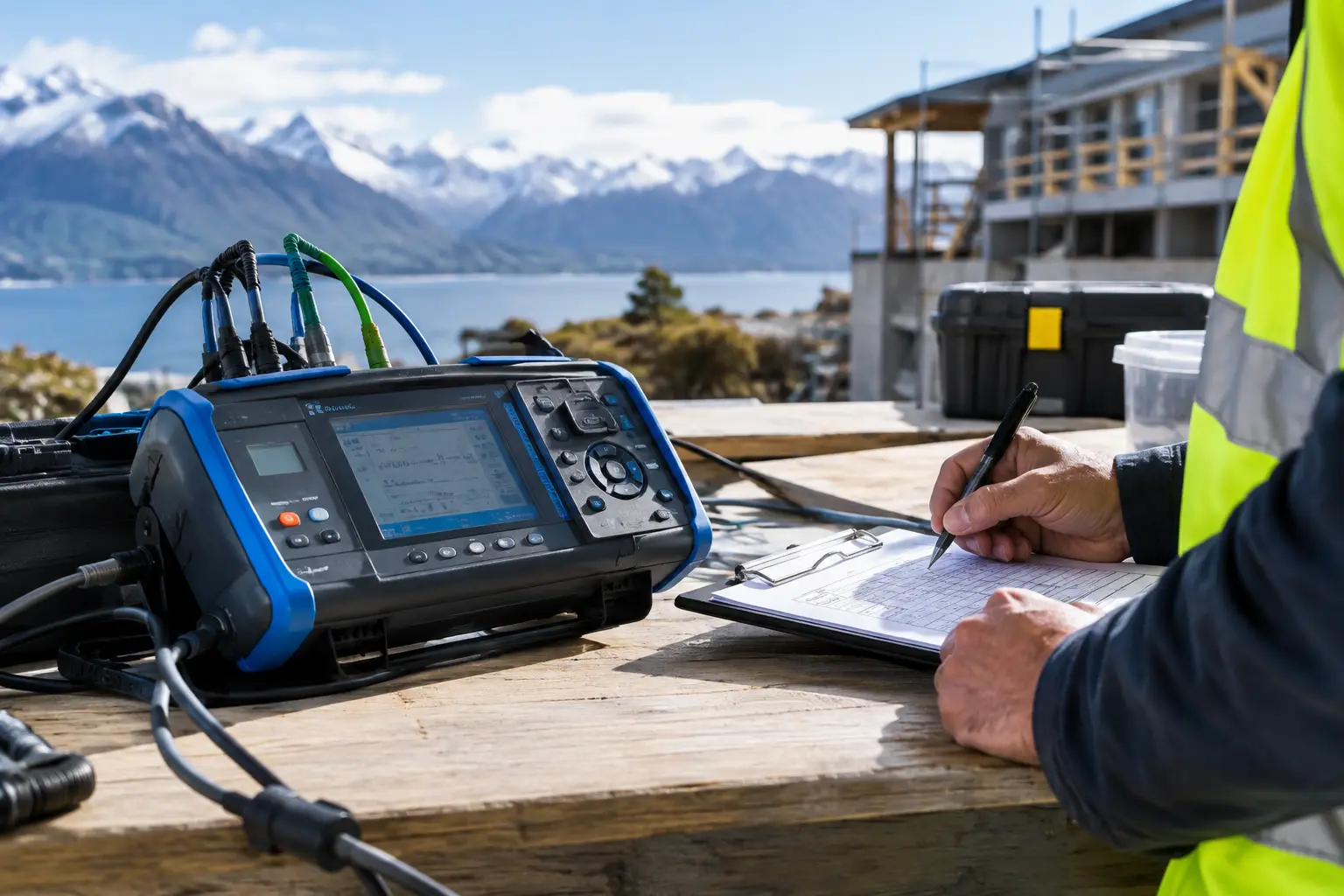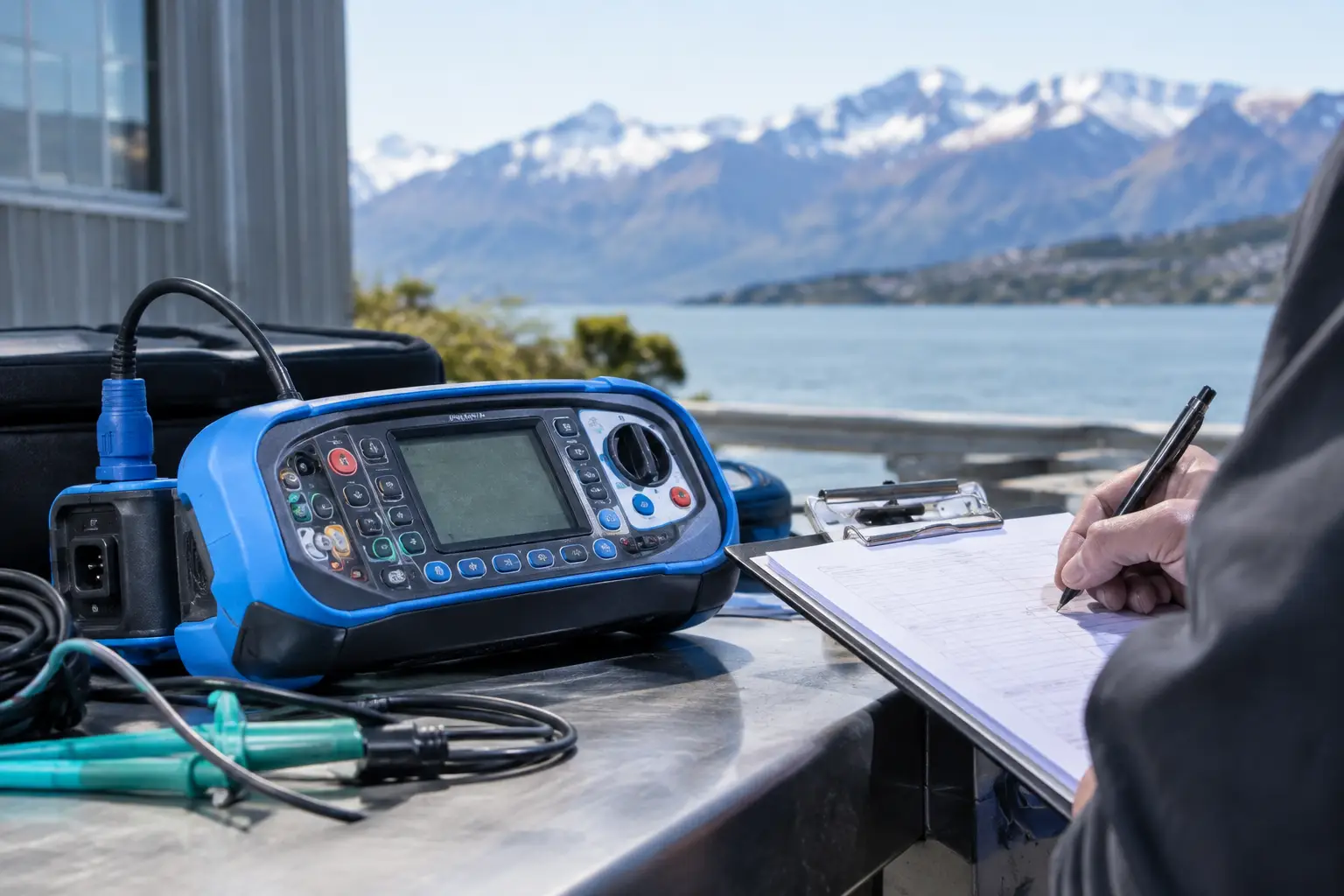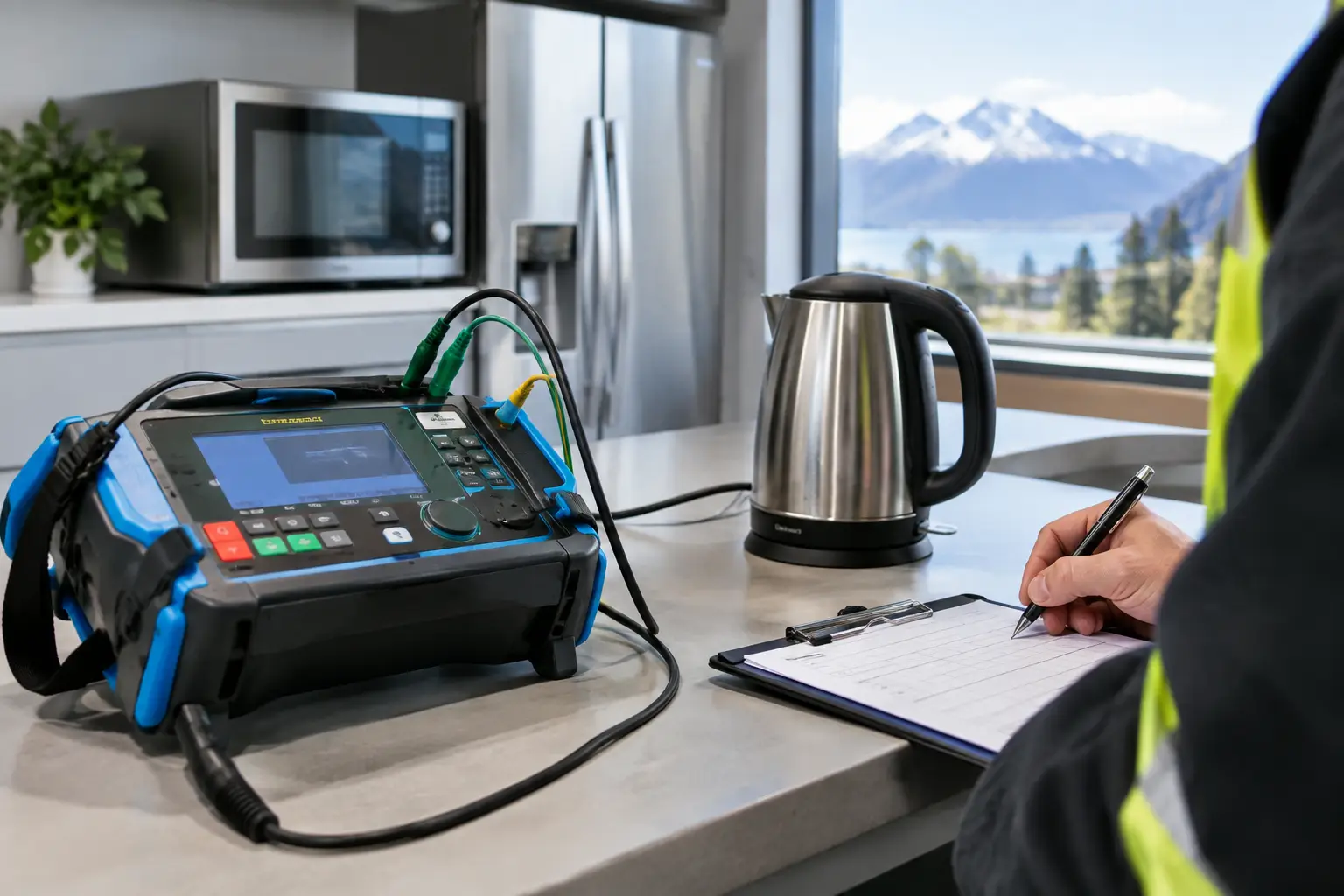
A damaged extension lead under a desk, a power tool with a cracked plug or a kitchen appliance with a worn cord can create a serious workplace risk long before it stops working. If you are asking which appliances need inspection, the practical answer is broader than most businesses expect: nearly every portable electrical item used at work should be included in a planned inspection and testing programme.
For busy site managers and business owners, the goal is not to test equipment for the sake of a sticker. It is to identify damage early, keep clear records and show that electrical safety is being managed sensibly under AS/NZS 3760:2010 and workplace health and safety expectations.
Which appliances need inspection in a workplace?
As a general rule, electrical equipment that plugs into a socket outlet and can be moved, carried or disconnected should be inspected. This includes equipment used every day, equipment brought onto site by contractors and items that only come out occasionally.
The highest-risk group is portable equipment used in demanding environments. These items are regularly moved, knocked, exposed to dust or moisture, and more likely to have cords pulled or plugs damaged. However, office and commercial equipment still needs attention. A printer or monitor in a clean office may face less wear than a demolition saw, but it can still develop faults through damaged leads, overloaded multi-boxes or poor storage.
Common equipment that should be included in an asset register and inspection schedule includes:
- Portable power tools, battery chargers, welders, grinders, drills and sanders
- Extension leads, power boards, portable RCDs, cord sets and plug-in adaptors
- Computers, monitors, printers, scanners, projectors and mobile chargers
- Kitchen and staff-room equipment such as kettles, microwaves, toasters and coffee machines
- Cleaning equipment including vacuum cleaners, floor machines and portable pumps
- Industrial and trade equipment, including three-phase portable machinery and equipment with flexible supply leads
This also applies to company-owned equipment taken between sites, hired equipment and personal appliances permitted in the workplace. If it plugs in and is used as part of work activity, it should not be overlooked simply because it belongs to someone else.
Appliances that are often missed
The equipment most likely to be missed is often the equipment people see as harmless. Phone chargers, desk fans, under-desk heaters, presentation equipment and spare extension leads can sit in cupboards or under workstations for years without anyone checking their condition.
Portable RCDs are another critical item. They are an additional layer of protection, particularly where portable equipment is used in construction, maintenance and outdoor settings, but they need regular inspection and testing to confirm they operate correctly. A damaged or non-functioning RCD can give a false sense of security.
Leads and power boards deserve the same attention as the appliance they supply. In many workplaces, they are more exposed to damage than the equipment itself. Cords run through doorways, across floors, around machinery or under furniture can become pinched, crushed, cut or strained at the plug connection.
Equipment that has been repaired, dropped, exposed to water, stored poorly or involved in an electrical incident should be checked before being returned to use, regardless of the date on its current test tag. A tag is evidence of a previous inspection, not a guarantee that nothing has changed since.
What about fixed equipment?
Equipment permanently connected to the electrical supply is not usually managed through the same portable appliance testing process as plug-in equipment. The key distinction under AS/NZS 3760:2010 is whether equipment is in-service electrical equipment with a flexible supply lead and plug, or whether it forms part of a fixed installation.
That said, fixed equipment should not be ignored in a broader safety plan. Signs such as heat damage, burning smells, flickering operation, unusual noise or discolouration should be acted on promptly. Thermal imaging can also help identify abnormal heat in electrical equipment and connections before a failure leads to costly downtime or a fire risk.
For mixed workplaces, it helps to separate portable equipment, three-phase portable equipment and fixed assets in your records. This makes responsibilities clearer and prevents important items from slipping between maintenance programmes.
Inspection is more than applying a test tag
A proper testing and tagging process begins with a visual inspection. This is where many defects are found: cracked plugs, exposed conductors, loose pins, damaged casings, makeshift repairs, cable joins and signs of overheating. The person inspecting the equipment also checks whether the item is suitable for its environment and whether its identification details are recorded correctly.
Electrical tests are then used to assess safety features that cannot be confirmed by looking at the appliance. Depending on the item, this may include earth continuity, insulation resistance, polarity or leakage-related checks. RCDs require their own functional tests.
If equipment fails, it should be clearly identified, removed from use and managed before it can be plugged in again. Leaving failed equipment in a lunchroom, store or site container because it is “only a small job” creates a preventable risk. Clear quarantine processes are just as valuable as the test itself.
A visible tag is useful because staff can quickly see an item has been inspected and when it is next due. Behind that tag, however, the asset register matters just as much. A complete register gives managers a record of what was checked, where it is located, its result and its next inspection date. It also makes site audits, insurance queries and client compliance requests far easier to manage.
How often should appliances be inspected?
There is no single retest interval that suits every business. Frequency depends on the type of equipment, the environment it is used in and the likelihood of damage. AS/NZS 3760:2010 provides guidance for different workplace situations, and a sensible programme should reflect the actual risk rather than applying the same date to everything.
Construction, demolition, manufacturing, workshops and outdoor work generally require more frequent inspections because equipment is exposed to rough handling, weather, dust, vibration and moving vehicles. Portable tools and leads used on these sites may need testing at intervals measured in months.
In a low-risk office, equipment is typically subject to less physical damage and can often be inspected at longer intervals. This does not mean office equipment is risk-free. High-use shared appliances, power boards and chargers can still deteriorate, particularly where cables are tangled, outlets are overloaded or staff bring in personal items.
Some equipment needs attention outside the normal schedule. Arrange an inspection after an item is dropped, crushed, soaked, damaged during transport, involved in a suspected electrical fault or returned after repair. New equipment should also receive an initial visual check and be entered into the asset register before it is put into service.
A practical way to manage appliance inspections
The easiest approach is to treat electrical compliance as a routine site task rather than a once-a-year scramble. Start by walking through each work area and identifying every plug-in item, lead, power board and portable RCD. Include storage rooms, staff kitchens, vehicles, site sheds and equipment that moves between locations.
Next, group equipment by risk and environment. A portable grinder on an active worksite should not share the same testing cycle as a monitor in a clean administration office. Record the asset description, serial number where available, location, owner and test due date. This creates a useful baseline and makes future inspections more efficient.
Staff should also know what to look for between formal testing dates. Frayed cords, loose plugs, cracked housings, heat marks and equipment that cuts in and out are all reasons to stop using an item and report it. Everyday vigilance catches issues that arise after the last scheduled visit.
For businesses with multiple sites or changing crews, proactive reminders and clear reporting reduce the administrative burden. A qualified test and tag provider can help set risk-based intervals, inspect single-phase and three-phase portable equipment, maintain records and give managers a clear view of what is due next.
Keep the focus on equipment condition
The question is not only which appliances have a current tag. It is whether every plug-in item your people rely on is being checked at a frequency that matches its environment and use. A well-managed inspection programme gives your team confidence to get on with the job, while reducing the chance that a damaged lead or appliance becomes the incident everyone wishes had been caught earlier.