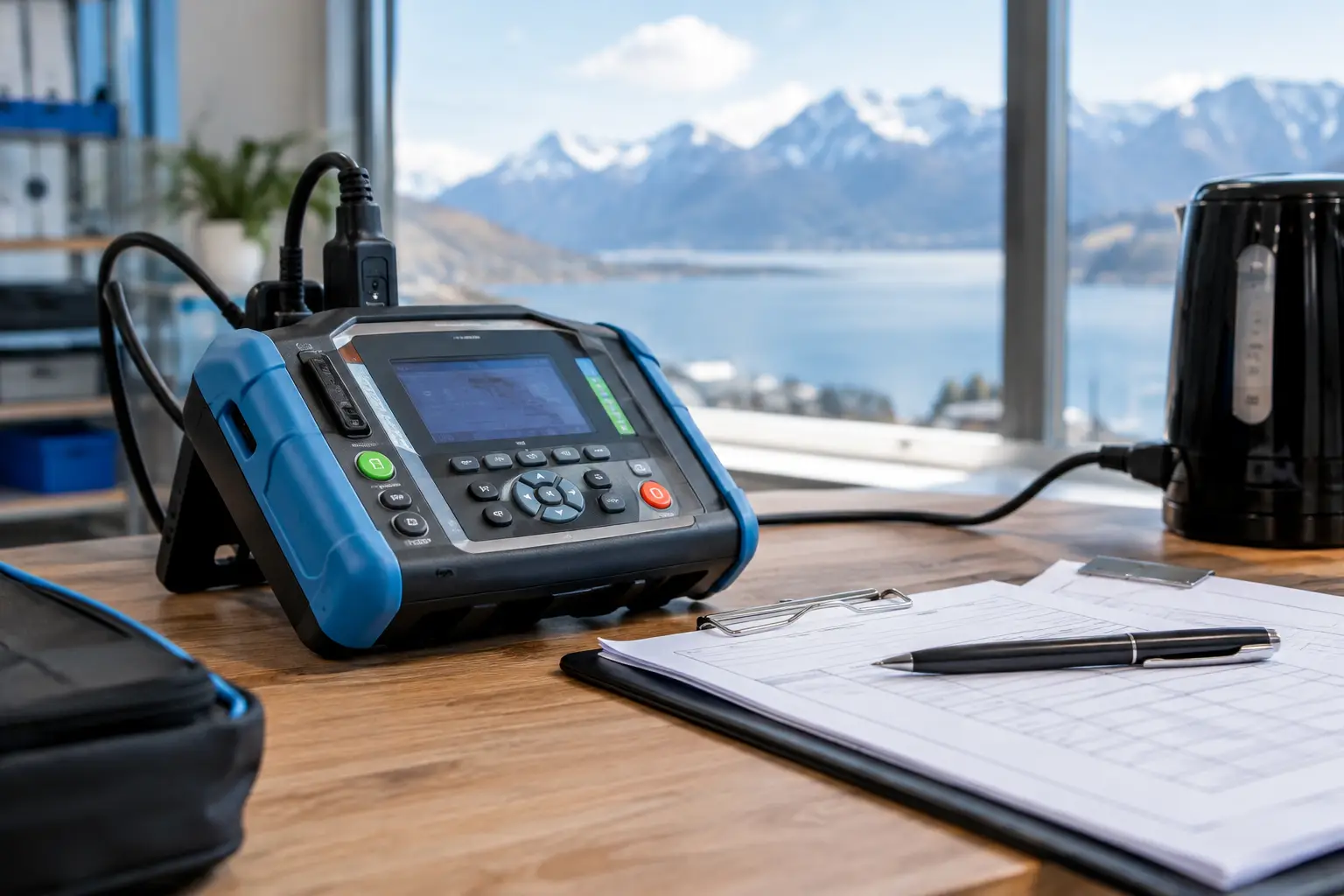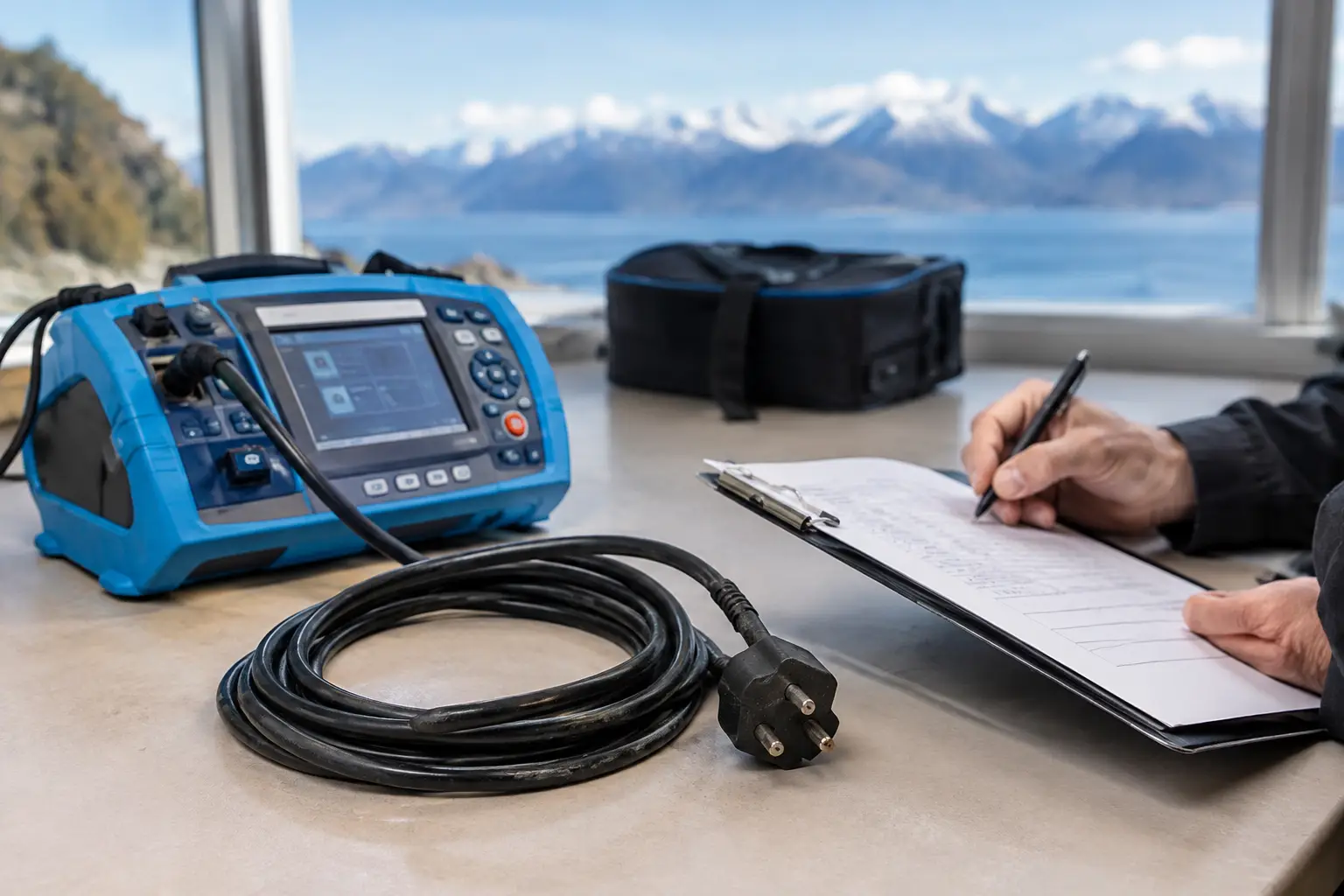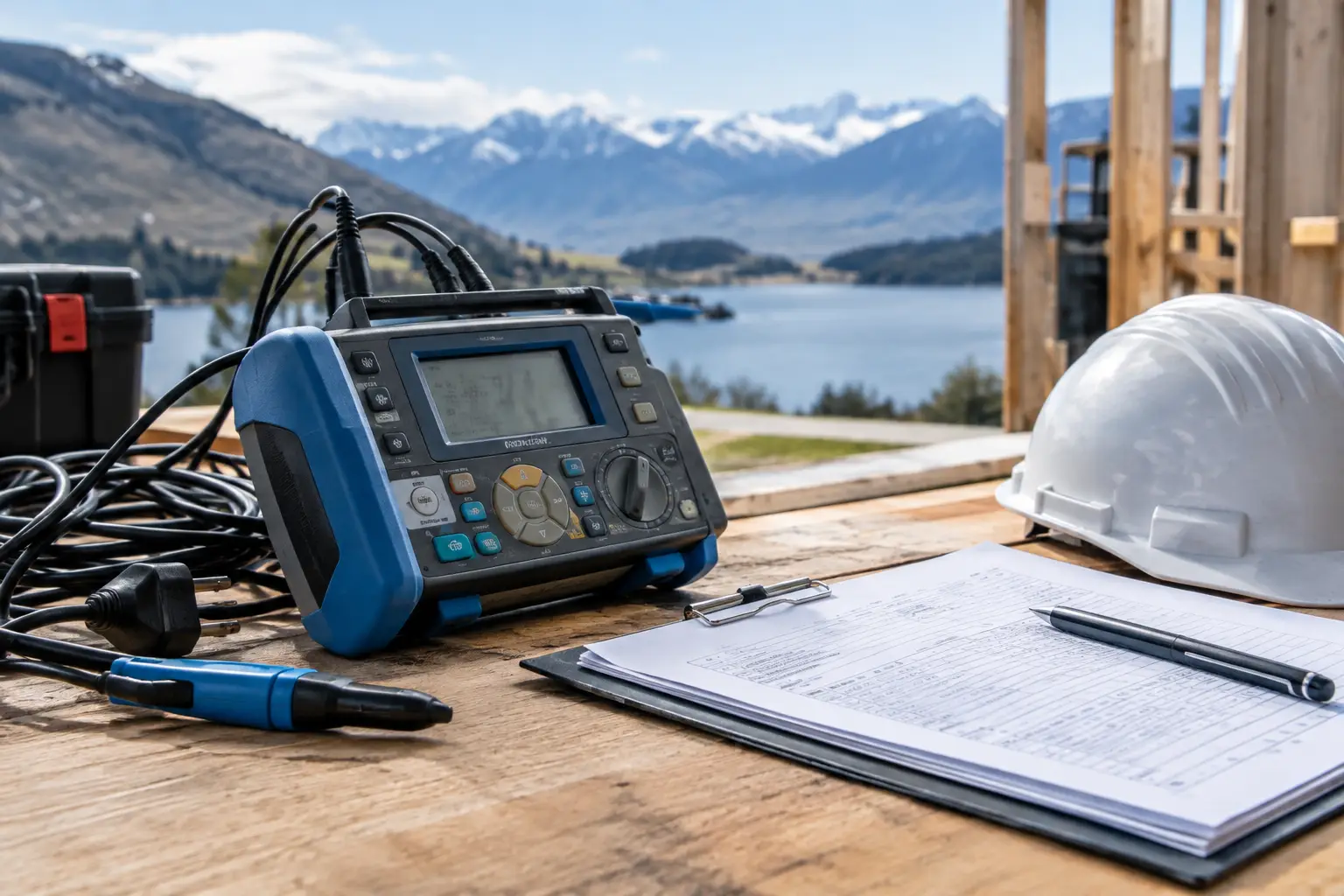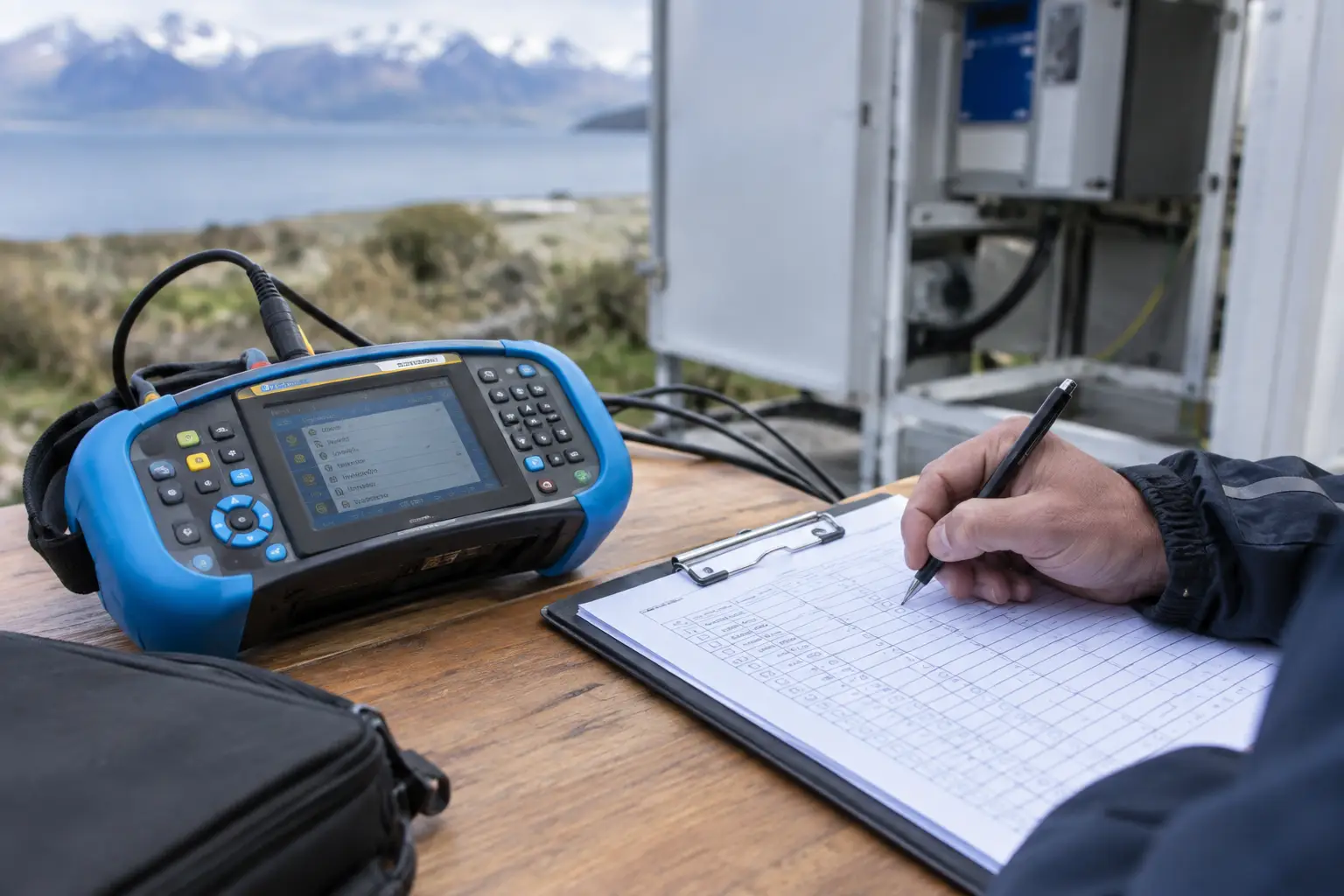
A damaged extension lead behind a workbench, an untagged drill in a site shed or a heater brought in from home can create a serious gap in your safety system. A workplace compliance checklist gives busy managers a practical way to identify those gaps before they lead to injury, fire, downtime or difficult questions from a client, insurer or regulator.
For workplaces using portable electrical equipment, compliance is not achieved by arranging a test once and filing the report away. It relies on a repeatable process: knowing what equipment is on site, checking its condition, testing it at suitable intervals and keeping clear records. The right system also needs to reflect the risk of your environment. A clean office and a busy construction site should not be managed in exactly the same way.
What a workplace compliance checklist should achieve
A useful checklist turns electrical safety from an occasional task into a routine part of site management. It should help your team confirm that portable appliances, leads, power boards and three-phase equipment are safe to use, identifiable and supported by current documentation.
It should also make it easy to respond when conditions change. New equipment arrives, staff bring appliances from home, contractors come onto site and equipment is moved between low-risk and harsh environments. Without a clear process, these items can slip past the next testing cycle.
AS/NZS 3760:2010 provides the framework for in-service safety inspection and testing of electrical equipment. While testing and tagging is only one part of workplace safety, it creates a documented record that supports your wider health and safety responsibilities. The appropriate inspection and testing frequency depends on the equipment, how it is used and the environment it works in.
Workplace compliance checklist: start with your equipment register
Your asset register is the foundation of electrical compliance. It should identify each item that needs managing, rather than relying on staff memory or a pile of old test sheets. Include portable appliances such as computers, monitors, kitchen equipment, fans, cleaners and chargers, along with extension leads, portable RCDs, power boards and tools.
For each asset, record a unique identifier, a description, its location, test date, next due date and test result. Larger or more complex sites may also benefit from recording the department, equipment owner and whether the item is single-phase or three-phase.
The register does more than satisfy an administrative requirement. It lets you quickly answer practical questions: Is this item current? Has this lead already failed? Which equipment is due next month? What was removed from service after a fault? This level of visibility saves time during audits, client prequalification and insurance reviews.
Check new and relocated equipment before use
New equipment should be added to the register when it enters service, not at the next scheduled visit. The same applies to equipment transferred from another depot, hired equipment and items returned after repair or extended storage.
When an appliance moves from an office into a workshop or construction environment, reconsider its testing interval. The equipment may be exposed to dust, moisture, impact, trailing leads and more frequent handling. Its risk profile has changed, even if the appliance itself has not.
Inspect equipment between formal test dates
A current tag is not a guarantee that equipment remains safe until its next due date. Daily handling, site conditions and accidental damage can all affect electrical safety after testing has been completed.
Give workers a simple pre-use check: look for cracked plugs, damaged insulation, exposed wiring, loose connections, scorch marks, bent pins, damaged casings and signs of overheating. Extension leads and power boards deserve particular attention because they are often dragged, crushed, overloaded or used in unsuitable locations.
If something looks damaged or operates abnormally, take it out of service straight away. Label it clearly so it cannot be used by someone else, then arrange assessment through your established process. A practical culture matters here. Workers need to know that reporting a faulty lead is the expected action, not an inconvenience that slows the job down.
Set testing intervals to match site risk
There is no single testing frequency that suits every workplace. A low-risk office environment generally has different exposure levels from a factory floor, warehouse, school workshop or construction project. Equipment that is frequently moved, used outdoors or exposed to rough treatment will usually need closer attention than a monitor sitting on a fixed desk.
When setting your schedule, consider where the equipment is used, whether it is portable, how often it is handled and the consequences if it fails. Also account for client rules and contractual requirements. Some principal contractors and managed sites set their own testing schedules for equipment brought onto their premises.
Your checklist should clearly state the interval that applies to each area or class of equipment. That removes guesswork for supervisors and helps prevent a common problem: a tag may still appear current, but it may not meet the site-specific requirement.
Keep failed items and corrective actions visible
A failed test should trigger a documented response, not just a failed tag. Record the equipment ID, fault found, date removed from service and the action taken. If the item returns to use, make sure the register shows the relevant inspection or test outcome before it is released.
This creates an audit trail and helps identify recurring problems. For example, repeated damage to leads in one work area may point to poor storage, vehicle movement, unsuitable routing or a need for better protection. Compliance records can reveal operational issues that are easy to miss when each fault is treated as a one-off.
Include contractor and shared equipment controls
Contractors often bring their own tools, leads, chargers and portable equipment onto site. If your business controls the workplace, your checklist should set out how this equipment is managed before use. The process might include confirming current tags, checking visible condition and recording any site-specific requirements.
Shared equipment needs equal care. A power board used by several teams may have no obvious owner, while a mobile tool kit can move between locations without being updated on the register. Allocate responsibility for checking these items and make the process clear during inductions and toolbox talks.
It depends on the site, but a simple entry check can prevent untested or unsuitable equipment becoming part of the daily workload. This is especially valuable on construction, industrial and trade sites where equipment changes hands regularly.
Use thermal imaging where visual checks cannot see the risk
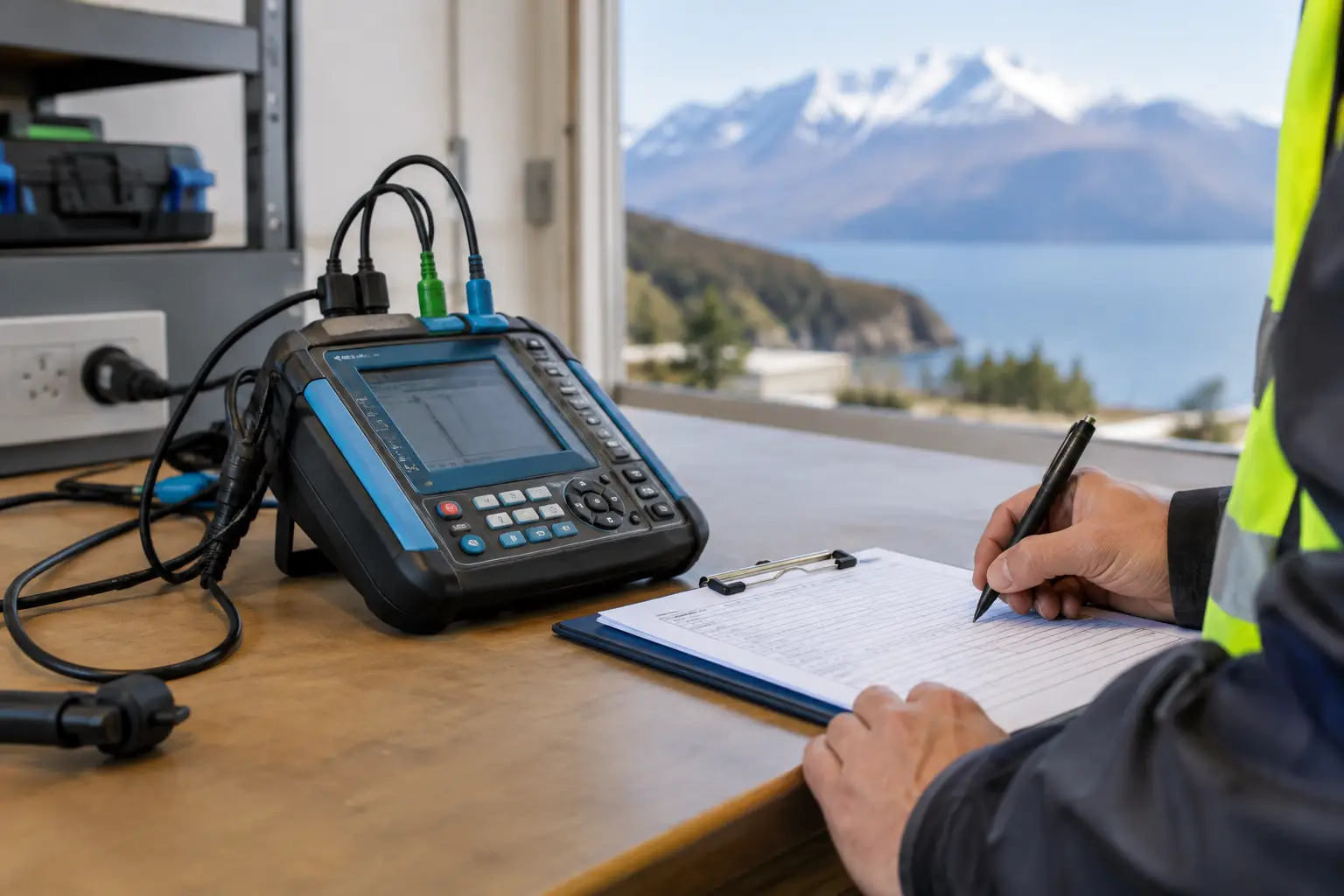
Not every electrical risk is visible on a plug or appliance casing. Thermal imaging can identify abnormal heat in electrical equipment and connections, helping reveal hotspots, developing faults and energy loss before they become a failure or fire event.
This is particularly useful in commercial and industrial environments where operational continuity matters. A thermal scan is a preventative maintenance tool, not a replacement for portable appliance testing. Used together, these services provide a clearer picture of both portable equipment condition and emerging heat-related issues.
Make documentation easy to retrieve
When a client asks for evidence of testing or an incident needs reviewing, you should be able to find the relevant records quickly. Keep your asset register, test reports, failed-equipment records and any corrective actions in one controlled location. Make sure the people responsible for health and safety, facilities or project delivery can access the current version.
Set reminders before equipment is due, rather than after tags have expired. A scheduled approach spreads the workload, reduces disruption and gives you time to account for equipment that is off site or temporarily unavailable. Phase Test and Tag can provide clear reporting, asset-management documentation and proactive reminders to help South Island businesses stay on top of upcoming testing dates.
Review the checklist after changes and incidents
Your process should be reviewed when you open a new area, take on a major project, change how equipment is used or experience an electrical near miss. Ask whether the register is still complete, whether inspection intervals still reflect the environment and whether workers understand what to do with damaged equipment.
The best checklist is one your team can actually follow. Keep responsibilities clear, records current and reporting straightforward. When electrical compliance is built into the rhythm of the workplace, it becomes far easier to protect people, avoid preventable interruptions and demonstrate that safety has been managed with care.