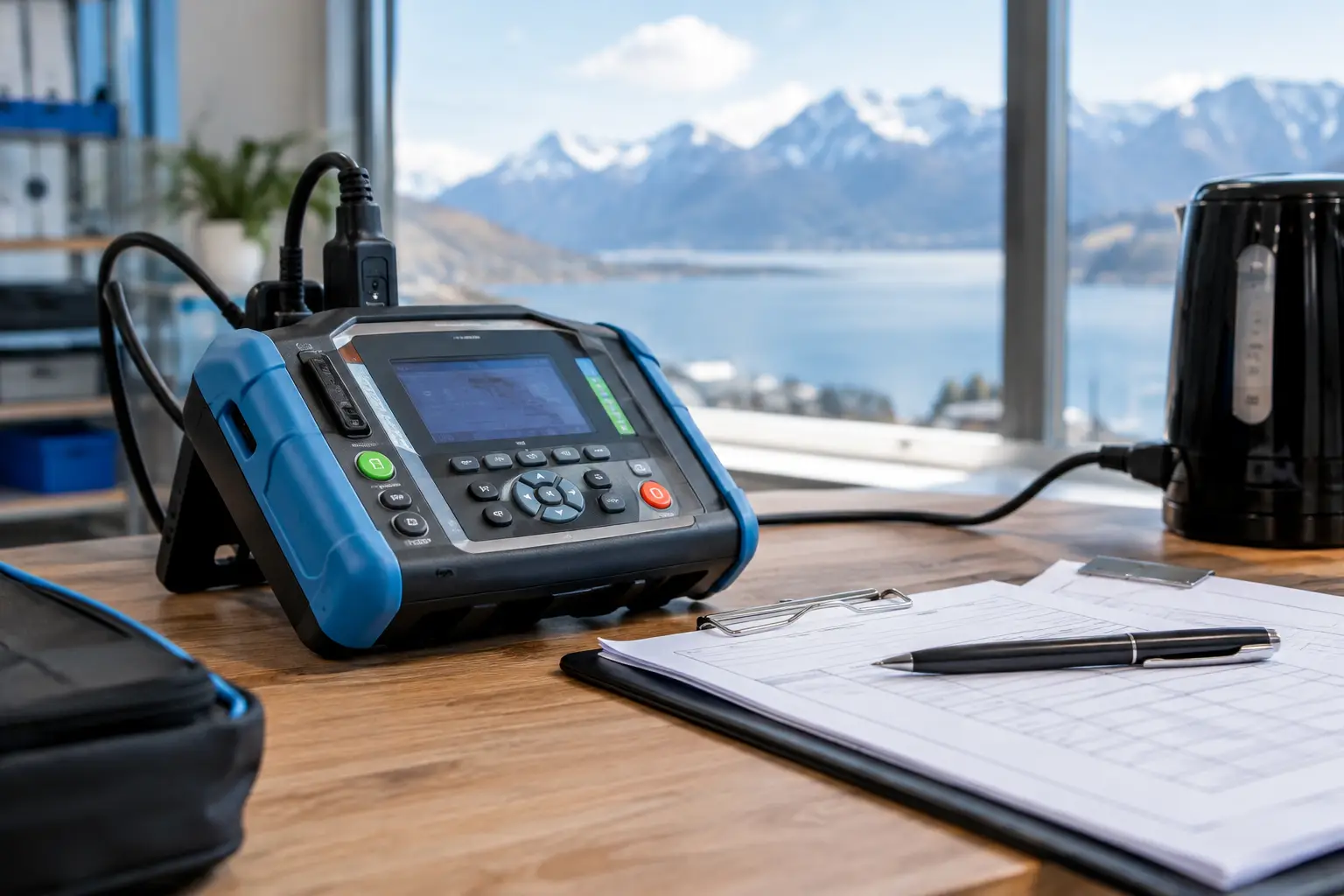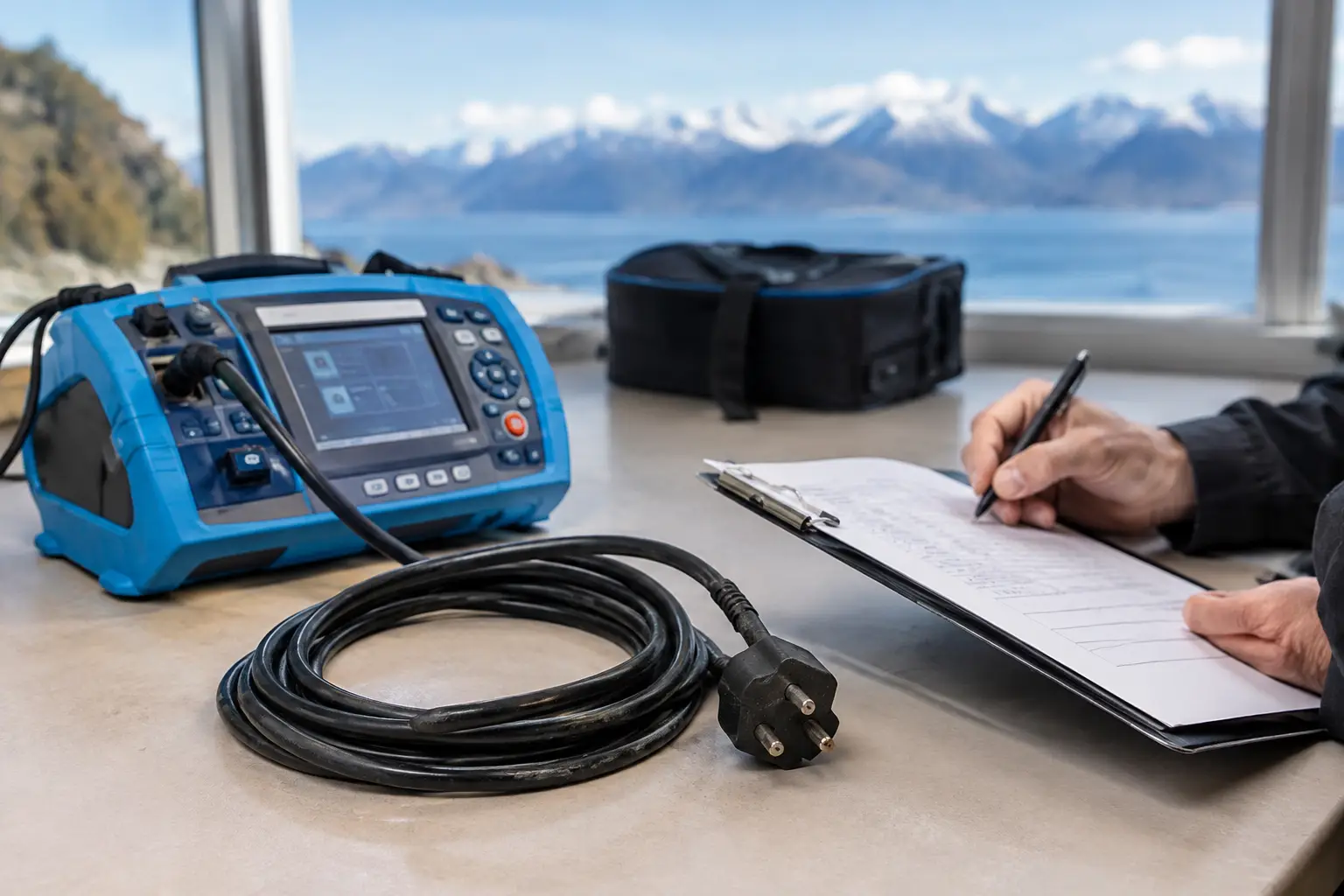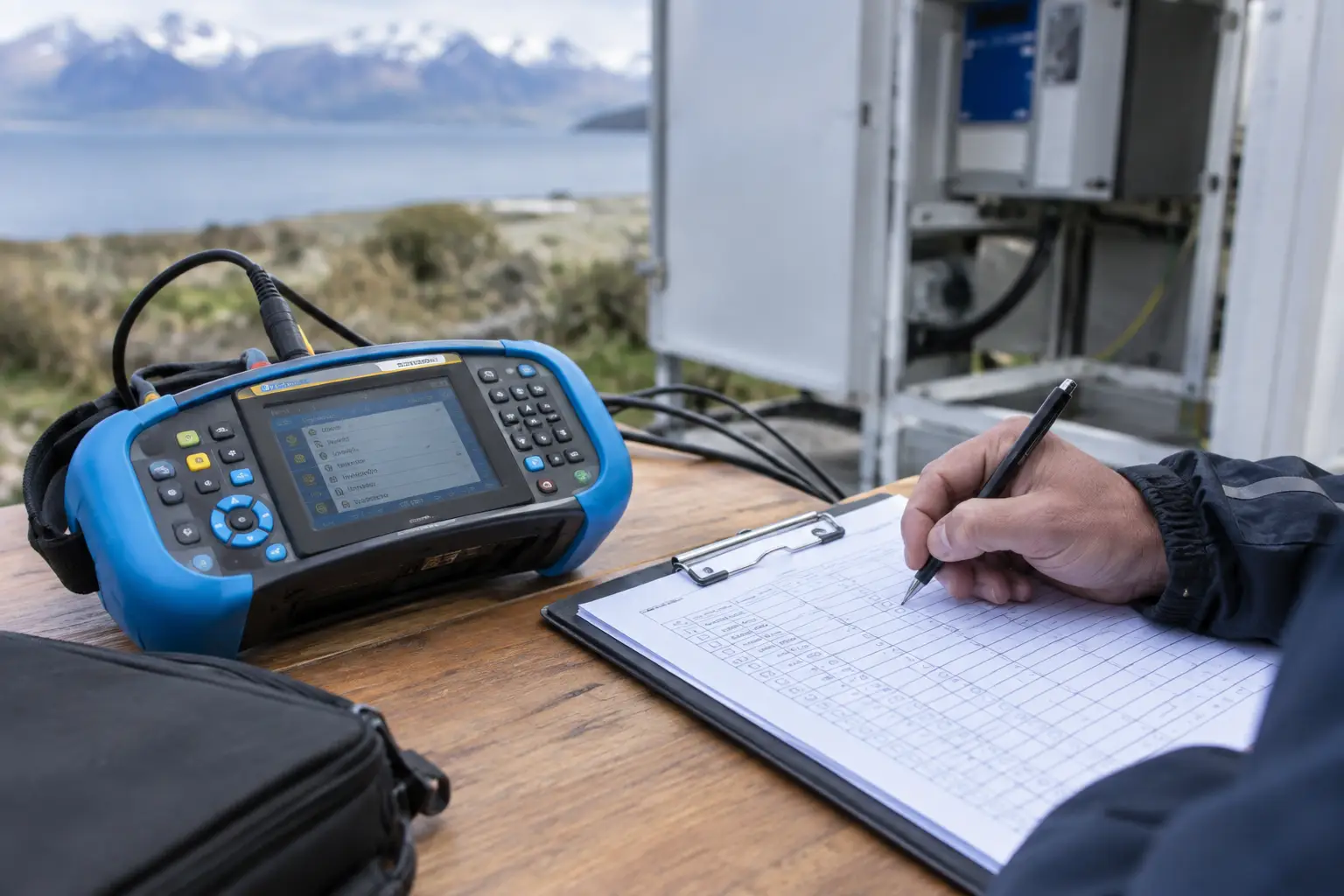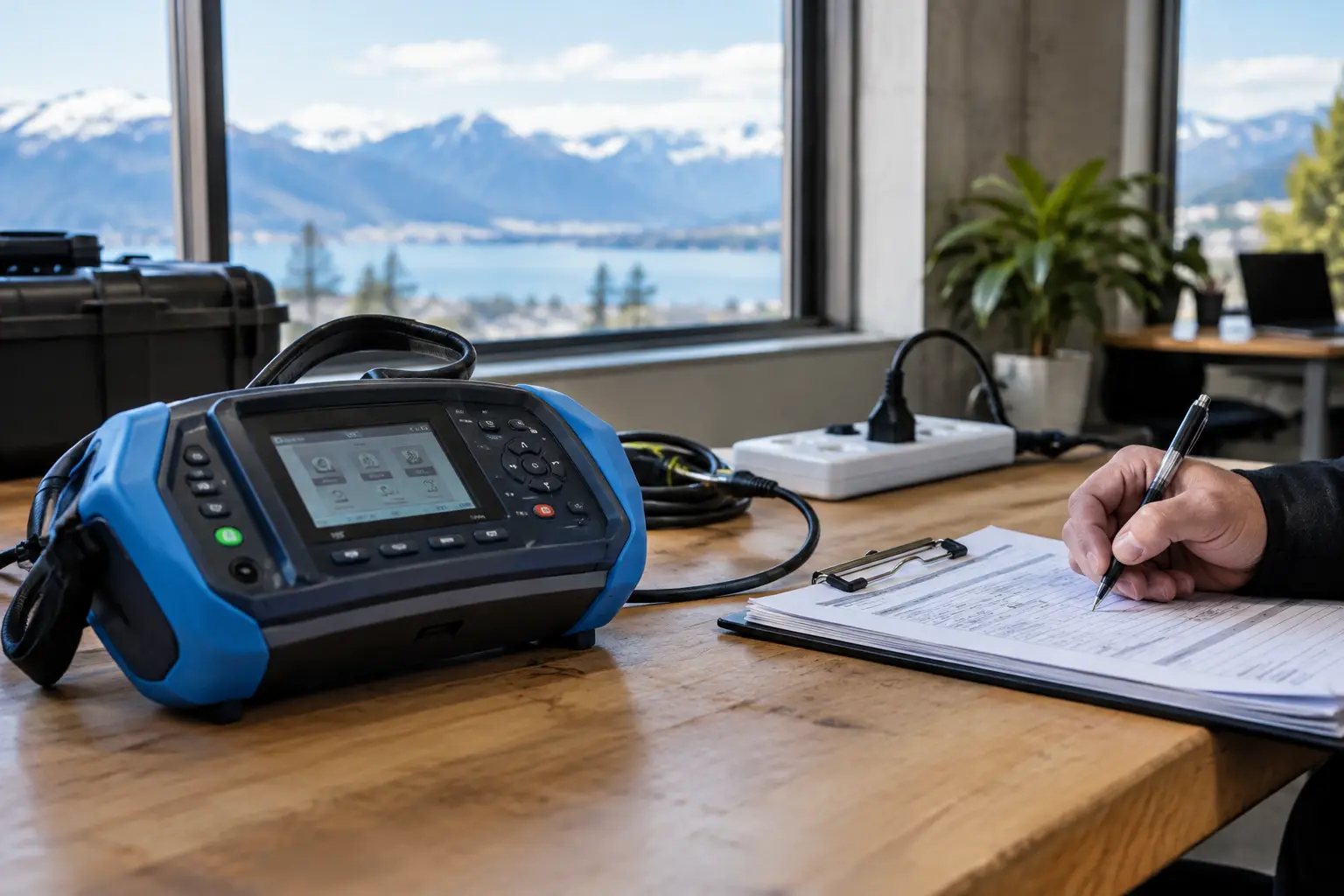
A damaged extension lead on a busy site can look harmless right up until it is dragged through water, crushed beneath a scissor lift or handled with wet gloves. That is why a practical construction power tool compliance guide needs to go beyond putting a coloured tag on equipment. It should give site managers and contractors a clear routine for finding faults early, keeping reliable records and removing unsafe gear before it disrupts work or hurts someone.
Construction sites place unusually hard demands on portable electrical equipment. Tools move between crews, sheds, vehicles and changing work areas. Leads are exposed to sharp edges, dust, rain, traffic and rough handling. A sound compliance process recognises those conditions and makes electrical safety part of everyday site control, not a last-minute exercise before an audit.
Why construction tools need closer control
Portable tools and leads are among the most heavily used electrical assets on a construction site. Drills, grinders, saws, chargers, temporary lighting, leads, RCDs and three-phase equipment can all deteriorate through normal work. Damage is not always obvious from a distance, and a tool that starts and runs may still have an unsafe earth connection, insulation fault or damaged plug.
Under AS/NZS 3760:2010, construction and demolition environments are generally treated as high-risk settings. The commonly applied testing and tagging interval for portable electrical equipment in these environments is every three months. However, the right programme depends on the actual conditions, the type of equipment and any tighter principal contractor, client or insurance requirements.
Three months is not permission to ignore equipment in between. A lead can be damaged ten minutes after testing. Operators need to check equipment before use, while supervisors need a simple process for isolating faults and arranging assessment. Regular formal testing supports those daily checks by verifying the safety of equipment through inspection and electrical testing.
Construction power tool compliance guide: the essentials
A workable programme begins by knowing what is on site and who is responsible for it. Every portable electrical item should be identifiable in an asset register, whether it belongs to the head contractor, a subcontractor or a hire company. The register does not need to create paperwork for paperwork’s sake. It should make it easy to see the asset description, unique ID, test date, next due date, test outcome and any relevant location or owner details.
A current tag is useful because it gives workers a quick visual reference. It should be legible, securely attached and show the test status and next test due date. But a tag is only one part of compliance. It does not replace a visual check, and it does not make visibly damaged equipment safe to use.
The most reliable system combines four controls:
- pre-use visual checks by the person using the equipment;
- formal inspection and testing at the appropriate interval;
- a maintained asset register and test report; and
- immediate isolation of damaged or suspect equipment.
These controls work together. If an operator spots a split lead sheath, loose plug pins, cracked tool housing, taped repair, exposed wiring, overheating or a burning smell, the item should be taken out of service straight away. Mark it clearly so it cannot be returned to the toolbox by mistake. Do not rely on verbal warnings alone on a fast-moving worksite.
What a pre-use check should cover
Pre-use checks are quick, but they need to be meaningful. Workers should look over the plug, lead, strain relief, casing and guards before connecting a tool. They should also consider the work area: is the lead running through water, across a vehicle route, under a sharp edge or where it will create a trip hazard?
For battery-powered tools, inspect chargers and charging leads as carefully as corded tools. Charging stations can become crowded, poorly ventilated and prone to damaged cables. The battery tool may be cordless, but its charging equipment is still a portable electrical asset requiring appropriate control.
RCDs also deserve regular attention. On construction sites, portable RCDs are often the final protective device between a fault and serious harm. Follow the manufacturer’s instructions and site procedures for push-button testing, and ensure RCDs are included in the formal inspection and test programme. An RCD that will not trip, is physically damaged or repeatedly trips needs prompt investigation rather than being bypassed.
Keep contractor equipment visible
One common gap is equipment brought in by subcontractors. A site may have a well-managed register for company-owned tools while private tools, temporary leads and specialist equipment remain unrecorded. This creates uncertainty about whether items have been tested, who owns them and when they are due.
Set expectations during site induction and make them consistent. Contractors should bring equipment with current evidence of testing where required, submit it for site verification or testing before use, and remove any equipment that fails inspection. The practical approach depends on site size and contractual arrangements, but the rule should be clear: unverified or damaged electrical equipment does not enter service.
For larger projects, it helps to nominate a person responsible for checking incoming equipment and updating the register. This avoids the register becoming a static spreadsheet that no longer reflects the tools actually in use.
Testing intervals should reflect site risk
The three-month interval often applies to construction and demolition equipment because the environment is demanding. Yet there can be differences within the same project. A grinder used outdoors every day will face a different level of wear from a printer operating in a protected site office. A tailored programme can assign equipment to its genuine environment rather than treating every asset identically.
That said, lower-risk equipment should not be used as a reason to relax controls across the site. When an office appliance is moved into a workshop, temporary site hut or exposed work area, its risk profile changes. Record the change and assess whether it needs an earlier test.
Project managers should also check client specifications. Some sites require more frequent inspections, particular tag colours or documentation to be available before a contractor can begin work. Meeting AS/NZS 3760:2010 is a strong foundation, but contract conditions and workplace procedures may add further requirements.
Documentation that helps during an audit and after an incident
Good records save time when a client, insurer or health and safety representative asks for evidence. More importantly, they help identify patterns before they become a larger problem. If the same style of lead repeatedly fails near a particular work zone, the cause may be site handling, storage or traffic management rather than the lead itself.
Keep test reports and asset registers accessible to the people who need them. Records should show passed and failed items, not merely the equipment that passed. Failed items need a clear trail showing they were removed from service and not simply reintroduced without assessment.
A dependable testing provider can supply reporting that makes upcoming due dates easy to track, along with proactive reminders. For busy construction teams, this turns compliance from a recurring scramble into a scheduled site task. Phase Test and Tag supports South Island workplaces with testing, tagging, asset-management documentation and flexible scheduling, without call-out fees.
Do not overlook three-phase equipment
Three-phase tools and equipment require the same disciplined approach, but their potential consequences can be greater. Site equipment such as welders, larger saws, pumps and temporary distribution-connected assets may be subject to heavier use and harsher conditions. They need identification, appropriate inspection and testing by suitably qualified personnel, along with records that clearly distinguish them from standard single-phase items.
Physical condition matters here too. Inspect plugs, sockets, enclosures, cables, strain relief and any signs of heat damage. If equipment is operating unusually hot, tripping protection or showing discolouration around connections, remove it from service and have it assessed. Repeated nuisance tripping should never be solved by defeating a safety device.
Where switchboards or high-load equipment are central to a project, thermal imaging can add useful preventative insight. It can identify abnormal heat patterns associated with loose or deteriorating connections before they result in unexpected downtime or fire risk. It is not a substitute for testing and tagging, but it can be a valuable part of a broader preventative maintenance plan.
Make compliance easy enough to sustain
The best construction compliance system is the one crews can follow when the programme is under pressure. Keep the rules visible, give workers a straightforward way to report faulty gear and make replacement or assessment prompt. If reporting a damaged lead creates delay or blame, people are more likely to keep using it.
Set testing dates around project stages where possible, maintain one accurate register, and review it whenever tools arrive, leave or change work areas. With those habits in place, electrical compliance becomes less about chasing tags and more about keeping people safe, work moving and site records ready when they are needed.