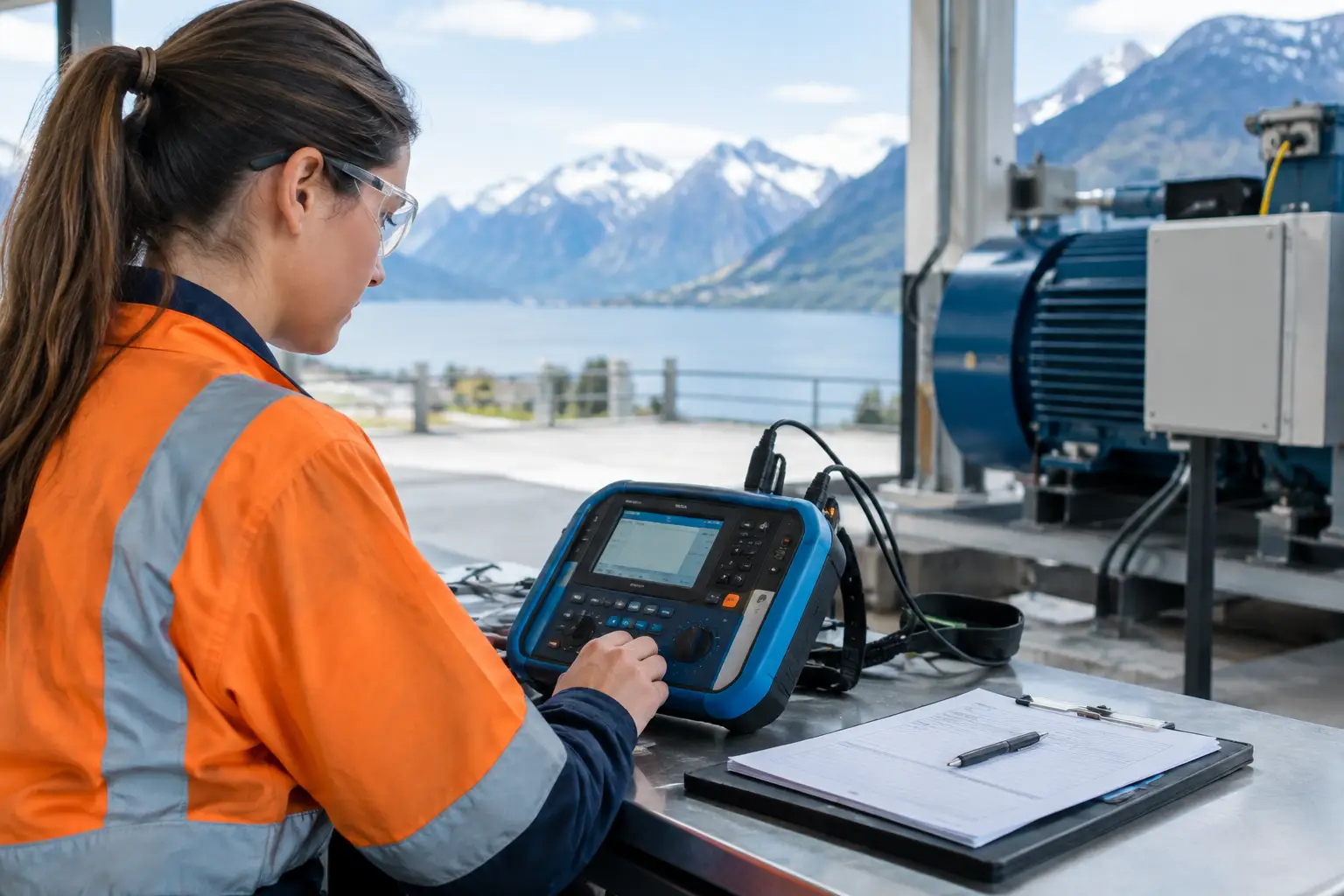
A production machine does not need to stop completely before it gives warning signs. Excess heat around a connection, bearing, motor, switchboard component or control panel can indicate a developing fault while the equipment is still operating. Machine hotspot monitoring uses thermal imaging to find those warning signs early, helping businesses reduce fire exposure, avoid unplanned downtime and make maintenance decisions with better information.
For busy sites, this matters because many heat-related faults are not visible during a normal walk-through. A component may look clean and sound normal while its temperature is rising under load. By the time there is a burning smell, discolouration or a breakdown, the problem may be more expensive and disruptive to address.
What machine hotspot monitoring looks for
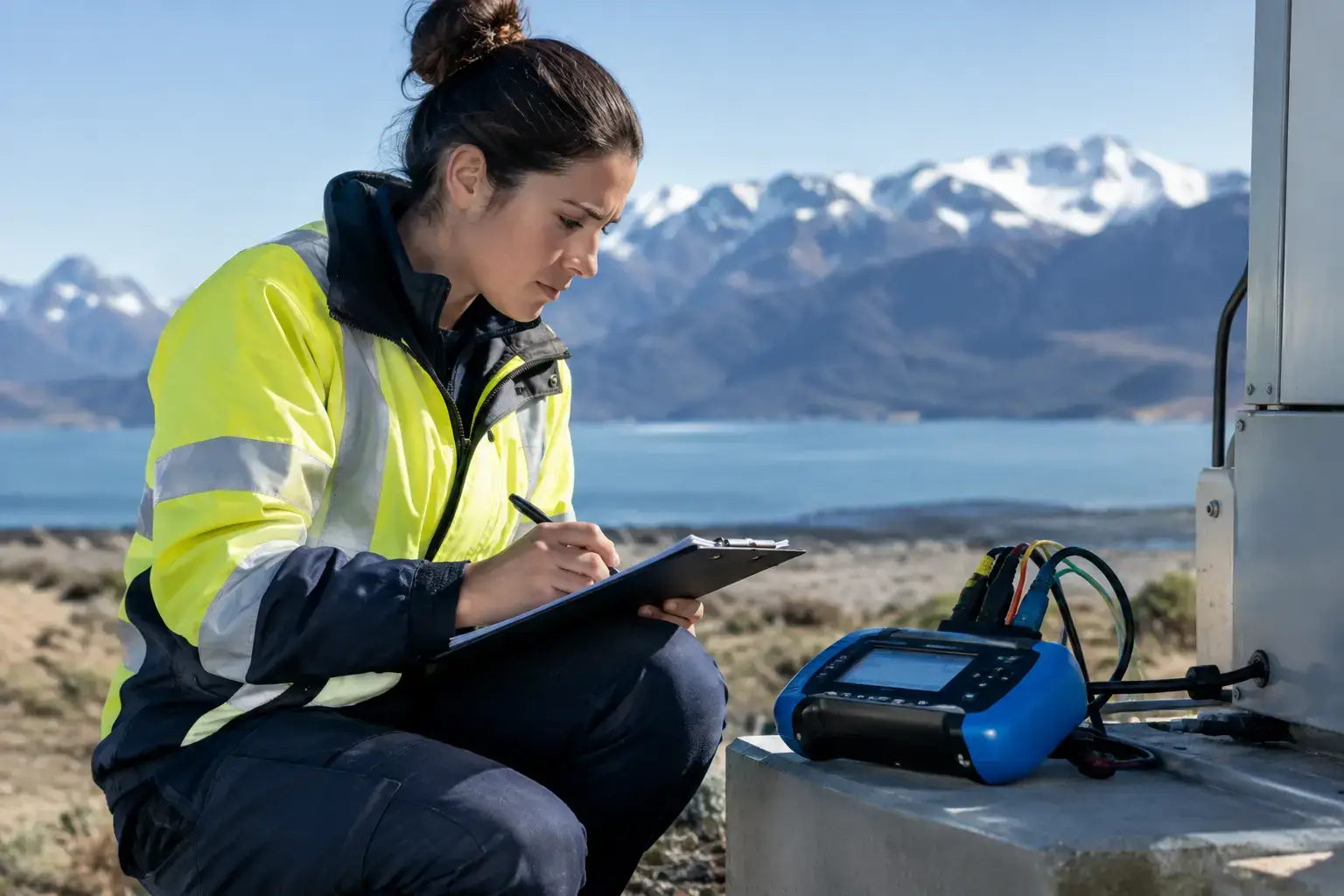
Thermal imaging measures infrared energy and displays temperature differences as a colour image. During an inspection, a qualified technician scans operating equipment and identifies areas that are hotter than expected compared with similar components or the surrounding equipment.
The aim is not simply to find anything warm. Machinery naturally generates heat, and a motor or bearing operating under load will often be warmer than its surroundings. The useful question is whether the temperature is abnormal for that component, its load and the conditions in which it is operating.
A thermal scan can help identify issues such as loose or deteriorating connections, overloaded circuits, uneven load distribution, failing bearings, friction in moving components, poor contact points and ageing electrical parts. It can also reveal heat loss or inefficient areas in some plant and building systems.
The result is a practical picture of where attention may be needed. Rather than relying on guesswork or waiting for failure, site managers can prioritise follow-up work around the equipment showing the greatest risk.
Why hotspots become a workplace risk
Heat is often the result of resistance, friction or excess demand. At an electrical connection, a loose contact can create resistance that raises temperature as current passes through it. In rotating equipment, a worn bearing or alignment issue can generate friction and heat. Where materials, dust or nearby surfaces are combustible, a persistent hotspot can increase the risk of an electrical fire.
There is also an operational cost. A machine that fails unexpectedly can halt a production line, delay a project, affect delivery commitments or leave staff unable to use critical equipment. The direct repair cost is only part of the impact. Lost production time, replacement parts, hire equipment and disrupted schedules can quickly add up.
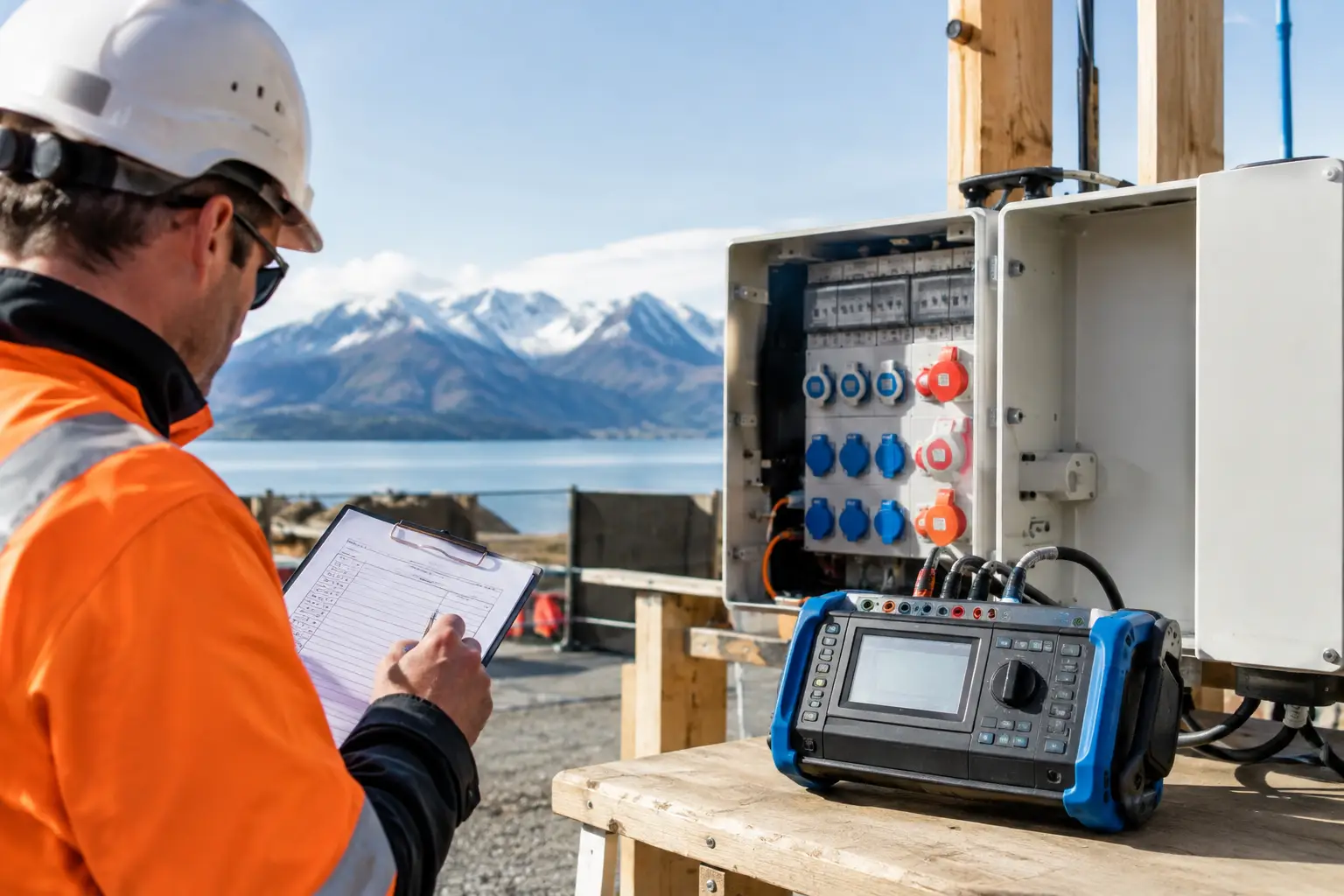
For construction, manufacturing and industrial sites, the consequences can be particularly significant because equipment is often exposed to dust, vibration, long operating hours and changing loads. Office and commercial premises may have lower mechanical demand, but heavily used plant, server areas and electrical distribution equipment can still develop heat-related concerns.
Thermal imaging is therefore best treated as preventative maintenance support, not a once-only exercise or a substitute for routine inspections. It provides a useful layer of evidence when deciding where to focus maintenance resources.
When thermal imaging delivers the clearest results
A thermal inspection is most valuable when equipment is operating under normal or meaningful load. A scan of machinery that is switched off, idle or only lightly loaded may not show the issue that occurs during a busy shift.
Timing should reflect how the site works. A production facility may benefit from imaging while key machines are running at typical capacity. A commercial building may need inspections planned around peak demand. On construction sites, the best time may depend on which temporary supplies, tools and plant are in use that day.
Conditions also matter. Direct sunlight, rain, wind, reflective surfaces and restricted access can affect readings or interpretation. That does not make thermal imaging unsuitable, but it means the inspection needs to be planned and the findings assessed in context. A temperature difference is a prompt for investigation, not an automatic diagnosis.
For equipment with known reliability issues, recent changes in workload or a history of overheating, more frequent monitoring may be sensible. Stable, low-risk equipment in a controlled environment may need less frequent review. The right interval depends on the criticality of the machine, operating conditions, consequence of failure and the site’s existing maintenance programme.
Turning a thermal image into a useful maintenance decision
The value of monitoring is in what happens after the scan. A good report should clearly identify the asset inspected, the location of the hotspot, the observed temperature difference and the recommended level of attention. Clear photographs and thermal images make it easier for managers to communicate the issue internally and keep a record of the decision made.
Not every hotspot requires an immediate shutdown. If the finding is minor and the equipment is operating safely, the appropriate response may be to monitor it, compare it at the next inspection or plan maintenance during a scheduled stop. Where temperatures are severe, increasing or associated with visible damage, urgent action may be needed to manage risk.
This is where comparison is valuable. A single temperature reading can be misleading without context. Comparing equivalent phases, similar motors, matching connections or previous images can show whether one area is behaving differently. Trending gives a clearer view of whether a condition is stable or deteriorating.
It is also worth recording operating conditions at the time of the scan, including load where available. This makes future comparisons more meaningful and prevents a low-load inspection being treated as directly equivalent to one taken during peak production.
How hotspot monitoring supports electrical compliance
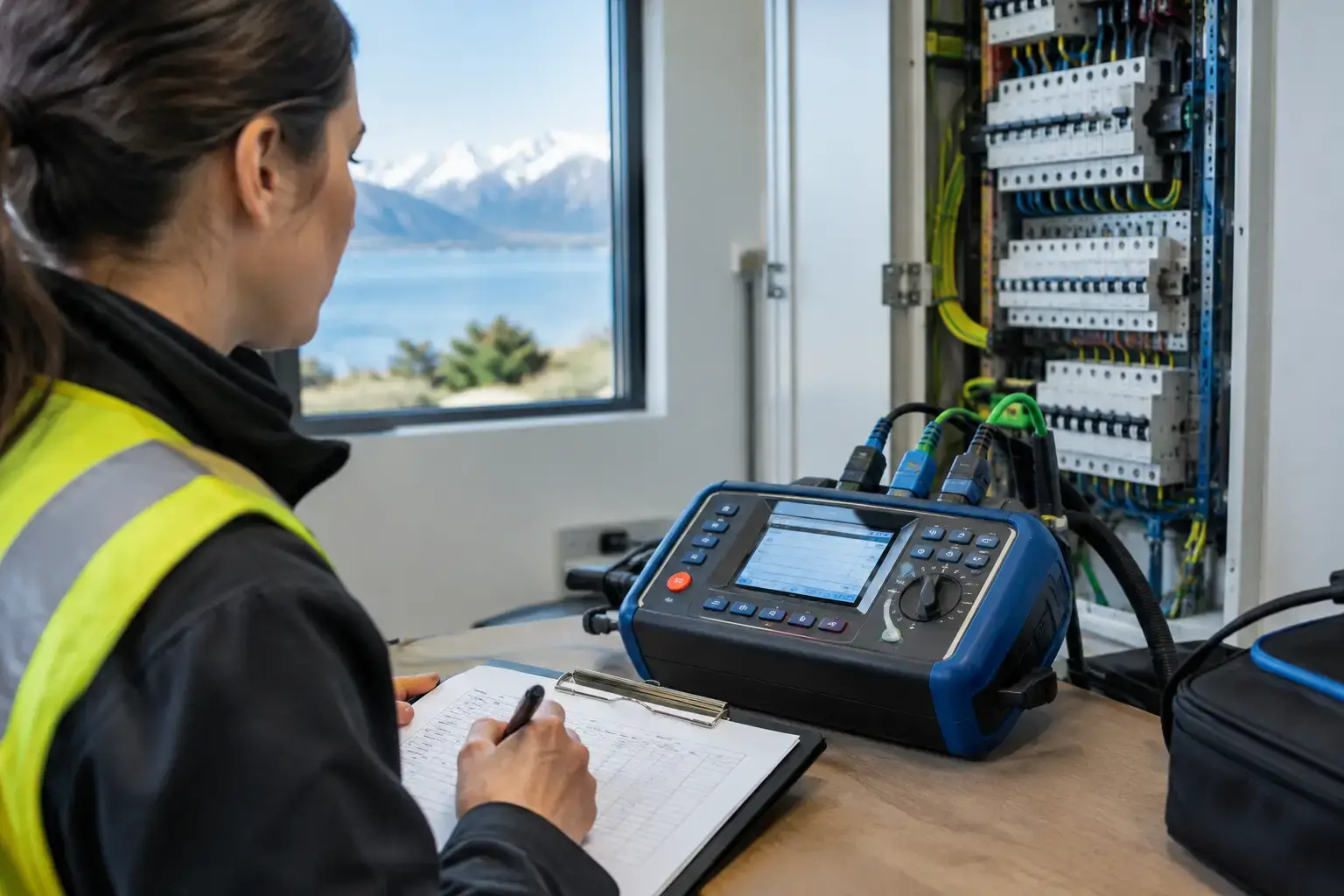
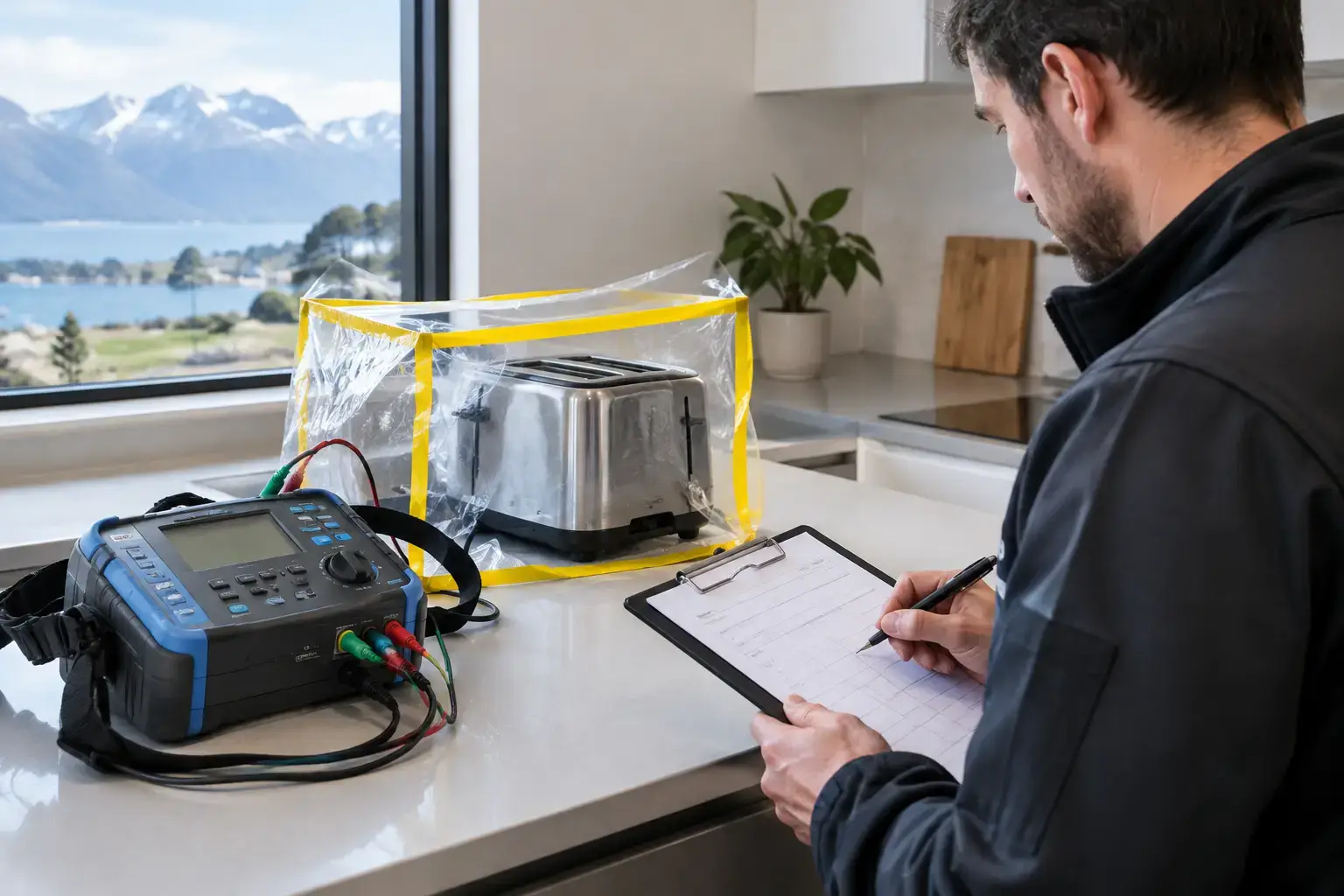
Portable appliance testing and tagging confirms the condition of portable electrical equipment and helps businesses manage their obligations under AS/NZS 3760:2010. Thermal imaging serves a different but complementary purpose. It looks for heat patterns in operating machinery, electrical distribution equipment and fixed plant that may signal developing faults.
Together, these processes help create a more complete picture of workplace electrical risk. Testing and tagging identifies damaged leads, plugs and appliances before they are returned to service. Thermal imaging can highlight faults that cannot be identified through a visual check alone, particularly inside operating equipment or at loaded connection points.
Documentation is important for both. An up-to-date asset register, test records, thermal images and recommended actions give health and safety managers evidence that risks are being identified and managed systematically. They also reduce the administrative burden when clients, insurers or site auditors ask for records.
Compliance is not just about holding a report. It is about having a workable process: identify equipment, assess risk, take proportionate action, keep records and review the programme when site conditions change.
Common signs that justify an earlier inspection
Scheduled monitoring is sensible, but there are times when it should not wait for the next planned visit. An earlier thermal inspection may be worthwhile after a machine has been running hotter than usual, tripping repeatedly, making unfamiliar noise, losing performance or requiring frequent resets.
Changes to production can also be a trigger. If a machine is working longer hours, carrying a heavier load or operating in a hotter, dustier area than before, its previous maintenance interval may no longer be appropriate. Similarly, an upgrade or alteration to plant can change the demand placed on connected equipment.
Staff observations matter. Operators are often the first to notice unusual warmth, intermittent operation or changes in machine behaviour. Giving them a straightforward way to report concerns helps catch issues before they become an urgent call-out or a safety incident.
Building monitoring into a practical site plan
The most effective approach is simple and repeatable. Identify critical machinery and electrical assets, group them by risk and operational importance, and schedule thermal imaging around real operating conditions. Keep findings alongside your broader maintenance and compliance records, then review outstanding actions before they are forgotten.
For sites with multiple locations or varied equipment, a tailored programme is usually more useful than applying the same interval to every asset. A heavily used industrial machine deserves a different level of attention from low-use equipment in a controlled office environment.
Phase Test and Tag can help South Island businesses combine thermal imaging with clear reporting, asset documentation and scheduled portable appliance testing. With no call-out fees and reminders for upcoming testing due dates, the focus stays on making electrical compliance manageable rather than adding another task to the site manager’s list.
A hotspot found early is not a reason for panic. It is a useful chance to assess the condition, plan the right response and keep people, equipment and operations better protected.