A warm connection inside a switchboard can look perfectly normal from the outside while developing into an unplanned shutdown or fire risk. That is why the question of who can conduct thermal surveys matters. The value of thermal imaging does not come from simply pointing a camera at equipment. It comes from having a competent person capture accurate readings, understand what the temperature pattern may indicate, and provide a report your business can act on.
For busy sites, thermal surveys are a practical form of preventative maintenance. They can help identify abnormal heat before a fault affects production, damages equipment or puts people at risk. But the quality of the survey depends on the person performing it, the equipment used and the method followed.
Who can conduct thermal surveys?
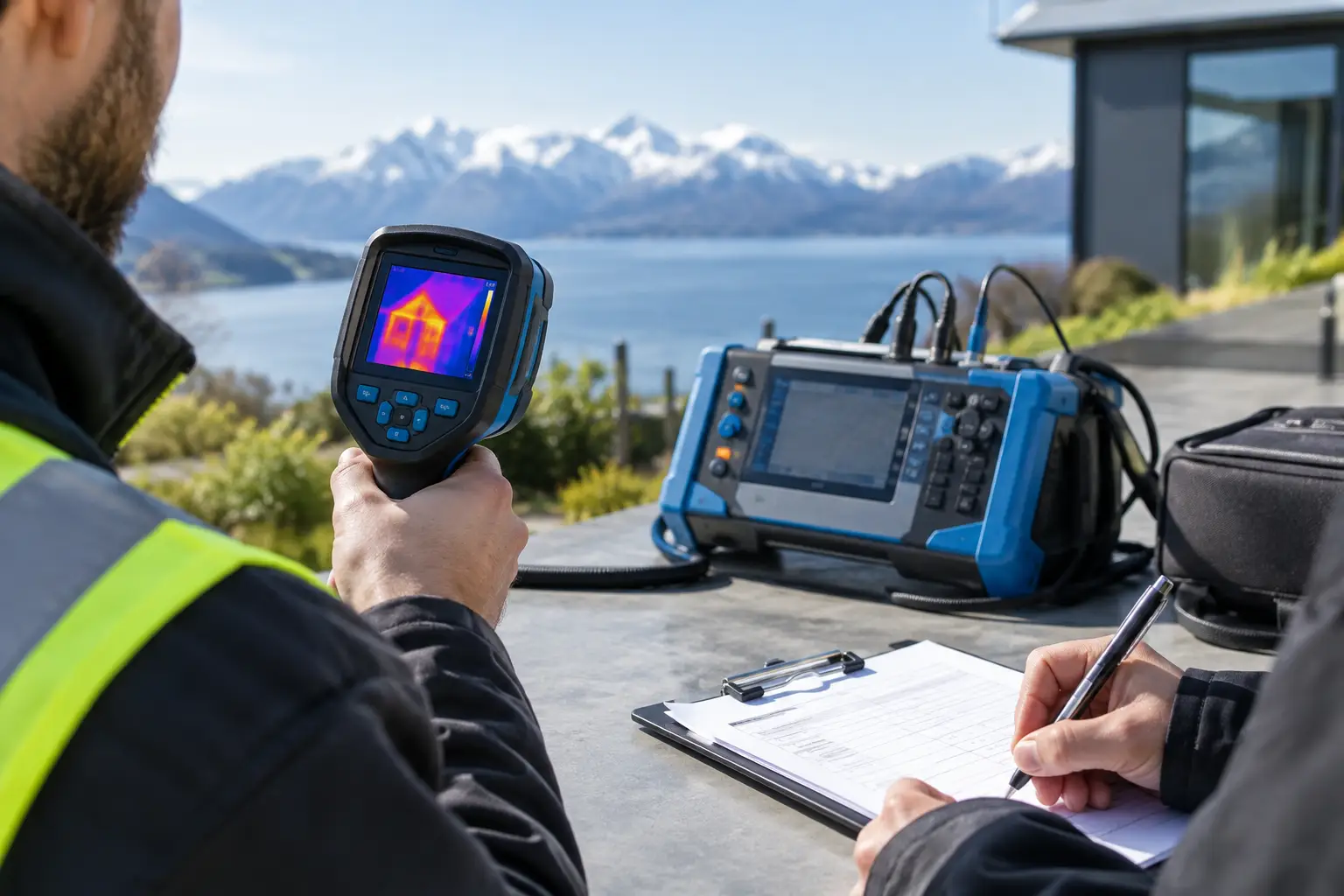
A thermal survey should be conducted by a person who is trained and competent in thermography, understands the equipment being inspected and can interpret findings in their operating context. This commonly means a qualified thermographer or a suitably trained electrical compliance professional with thermal imaging experience.
Competence is more than owning a thermal camera. Thermal images can be misleading when the person taking them does not account for load, distance, surface material, reflections, ambient temperature or the camera settings used. A shiny metal surface, for example, may reflect heat from a nearby source rather than show its own true temperature. Without sound technique, a report can overstate a concern or, worse, miss one.
For workplaces, the right provider should be able to explain their process in plain language. They should safely inspect accessible equipment, record clear images and temperature comparisons, identify items that need attention, and supply documentation that fits into your maintenance and health and safety records.
Where a finding needs further technical assessment or remedial work, the report should clearly state that next step. A professional survey does not guess, overpromise or treat every warm component as an emergency. It gives you useful evidence to prioritise the right response.
What makes a thermal surveyor competent?
There is no benefit in choosing on price alone if the resulting report is too vague to support a decision. Before booking a survey, ask how the provider assesses competency and what their reporting includes.
A capable thermal imaging provider will generally have relevant training in infrared thermography, experience around commercial or industrial equipment, a suitable calibrated thermal camera, and safe site procedures. They should also understand that inspection conditions affect results. Equipment running under a meaningful load will often provide more useful information than equipment that has just been switched on or is sitting idle.
Their report should identify the asset inspected, include visual and thermal images where appropriate, record observed temperature differences, describe the concern in practical terms and recommend an action priority. This creates a traceable record for site managers and makes it easier to compare results at the next inspection.
The best surveyors also ask questions before they begin. What equipment is critical to operations? Has there been intermittent tripping, unusual heat, production downtime or a recent change in load? Are there areas that cannot be taken offline? These details help shape an inspection around real business risk rather than a generic checklist.
Training and experience both matter
Training provides the technical foundation for using infrared equipment correctly. Experience helps the surveyor recognise whether an apparent hotspot is likely to be abnormal, expected for the operating conditions, or requires monitoring before it is classified as a fault.
For example, a component may operate at a higher temperature than surrounding equipment because it is carrying a greater load. The more useful question is often whether there is an unusual temperature difference between comparable components under similar conditions. That judgement requires context, not just a single number on a screen.
On industrial and construction sites, experience also matters because access, dust, vibration, operating hours and changing loads can affect both the inspection process and the findings. A surveyor who understands the site environment can work with your team to inspect efficiently and minimise disruption.
Thermal camera ownership is not a qualification
Thermal cameras have become more accessible, and they are useful tools when operated correctly. However, buying a camera does not make someone qualified to conduct a workplace thermal survey.
A basic image can show that one area looks warmer than another. It cannot, by itself, confirm why the difference exists or how urgently it needs attention. Incorrect emissivity settings, poor focus, reflected temperatures and unsuitable viewing angles can all affect the reading. In a business setting, acting on inaccurate information can create unnecessary cost, while overlooking a genuine issue can expose the site to avoidable risk.
Internal maintenance teams may use thermal imaging as part of routine condition monitoring when they have suitable training, procedures and an understanding of the assets involved. For many businesses, an independent provider is a practical option because it brings specialist equipment, a consistent method and clear third-party reporting without adding another task to an already busy team.
When should your business arrange a thermal survey?
Thermal imaging is particularly useful where equipment failure would interrupt operations, create a safety concern or result in costly damage. It can be included in a planned maintenance programme or arranged in response to a concern.
Consider a survey when your site has experienced unexplained equipment heating, repeated interruptions, visible discolouration around connections, unusual smells, or a rise in energy use that cannot be readily explained. It is also sensible after changes in equipment loading, before periods of high demand, or where older assets are carrying critical operations.
The inspection frequency depends on the environment, asset criticality and operating conditions. A high-use manufacturing site may need a more regular programme than a small office with lower-demand equipment. There is no single interval that suits every workplace. A good provider will help you set a frequency based on risk, rather than sell you an inspection cycle that does not match your site.
Thermal surveys work well alongside portable appliance testing and tagging, but they serve a different purpose. Test and tag programmes assess the safety condition of portable electrical equipment and leads. Thermal imaging examines heat patterns in operating equipment to help identify developing issues. Together, they support a more complete preventative maintenance approach.
What should a useful thermal survey report include?
The report is the part that turns an inspection into a management tool. It should be clear enough for a site manager to understand and detailed enough to guide maintenance decisions.
Look for a report that includes:
- the location and identification of each inspected asset
- visible-light and thermal images for recorded findings
- temperatures or relevant temperature comparisons, with inspection conditions noted
- a clear risk or priority rating for each issue
- practical recommended actions, including whether to monitor, investigate or address the item promptly.
Reports should avoid alarmist wording. Not every temperature variation indicates imminent failure, and not every concern can be resolved from an image alone. The purpose is to give your business a credible basis for action, document what was observed and support future comparison.
Keeping these reports with your asset register and maintenance records also reduces administrative burden. If a client, insurer or health and safety review requires evidence of your preventative maintenance approach, you have a clear record of what was inspected and what actions were taken.
Choosing a provider for thermal imaging
When comparing providers, focus on their capability, communication and willingness to work around your site. Ask about their thermography training, experience in workplaces similar to yours, camera capability, safety procedures and the format of their report. It is also reasonable to ask how they manage follow-up findings and whether they can schedule inspections outside peak operating hours.
For South Island businesses, local responsiveness can make a real difference when equipment availability and site access are tight. Phase Test and Tag provides thermal imaging support alongside scheduled electrical compliance testing, with practical reporting designed to help businesses identify concerns early and keep records organised.
The right thermal survey is not about producing colourful images for a folder. It is about giving your team early warning, clear priorities and enough confidence to deal with small problems before they become expensive interruptions.