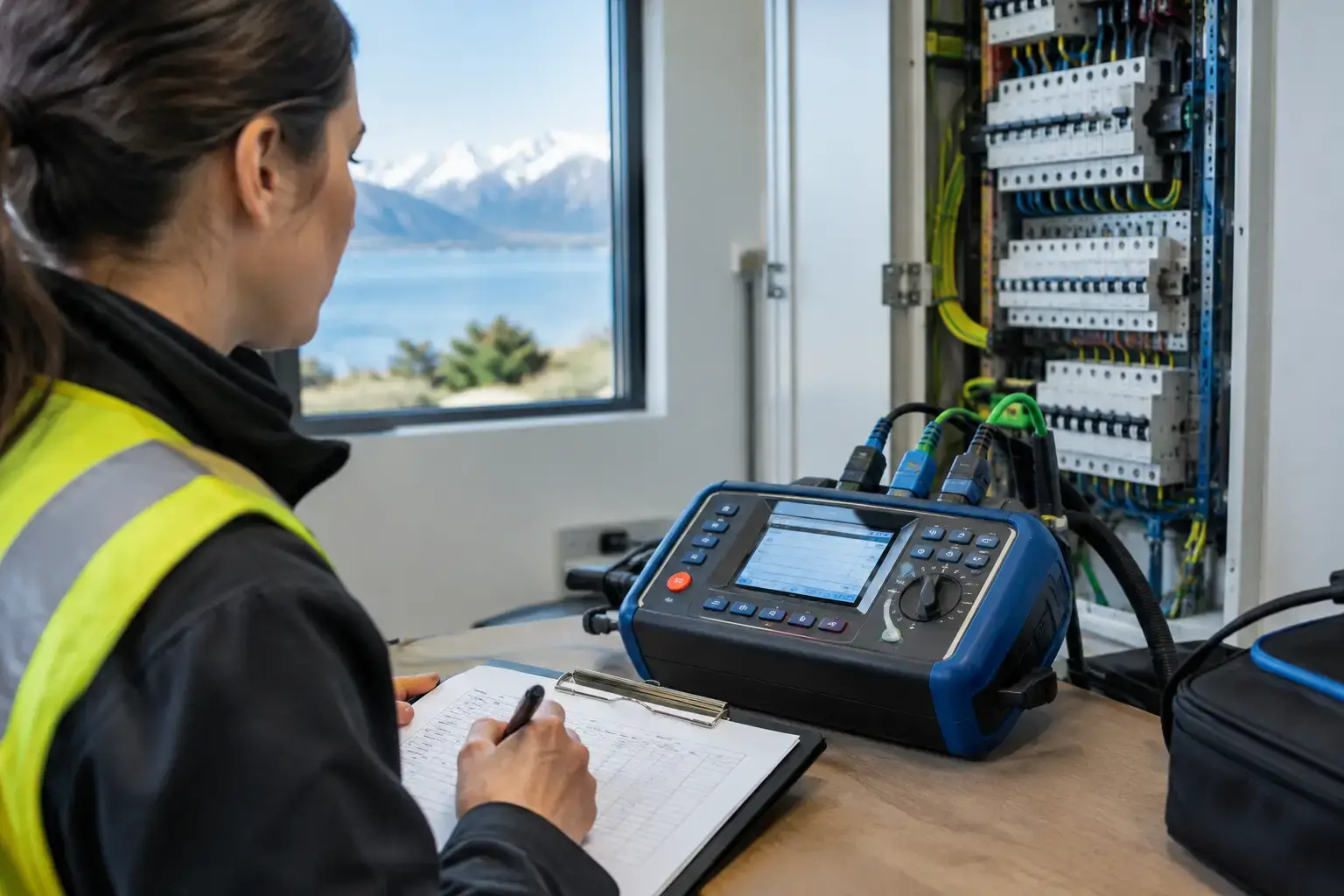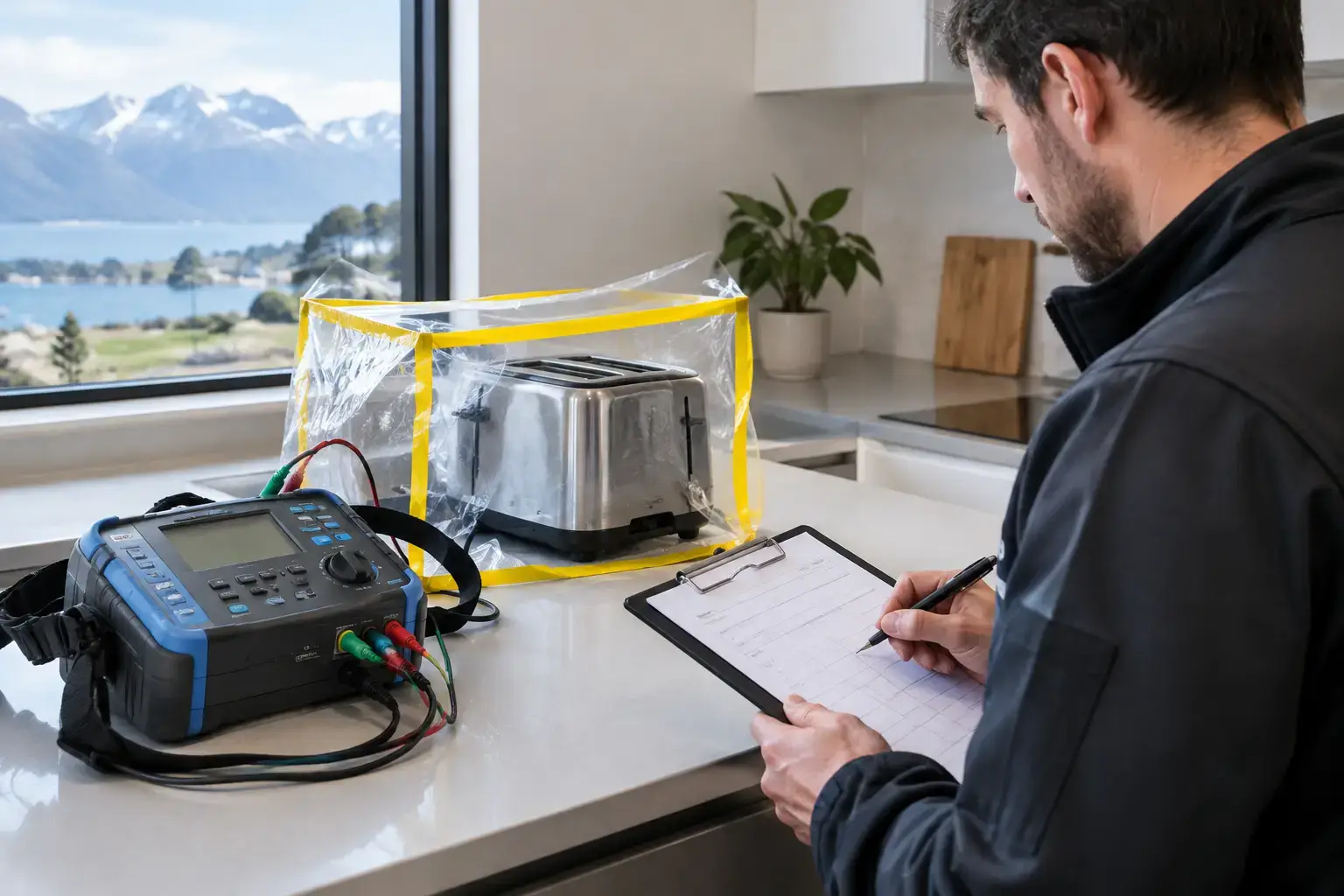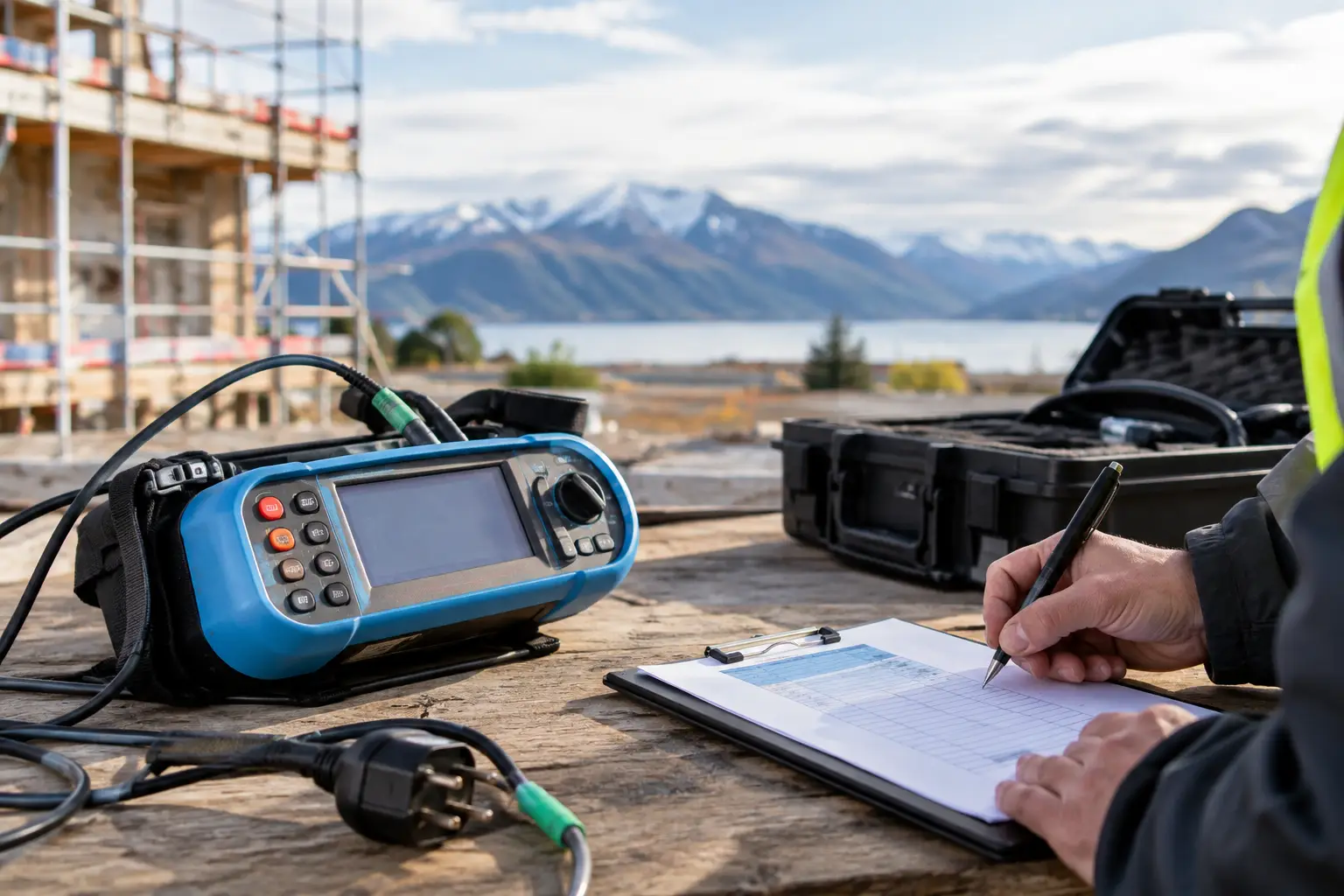
A morning tool check on a busy construction site can reveal more than a missing grinder or a flat battery. It can expose damaged leads, unrecorded equipment and overdue testing before those issues delay a crew or place someone at risk. This construction tool audit case study follows a representative contractor managing portable electrical equipment across an active commercial build.
The business had a capable team, established site processes and a substantial range of tools moving between the workshop, vehicles and several work areas. What it did not have was one reliable view of every item in circulation. That is a common position for growing contractors, particularly when tools are purchased quickly to keep work moving.
This case study has been anonymised, but the practical lessons reflect the issues regularly found during construction equipment audits and testing programmes.
The site problem was visibility, not just compliance
The contractor had roughly 180 portable electrical items across its operation. The range included extension leads, portable RCDs, battery chargers, drills, grinders, demolition tools, drop saws, temporary lighting and site office appliances.
Some equipment carried current test tags. Other items had tags that were difficult to read after site use. A portion of the equipment had no clear identification at all. The existing spreadsheet listed many assets, but it had not kept pace with replacements, new purchases or tools transferred from another project.
This created three separate risks. First, supervisors could not confidently confirm whether every item had been inspected and tested to the required programme. Second, a damaged item could remain in use because its history was unclear. Third, when a principal contractor or client requested documentation, the office team had to spend valuable time checking records against tools on site.
The issue was not that the contractor did not care about electrical safety. The issue was that its equipment had outgrown an informal tracking process.
How the construction tool audit was carried out
The audit was planned around the contractor’s work programme rather than requiring the site to stop for a day. Tools were gathered area by area, with supervisors asked to identify equipment in vehicles, storage cages, site sheds and active work zones. This matters because the tools that are hardest to locate are often the ones least likely to appear in the register.
Each item was visually inspected before testing. The inspection looks for obvious signs of damage or deterioration, including split insulation, crushed cords, loose plugs, damaged casings, missing guards, exposed conductors and illegible tags. Electrical testing then confirms whether the item is safe to remain in service.
Every suitable item was assigned or confirmed with a unique asset identifier. Its description, location, test outcome and next due date were captured in an updated asset register. The register gave the contractor a usable record rather than a pile of certificates that had to be searched manually.
What the audit found
Of the 180 items located, 154 passed inspection and testing without issue. Fifteen needed immediate attention and were removed from service. The remaining eleven were either redundant, no longer owned by the business or unable to be verified against site records.
The failures were not dramatic, but they were significant. They included extension leads with cuts or crushed sections, plugs with damaged cable restraints, a portable RCD that did not operate as expected, and chargers with cracked housings. Several leads had been repaired or altered over time, but no longer had a clear test history.
One of the more useful findings involved temporary lighting. A number of lights had been moved between work areas and were not listed in the register. They passed testing, but their absence from the records meant the contractor could not readily demonstrate that they were part of its compliance programme.
The audit also identified duplicate descriptions in the spreadsheet. For example, several tools were recorded simply as “drill”, making it difficult to know whether a particular item had been tested or replaced. Adding a clear asset ID and better description solved a small administrative problem that could otherwise become a major headache during a site review.
Why the results mattered to the project team
Removing failed equipment from service prevented damaged items from returning to the workface by mistake. That is the immediate safety benefit, but it was not the only outcome.
The updated register gave site managers a practical way to check equipment status. Instead of relying on memory or searching through old paperwork, they could identify the asset, confirm its latest result and see when it was next due for testing. This reduced uncertainty for supervisors responsible for allowing equipment onto site.
It also made onboarding new equipment easier. When a new tool arrived, it could be recorded, tested where required and added to the same system from the start. The contractor was no longer trying to recreate its equipment history months later.
For the office team, the documentation was equally valuable. A clear register supports internal safety systems, client requirements and evidence of a managed approach to portable electrical equipment. It is particularly helpful when tools move across multiple sites or when a project has several contractors bringing equipment into the same environment.
Retesting intervals need to match the environment
A key lesson from this construction tool audit case study is that not every workplace creates the same level of risk. Construction environments are generally harder on portable electrical equipment than a low-traffic office. Leads are dragged across surfaces, exposed to weather, run through busy work areas and used by multiple people over long shifts.
Testing frequency should reflect the environment, equipment type and how it is used. AS/NZS 3760:2010 provides guidance for the inspection and testing of electrical equipment, while site rules, client requirements and risk assessments may set more specific expectations. A contractor working across different environments may need different retesting schedules for site tools, workshop equipment and office appliances.
A scheduled programme is usually more effective than waiting until a tag is overdue. It allows equipment to be checked in manageable stages and helps avoid a large number of items becoming due at once. It also gives the business time to locate tools that are off site, in vehicles or allocated to individual workers.
What this contractor changed after the audit
Following the audit, the contractor introduced a simple control process. Supervisors were asked to keep new and transferred equipment visible to the person responsible for the asset register. Tools removed from service were clearly separated so they could not be picked up again during a busy shift.
The company also arranged future testing around its project calendar. Rather than treating compliance as an interruption, it built inspection and testing into planned site activity. Proactive due-date reminders reduced the chance of missed retests and took pressure off the office team.
There was a cost involved in testing and replacing unsuitable equipment, as there always is. However, the contractor considered this more manageable than dealing with an electrical incident, a failed client audit or an avoidable loss of productivity caused by a tool being taken out of use at the wrong time.
A tool register is only useful when it reflects reality
Many businesses have a register. The more relevant question is whether it matches what is actually on site today. A register that excludes the tools in utes, storage containers and temporary work areas gives a false sense of control.
For construction managers, a good audit is not about collecting tags for their own sake. It is about knowing what equipment is in use, identifying damaged items early and keeping reliable records without adding unnecessary administration. Phase Test and Tag can help contractors across Christchurch and the South Island establish a practical testing schedule, maintain clear asset records and receive reminders before equipment is due.
The best time to find a damaged lead or an unrecorded tool is during a planned audit, when it can be dealt with calmly, documented properly and kept away from the next day’s work.