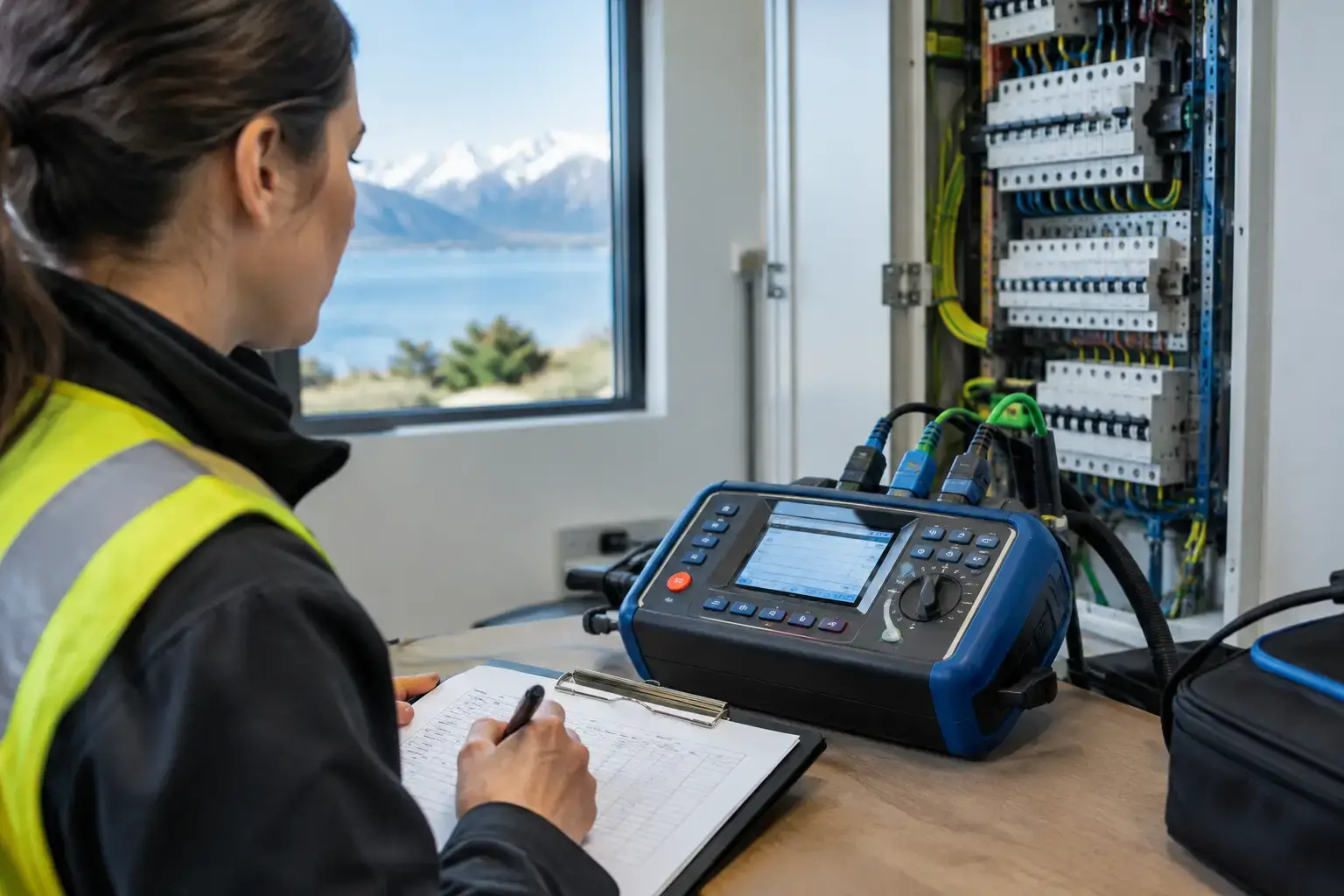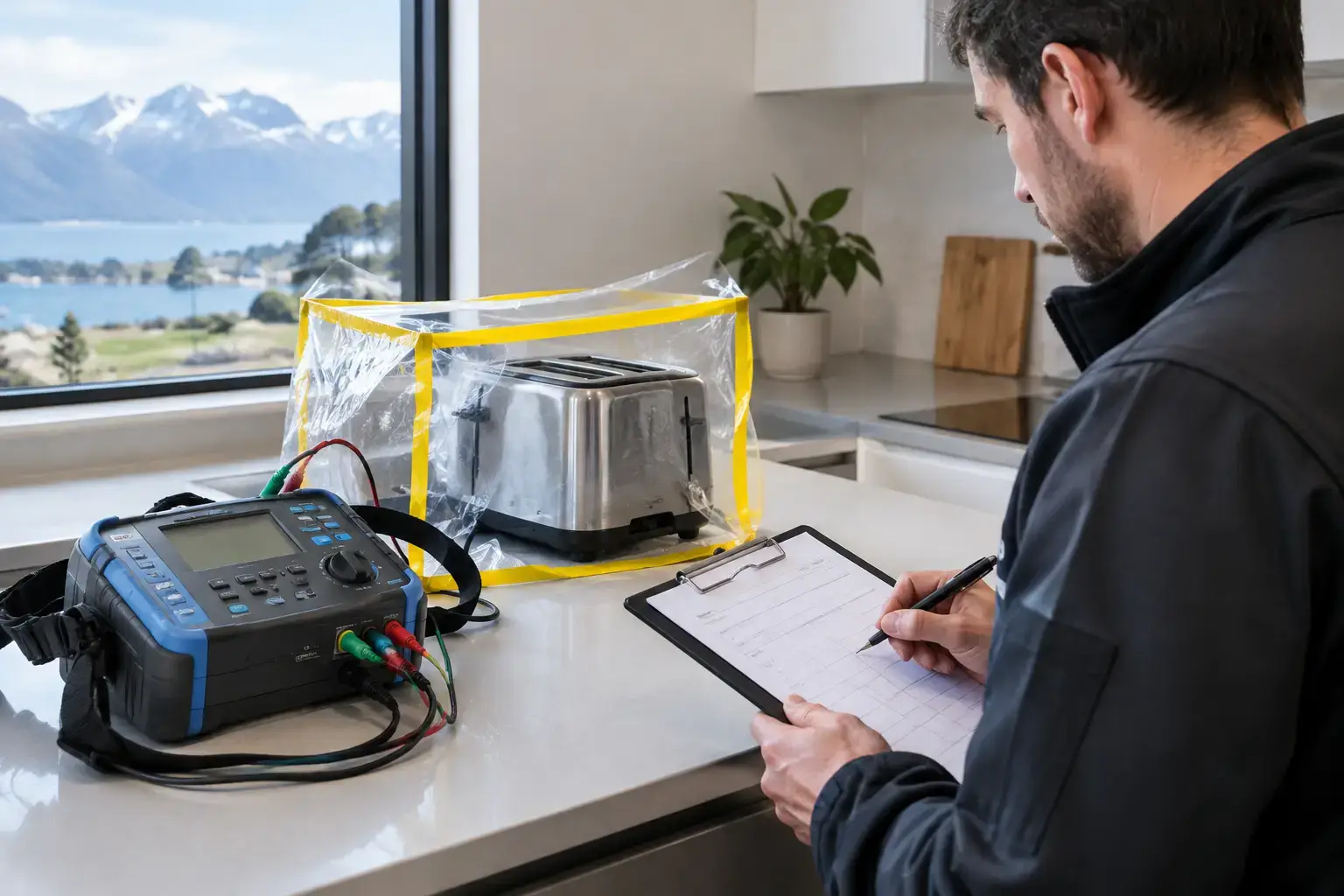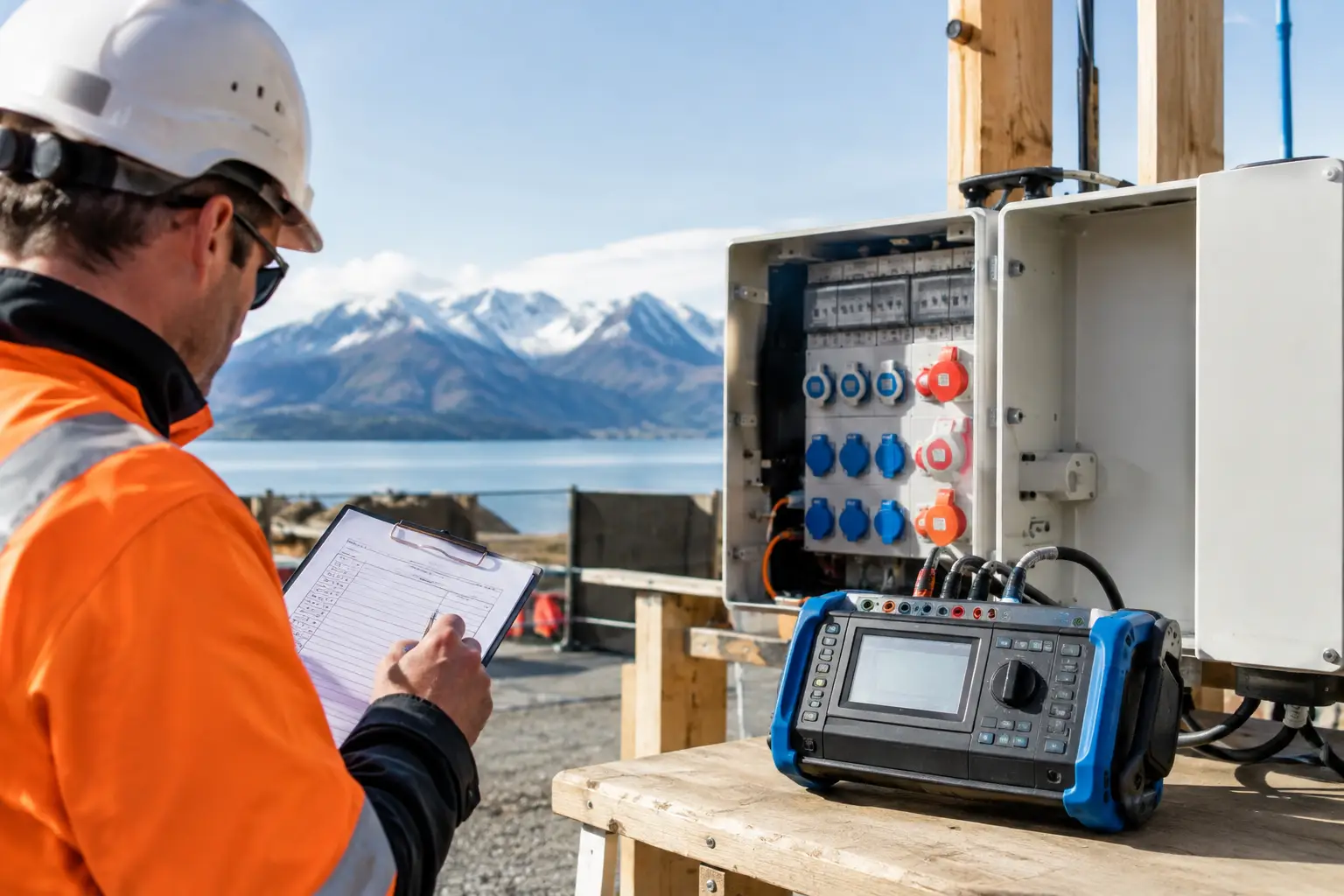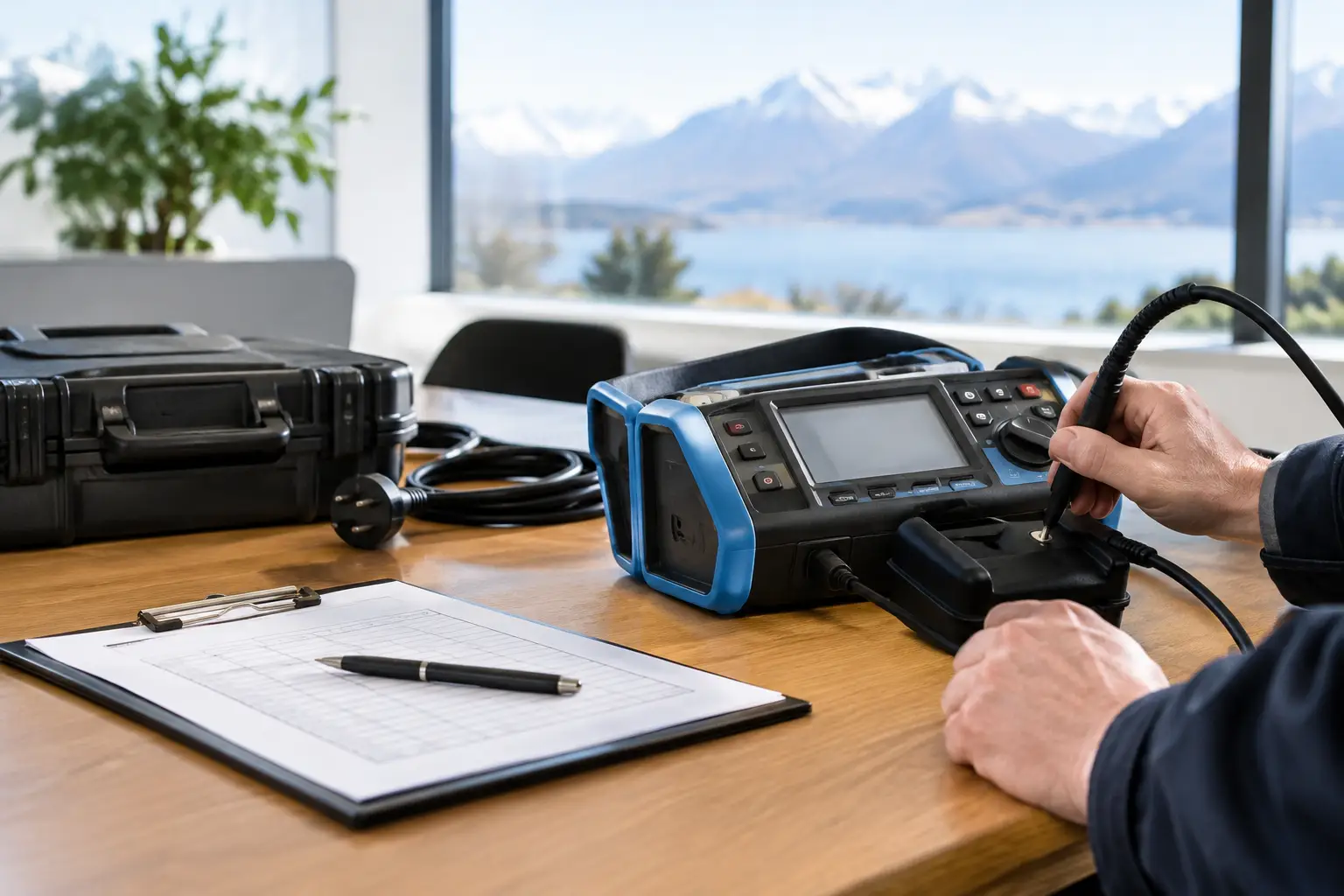
A damaged extension lead on a busy construction site, a cracked plug in a workshop, or an overheating appliance in a staff kitchen can all create a problem well before anyone notices it. Canterbury PAT testing gives businesses a practical way to find equipment faults early, record what has been checked and keep electrical safety from becoming another administrative headache.
For workplaces across Canterbury, portable appliance testing is not simply about placing a tag on a lead. It is about knowing what equipment is on site, whether it is safe for continued use and when it needs to be checked again. When testing is managed properly, it supports safer people, fewer unexpected equipment failures and clearer evidence of your safety process.
What Canterbury PAT testing actually covers
PAT testing, also called test and tag, involves a visual inspection and electrical testing of portable electrical equipment. This can include power leads, extension leads, power boards, hand-held tools, computer equipment, kitchen appliances, chargers and site equipment. Three-phase equipment may also require testing and tagging, particularly in industrial, manufacturing and trade environments.
The visual inspection matters as much as the test result. A qualified tester checks for damaged plugs, exposed wiring, loose connections, cracked casings, missing earth pins, overloaded power boards and other visible signs that equipment may not be safe to use. Electrical tests then help confirm key safety functions, such as earth continuity and insulation condition, where applicable.
Equipment that passes is tagged with clear identification and its next test due date. The details are added to an asset register, creating a useful record of the equipment tested, its location, result and scheduled retest date. If an item fails, it should be removed from service promptly so it cannot be used accidentally.
Why testing frequency depends on the workplace
There is no single retesting interval that suits every Canterbury business. AS/NZS 3760:2010 provides guidance on inspection and testing intervals, but the right schedule depends on how equipment is used, how likely it is to be damaged and the environment it works in.
A power lead used daily around dust, moisture, vehicle traffic and rough surfaces faces a very different level of risk from a computer lead sitting undisturbed under an office desk. Construction sites, workshops, factories, warehouses and trade environments generally require more frequent checks because equipment is moved, handled and exposed to tougher conditions. Office equipment may have a longer testing cycle where risk is lower and equipment remains in a controlled location.
The point is not to test more often than necessary. It is to apply a sensible, documented approach that reflects the actual risk on your site. A good testing provider can help you set intervals that are practical for your operation and aligned with the standard, client requirements and your wider health and safety procedures.
Higher-risk equipment needs closer attention
Some equipment deserves particular attention between scheduled testing dates. Extension leads and power boards are regularly pulled, stepped on, run through doorways and used in temporary setups. Portable tools can receive knocks, vibration and dust exposure. Appliances used in wet, outdoor or industrial areas can deteriorate faster than those kept in clean, dry spaces.
Your team should be encouraged to carry out simple user checks before using equipment. If a cord is frayed, a plug is damaged, a casing is cracked or the equipment has been dropped or exposed to water, it should not stay in service just because its tag date has not expired. Tags support a testing programme, but they do not replace daily care and common sense.
The value of a reliable asset register
For many businesses, the biggest compliance challenge is not the testing itself. It is keeping track of equipment across multiple rooms, vehicles, projects or sites. Without an accurate register, it is easy for leads and appliances to be missed, duplicated or left overdue.
A detailed asset register gives site managers a clearer picture of what they own and where it is used. It also makes audits, client prequalification and insurance discussions easier because the information is available in one place. Rather than searching through old tags or chasing paperwork, you can show a current record of testing activity and equipment status.
This becomes particularly useful when staff move equipment between Canterbury sites or when contractors bring their own portable gear onto a project. Site rules may require current test tags before equipment can be used, but the tag alone should be readable and supported by proper records. A clear process helps avoid delays at site entry and reduces uncertainty for supervisors.
PAT testing is part of a wider safety system
Testing and tagging is a strong preventative measure, but it works best as part of a broader equipment safety routine. Businesses still need suitable storage, safe use practices, routine visual checks and a straightforward process for reporting damaged items. Equipment should be protected from avoidable damage rather than left in wet areas, dragged by cords or stored where leads can be crushed.
For larger sites and high-use environments, thermal imaging can add another layer of preventative maintenance. It can identify unusual heat patterns in electrical equipment and connections before they develop into a more serious fault or cause unplanned downtime. PAT testing focuses on portable appliances and leads, while thermal imaging can assist with finding hotspots and energy losses that are not visible during a normal inspection.
The right combination depends on your operation. An office may mainly need a well-managed test and tag schedule and accurate records. A manufacturing plant or industrial facility with critical equipment may benefit from a more proactive programme that includes thermal imaging at planned intervals.
Choosing a testing provider without adding admin
The best service arrangement is one that fits around your work, not one that creates disruption. Before booking, ask how the provider manages testing across occupied offices, active workshops or live project sites. Flexible operating hours can make a real difference where equipment cannot easily be taken out of use during the day.
It is also worth asking what documentation you will receive, whether reminders are provided before the next due date and how failed equipment is recorded. A lower initial price can be less helpful if it comes with call-out fees, incomplete records or no support when your next testing cycle approaches.
Look for qualified personnel who understand AS/NZS 3760:2010 and can explain recommendations in plain language. For businesses working on contractor-managed sites, certifications such as SiteWise Green can also provide additional confidence that the provider takes health and safety seriously.
Phase Test and Tag works with Canterbury businesses that need clear reporting, practical advice and testing schedules that suit their site conditions. Whether you manage a small office, a growing trade team or multiple industrial locations, the aim should be the same: make electrical compliance easier to maintain rather than harder to manage.
Preparing your site for testing day
A little preparation helps testing run efficiently. Let staff know when testing is planned and ask them to make equipment available, including items stored in cupboards, vehicles, toolboxes and meeting rooms. If equipment belongs to a particular department or project, identifying its usual location beforehand can improve the accuracy of the asset register.
For busy sites, consider grouping equipment where possible and identifying essential items that need to remain operational. Your tester can then work around critical equipment or arrange an approach that minimises interruption. This is especially useful for shared printers, point-of-sale devices, workshop equipment and tools needed for scheduled work.
Most importantly, treat failed items as useful information, not an inconvenience. A failed lead or appliance has been identified before it caused harm, interrupted a job or created a difficult incident investigation. Replacing or removing unsafe equipment is a straightforward decision when the risk is visible and documented.
Electrical safety does not need to be complicated, but it does need to be consistent. A testing schedule matched to your environment, supported by accurate records and timely reminders, gives your people one less risk to carry into the working day.