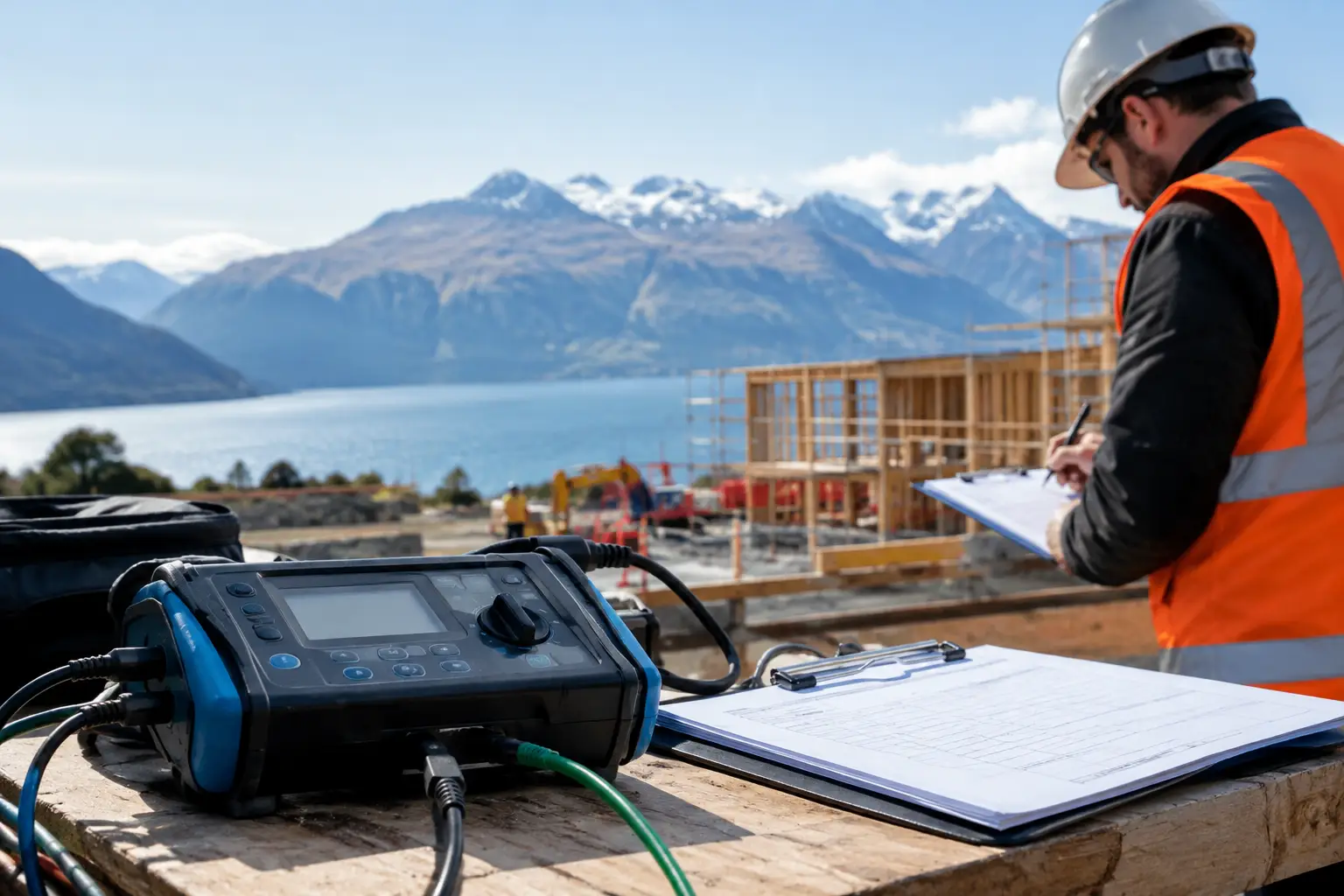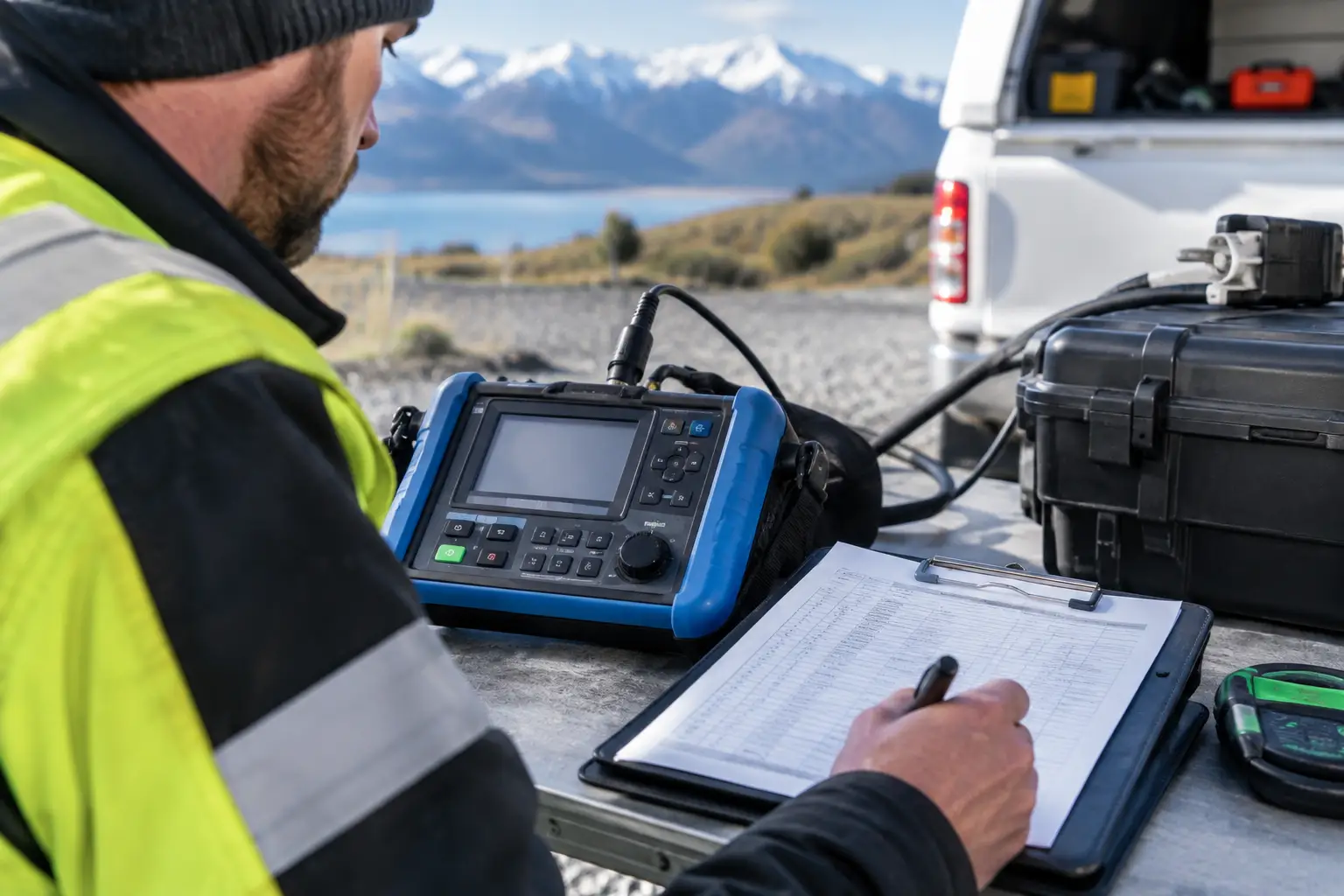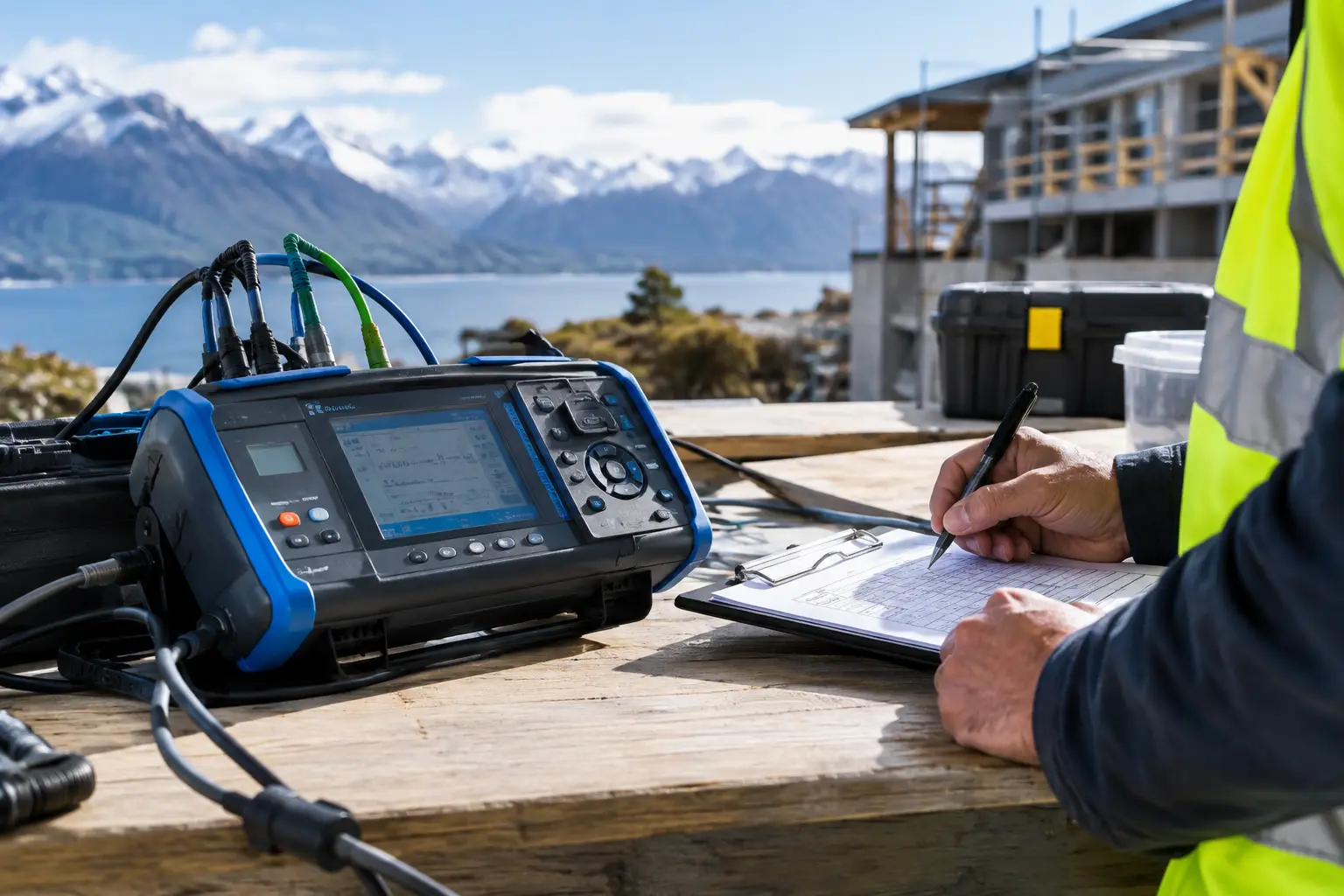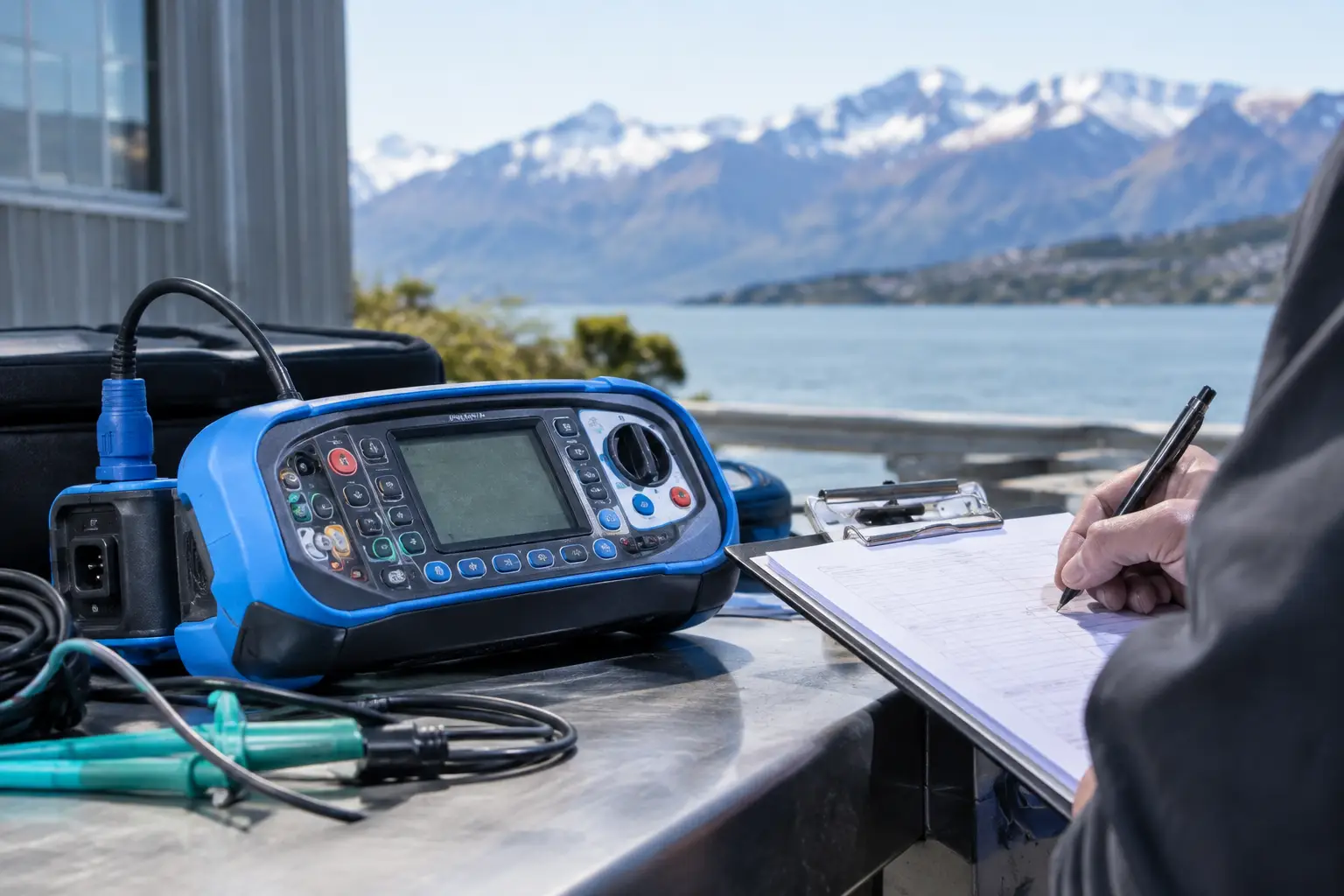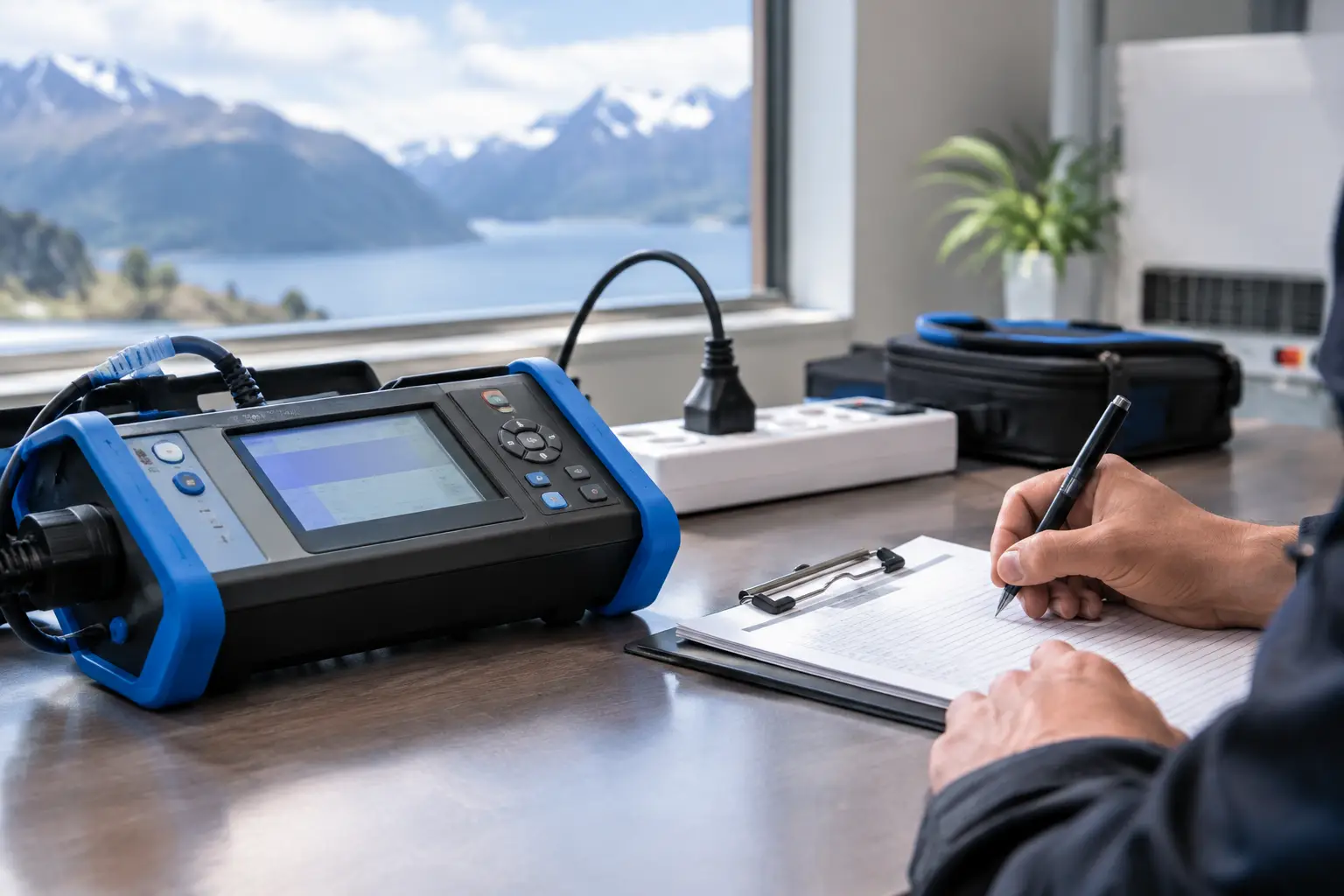
A warm plug at the end of a shift can be easy to dismiss, particularly when production is busy and the equipment is still operating. But heat is often an early warning that a connection, lead, appliance or circuit is under strain. Knowing the five signs of electrical overheating gives site managers and business owners a practical chance to remove a risk before it becomes an equipment failure, fire incident or unexpected shutdown.
Overheating is not always obvious. It can develop inside a plug, socket, power board or piece of equipment long before there is smoke or a complete loss of power. That is why regular visual checks, portable appliance testing and, where appropriate, thermal imaging work together to support safer workplaces.
Why electrical overheating deserves attention
Electrical equipment produces some heat during normal use. A charger may feel mildly warm, and larger plant can generate heat as part of its ordinary operation. The concern starts when the heat is excessive, localised, getting worse or accompanied by changes in performance, smell or visible damage.
Common causes include damaged leads, loose connections, overloading, poor contact at a plug or socket, ageing components and equipment used in conditions it was not designed to handle. Dust, vibration, moisture and heavy daily use can all increase the likelihood of a problem, especially on construction, industrial and trade sites.
For a business, the consequence is not limited to the cost of replacing one appliance. An overheating fault can create a fire risk, interrupt a job, damage connected equipment and leave gaps in your safety documentation. It may also raise difficult questions after an incident about whether equipment was inspected, tested and managed appropriately.
Five signs of electrical overheating in workplace equipment
1. A plug, socket or lead feels unusually hot
A plug or socket that is hot enough to make you pull your hand away is not operating normally. Warmth can be a warning sign too if it is noticeably different from similar equipment doing the same job.
Do not keep using the item simply because it is still running. Stop using the equipment if it can be done safely, isolate it from use and label it clearly so it is not returned to service by another worker. A hot connection can indicate resistance at the contact point, which creates more heat as the equipment continues to draw power.
Pay close attention to extension leads and multi-outlet boards. These items are frequently moved, knocked, run over, coiled tightly or used with changing loads, making them common points of failure.
2. Discolouration, melting or scorch marks are visible
Brown marks around pins, a yellowed socket face, brittle plastic, softened insulation or a melted section of lead should be treated as immediate warning signs. These are physical records of heat exposure, even if the equipment appears to work normally when switched on.
Visible damage can be particularly easy to miss in busy environments. A lead might be covered in dust, tucked behind a workstation or stored in a gang box between jobs. Include plugs, sockets, leads, power boards and equipment casings in routine pre-use checks rather than looking only at the item itself.
If a worker finds scorch marks or melting, the equipment should be removed from use and assessed through your established electrical safety process. Reusing visibly heat-damaged equipment can expose workers to electric shock and fire hazards.
3. There is a burning, fishy or acrid smell
Electrical overheating often has a distinctive odour before there is visible smoke. Workers may describe it as burning plastic, hot rubber, fishy or sharp and acrid. These smells can come and go, particularly when a piece of equipment is only under load for part of the day.
Do not assume the smell is harmless because it disappears after the appliance is turned off. It may be coming from insulation, a plug top, a power board or an internal component that has become hot during use. Record where and when the smell was noticed, as this information can help identify patterns.
If there is smoke, sparking or a strong burning smell, keep people clear of the item and follow your workplace emergency procedure. The priority is preventing further exposure, not trying to prove whether the equipment will start again.
4. Equipment cuts out, flickers or performs inconsistently
Intermittent faults deserve attention. Lights that flicker, tools that lose power, chargers that repeatedly stop, or appliances that only operate when a lead is held in a certain position can point to a deteriorating connection.
Heat and poor connection quality often feed each other. As contact resistance rises, heat builds. As the materials around the connection degrade, the fault can become more severe. What starts as occasional flickering may eventually become complete failure or overheating at the plug, socket or lead.
This sign does require judgement. Some equipment issues may be mechanical or related to normal protective features. However, where inconsistent operation is paired with warmth, damage, smell or a tripping device, treat it as a potential electrical safety issue rather than a nuisance to work around.
5. Thermal imaging identifies a hotspot
Some overheating faults cannot be seen or felt safely during a normal check. Thermal imaging uses infrared technology to identify unusual temperature patterns on electrical equipment and connections while they are operating. It can reveal hotspots before they cause visible damage or an unplanned outage.
A thermal image is not interpreted in isolation. A warmer area may be normal for a particular item, depending on its load, design and operating conditions. The value comes from identifying temperature differences that do not match expected performance, then investigating them before the issue escalates.
For facilities with regularly used switchboards, machinery, distribution equipment or high-demand areas, thermal imaging can add a useful preventative layer. It helps maintenance planning focus on conditions that may otherwise remain hidden until they become urgent.
What to do when you find an overheating warning sign
The right response depends on the severity of the sign and the workplace environment, but the first principle is consistent: do not keep using suspect equipment to get through the day. Remove it from service, identify it clearly and prevent it being picked up by someone else.
Next, record the issue in your asset register or maintenance records. Include the asset identification, location, description of the concern and date it was found. Good records show that a hazard was identified and managed, while also helping you spot repeat issues with a particular type of lead, appliance or work area.
Portable appliance testing and tagging can identify faults in portable equipment that are not evident during a visual check. Under AS/NZS 3760:2010, inspection and testing intervals should reflect the type of equipment and the environment where it is used. A lead used daily on a demanding construction site has a different risk profile from a low-use appliance in an office.
Testing does not replace worker awareness, and visual checks do not replace scheduled testing. Both are needed. Workers are often first to notice a hot plug or unusual smell, while formal inspection, test results and asset records give managers a clear system for tracking equipment condition over time.
Build overheating checks into ordinary site routines
The most effective approach is usually the simplest one: make electrical condition part of the routine, rather than waiting for a breakdown. Encourage workers to report heat, smells, flickering and damaged fittings early, without worrying that they are creating unnecessary paperwork.
Store leads properly, avoid crushing or tightly coiling them during use, and make sure power boards are suited to the task and not overloaded. These basic controls will not prevent every fault, but they reduce avoidable stress on equipment.
For businesses across Christchurch and the South Island, Phase Test and Tag can help establish a testing schedule, maintain an asset register and use thermal imaging to identify developing hotspots. Clear reporting and proactive reminders make it easier to keep compliance organised without adding to the workload of an already busy site team.
A worker who reports a warm plug may have just prevented a much larger issue. Treat that small warning seriously, document it promptly and keep the equipment out of service until its condition has been properly assessed.