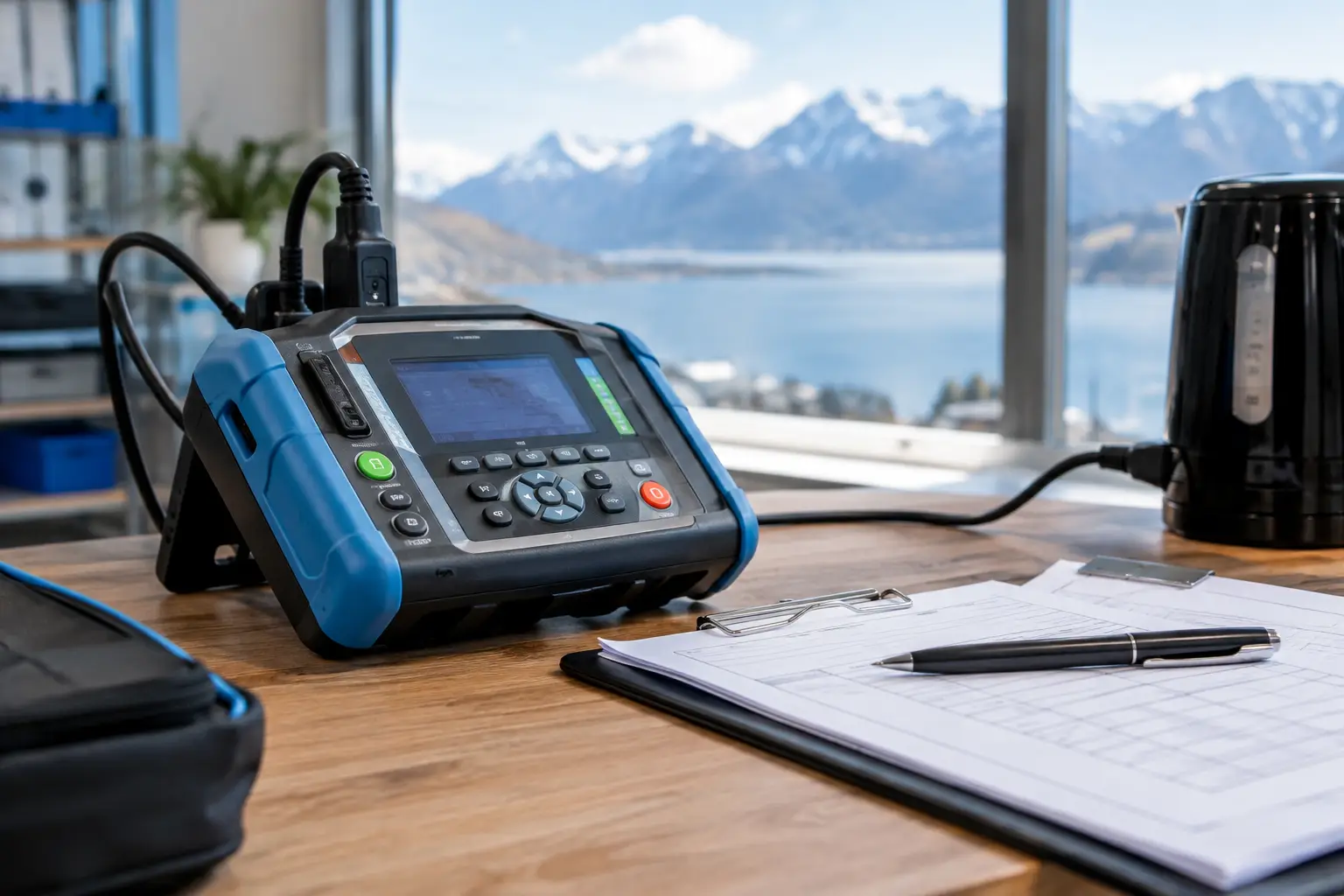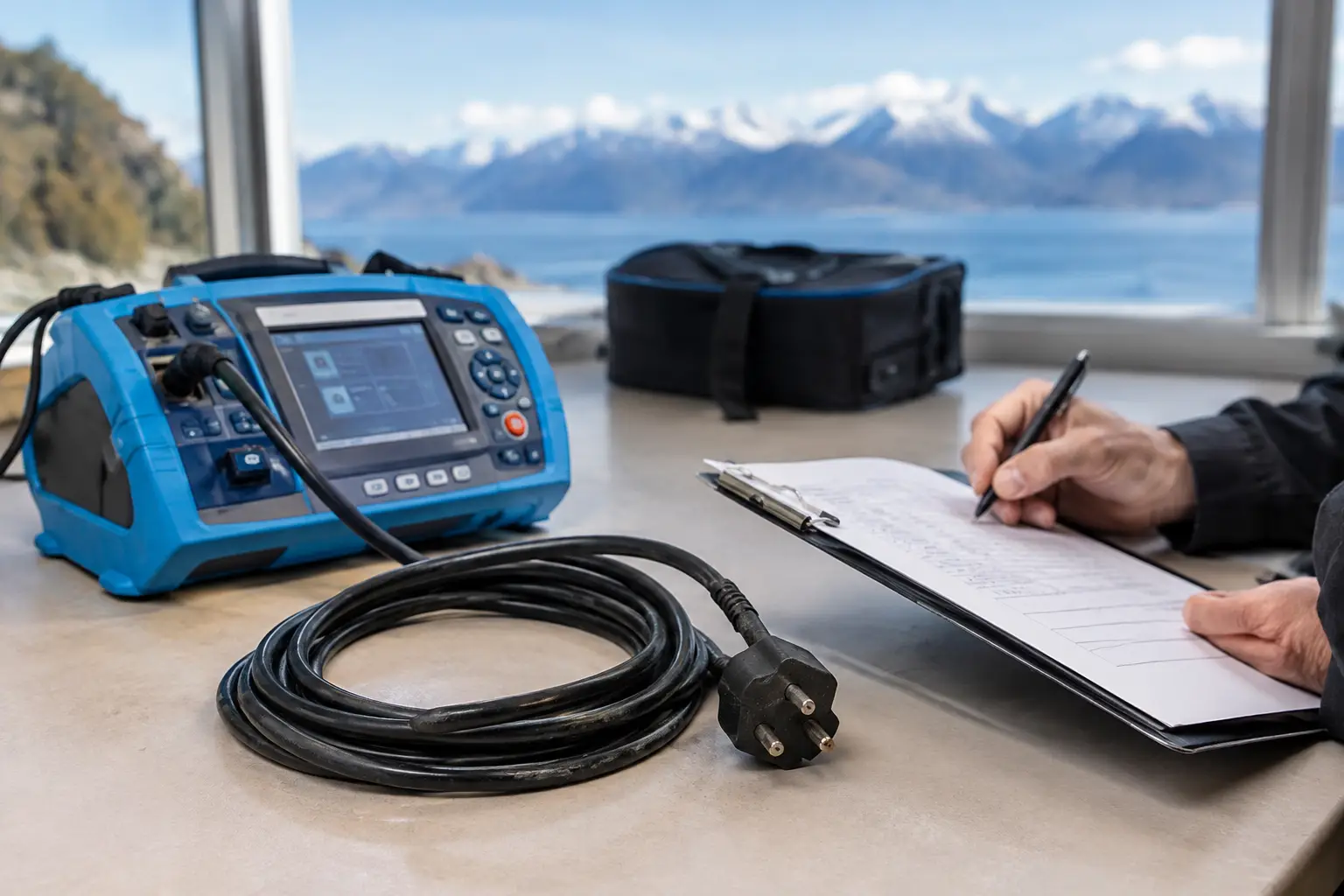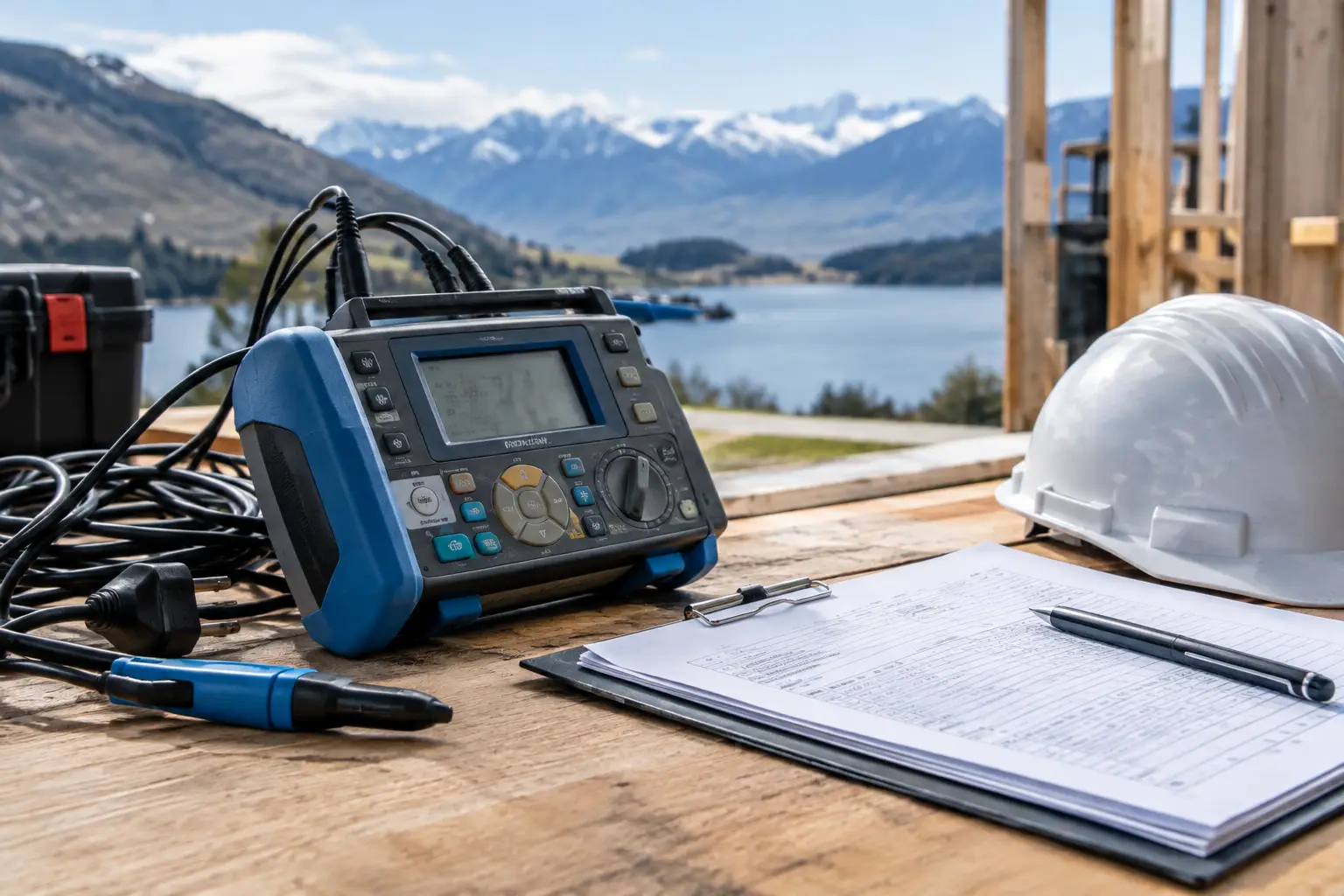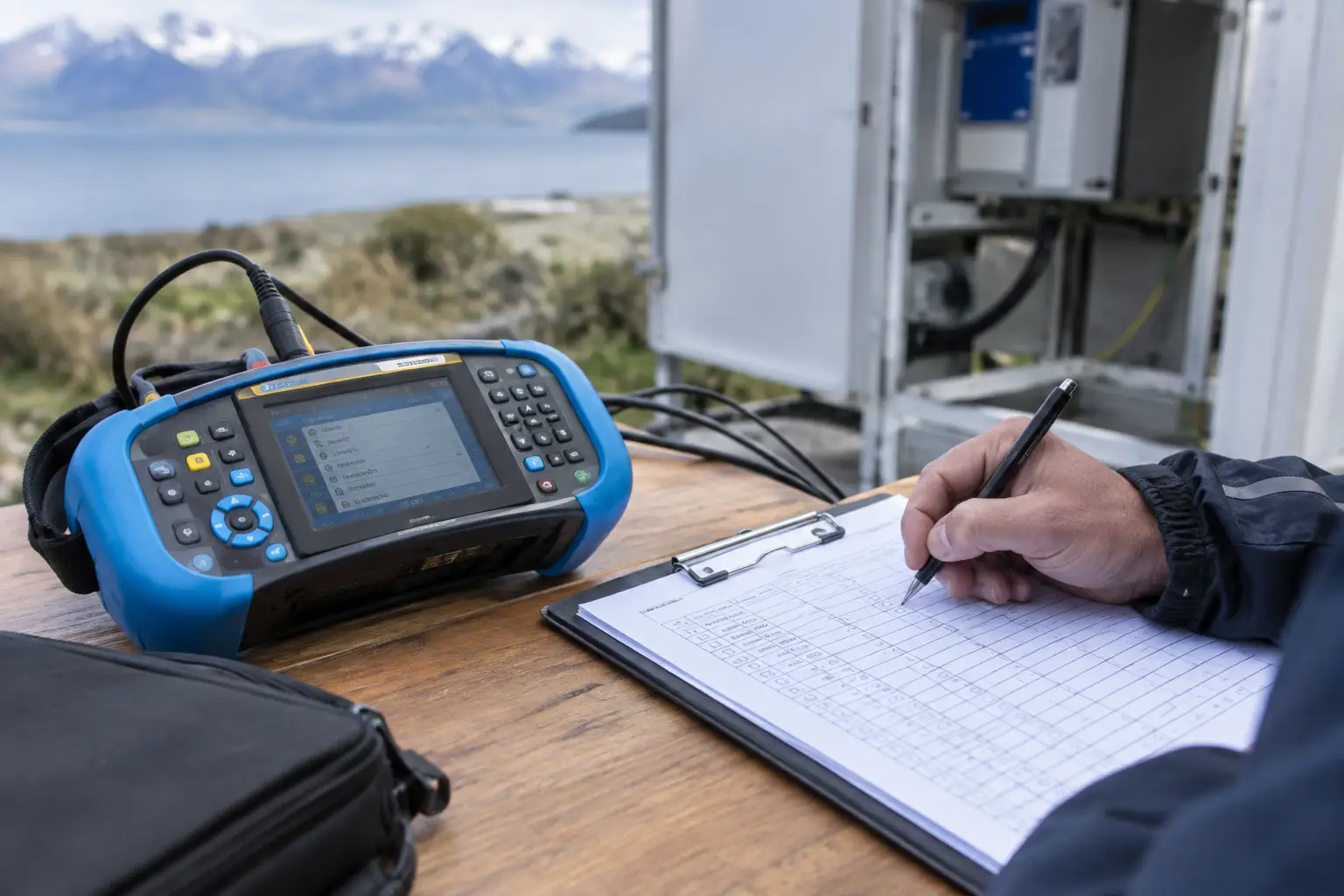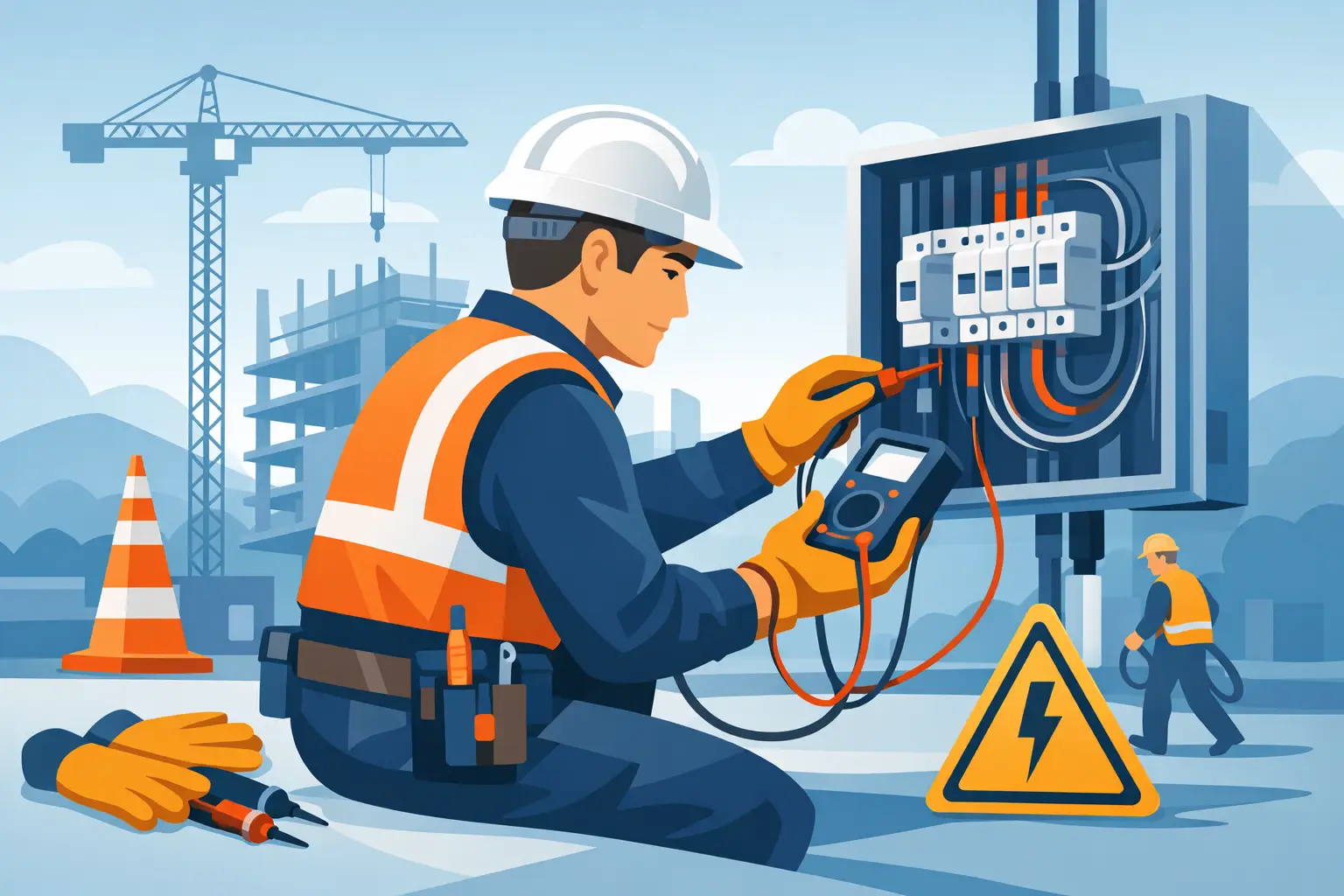
A damaged extension lead dragged through mud, a cracked grinder casing or a poorly repaired power board can put a construction crew at risk long before anyone notices a problem. WorkSafe construction electrical testing gives site managers a practical way to identify those faults, remove unsafe equipment from service and show that electrical risks are being managed properly.
Construction sites place tougher demands on portable electrical equipment than most workplaces. Tools are moved between jobs, exposed to dust and moisture, handled by multiple contractors and sometimes stored in less-than-ideal conditions. Testing and tagging is not paperwork for its own sake. It is a planned control that helps keep people safe, avoids downtime and supports a safer, better organised site.
Why construction equipment needs closer attention
A power tool can look fine yet have a damaged earth connection, poor insulation or an internal fault that only appears under test. Visual inspections remain essential because they identify obvious damage quickly, but they cannot confirm every electrical safety issue.
On construction sites, leads are commonly run across accessways, pinched in doors, pulled by plugs rather than cables and exposed to water or concrete dust. Cordless chargers, temporary site-office appliances, welders, generators and three-phase equipment all require consideration too. The level of risk depends on the equipment, where it is used and how it is treated on site.
AS/NZS 3760:2010 provides the recognised framework for in-service safety inspection and testing of electrical equipment. It is widely used to help businesses meet their workplace health and safety responsibilities. WorkSafe expectations centre on managing risk under health and safety law, rather than treating a tag as a complete safety system. A current test tag is useful evidence of inspection, but it does not replace daily checks, competent workers or safe site practices.
WorkSafe construction electrical testing in practice
A professional testing programme begins with a visual inspection. The tester checks the plug, lead, casing, switches, strain relief, guards and signs of unauthorised repair or overheating. Equipment that is visibly unsafe should be taken out of service immediately, regardless of its previous test date.
The electrical test then checks the safety features relevant to that item. Depending on the equipment class and supply type, this may include earth continuity, insulation resistance, polarity and leakage testing. Portable RCDs also need specific checks. For three-phase equipment, testing must be carried out by someone qualified and equipped to assess the relevant electrical characteristics safely.
Once an item passes, it is tagged with clear identification and its next test date. Just as importantly, it should be recorded in an asset register. A useful register identifies the item, location, asset number, test result and due date. This gives site managers a clear record for audits, principal contractor requirements and future scheduling.
If an item fails, the correct response is not to hide the tag or put the tool back in the ute for later. It should be labelled as unsafe, removed from use and either repaired by a suitably qualified person or disposed of. After repair, it needs to be retested before returning to site.
Testing frequency depends on site conditions
There is no sensible one-size-fits-all interval for every business. Construction and demolition environments are generally higher risk because equipment is subject to rougher use and environmental exposure. More frequent inspection and testing may be appropriate where equipment is used outdoors, in wet areas, around conductive materials or by several crews across changing sites.
Lower-risk equipment in a controlled office area may have a longer interval than a circular saw used daily on a commercial build. A site manager should also consider client rules, principal contractor conditions, equipment history and any manufacturer requirements. The aim is to set intervals that reflect actual risk, then keep them consistent.
Between scheduled tests, workers should carry out a quick visual check before use. Frayed leads, loose pins, cracked cases, burn marks, exposed wiring and damaged plugs are all reasons to stop and report the item. That simple habit is often the first line of defence.
What a compliant site system should cover
Testing and tagging works best when it is part of the site’s wider electrical safety process. A tag alone can be missed, damaged or attached to the wrong item. Clear records and defined responsibilities make the system more reliable.
For most construction businesses, the following areas need to work together:
- an up-to-date register for portable tools, leads, chargers, appliances and relevant site equipment;
- a process for checking contractor-owned equipment before it enters the site;
- scheduled inspection and testing intervals based on the working environment;
- a clear quarantine process for failed or damaged equipment; and
- reminders so retesting is booked before equipment falls overdue.
This approach reduces the administrative burden on busy supervisors. It also prevents the common problem of a tool being tested at one project, then moving to another site with no record of its status. Asset identification is particularly useful for larger contractors and businesses managing several crews.
Don’t overlook leads, RCDs and temporary power
Extension leads and portable RCDs deserve the same attention as power tools. In practice, they are often more exposed to damage because they are laid across floors, work platforms and access routes. A lead may still deliver power despite having damaged insulation or a compromised earth, which is why visual inspection alone is not enough.
Portable RCDs provide an added layer of protection, but they must be suitable for the task and maintained correctly. The test button should be used in accordance with site procedures and manufacturer instructions. Electrical testing can verify the device’s operating performance, while daily site controls help ensure it is not damaged, bypassed or used incorrectly.
Temporary switchboards, generators and fixed site wiring are different from ordinary portable appliance testing. They may require inspection, testing or work by a registered electrical worker under the applicable electrical safety requirements. Knowing where portable equipment testing ends is part of managing the job properly. A good provider will explain what falls within the test-and-tag scope and when another electrical specialist is needed.
Thermal imaging adds another preventative layer
Portable appliance testing identifies faults in tools and appliances. Thermal imaging serves a different purpose by checking electrical boards, connections and other suitable equipment for abnormal heat patterns. A hot connection can point to a loose termination, overloaded circuit or developing component fault before it becomes a failure, fire risk or unexpected shutdown.
For construction companies with workshops, site offices, storage facilities or permanent distribution boards, thermal imaging can support planned maintenance alongside testing and tagging. It is particularly valuable where a shutdown would interrupt a programme or delay multiple trades. Findings still need to be assessed in context, as heat can be influenced by load and operating conditions, but the information helps prioritise maintenance before a small fault becomes a costly one.
Make compliance easier to maintain
The most effective electrical safety programme is one that crews can follow without chasing spreadsheets or guessing test dates. Book testing around project stages where possible, provide access to equipment and nominate one person who can confirm what has moved on or off site. This keeps testing efficient and reduces disruption to productive work.
For South Island businesses, Phase Test and Tag provides portable appliance testing, three-phase equipment testing, asset registers and future due-date reminders without call-out fees. The focus is straightforward: identify unsafe equipment, provide clear documentation and help site teams stay ahead of their electrical compliance responsibilities.
A well-run construction site will always have changing hazards. Keeping electrical equipment inspected, tested, recorded and removed from service when damaged gives your crew one less preventable risk to carry into the next shift.