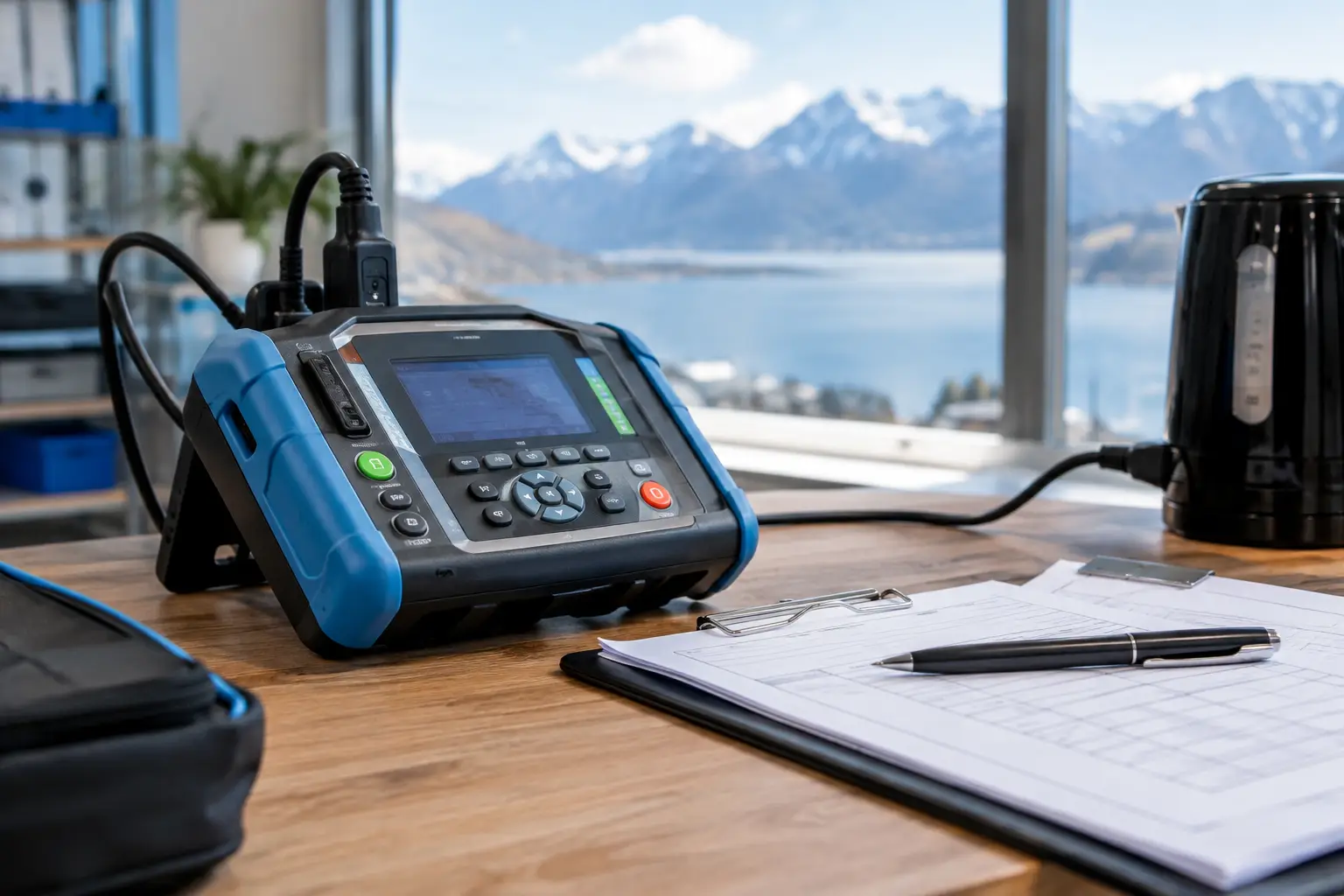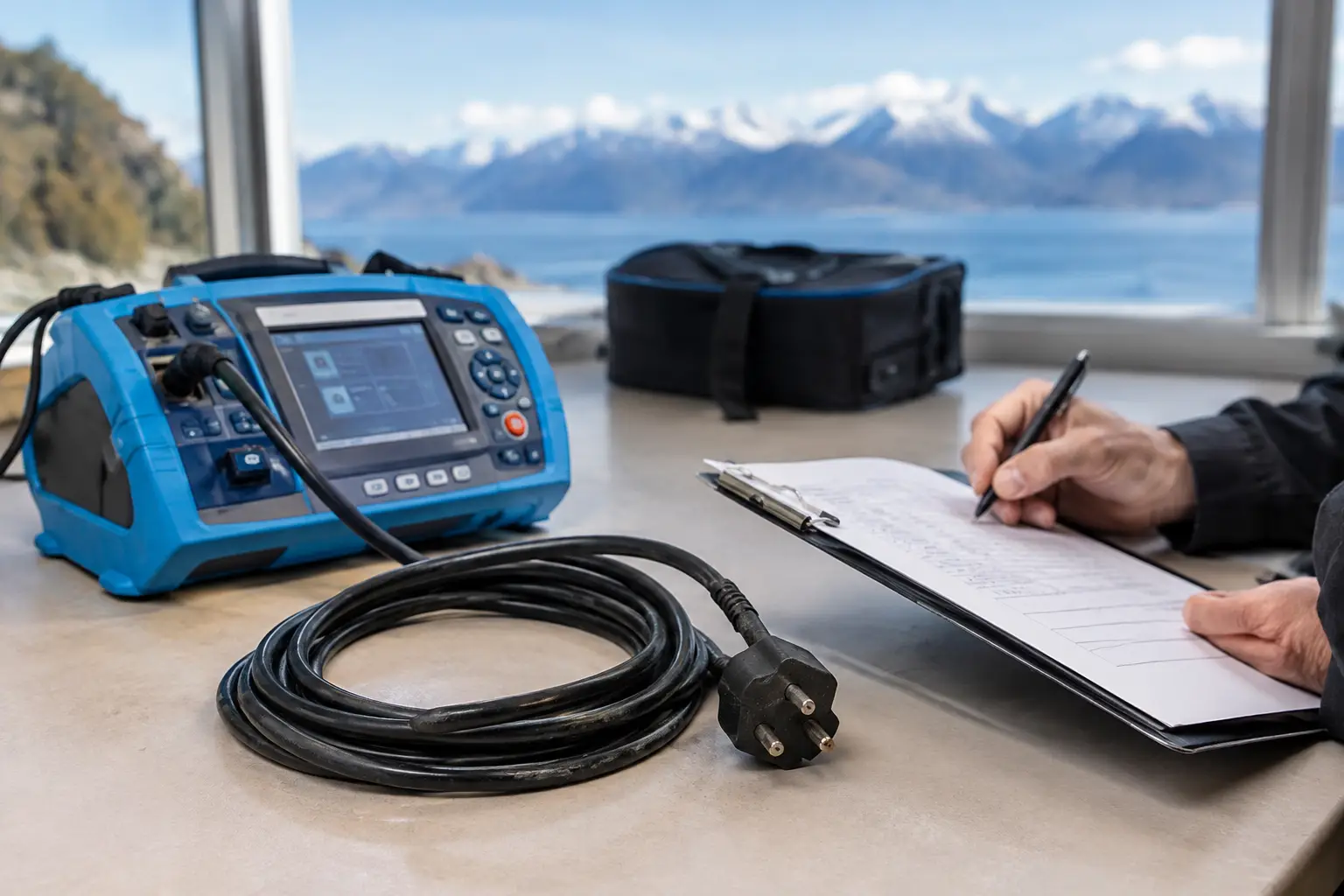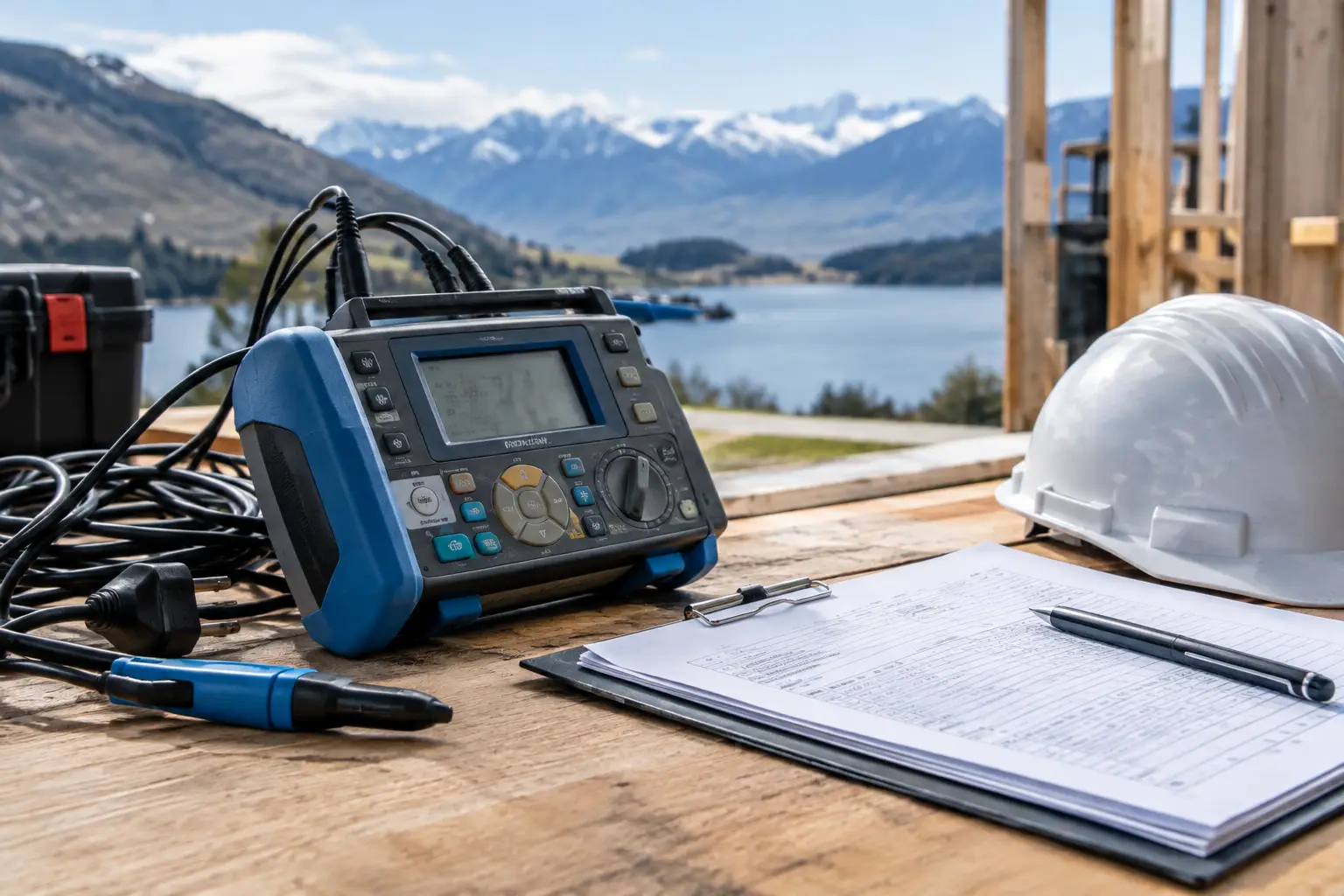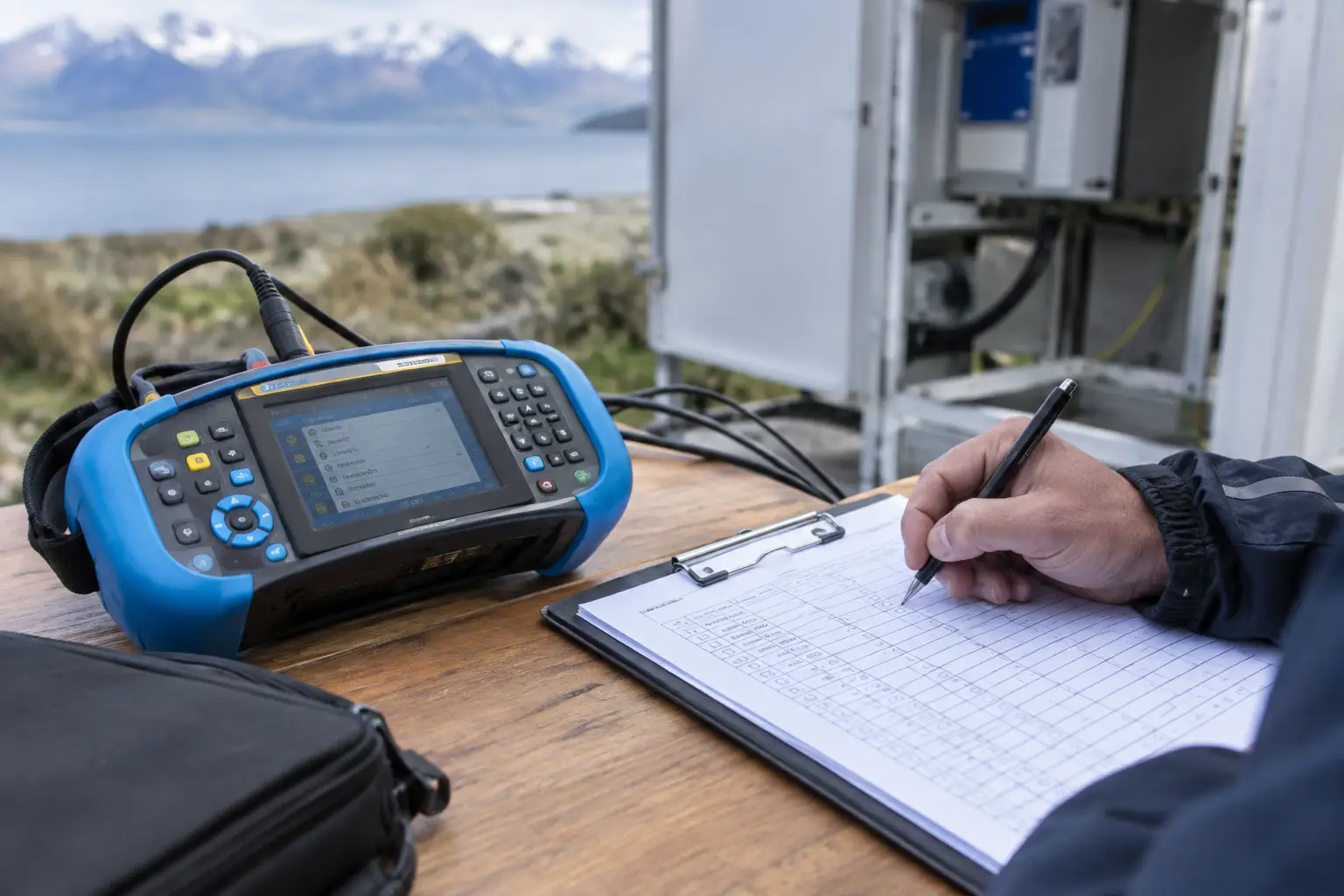
A damaged extension lead behind a workbench, a cracked plug in the office kitchen or an overheating connection inside a switchboard can all look minor – until they cause a shock, fire, outage or serious delay on site. Electrical compliance is the practical process that helps businesses find these risks early, prove they have been addressed and keep people safe around electrical equipment.
For businesses across Christchurch and the South Island, it is not simply a matter of putting a tag on every appliance. Good compliance combines inspection, electrical testing, clear records and sensible retesting plans based on how and where equipment is used. Done properly, it reduces uncertainty for managers, workers, contractors and clients.
What electrical compliance means in a workplace
Electrical compliance means taking reasonable, documented steps to ensure electrical equipment is safe to use and maintained in line with applicable health and safety duties. For portable appliances, leads and residual current devices (RCDs), this commonly includes inspection and testing in accordance with AS/NZS 3760:2010, along with site-specific requirements and WorkSafe expectations.
The standard provides a recognised framework, but it does not replace judgement. A clean, low-traffic office has different risks from a construction site, workshop, warehouse or manufacturing floor. Equipment exposed to dust, moisture, vibration, vehicle traffic or frequent handling generally needs closer attention than a printer sitting in a protected office.
Compliance also needs to be more than a once-a-year administrative task. Equipment can be damaged the day after it is tested. Staff should know to remove suspect equipment from service, report it promptly and avoid temporary repairs that create a larger hazard later.
Why test and tag is only one part of the picture
Testing and tagging is a visible part of electrical compliance, but the tag is evidence of a process, not a guarantee that equipment will remain safe until its next due date. A competent test includes a visual inspection and appropriate electrical checks to identify faults that cannot always be seen from the outside.
Visual checks can reveal cracked housings, damaged insulation, loose plugs, exposed conductors, improvised joins and signs of overheating. Electrical tests may identify issues with earthing, insulation resistance and polarity. If an item fails, it should be clearly labelled, removed from use and either repaired by a suitably qualified person or replaced.
A useful testing programme also creates an asset register. This records the item, its location or owner, a unique identifier, testing result and next test date. For a busy site manager, that register is often as valuable as the tags themselves. It makes it easier to answer client prequalification questions, prepare for an audit and identify equipment that has gone missing, been replaced or is due for retesting.
Setting the right retesting interval
There is no single testing interval that suits every business. AS/NZS 3760:2010 sets out recommended intervals for different environments and equipment types, while workplace risk should guide the final plan. Testing too infrequently can leave faults undetected. Testing more often than necessary can create avoidable cost and disruption.
Construction, demolition and hire environments usually call for short retesting intervals because leads and tools are regularly moved, knocked about and exposed to demanding conditions. Industrial and trade workplaces may also need frequent checks, particularly where equipment is used outdoors, around moisture or in areas with heavy machinery.
By comparison, a low-risk office may have longer intervals for stationary and regularly protected equipment. That does not mean office equipment can be ignored. Flexible leads are still bent, plugs are still damaged and appliances brought in by staff can bypass normal purchasing controls.
The best approach is to group equipment by its environment and use. Portable tools, extension leads, power boards, kitchen appliances, computer equipment and RCDs may each need different treatment. A testing provider should be able to explain the reasoning in plain language rather than applying one blanket schedule to every item.
The equipment that is often overlooked
Most businesses remember obvious items such as drills, grinders and extension leads. The overlooked equipment tends to be the gear that moves between vehicles, offices, workshops and temporary work areas. Portable power boards, phone chargers, battery chargers, fans, heaters, monitors, cleaning equipment and kitchen appliances all deserve consideration.
Contractor equipment is another common gap. A principal contractor or site operator may require evidence that items brought onto site have been tested and tagged, but the process needs to be managed consistently. Site induction, equipment checks and a clear rule for failed or untagged items can prevent awkward disputes once work is underway.
RCDs also require attention. These devices are designed to reduce the risk of electric shock by quickly disconnecting power when a fault is detected. They need regular push-button checks by users and periodic testing by a competent person, with records maintained. An RCD should never be treated as a substitute for sound leads, safe appliances and good work practices.
Electrical compliance beyond portable appliances
Portable appliance testing addresses a major category of workplace risk, but it is not the whole electrical safety picture. Fixed electrical installations, switchboards and production equipment need their own maintenance and inspection arrangements.
Thermal imaging is particularly useful where a fault may be developing inside electrical infrastructure without being visible. A thermal camera can detect abnormal heat patterns in switchboards, connections, circuits and electrical components. These hotspots can indicate loose terminations, overloaded circuits, imbalanced loads or deteriorating parts.
Thermal imaging does not replace electrical testing or repair work. It is a preventative maintenance tool that helps target attention before heat becomes a failure, outage or fire event. The timing depends on the site. A facility with critical plant, high electrical loads or limited tolerance for downtime may benefit from more regular scans than a small, low-demand premises.
Building a manageable compliance system
The strongest compliance systems are simple enough to run when the site is busy. Start with a current equipment register and make one person responsible for keeping it accurate. New equipment should be entered before use, while items sold, disposed of or permanently removed from site should be taken off the register.
Set retest dates according to equipment risk, then arrange testing around production schedules, site access and shutdown periods where possible. A provider that can work flexible hours can reduce interruption, especially in workshops, warehouses and active commercial sites.
Keep testing reports, failed-item records and repair evidence together. When a customer, auditor or head contractor asks for documentation, it should be available without searching through emails and filing cabinets. Proactive due-date reminders also reduce the chance that testing gets missed during a busy period.
Staff participation matters. Workers do not need to be electrical experts, but they should understand a few non-negotiables: do not use damaged equipment, do not tape over faults, do not overload power boards and report concerns immediately. A quick pre-use check is one of the most effective controls on any site because it happens before a damaged item is energised.
Choosing support that suits your site
A compliance provider should make the process easier, not add another layer of admin. Look for qualified personnel, clear reporting, a complete asset register and advice that reflects your actual environment. It is also reasonable to ask how failed equipment is managed, whether testing can be scheduled around your operations and how future due dates will be tracked.
For South Island businesses, local responsiveness can make a genuine difference when a project deadline, client audit or equipment issue is approaching. Phase Test and Tag provides portable appliance testing, tagging, asset documentation and thermal imaging support with an owner-operated approach, flexible hours and no call-out fees.
Electrical compliance works best when it becomes part of normal site management rather than a scramble before an audit. Start with the equipment your people rely on every day, give higher-risk areas the attention they deserve and keep records that make safety easy to demonstrate. That creates a safer workplace and gives your business one less avoidable risk to carry.