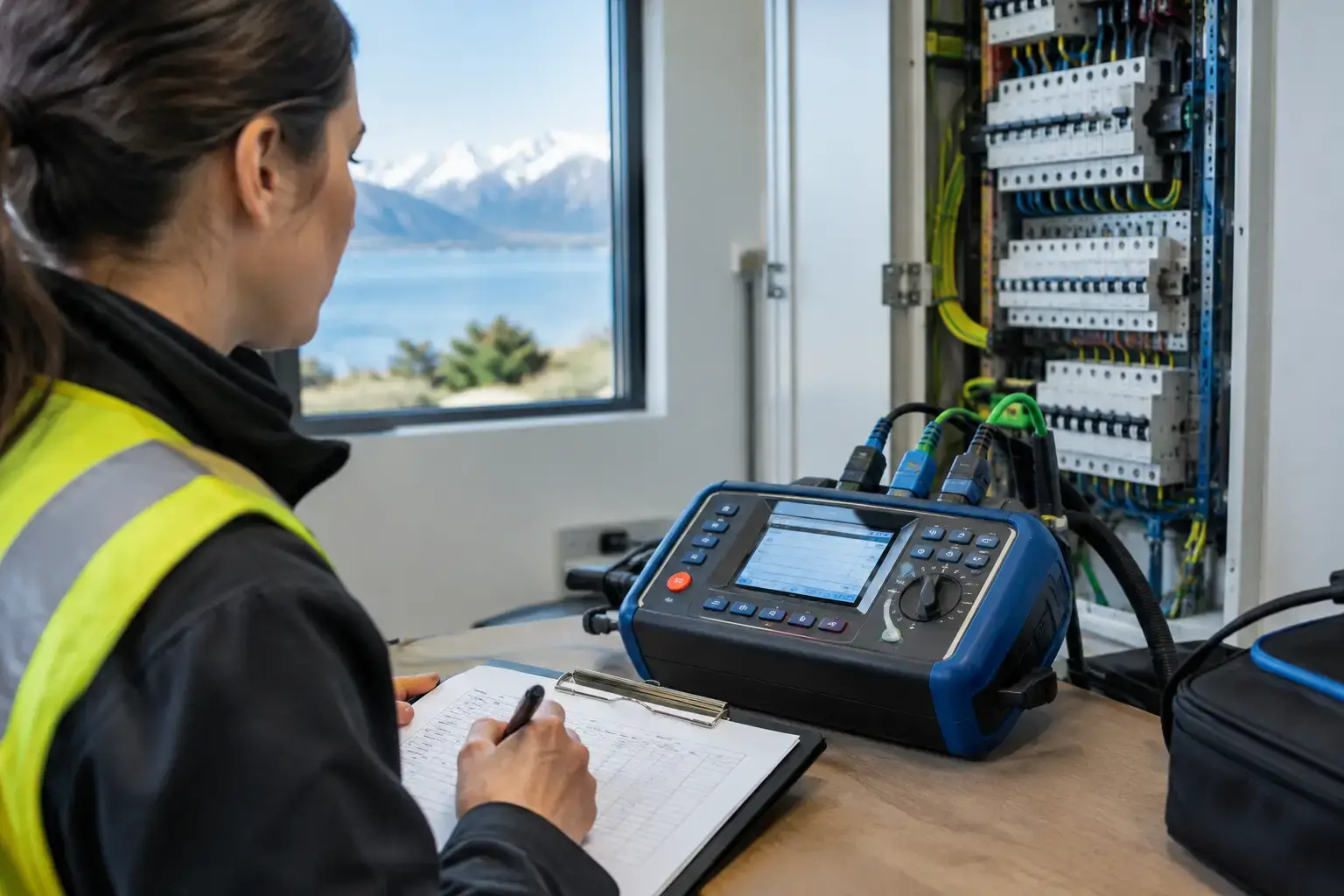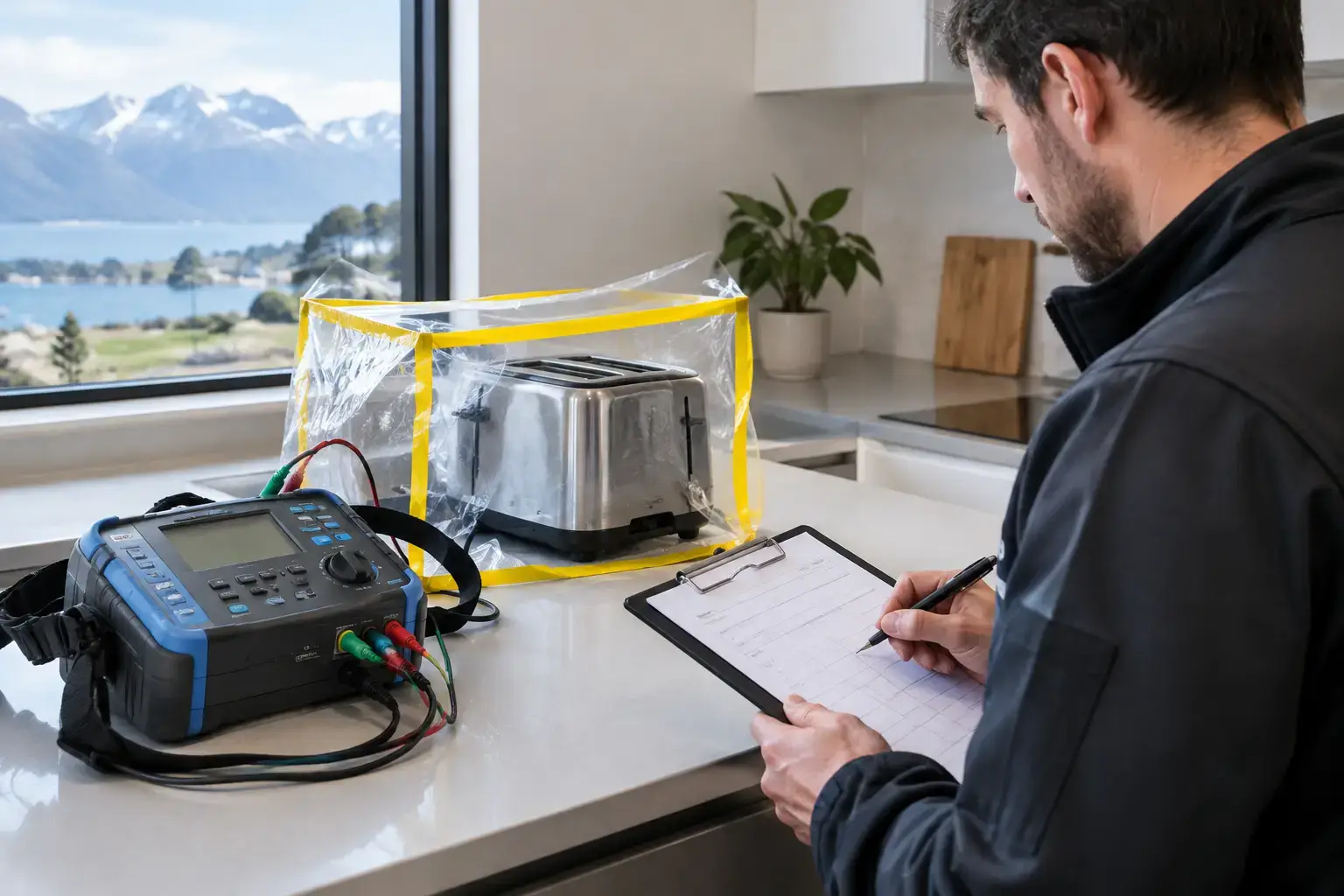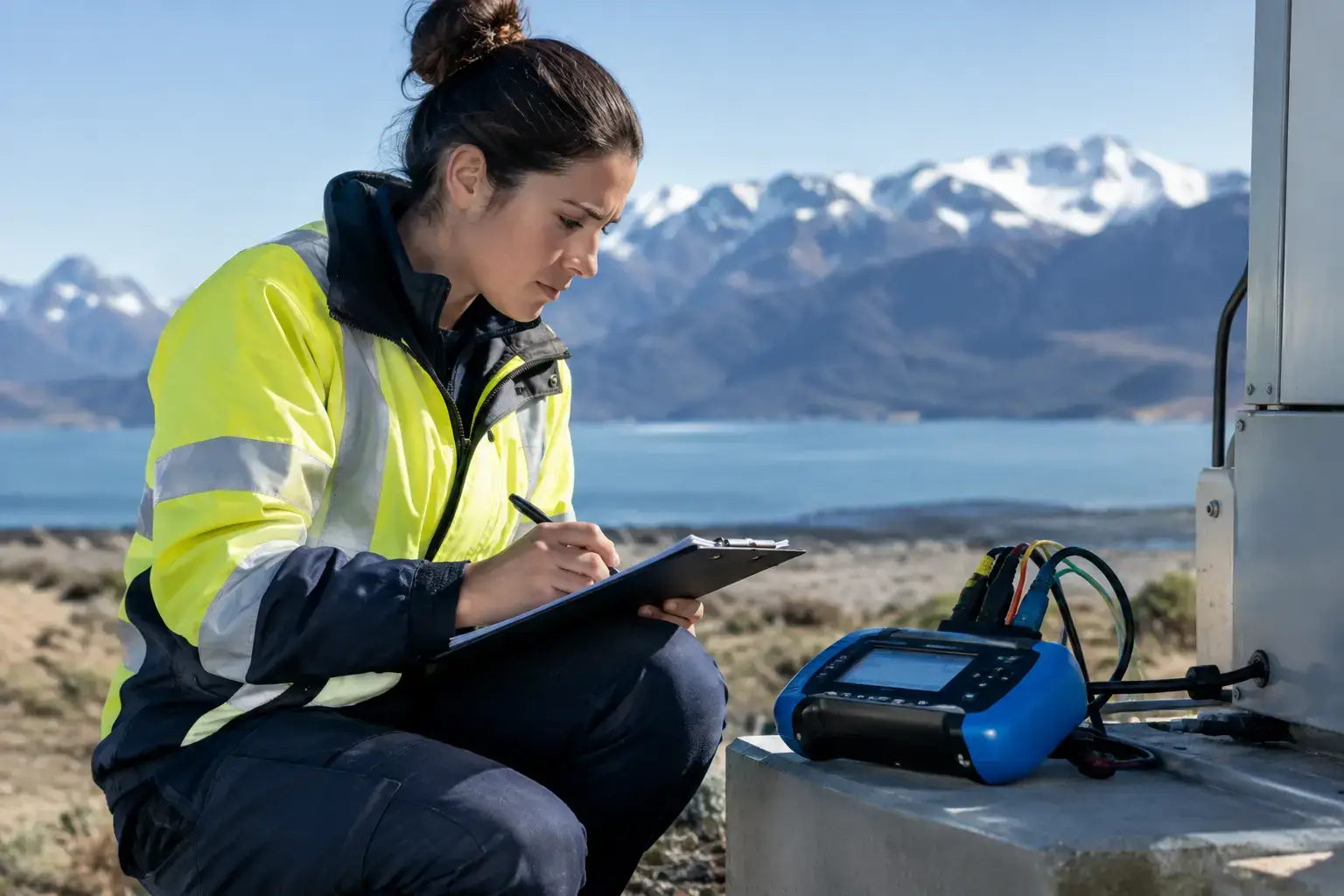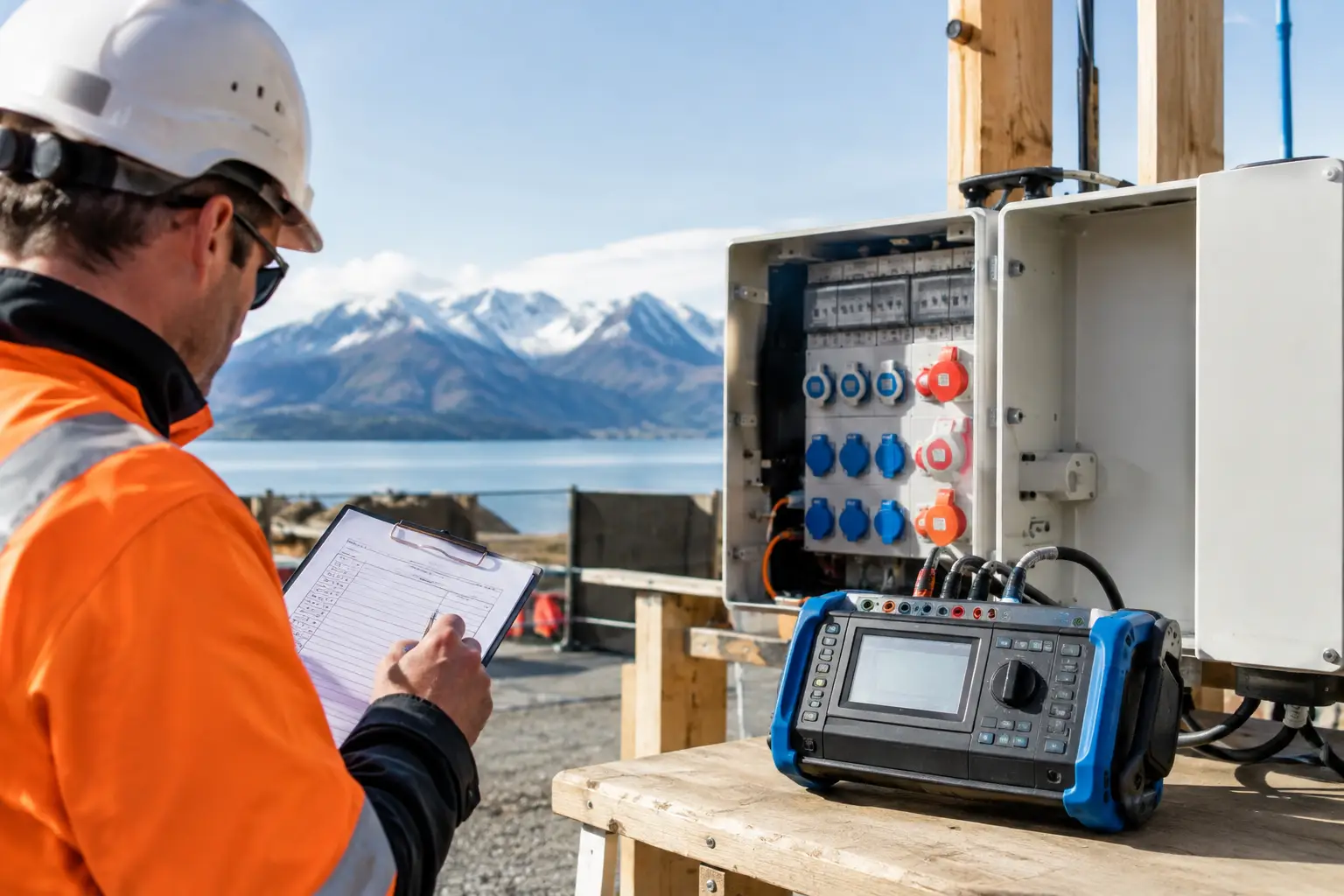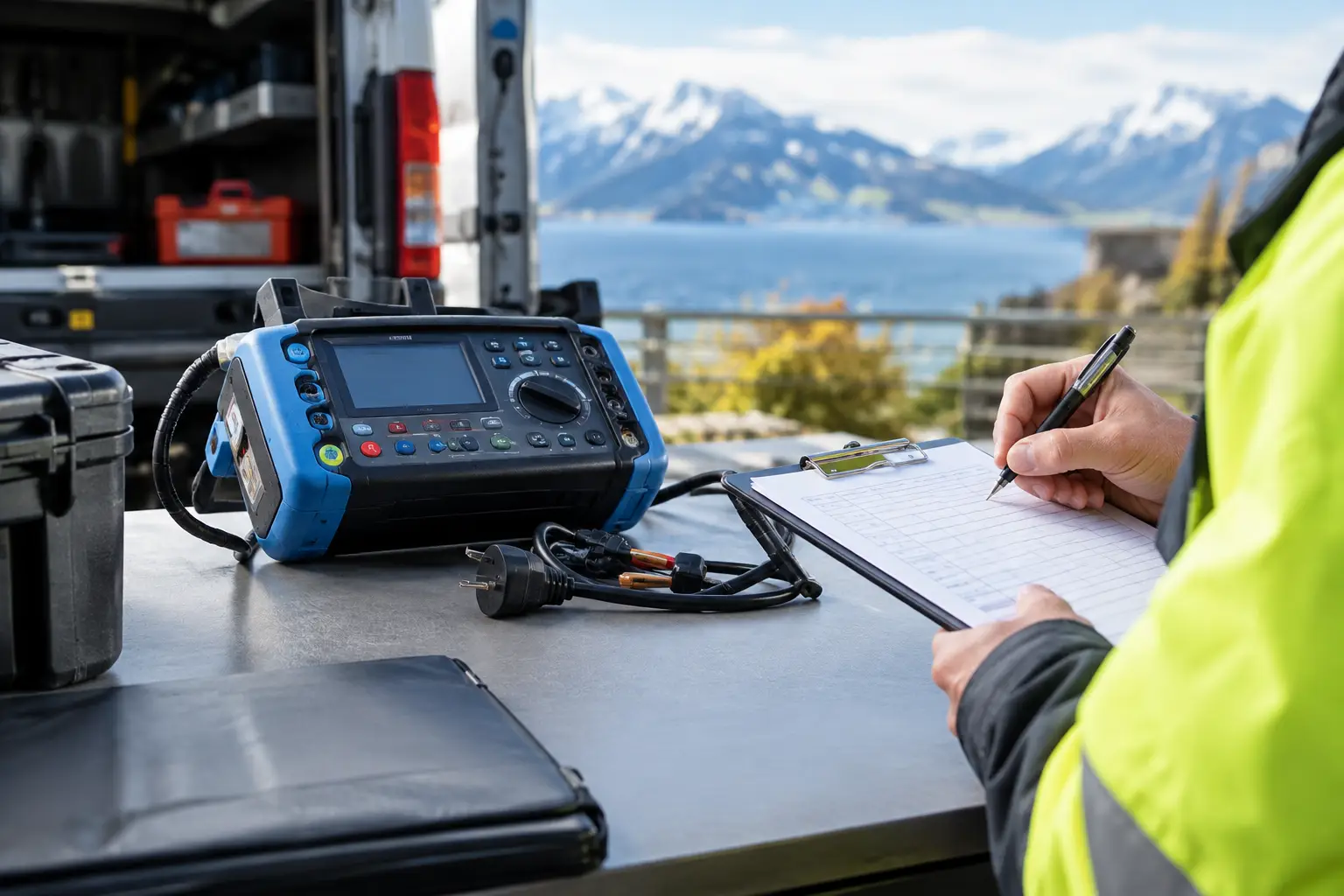
A failed extension lead is a safety issue. A missing test record can become a bigger operational problem when an incident, client audit or insurance question follows. This compliance documentation guide explains how to keep electrical safety records useful, current and easy to produce – without creating another administrative job for your team.
For businesses using portable electrical equipment, documentation is not paperwork for paperwork’s sake. It is the evidence that equipment has been inspected, risks have been addressed and the site has a process for managing electrical safety. Done well, it also helps prevent downtime caused by faulty tools, leads and appliances.
What compliance documentation needs to prove
A good electrical compliance file should tell a clear story. It should show what equipment is on site, how it was identified, when it was tested, what the result was and what happened if a fault was found. If a site manager cannot quickly answer those questions, the documentation is probably not doing its job.
For portable appliance testing and tagging, records should align with the principles of AS/NZS 3760:2010 and the risk controls expected under relevant workplace health and safety requirements. The standard provides a practical framework for in-service safety inspection and testing of electrical equipment. It does not mean every workplace follows one fixed retesting timetable. Frequency depends on the environment, the type of equipment and how it is used.
A construction site, workshop or manufacturing floor places much greater strain on leads and tools than a low-risk office. Equipment exposed to movement, dust, moisture, impact or frequent handling needs closer attention. Your documentation should reflect that risk-based approach rather than treating every item as identical.
Start with an accurate asset register
The asset register is the foundation of your compliance records. It is a live list of electrical equipment that needs to be managed, not a spreadsheet created once and forgotten.
Each item should have a unique identifier that matches its test tag. The register should also record a practical description, such as a three-phase welder, portable heater, laptop charger or extension lead. Include the location or department where it is normally used, the test date, outcome, next due date and any notes on condition or corrective action.
This level of detail matters when equipment is moved between workshops, job sites or offices. It also makes it much easier to identify an item that has not been tested, has been removed from service or is due for retesting. A register is particularly valuable for contractors and project managers managing equipment from several crews on the same site.
Keep the descriptions plain and recognisable. “Blue lead near shed” may make sense for a day, but it is not reliable evidence six months later. A unique asset number combined with a clear description and location is far more useful.
Include equipment that is easy to overlook
Many sites manage high-value machinery carefully but miss the everyday items that cause problems. Portable equipment includes extension leads, power boards, chargers, hand tools, portable lighting, kitchen appliances and office equipment with detachable leads.
The rule is not that every electrical item automatically has the same testing requirement. Rather, businesses need to identify what they have, assess the environment and use a consistent inspection and testing process. Equipment brought on site by workers or contractors should also be covered by site rules, particularly where client requirements specify current testing and tagging.
Record results, not just test dates
A tag gives a visible indication that equipment has been checked, but it is not the complete record. Tags can wear, be damaged or be removed. Your test report and asset register provide the supporting evidence.
After testing, retain results that show whether the item passed or failed, the date of inspection, the next scheduled test date and the identity of the competent person who completed the work. Where appropriate, note the test method and measurements recorded by the testing equipment. This creates a defensible record if you need to demonstrate how safety checks were carried out.
Failed equipment needs particularly careful documentation. The record should show that the item was clearly identified, removed from use and dealt with according to your workplace process. Leaving a failed item in a storeroom or workshop without a clear status can lead to it returning to service by mistake.
It is also sensible to document visual damage found between scheduled testing dates. Cracked plugs, damaged cable insulation, loose connections, exposed conductors and overheating signs should be reported immediately. Scheduled testing supports safety, but it does not replace routine user checks before equipment is used.
Set retesting intervals around actual site risk
One of the most common documentation mistakes is applying an arbitrary date to every asset. Retesting intervals should be informed by AS/NZS 3760:2010 guidance, workplace conditions, equipment use and any client, contract or insurer requirements.
High-use portable tools in construction, industrial and trade environments may need far more frequent checks than equipment used in a controlled office. A site with frequent relocation, harsh conditions or a large contractor workforce may also require stronger controls. By contrast, a low-risk administrative area may support a longer inspection and testing cycle where risk assessment and site requirements allow it.
Document the reason for the interval you choose. A simple note in your compliance plan can explain the different schedules for workshop tools, site leads, office equipment and temporary project equipment. This gives managers a consistent basis for decisions and makes future reviews easier.
If a customer or principal contractor has stricter entry requirements, record those requirements alongside your normal programme. Meeting a general interval is not enough if a particular site requires equipment to be tested more often before it can be used there.
Keep documents accessible at the point of need
Compliance records do not help much if they are buried in an old inbox or held by one person who is away. Store reports and registers in a location that relevant managers can access, with a clear naming system by site and testing date.
Digital records are usually the most practical option for multi-site businesses because they can be searched, backed up and shared when an audit is requested. Printed copies can still have a place on active projects where site teams need quick access. The best approach depends on the size of the operation, but there should always be one recognised source of truth.
Avoid maintaining separate versions of the same register across different teams. That is how equipment gets duplicated, testing dates are missed and failed items remain listed as available. Assign ownership for updating the register whenever equipment is purchased, transferred, retired or replaced.
Use documentation to support preventative maintenance
Electrical compliance records can reveal more than upcoming test dates. Patterns in failures can show where equipment is being damaged, whether a work area has poor storage practices or whether certain tools are reaching the end of their useful service life.
For larger electrical assets and distribution equipment, thermal imaging can add another useful record to a preventative maintenance programme. Thermal images may identify abnormal heat, developing faults or energy loss before the issue becomes visible through failure. The report then gives site managers a dated baseline and a practical reason to monitor or address a developing issue.
This is where documentation becomes a management tool rather than a compliance burden. Repeated faults, overdue assets and hot spots are signals that help businesses direct attention before a safety incident or disruption occurs.
A practical compliance documentation guide for audits
When an auditor, client or WorkSafe representative asks for evidence, the goal is not to hand over a pile of disconnected certificates. You should be able to present an up-to-date asset register, current test reports, records of failed equipment and your documented approach to retesting intervals.
It also helps to show that reminders and follow-up are built into the process. Due-date reminders reduce the chance that testing slips during busy periods, particularly for businesses managing seasonal workloads, multiple projects or dispersed sites across the South Island.
For a busy manager, the most effective system is usually the one maintained by a qualified testing partner who supplies clear reports, keeps asset information organised and gives advance notice of the next due date. Phase Test and Tag can help businesses establish that process without unnecessary call-out fees or complicated administration.
Good records make electrical safety easier to manage on an ordinary workday. Keep them current, make them easy to find and use what they tell you to remove risks before they interrupt your people or your operation.