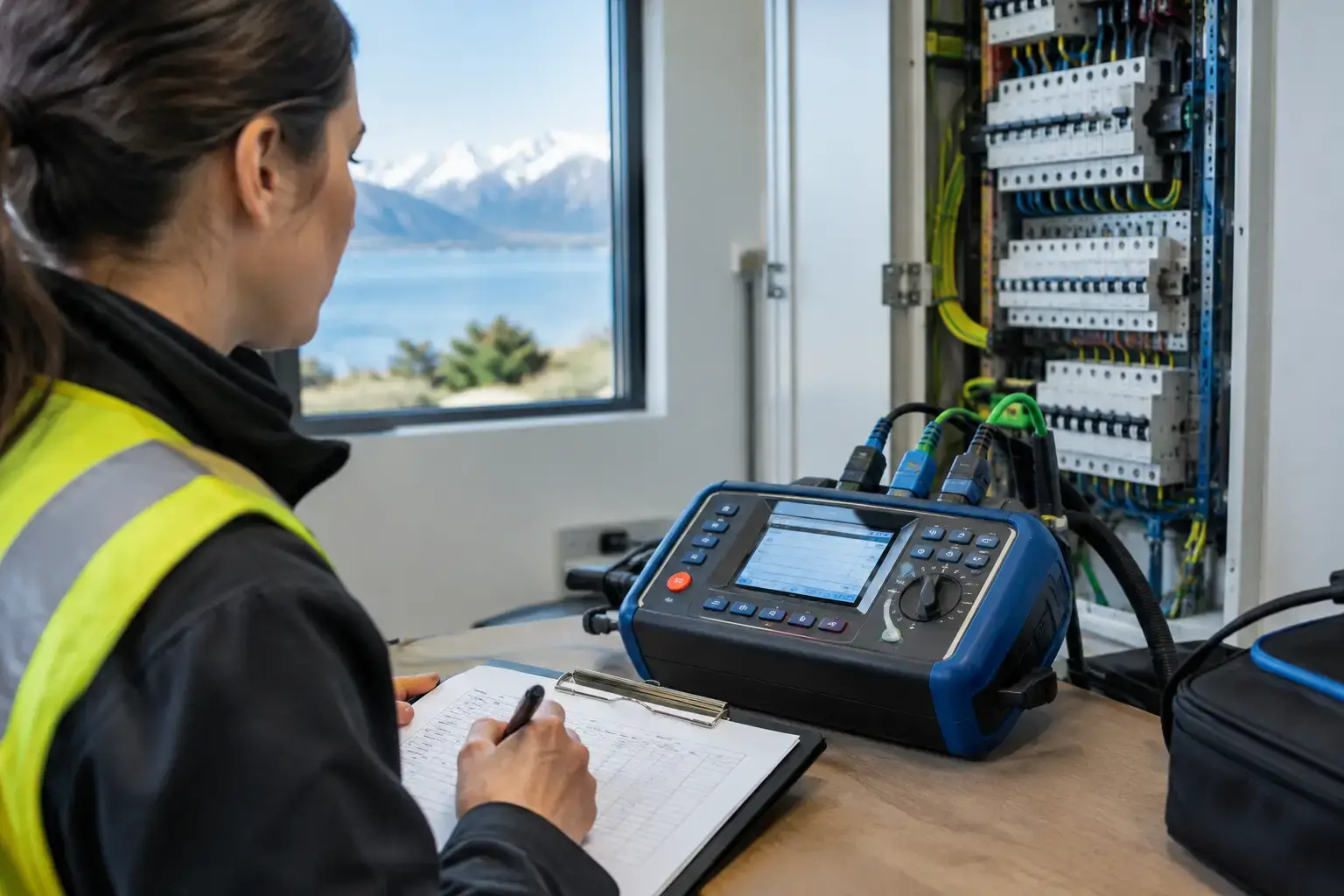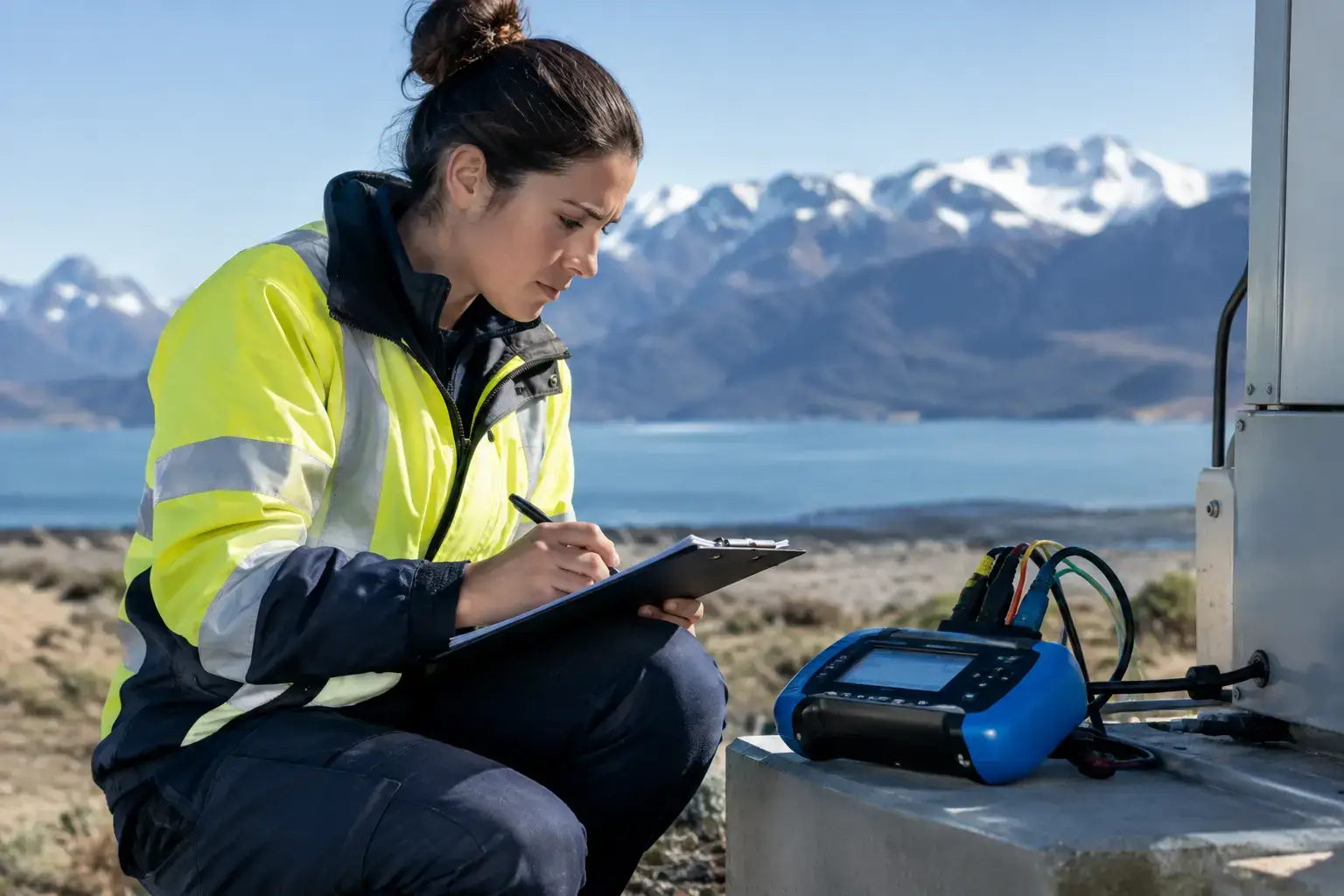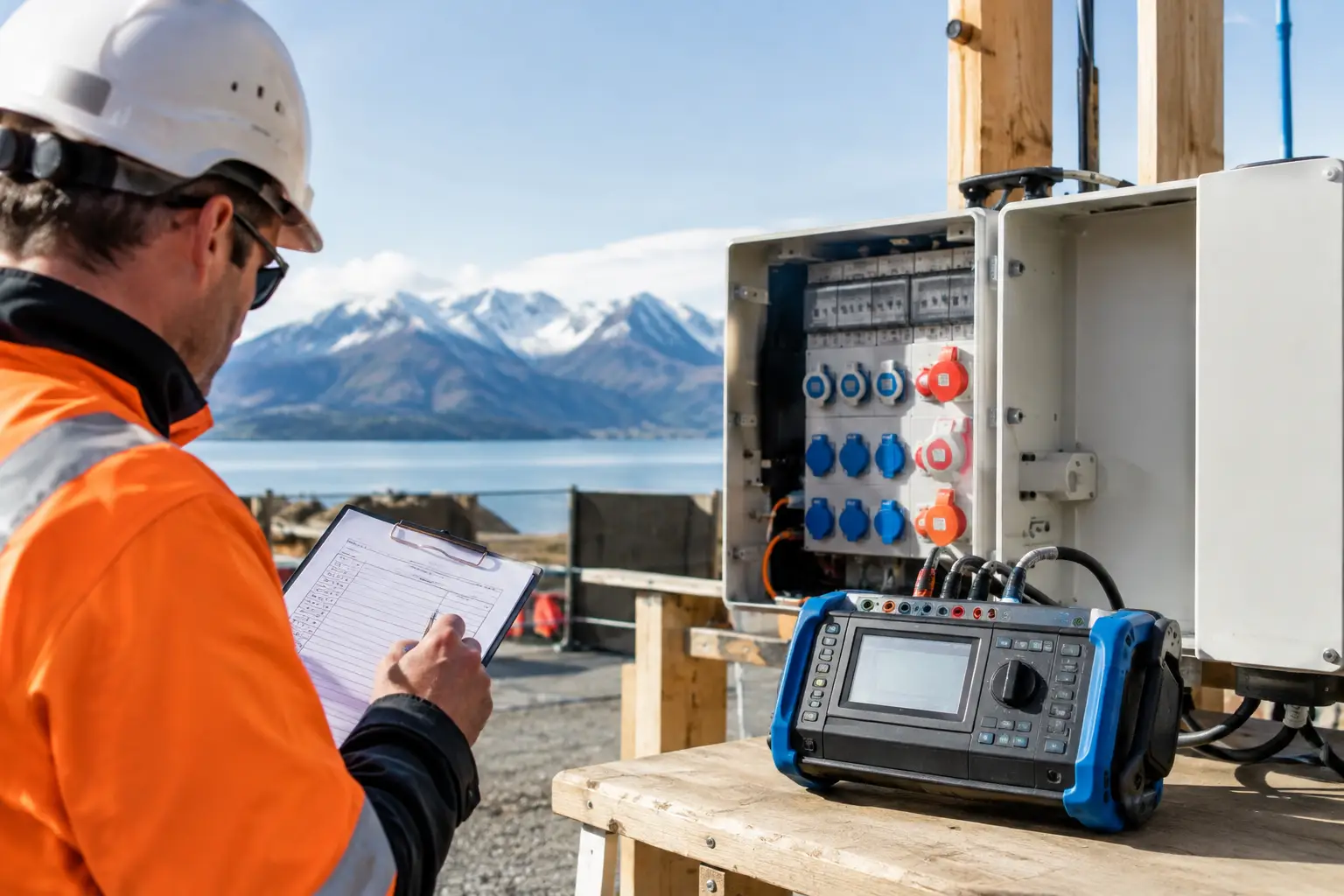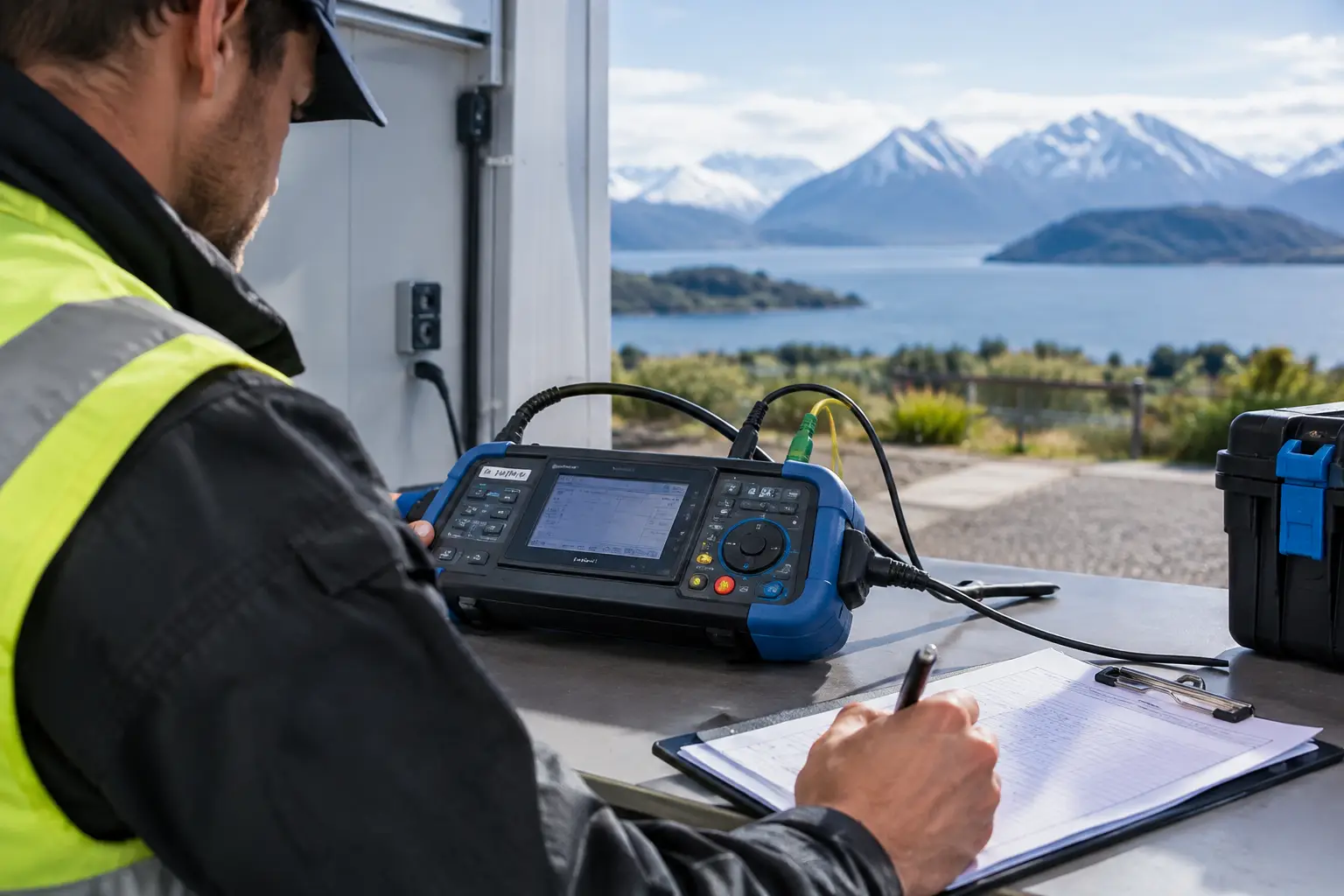
A portable lead with damaged insulation, a plug that is starting to overheat, or a switchboard connection carrying more heat than it should can all look harmless until they interrupt work or create a safety incident. The benefits of preventive electrical maintenance come from finding those early warning signs before equipment fails, people are exposed to risk, or a busy site is forced to stop.
For businesses that rely on portable tools, appliances, machinery and temporary site equipment, electrical maintenance is not simply a compliance task to complete when a client asks for it. It is a practical way to protect people, reduce avoidable downtime and keep clear records of the condition of workplace equipment.
Prevent problems before they become incidents
Electrical equipment is exposed to daily wear. Leads are dragged across floors, tools move between vehicles and sites, plugs are knocked, and appliances are used by different people over long periods. In construction, industrial and trade environments, moisture, dust, vibration and rough handling can accelerate deterioration.
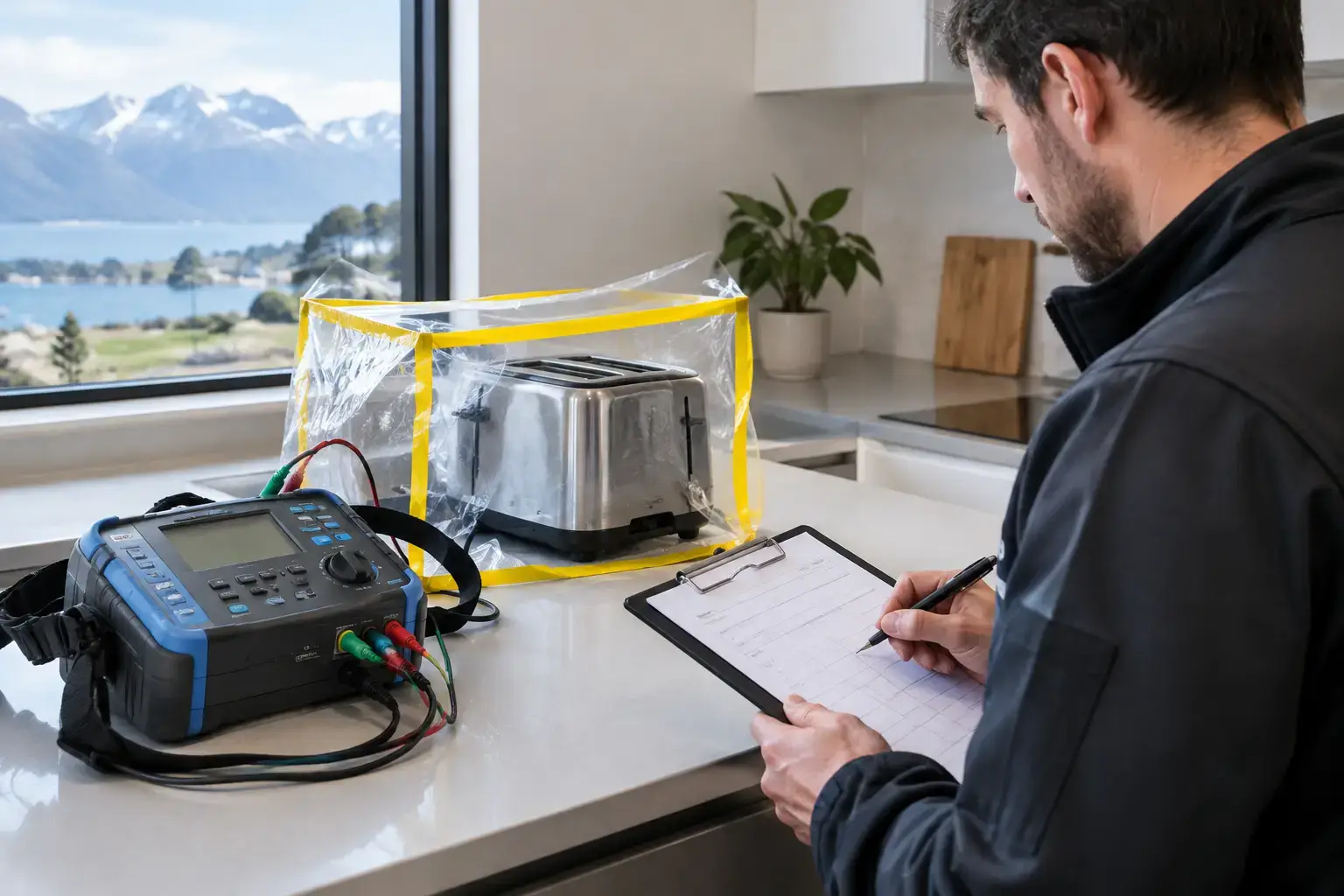
Preventive maintenance creates a regular opportunity to inspect equipment for damage that may not be obvious during normal use. Portable appliance testing and tagging combines a visual inspection with electrical testing to identify concerns such as damaged leads, loose connections, insulation faults and earth continuity issues. Equipment that does not meet requirements can be removed from service before it presents a greater risk.
This matters because many electrical faults develop gradually. A small defect may initially cause no interruption at all. Left unattended, it can lead to electric shock, an electrical fire, equipment damage or an unexpected shutdown at exactly the wrong time.
Benefits of preventive electrical maintenance for business continuity
Unplanned equipment failure is rarely convenient. A failed power tool can delay a job, but a fault in equipment supporting production, site offices or shared work areas can affect several people at once. The cost is not limited to replacing an item. There may be lost productive time, missed programme dates, additional hire costs and pressure on staff to find a quick workaround.
A planned maintenance programme helps businesses move from reacting to failures to managing known risks. Testing can be scheduled around site activity, and equipment registers make it easier to see what has been checked, what has passed and when each item is due again. This is particularly useful for organisations with equipment spread across multiple work areas or moving between projects.
The right testing frequency depends on the environment and how equipment is used. Tools on a demanding construction site generally need more frequent inspection than a desktop monitor in a low-risk office. A sensible programme considers the equipment type, site conditions, handling, likelihood of damage and client or contract requirements rather than applying one interval to every item.
Stronger compliance without extra administration
Workplace electrical safety is a shared responsibility, but managing it should not become a paperwork burden for site managers and business owners. Regular inspection, testing and clear documentation provide evidence that equipment condition is being actively managed.
For New Zealand workplaces, AS/NZS 3760:2010 provides guidance for the in-service safety inspection and testing of electrical equipment. WorkSafe expectations, insurance requirements and principal contractor rules may also influence what records a business needs to keep. While testing and tagging does not remove the need for staff to report visible damage or use equipment correctly, it supports a more complete safety system.
A current asset register is central to that system. It records individual items, test outcomes, tag details and due dates, helping managers answer straightforward questions quickly: Which assets are on site? Have they been checked? Is anything overdue? What was removed from service? When an audit, tender or client review arises, organised records save time and demonstrate a consistent approach to risk.
Thermal imaging adds another layer of prevention
Not every electrical concern can be found through portable appliance testing alone. Thermal imaging is used to identify abnormal heat in electrical components and connections. Heat can indicate a developing issue caused by excessive load, poor connection, imbalance or component deterioration.
The value of thermal imaging is that it can highlight a concern before there is visible damage or a complete failure. A thermal image can reveal a hotspot that would otherwise remain unnoticed during a standard visual inspection. This gives businesses the opportunity to investigate and plan a response before a heat-related fault becomes a fire risk or disrupts operations.
Thermal imaging is not required for every workplace in the same way. A small office with limited equipment has different exposure from a manufacturing facility, warehouse or site with high-demand electrical equipment. The key is matching the maintenance approach to the actual risk, rather than paying for checks that do not suit the site or overlooking areas that deserve closer attention.
Lower long-term costs, not just fewer immediate faults
Preventive maintenance has a cost, and it is fair for managers to weigh that against the cost of waiting until something fails. The comparison should include more than the price of a replacement appliance or lead. Consider the lost hours, disruption to staff, possible damage to connected equipment, project delays and the consequences of an incident investigation.
Regular testing also helps prevent good equipment from being discarded unnecessarily. When each item is identified and its result recorded, decisions can be based on condition rather than guesswork. Equipment that passes can remain in service with confidence, while failed equipment is clearly identified and kept out of use.
For larger workplaces, an asset register can also reduce waste and duplicate purchasing. When teams can see what equipment exists and where it is allocated, it is easier to manage stock, track portable assets and plan replacements before equipment becomes unreliable.
A practical routine for safer sites
The most effective maintenance programmes are easy for people to follow. Staff should know to carry out a quick visual check before using portable equipment and report damaged plugs, leads, casings or tags immediately. Equipment should not be used if it appears unsafe, even if its next formal test date has not arrived.
Managers can support this by keeping registers current, separating out-of-service equipment, and arranging testing at intervals suited to the workplace. It also helps to choose a provider that can work around operating hours, provide straightforward reporting and send reminders before testing falls due.
Phase Test and Tag supports businesses across Christchurch and the South Island with scheduled test and tag programmes, asset documentation and thermal imaging services. With qualified personnel, SiteWise Green certification and no call-out fees, the focus is on making electrical compliance clear, practical and manageable for busy workplaces.
Preventive electrical maintenance works best when it becomes part of normal site management, not a last-minute response to a failed item or an upcoming audit. A planned check today can protect your people, your programme and your ability to keep work moving tomorrow.