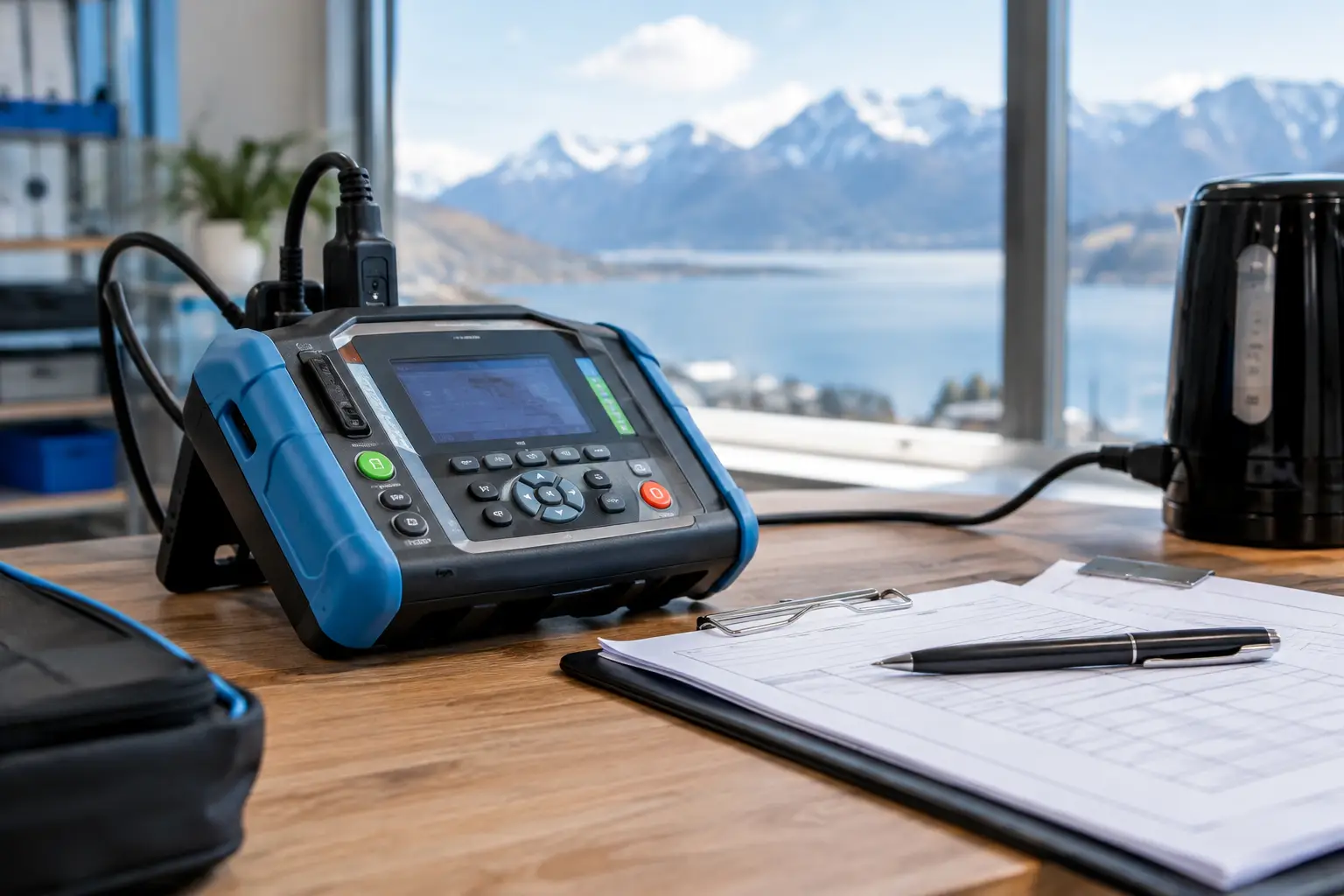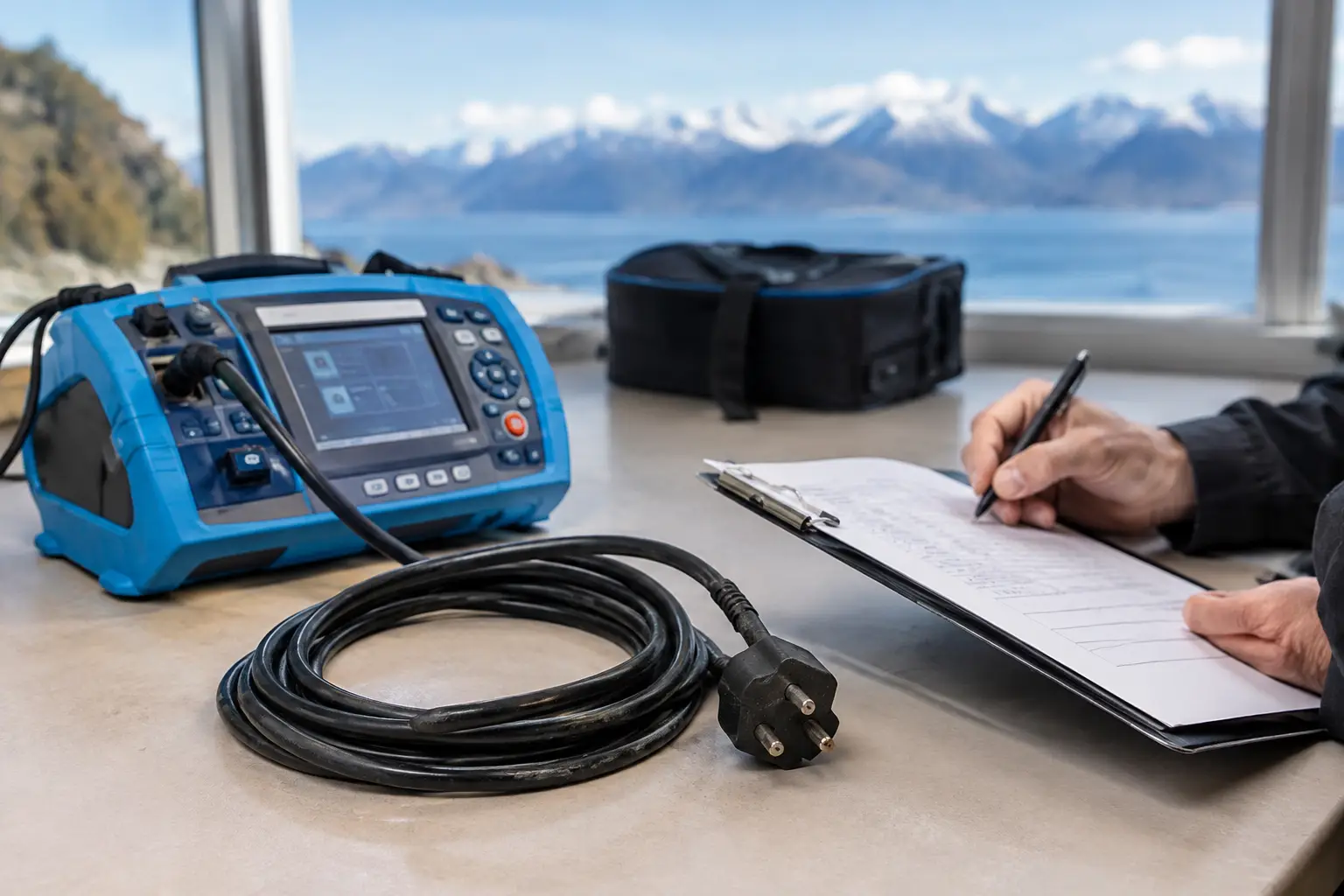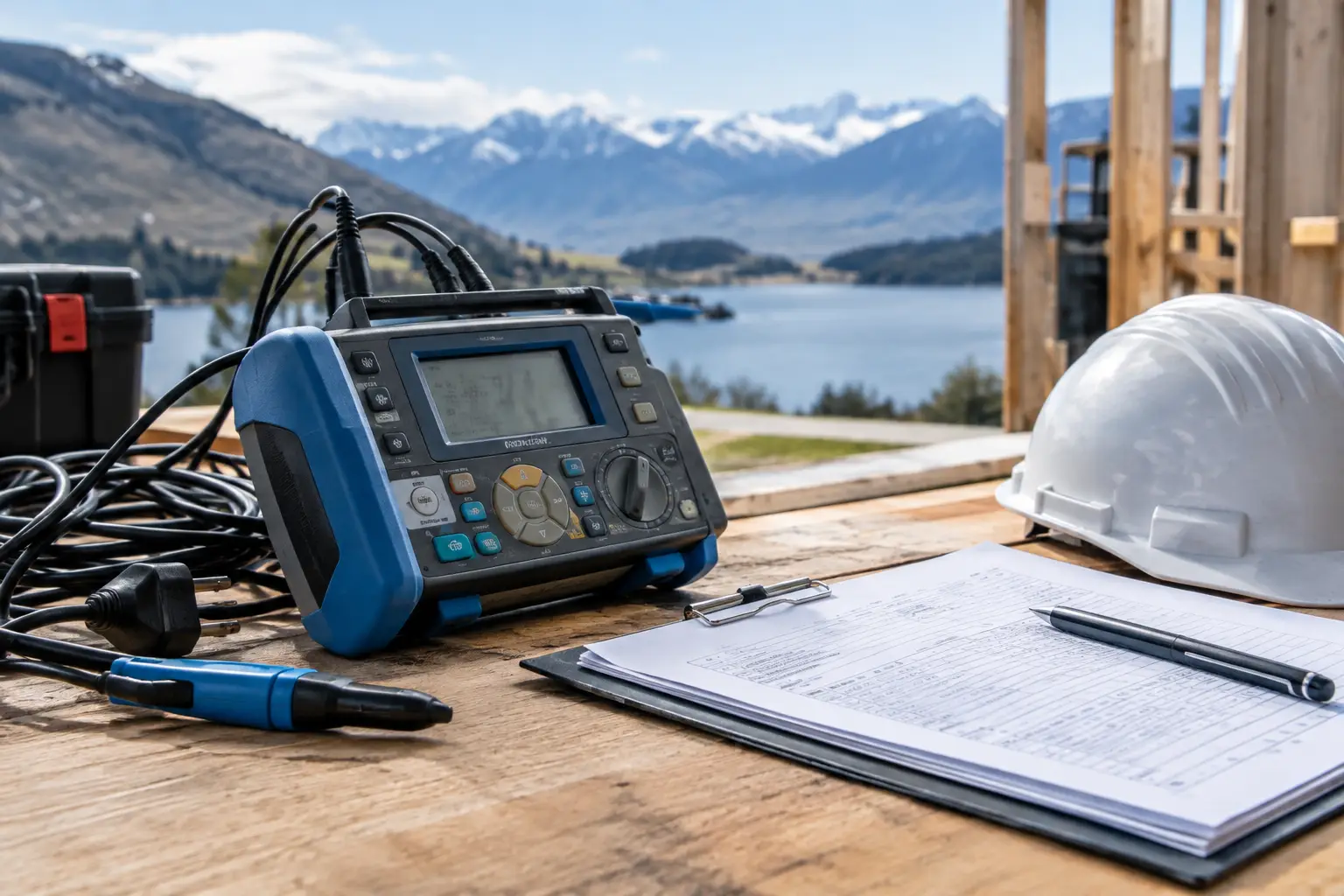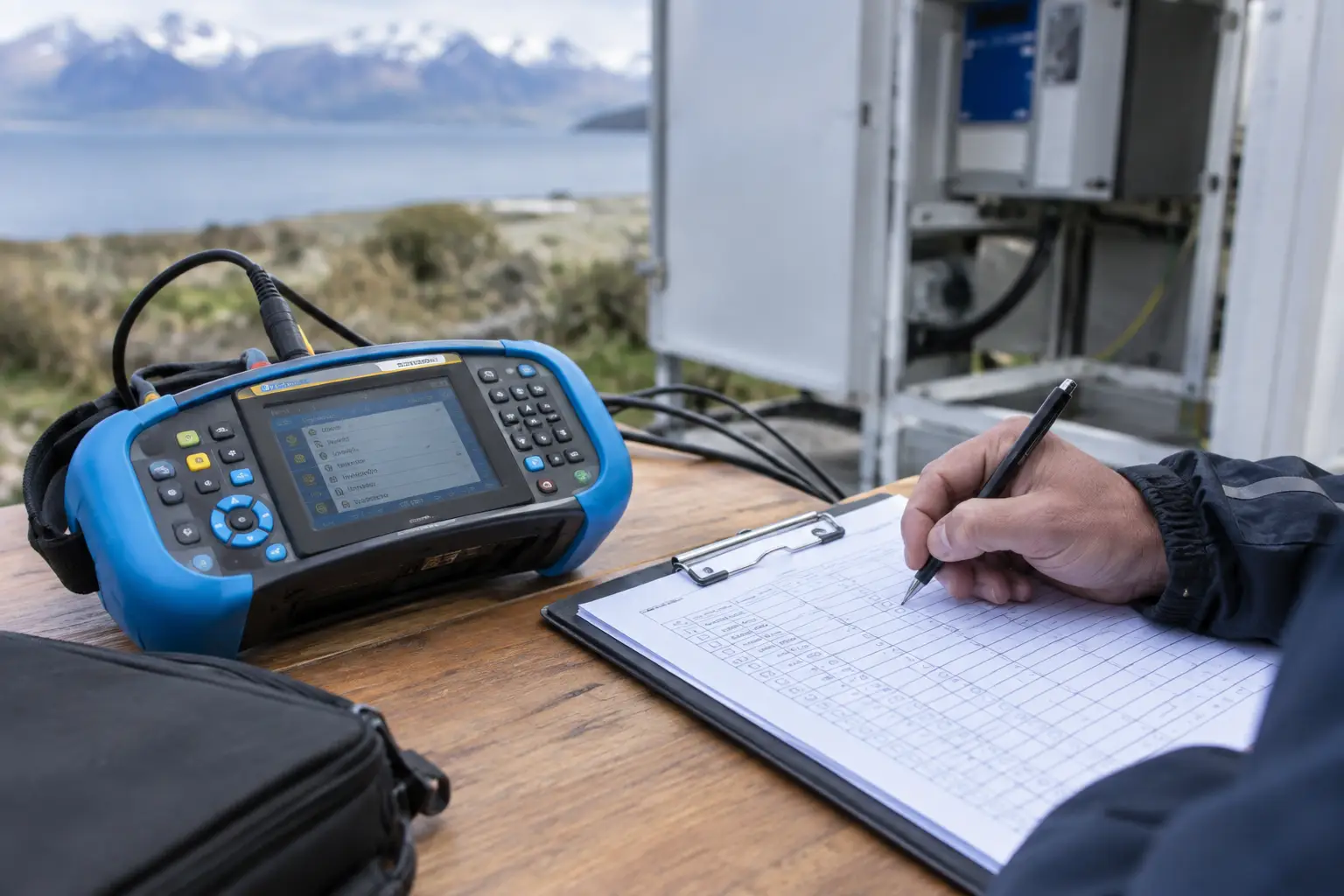
A lead with a damaged earth pin may still be connected to an RCD-protected circuit. An RCD may also trip correctly while a drill, kettle or extension lead has an internal fault. That is why RCD testing versus appliance testing is not an either-or decision for workplaces. They are separate checks that address different parts of electrical safety.
For site managers and business owners, the practical question is simple: what is being tested, what risk does it control, and what records do you need to keep? Understanding the difference helps avoid compliance gaps, unnecessary disruption and the assumption that one passing result covers everything.
What RCD testing checks
A residual current device, commonly called an RCD or safety switch, is designed to quickly disconnect the power supply when it detects an imbalance between active and neutral current. That imbalance can occur when electricity takes an unintended path, including through a person to earth.
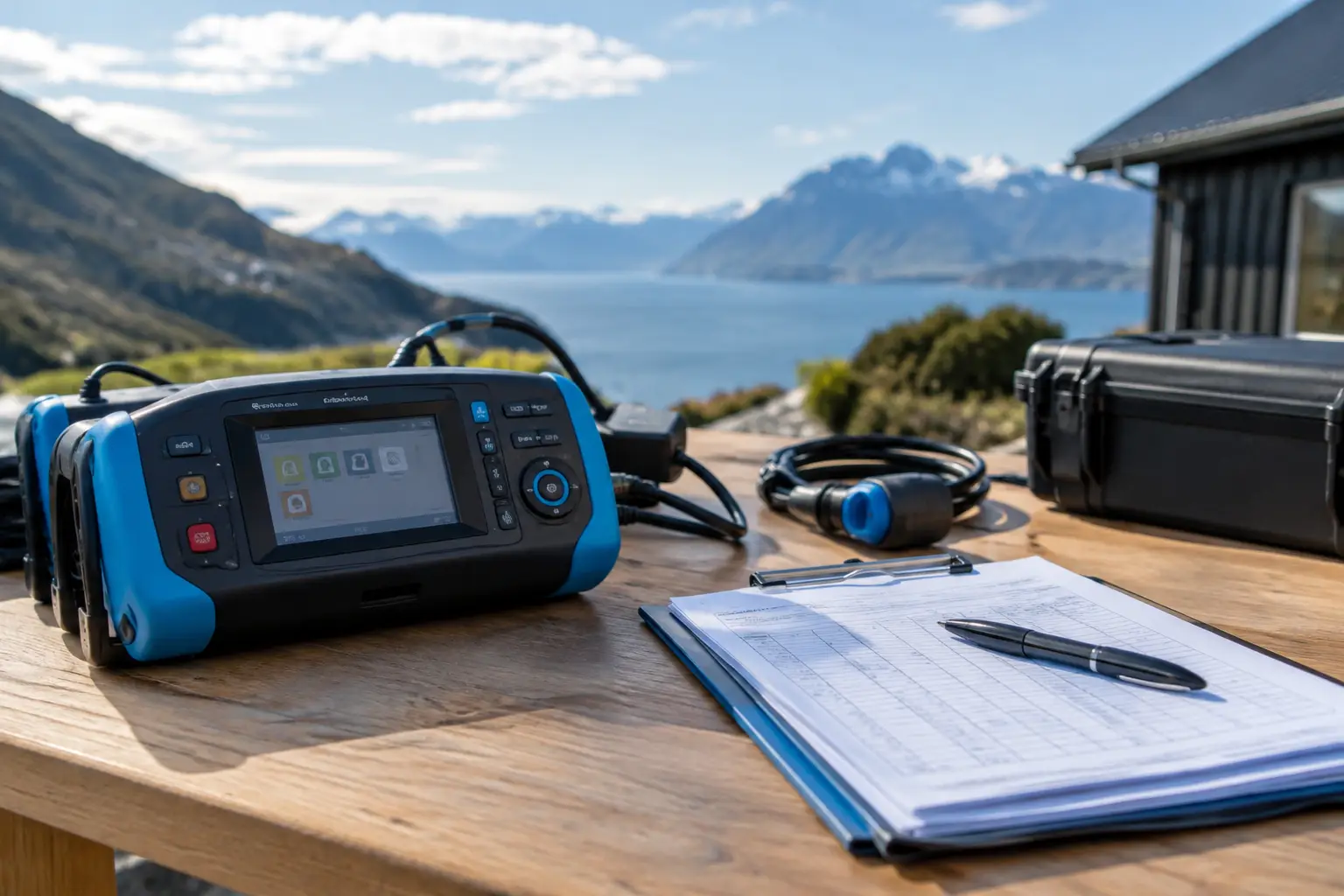
RCD testing checks whether the device operates within the required performance parameters. A competent tester uses purpose-built equipment to verify that the RCD trips at the appropriate current and within an acceptable time. Depending on the installation and device type, testing may also confirm performance at different test currents and phases.
The result tells you about the protective device, not the condition of every item plugged into it. A successful RCD result means the RCD responded as expected during that test. It does not confirm that a portable appliance has sound insulation, a continuous earth conductor or an undamaged plug.
Many workplaces also use portable RCDs, particularly on construction and trade sites. These devices need to be treated as electrical equipment in their own right, with their own inspection, testing and identification requirements.
Why the test button is useful but limited
Most RCDs have a test button. Pressing it is a useful routine check because it confirms the mechanism can trip, and it should form part of an organisation’s safety procedures where appropriate. However, the button does not measure the actual trip time or trip current.
A formal RCD test provides evidence of how the device performed. For a business managing site access, safety documentation or client requirements, that measured result is considerably more useful than relying on a button test alone.
What appliance testing checks
Appliance testing, often called test and tag, examines portable and plug-in electrical equipment. It starts with a close visual inspection, which is often where obvious issues are found: split cable sheathing, crushed leads, loose plugs, cracked casings, exposed wiring, damaged strain relief or signs of overheating.
The electrical tests that follow depend on the appliance’s construction and classification. They may include earth continuity testing for earthed equipment, insulation resistance testing, polarity checks and leakage testing where suitable. The aim is to verify that the item is safe for continued service under normal conditions.
After passing, equipment is tagged and recorded in an asset register with a unique identifier, test date and next due date. Failed equipment should be removed from service so it cannot be returned to use by mistake. This documentation gives a business a clear view of what has been checked, what has failed and when future testing is due.
Appliance testing commonly covers equipment such as:
- extension leads, power boards and portable RCDs
- computers, monitors, chargers and office appliances
- power tools, welders and three-phase equipment
- kitchen equipment, pumps, fans and cleaning machinery
The testing regime should reflect how and where the equipment is used. A lead exposed to dust, foot traffic and weather on an active work site carries a very different risk profile from a monitor that remains undisturbed in an office.
RCD testing versus appliance testing: the key difference
The simplest way to separate the two is to consider the path of protection.
RCD testing examines the device intended to disconnect power when a fault current occurs. Appliance testing examines the equipment, plug and lead that may develop a fault in the first place. One is a protective backstop. The other is a condition check on the item being used.
Both controls matter because electrical faults do not always present in the same way. A deteriorated extension lead may create a fire risk without causing an RCD to trip. An appliance can also be double-insulated and have no earth conductor to test, yet still require visual inspection and appropriate electrical testing. Conversely, equipment can pass its appliance test while an RCD fails to disconnect quickly enough.
There is also a documentation difference. Appliance testing generally produces item-by-item asset records. RCD testing records the performance of a specific safety device or circuit protection point. Keep both records organised and accessible, particularly if your business needs to demonstrate its safety processes to a principal contractor, insurer or regulator.
When does your workplace need both?
In many commercial, industrial and construction settings, the answer is both. The exact programme depends on your environment, equipment type, manufacturer instructions, site rules and risk assessment. AS/NZS 3760:2010 provides the framework commonly used for in-service safety inspection and testing of electrical equipment, while WorkSafe expectations focus on managing electrical risks appropriately.
Higher-risk workplaces usually need shorter retesting intervals. Construction sites, workshops, factories, warehouses and outdoor work areas place greater demands on equipment. Leads may be dragged, equipment may be exposed to moisture or dust, and tools may be handled by multiple people across shifts.
An office generally has lower exposure, but low risk is not no risk. Mobile chargers, power boards under desks, kitchen appliances and meeting-room equipment can still be damaged or overloaded. A planned inspection and testing schedule remains easier to manage than reacting after an incident, equipment failure or client audit.
It also pays to look beyond portable equipment. Thermal imaging can identify abnormal heat in electrical components and connections before a visible failure occurs. It is not a replacement for RCD or appliance testing, but it can provide another layer of preventative maintenance where downtime or fire exposure would have significant consequences.
Common mistakes that create a false sense of security
The most common mistake is assuming an RCD makes appliance testing unnecessary. RCDs reduce the likelihood and severity of some electric shock events, but they are not designed to identify every defect in every appliance. They also do not replace regular visual checks by users before equipment is put into service.
Another is treating tags as proof that equipment is permanently safe. A tag only reflects the condition of an item on the date it was tested. If a lead is run over by a ute, a casing cracks after a drop, or a plug becomes loose, it needs attention immediately – not at the next scheduled test.
Businesses can also lose control of compliance when equipment arrives from subcontractors, is borrowed between sites or is purchased outside normal procurement processes. A clear process for checking new and visiting equipment protects the site and prevents unrecorded items from slipping into use.
Finally, avoid choosing a testing interval simply because another business uses it. The right interval should be based on the environment and the equipment’s exposure to damage. A dependable testing provider can help set practical due dates without creating unnecessary administrative work.
Building a workable electrical safety routine
A good programme is straightforward. Keep an up-to-date register, identify equipment clearly, schedule RCD and appliance testing according to risk, and make it easy for workers to report damage. The objective is not paperwork for its own sake. It is to prevent avoidable shocks, fires, downtime and uncertainty.
For businesses across Christchurch and the wider South Island, Phase Test and Tag can coordinate appliance testing, RCD checks, reporting and future reminders around your operating hours, without call-out fees. That means managers can see what has been tested, what needs action and what is due next without chasing multiple records.
The useful closing question is not whether RCD testing or appliance testing is more important. Ask whether your current process can identify a faulty appliance and verify the safety device meant to protect the people using it. When both answers are clear, electrical compliance becomes far easier to manage.