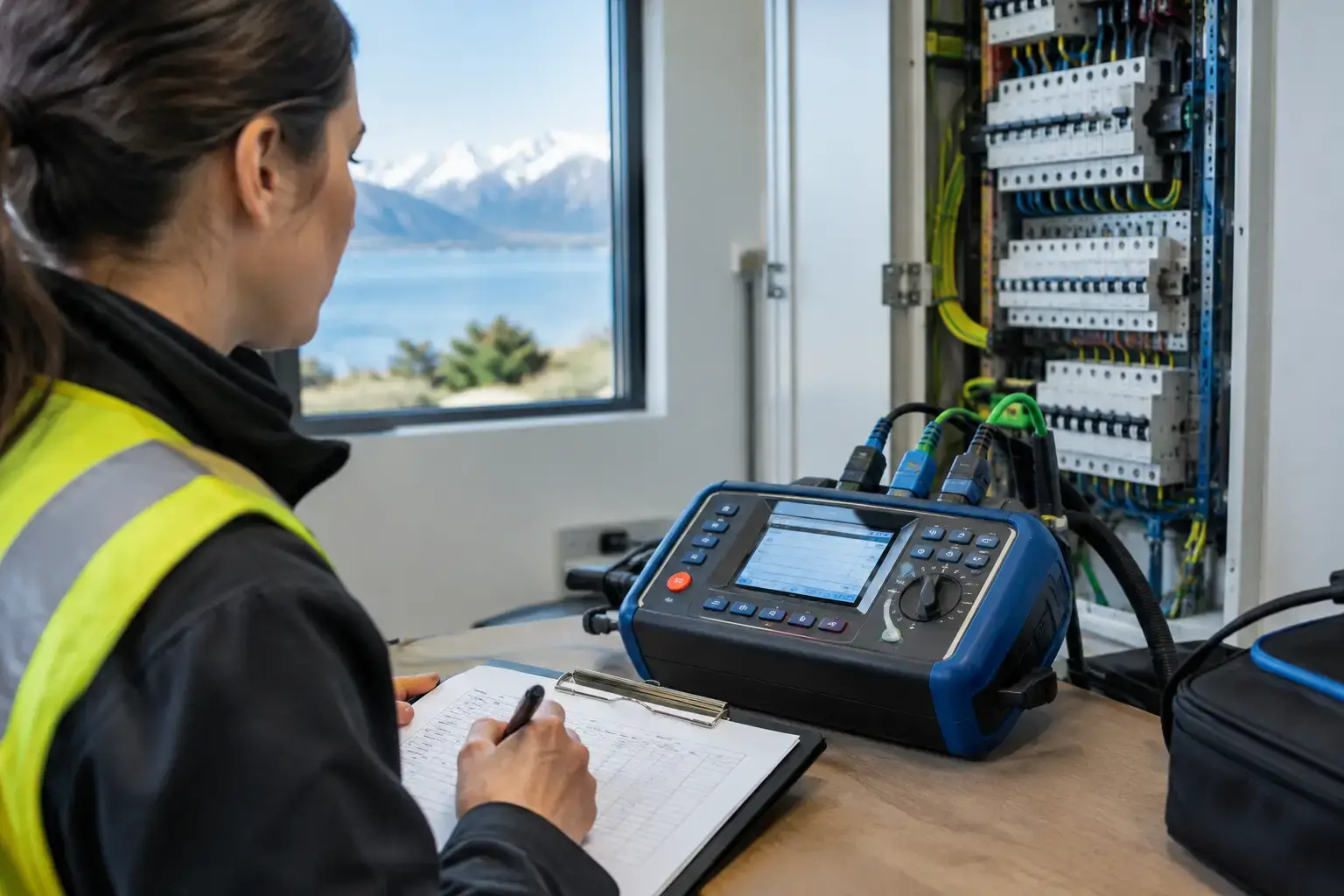
A switchboard can appear perfectly normal while heat, loose connections or overloaded components are developing behind the cover. That is why knowing when to inspect switchboards matters. For a busy site manager, the aim is not to add another administrative task. It is to identify developing electrical risks before they interrupt production, damage equipment or create a fire hazard.
The right inspection timing depends on the switchboard’s age, environment, loading and importance to the site. A small office board serving predictable loads has a different risk profile from a board supporting machinery, refrigeration, welders or temporary construction supplies. A practical programme combines regular visual checks, condition-based inspections and thermal imaging carried out while the board is operating under normal load.
When to Inspect Switchboards: Start With Risk
There is no single calendar date that suits every switchboard. Inspection frequency should reflect what the board supplies and the conditions around it. High-use industrial and commercial switchboards generally need closer attention than those in a low-demand office environment, particularly where equipment operates for long hours or loads vary throughout the day.
As a starting point, businesses should include switchboards in their planned maintenance and workplace safety schedule. A documented visual check at regular site intervals helps ensure covers are secure, access is clear, labelling remains legible and there are no obvious signs of damage, moisture, dust build-up or heat discolouration. The person completing the check should know what they are looking for and understand when an issue needs to be escalated.
A more detailed inspection should be scheduled according to site risk, manufacturer guidance, asset condition and your internal maintenance plan. For critical boards or harsh environments, this may be more frequent. Areas exposed to dust, vibration, moisture, corrosive materials or heavy plant use often justify a shorter interval because these conditions can accelerate deterioration.
It also pays to inspect switchboards after a significant operational change. New machinery, altered production hours, added portable equipment or changes in tenancy can all affect the load placed on a board. A board that was suitable for the previous operating pattern may now be under greater thermal stress, even if no fault is immediately visible.
Events That Call for an Earlier Inspection
Do not wait for the next planned date if something changes on site. An inspection is sensible after an electrical incident, an unexplained outage, water ingress, impact damage, a major storm event or a report of burning smells, buzzing, flickering lights or repeatedly operating protective devices.
Heat is a particularly useful warning sign, but it is not always obvious by touch or sight. Hot connections and overloaded components can sit inside an enclosed board, gradually worsening while the site continues to operate. If staff notice a warm panel, scorch marks, melted plastic, discolouration or an unusual smell near a switchboard, restrict access in line with your site procedures and arrange a prompt assessment by a suitably qualified person.
Repeated interruptions are another signal worth investigating. It can be tempting to treat an occasional trip as a nuisance, especially on a busy construction, manufacturing or trade site. However, repeated protective-device operation may point to a changing load, a fault in connected equipment or another issue that needs proper assessment. Recording when it occurs, what equipment was running and which area was affected gives the inspector useful context.
Switchboards should also be checked following building alterations, relocation of machinery or any work that may have affected the board enclosure, cable entries, labels or access. The priority is to confirm the board remains protected, identifiable and suitable for its current use.
Why Thermal Imaging Changes the Inspection Conversation
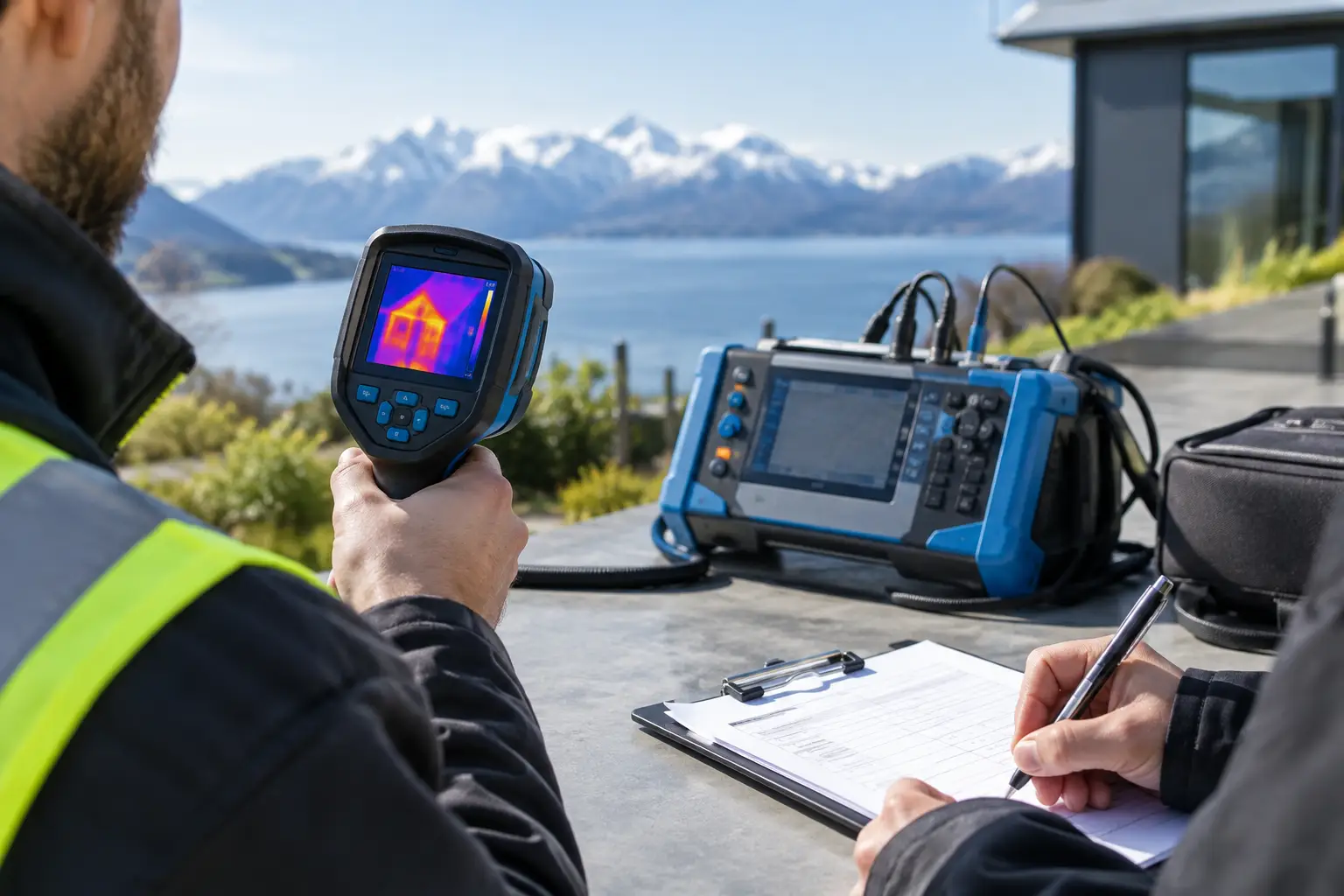
A visual inspection is valuable, but it cannot reveal every problem. Thermal imaging adds a different layer of evidence by showing temperature variations across electrical components while the switchboard is carrying normal load. A thermal image can identify an abnormal hotspot before it becomes visible damage or an unplanned shutdown.
This matters because temperature differences often provide an early clue rather than a final diagnosis. A warm component may relate to load imbalance, connection resistance, component deterioration or environmental conditions. The image needs to be interpreted alongside the board’s operating conditions, load at the time of inspection and previous results.
For best results, thermal imaging should be undertaken when the board is operating at a representative load. A scan completed during a quiet period may not show the heat that develops during peak production, shift change or a high-demand process. Where loading changes substantially across the day, agree on an inspection time that reflects how the site actually operates.
Thermal imaging is especially useful for boards supporting critical equipment, high-current machinery, refrigeration, workshop operations and distribution across larger commercial premises. It can also support preventative maintenance planning by helping managers prioritise issues based on evidence rather than waiting for a fault to disrupt operations.
What a Switchboard Inspection Should Cover
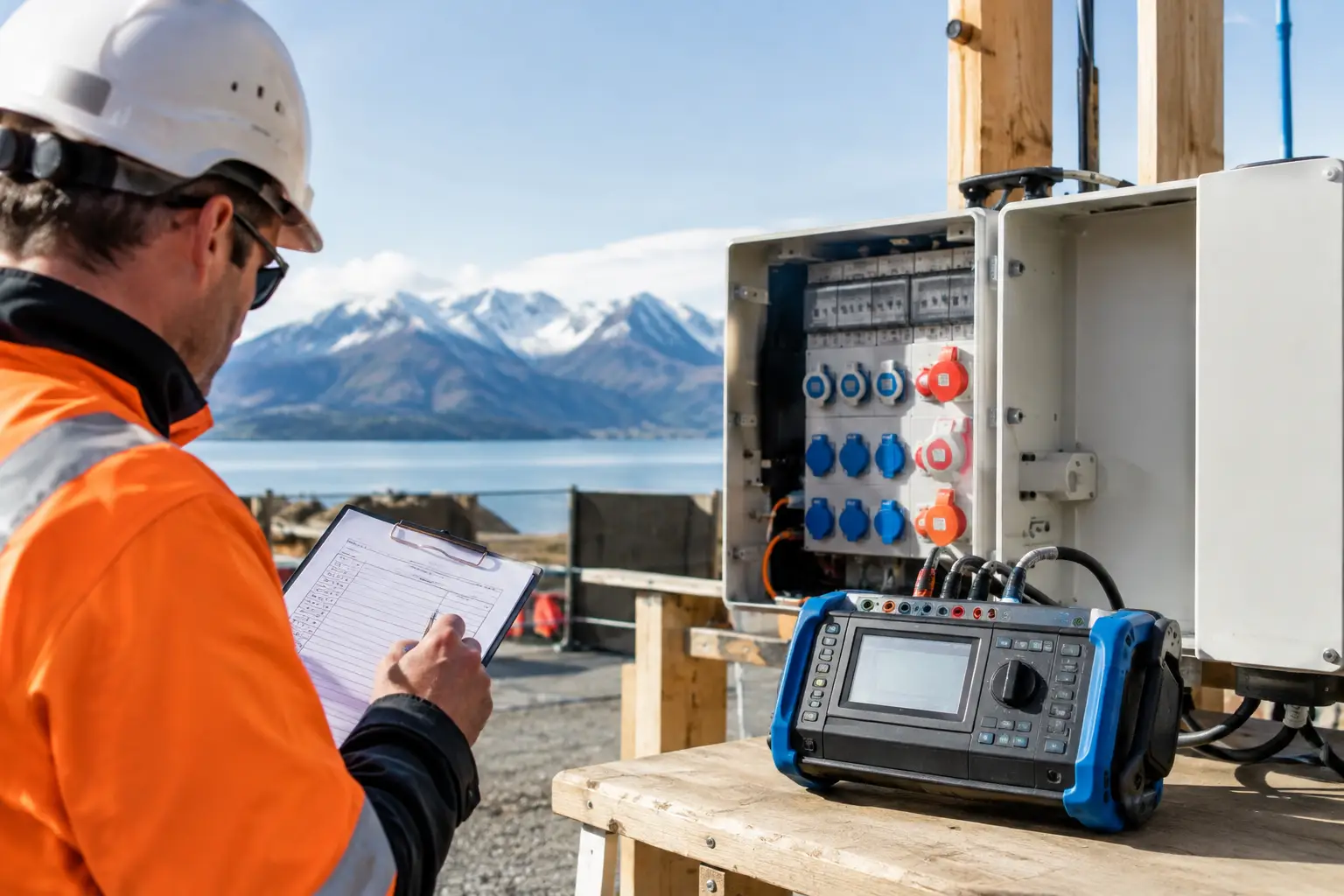
The scope of an inspection should suit the site and be completed safely by competent personnel. At a practical level, the review should consider the board’s condition, enclosure integrity, clear access, labels and any visible signs of heat, contamination, damage or unauthorised changes. The surrounding area matters too. Storage, rubbish, water exposure and blocked access can turn a manageable maintenance issue into a more serious workplace risk.
Documentation is just as useful as the inspection itself. Keep a record of the date, location, observations, thermal images where relevant, recommended actions and completion status. This creates a maintenance history that helps facility managers see whether an issue is isolated or recurring. It also gives health and safety teams clear evidence that risks are being identified and managed.
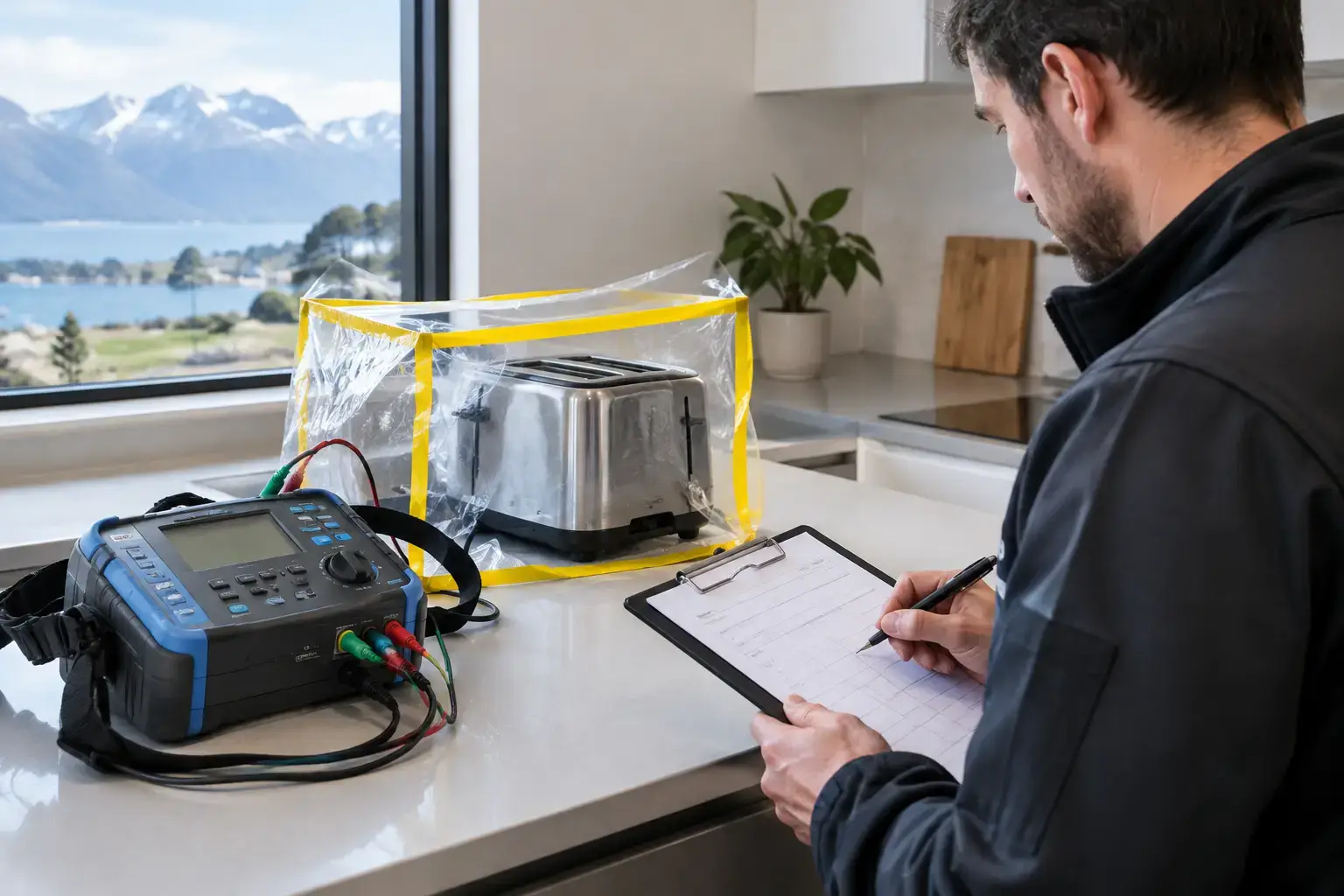
Do not confuse switchboard inspections with portable appliance testing and tagging. Both contribute to electrical safety, but they address different parts of the risk. Test and tag programmes focus on portable electrical equipment, leads and appliances in line with the risk-based approach set out in AS/NZS 3760:2010. Switchboard condition monitoring helps address risks in the fixed distribution point supplying that equipment. A well-managed workplace considers both.
Build Inspection Timing Into Your Site Routine
The easiest programme is one that fits the way your business already works. Add basic switchboard checks to monthly or quarterly facilities inspections, depending on risk, and schedule specialist thermal imaging as part of planned preventative maintenance. For sites with multiple boards, give each one a clear identifier and record its location, the area it serves and whether it is business-critical.
Clear ownership prevents inspections from being missed. The nominated site contact does not need to diagnose electrical issues, but they should know where records are kept, what changes need reporting and who can authorise follow-up work. This is particularly helpful across construction projects, warehouses and multi-site businesses where responsibility can shift between teams.
A simple trigger process keeps decision-making straightforward: inspect earlier when there is an incident, operational change, visible damage, unusual heat or repeated interruptions. Pair that with planned inspections based on risk, and the schedule becomes easier to manage than a one-size-fits-all annual reminder.
For Christchurch and South Island businesses, Phase Test and Tag can support this approach with thermal imaging, clear reporting and practical reminders that reduce the compliance burden. The value is not just finding a hotspot on the day. It is having clear information to act before a small issue becomes a safety event, production delay or expensive equipment failure.
The most useful time to inspect a switchboard is before staff are relying on it during the next busy shift. Make the inspection part of normal site care, keep the findings recorded, and treat unusual changes as an early warning worth checking.