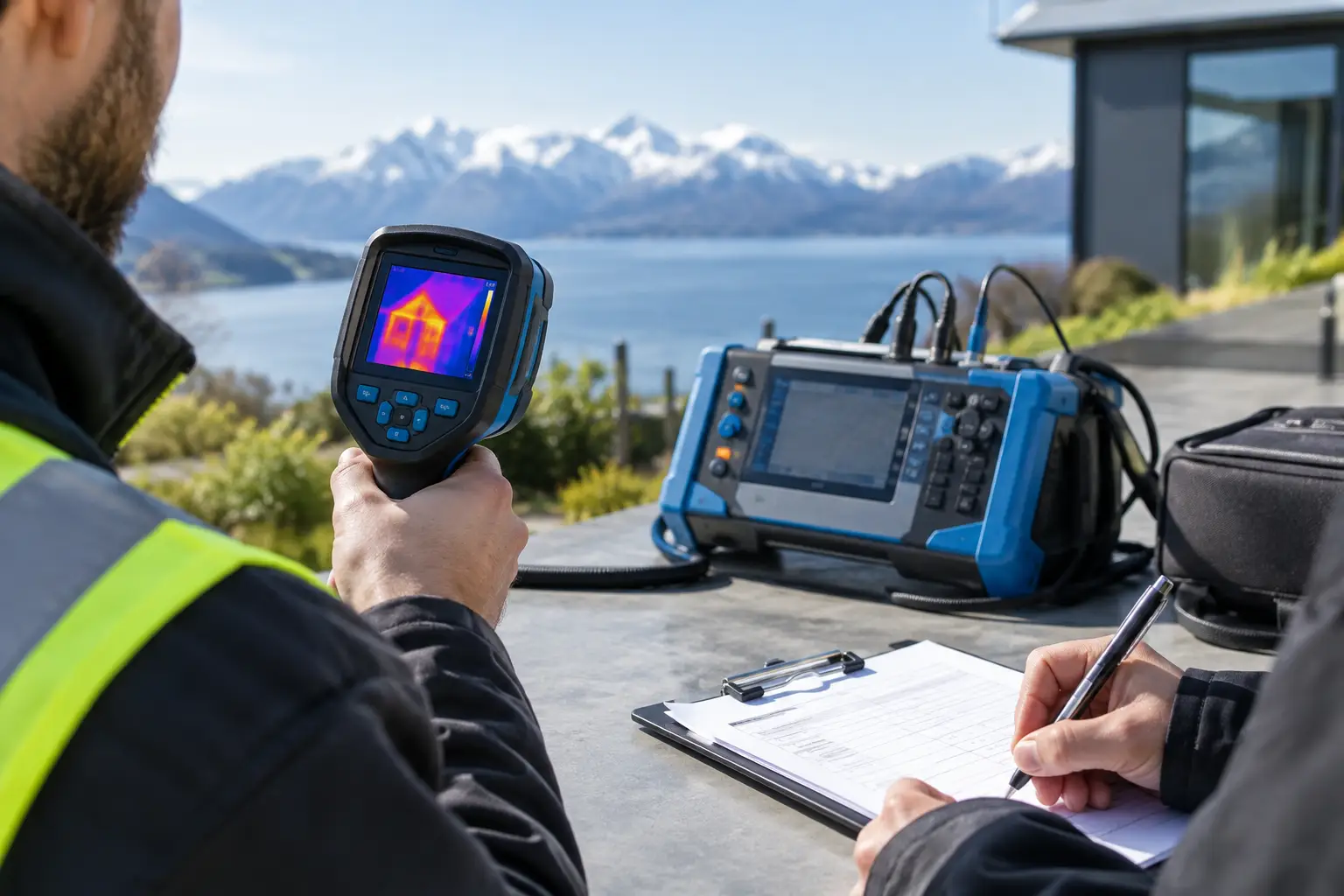
A warm connection inside a switchboard does not announce itself with a smell, a noise or a visible mark until the problem has often progressed. That is where thermal imaging versus visual inspection becomes a practical safety decision for businesses managing electrical equipment and distribution systems. Both methods have a place, but they reveal very different types of risk.
For site managers, contractors and business owners, the goal is not to choose the most technical option. It is to use the right inspection method at the right time, maintain clear records and address issues before they disrupt work or create a fire risk.
What visual inspection can reveal
Visual inspection is the first line of defence for portable electrical equipment, leads, plugs and accessible electrical components. A trained tester checks for obvious signs that equipment may be unsafe to use: damaged insulation, cracked plugs, loose parts, exposed conductors, overheating marks, damaged casings and incorrect or missing identification.
It is quick, practical and essential. Many faults can be identified without sophisticated equipment because everyday work takes a toll on appliances and leads. Cords dragged across concrete, plugs knocked in a workshop, equipment exposed to dust or moisture, and leads run through busy access areas can all develop visible damage.
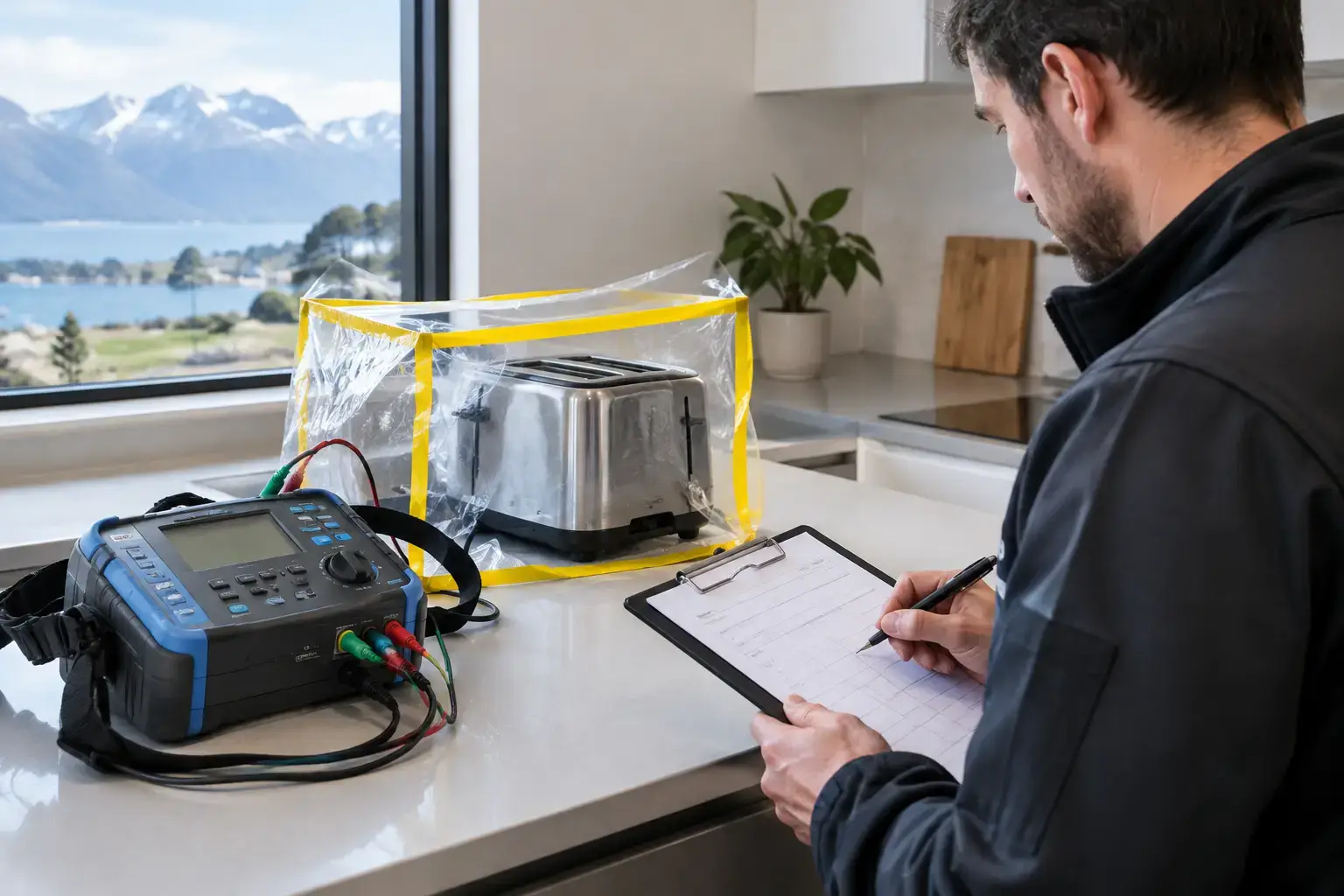
A visual check is also an important part of portable appliance testing and tagging under AS/NZS 3760:2010. Testing instruments can confirm electrical safety characteristics, but they do not replace a proper look at the physical condition of an item. A lead with a damaged outer sheath, for example, needs attention even if a particular electrical measurement appears acceptable at that moment.
The limitation is straightforward: visual inspection only identifies what can be seen. It cannot show a loose internal connection, an overloaded termination or a component heating up behind an enclosed panel. An item may look perfectly normal while an issue is developing out of sight.
Thermal imaging versus visual inspection: the key difference
Thermal imaging uses an infrared camera to detect differences in surface temperature. It creates a thermal image that can show unusually warm areas in electrical equipment, including connections, breakers, fuses, motors, control panels and switchboards.
Heat is not automatically proof of a fault. Some components naturally run warmer when operating under load. What matters is an unexpected temperature difference between comparable components, a temperature pattern that suggests resistance or overload, and the operating context at the time of inspection.
Visual inspection asks, “Can we see physical damage or deterioration?” Thermal imaging asks, “Is this component behaving differently from the surrounding equipment?” Used together, they provide a much clearer picture of condition.
For example, a visual inspection may find no obvious concerns on the outside of a distribution board. A thermal scan conducted while the board is operating may identify one connection running noticeably hotter than equivalent connections. That finding gives the business an opportunity to investigate and plan corrective action before the heat causes damage, unplanned downtime or a safety incident.
Where visual inspection remains the right starting point
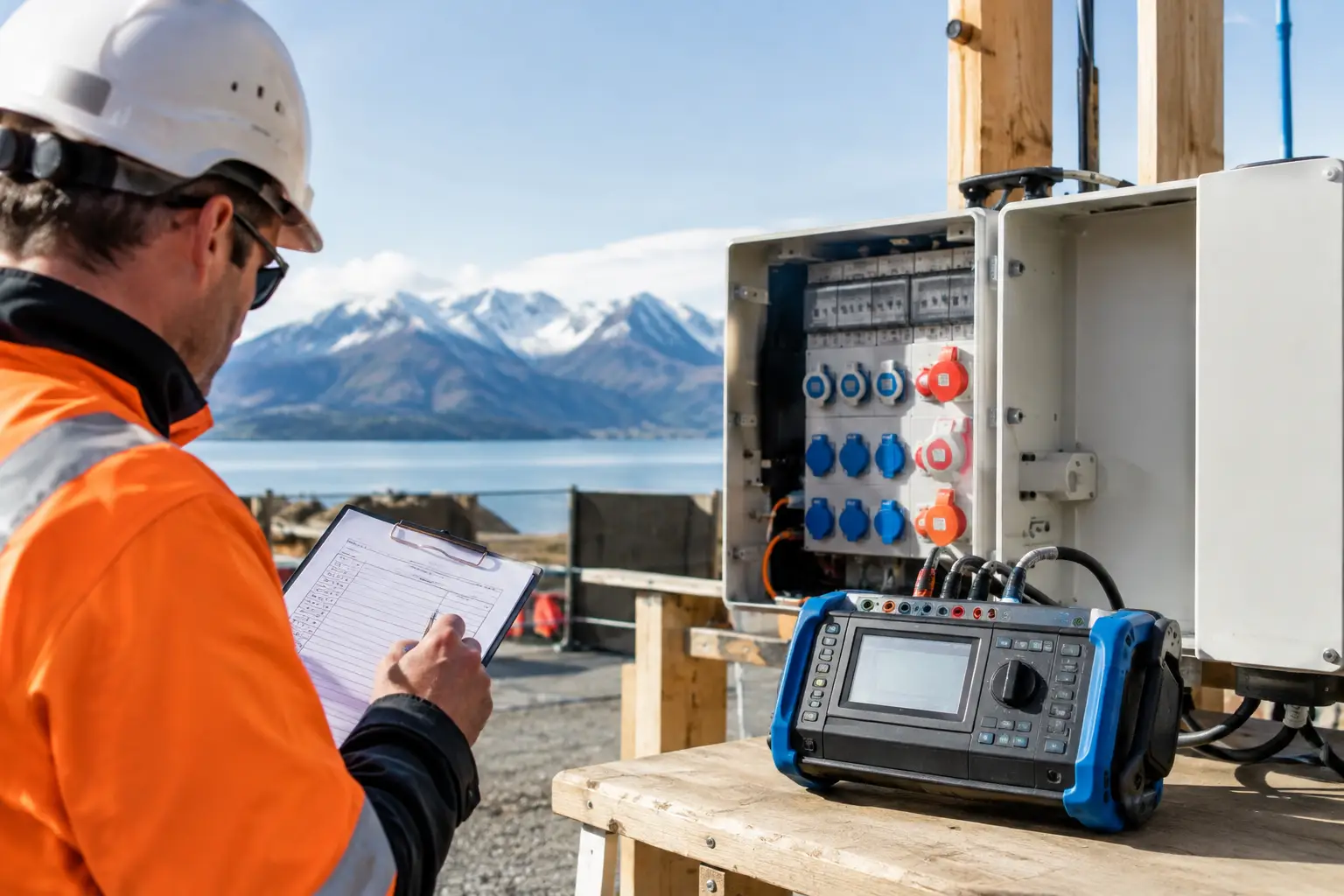
Visual inspection is especially valuable where equipment is regularly moved, handled or used in demanding environments. Construction sites, workshops, warehouses and trade workplaces often have portable equipment exposed to impact, dust, moisture and general wear.
It is also the most sensible routine check before use. Workers can look for damaged plugs, crushed leads, missing guards, loose fittings or signs of overheating without needing to interpret thermal data. A simple pre-use check helps keep visibly damaged equipment out of service before it becomes someone else’s problem.
For scheduled compliance programmes, visual inspection works alongside electrical testing to support an accurate asset register. Each item can be identified, tested, tagged where appropriate and recorded with its next due date. This reduces the administrative burden on site teams and gives managers evidence that equipment is being actively managed.
Visual inspection alone may be sufficient for low-risk portable appliances in a clean office environment, provided the testing and inspection schedule reflects the level of use and risk. It is not about applying the same response to every workplace. A power lead used daily on a construction site needs more frequent attention than a rarely moved appliance in a controlled office.
When thermal imaging adds real value
Thermal imaging is most useful when failure would have a greater operational or safety impact, or when the risk sits inside equipment that cannot be assessed properly from the outside. It is a preventative maintenance tool, not a substitute for portable appliance testing.
A thermal inspection can help identify concerns such as high-resistance connections, uneven loading, deteriorating components and abnormal heat in panels or equipment. These conditions can develop gradually and may not be visible during a normal walk-through.
It is particularly worthwhile in commercial and industrial settings where electrical equipment supports daily operations. A fault that causes a shutdown can affect production, deadlines, refrigeration, site access or tenant operations. Finding an abnormal hot spot early can allow work to be planned at a suitable time rather than forcing an urgent response after a failure.
Thermal imaging is not always necessary for every appliance or every site. A business with a small number of standard office appliances may gain more immediate benefit from a well-managed test and tag programme. A manufacturing site, larger commercial premises or facility with critical equipment may benefit from adding periodic thermal surveys to its maintenance plan.
Thermal results need the right context
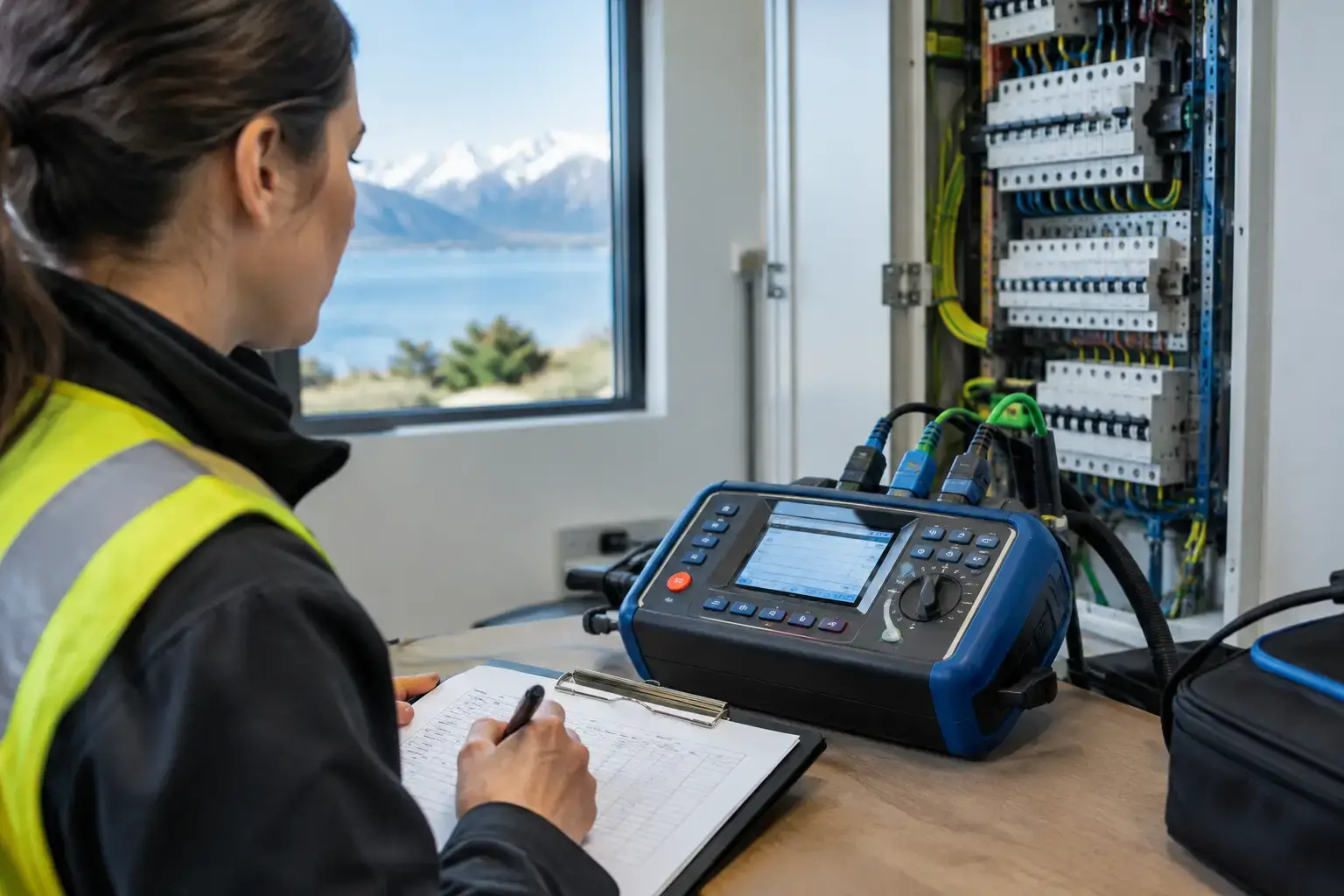
A thermal camera is highly useful, but it must be used and interpreted correctly. Thermal imaging records surface temperatures, not a complete diagnosis of every internal condition. Reflections from shiny surfaces, airflow, panel access, environmental temperature and equipment load can all influence what the camera shows.
Load matters most. A connection may appear normal when the equipment is lightly loaded but reveal abnormal heating when demand increases. Where possible, inspections should be carried out when equipment is operating in representative conditions. Comparing like-for-like components is often more meaningful than looking at one temperature in isolation.
A qualified operator should record the location, equipment identification, thermal image, visible image where useful, observed temperature pattern and recommended priority. Clear reporting turns a scan into an action plan. Without it, a thermal image can become another file that no one reviews until the next issue occurs.
A practical inspection plan for your workplace
The strongest approach is layered. Start with routine visual checks, maintain scheduled electrical testing for portable appliances and leads, and add thermal imaging where hidden heat-related faults could create significant risk or downtime.
Your testing frequency should reflect the environment, how equipment is used and the consequences of failure. Higher-risk settings generally need more frequent inspection than low-risk office areas. Records should also be easy to find, particularly when a principal contractor, insurer, client or WorkSafe-related review requires evidence of your programme.
For businesses with varied equipment across several locations, an asset register is central to keeping control. It should identify the item, its location, test status and next due date. Proactive reminders are equally useful because compliance can slip when busy teams are managing projects, staff and day-to-day operations.
In Christchurch and across the South Island, Phase Test and Tag can help businesses build a practical programme that combines portable appliance testing, clear documentation and thermal imaging where it adds value. The focus should be on sensible risk reduction, not unnecessary testing or confusing paperwork.
A lead with visible damage needs prompt action. A thermal hot spot needs informed assessment before it becomes a failure. Treating both findings as early warnings gives your workplace more control over safety, compliance and operational continuity.