A damaged extension lead found beside a workbench can become a serious incident long before anyone has time to complete a report. Knowing how to document electrical defects gives your team a clear response: remove the item from use, identify what is wrong, record the action taken and make sure it cannot quietly return to service.
Good defect documentation is not paperwork for its own sake. It creates a traceable record of the condition of portable electrical equipment, supports your wider health and safety processes and helps prevent repeat exposure to known hazards. For busy workplaces, it also makes handovers, audits and future testing far easier to manage.
Start with safety, then create the record
If an item appears damaged, overheats, gives an electric shock or has failed an inspection or test, the first priority is to stop it being used. Switch it off where safe to do so, disconnect it from the supply and place it in a controlled area away from the work crew. Apply a clear out-of-service or danger tag so there is no uncertainty about its status.
Do not rely on a verbal warning or leave a faulty item on a shelf with the expectation that someone will remember. Equipment can move between staff, vehicles, floors and sites quickly. A visible tag and a written record work together: the tag protects people in the immediate moment, while the record protects the business over time.
The person identifying the defect should notify the responsible supervisor, site manager or nominated health and safety contact. If the equipment is hired, belongs to a contractor or is shared across departments, record who owns it and who has been advised. That small detail prevents a common gap where everyone assumes somebody else is managing the fault.
What a clear electrical defect record includes
A useful record must allow another person to identify the exact equipment and understand what happened without relying on memory. Vague notes such as “lead broken” or “tool unsafe” are better than nothing, but they do not provide enough detail for sound follow-up.
Record the asset number or equipment ID first. If your equipment has test-and-tag labels, use the number on the label. Add the item type, make and model where available, its usual location or department, and the name of the person who found the issue. For equipment that moves around sites, noting the site and work area is especially valuable.
Then describe the defect in plain, factual language. For example: “Outer insulation split approximately 80 mm from plug end, internal conductor not visible” is more useful than “damaged lead”. For a portable appliance, write what you observed: cracked casing, loose plug pins, exposed wiring, scorch marks, missing guard, damaged socket outlet, intermittent operation, burning smell or signs of moisture ingress.
The record should also show the date and time the issue was found, how it was identified and what immediate action was taken. A practical entry may state that the item was removed from service, labelled out of service, stored in the quarantine cabinet and the supervisor notified. If a competent tester identified a failed test result, include the relevant test outcome and test date.
Photos can add useful context, particularly for visible damage, heat marks or equipment found in a harsh environment. They should support the written description, not replace it. Take photos only when it is safe to do so, and ensure they are attached to the correct asset record.
Separate the defect from the decision
One of the strongest habits in electrical safety documentation is separating what was observed from what was decided afterwards. The defect description should be objective. The disposition should record what happened next.
For example, “plug body cracked and cable entry loose” is the observed condition. “Removed from service pending assessment” is the immediate decision. The final outcome may later be recorded as returned to service following appropriate assessment, retained for further action, returned to the owner or disposed of in line with your workplace process.
This distinction matters when more than one person is involved. It creates a clean history, avoids assumptions and helps demonstrate that the item was controlled promptly. It also means your asset register remains accurate when an item is replaced, transferred or permanently removed.
Use consistent defect categories
Consistency makes a register much easier to review. Your team does not need a complicated coding system, but it should use the same categories each time. Common categories include physical damage, cable or plug damage, failed electrical test, overheating or heat damage, moisture contamination, missing identification, and unsafe use conditions.
For large sites, a simple severity field can help prioritise follow-up. Any item that presents an immediate risk should already be isolated, so severity is not a substitute for action. It is simply a way to identify patterns, such as repeated lead damage in one workshop or frequent failures on equipment used outdoors.
Keep the asset register current
A defect record should feed into your electrical equipment register rather than sit separately in an email inbox or paper folder. The register is the central source of truth for what equipment you own or manage, its test status, its location and its current serviceability.
When a defect is found, update the asset status promptly. Mark the equipment as out of service, failed, quarantined or disposed of according to your internal terminology. Do not leave an old “passed” status showing after an item has been withdrawn. That can create confusion during a site inspection, client audit or insurance review.
The register should also retain the history. A later pass result does not erase the fact that the item was previously found defective. Keeping the sequence of inspection, isolation and final outcome demonstrates that your system responds to faults rather than merely recording test dates.
For organisations managing multiple workplaces, include site location and responsible person fields. This is particularly helpful for construction, manufacturing and trade environments where equipment is frequently moved. A good register reduces time spent hunting for tools, leads and appliances when retesting is due.
Match documentation to the equipment risk
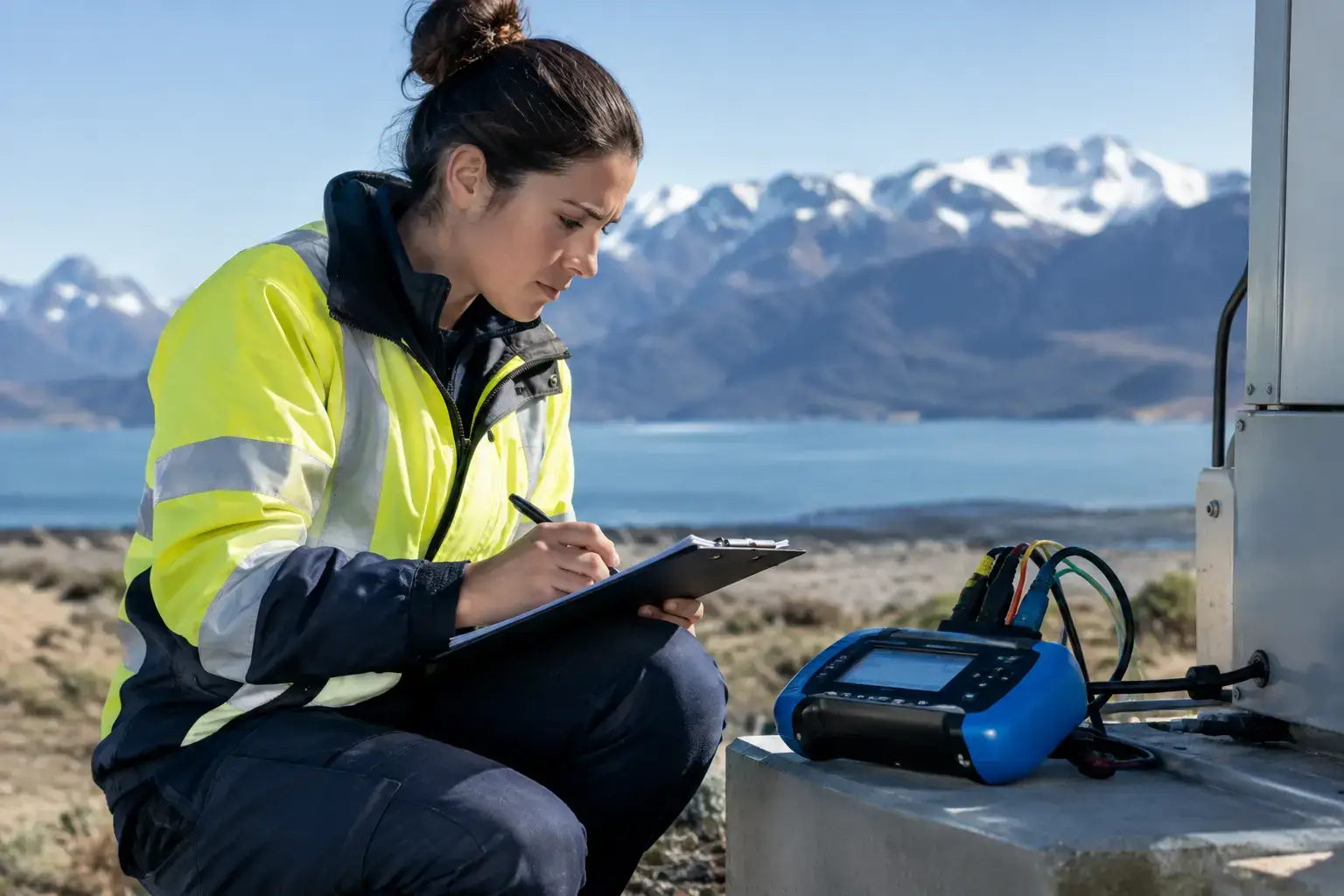
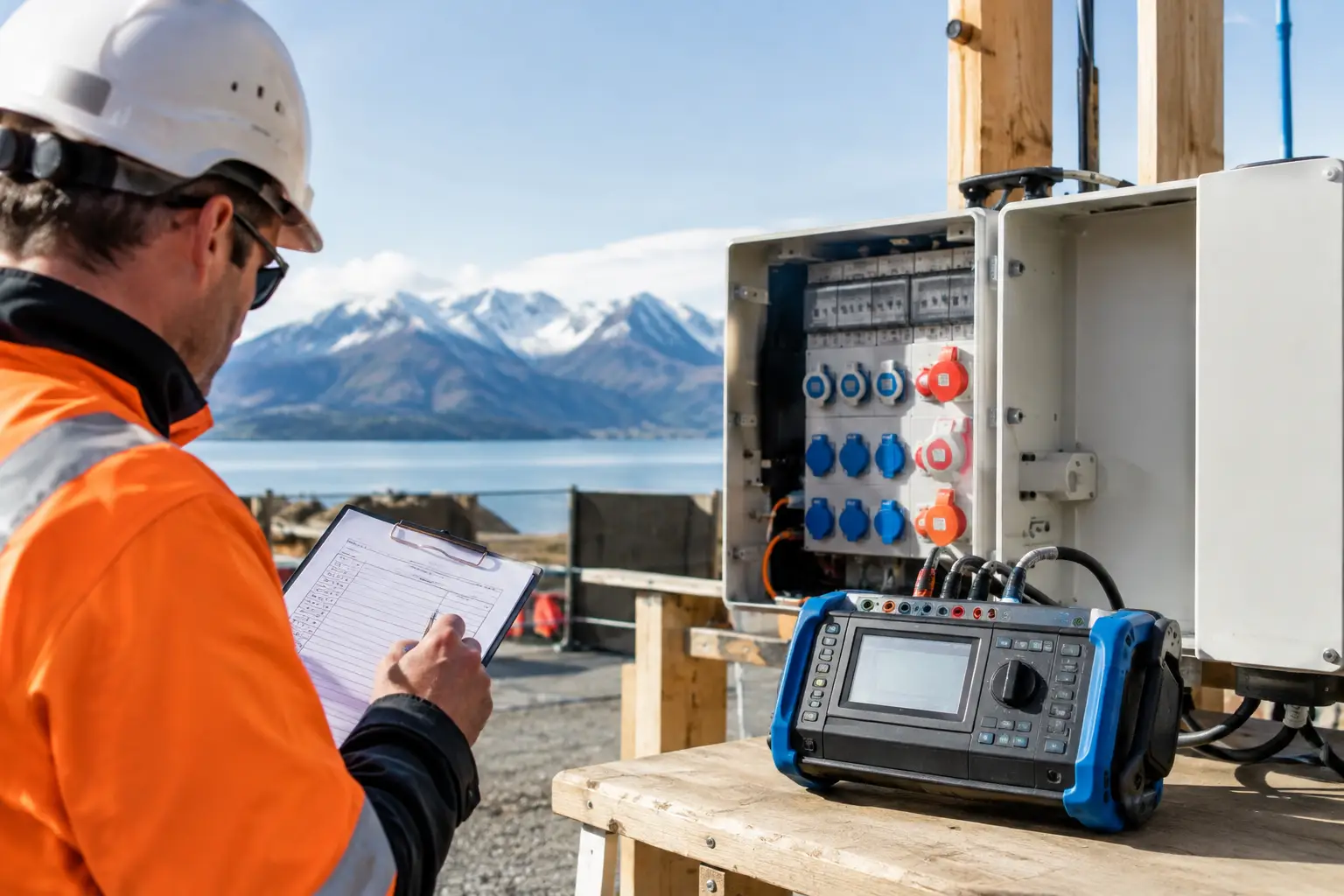
Not every workplace faces the same level of electrical exposure. A laptop charger in a clean office and a portable tool used daily in a dusty, wet or high-traffic work area should not be managed with the same assumptions. Equipment used outdoors, on construction sites, in workshops or around moisture is more likely to suffer physical damage and may require closer attention.
AS/NZS 3760:2010 provides guidance for inspection and testing of in-service electrical equipment, including different intervals based on the environment and use. Your documentation should show the context of the equipment so testing and inspection arrangements can be set appropriately. It is not enough to know that an item exists; you need to know where and how it is used.
A pattern of recurring defects may point to a broader workplace issue. Repeated crushed leads might indicate poor cable routing. Frequent damaged plugs could mean equipment is being transported without protection. Several heat-related observations in the same distribution area may warrant further investigation through thermal imaging. Clear records turn isolated faults into useful preventative maintenance information.
Make reporting easy for workers
The best defect process is one workers will actually use under pressure. Staff should know who to tell, where to find out-of-service tags and what information to provide. Keep the reporting path simple, whether that is a paper form, a shared digital register or a nominated mobile reporting process.
Workers do not need to diagnose an electrical fault. They need to recognise warning signs, stop using the item and report what they saw. Encourage prompt reporting without blame. A worker who reports a warm plug, damaged cord or strange smell early may prevent equipment failure, downtime or a far more serious event.
Supervisors should check that reports are closed out, not merely submitted. That means confirming the equipment remains isolated, the register has been updated and the final outcome has been recorded. If replacement equipment is issued, it should be added to the register and included in the appropriate inspection and testing programme.
Use professional testing reports as part of the record
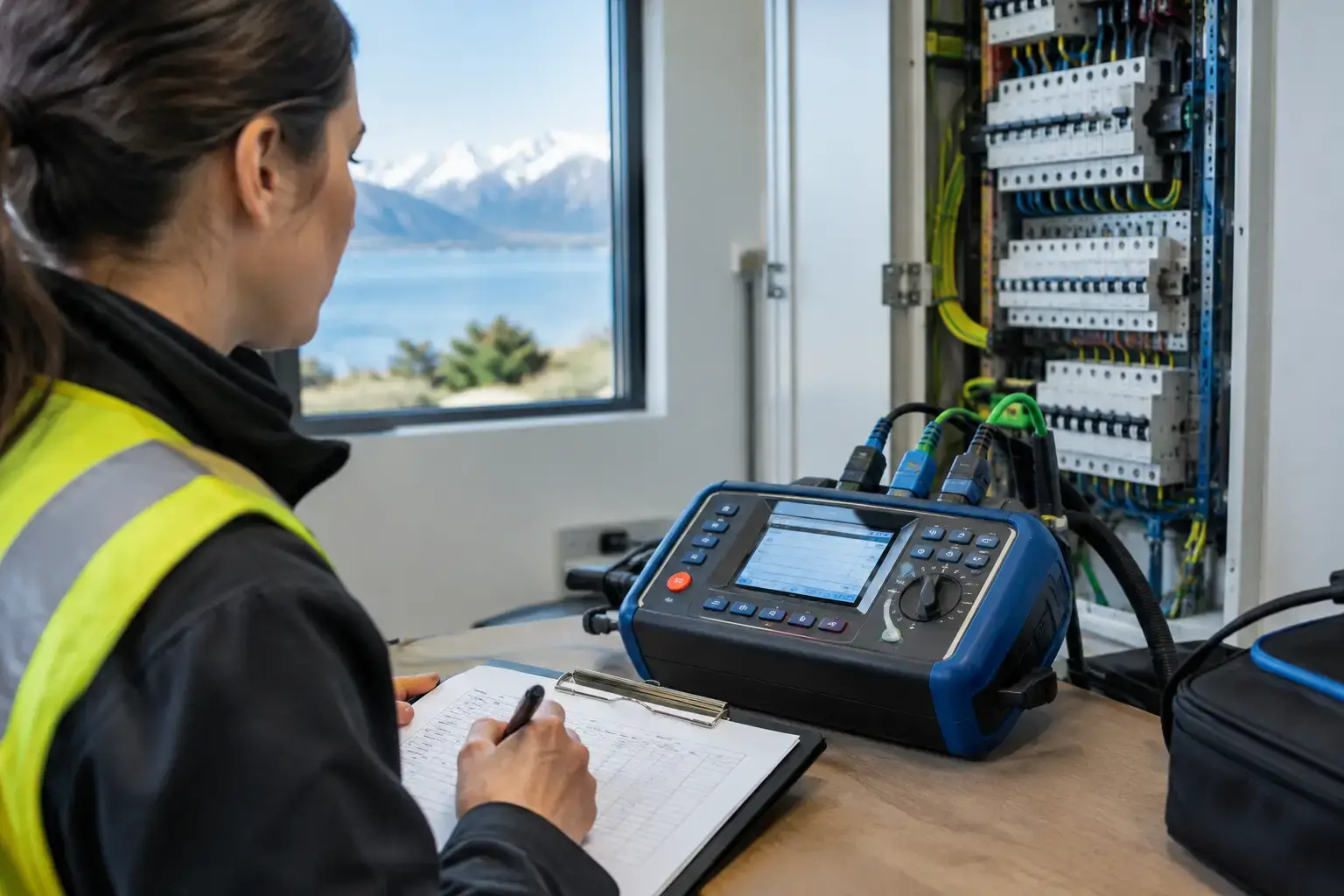
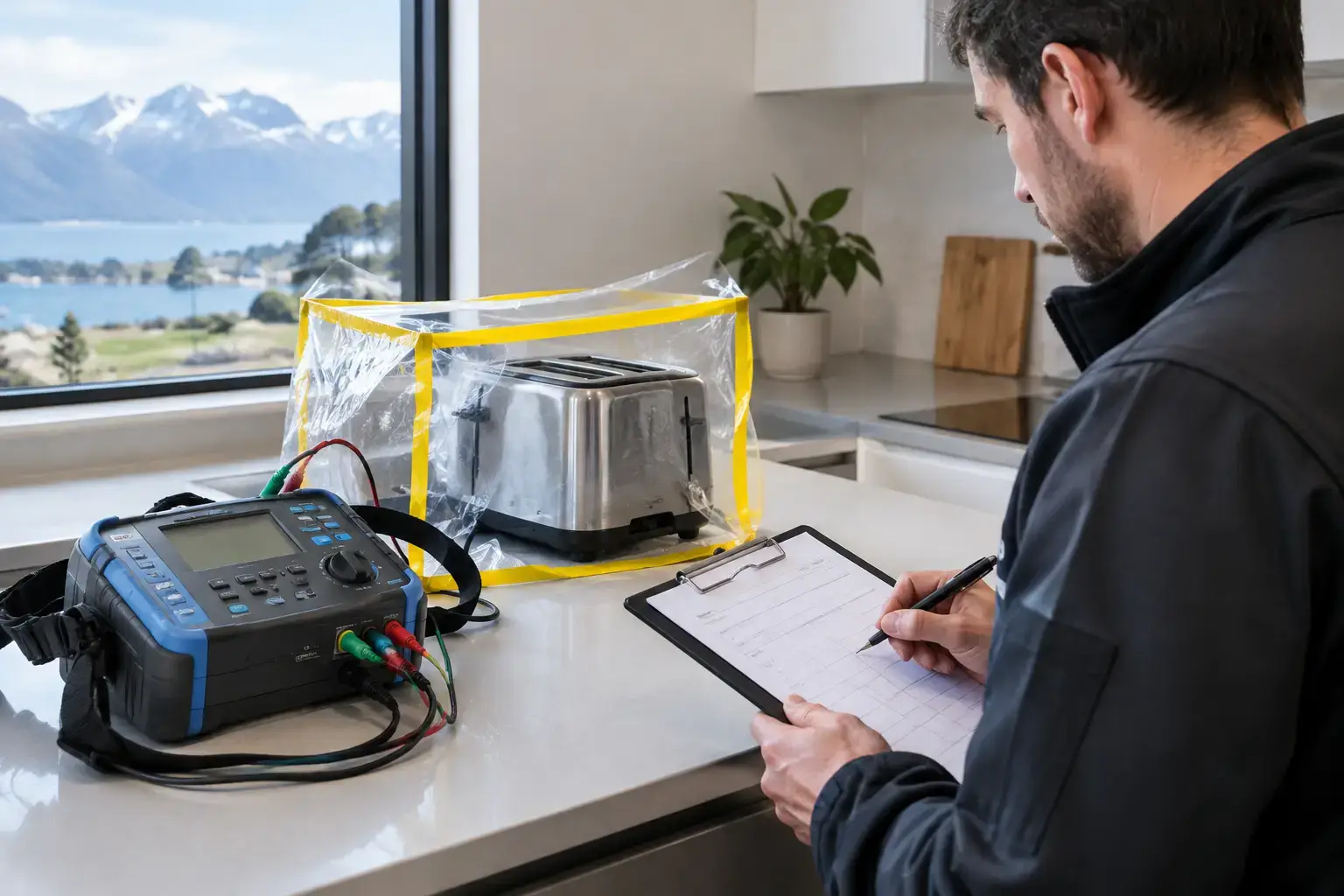
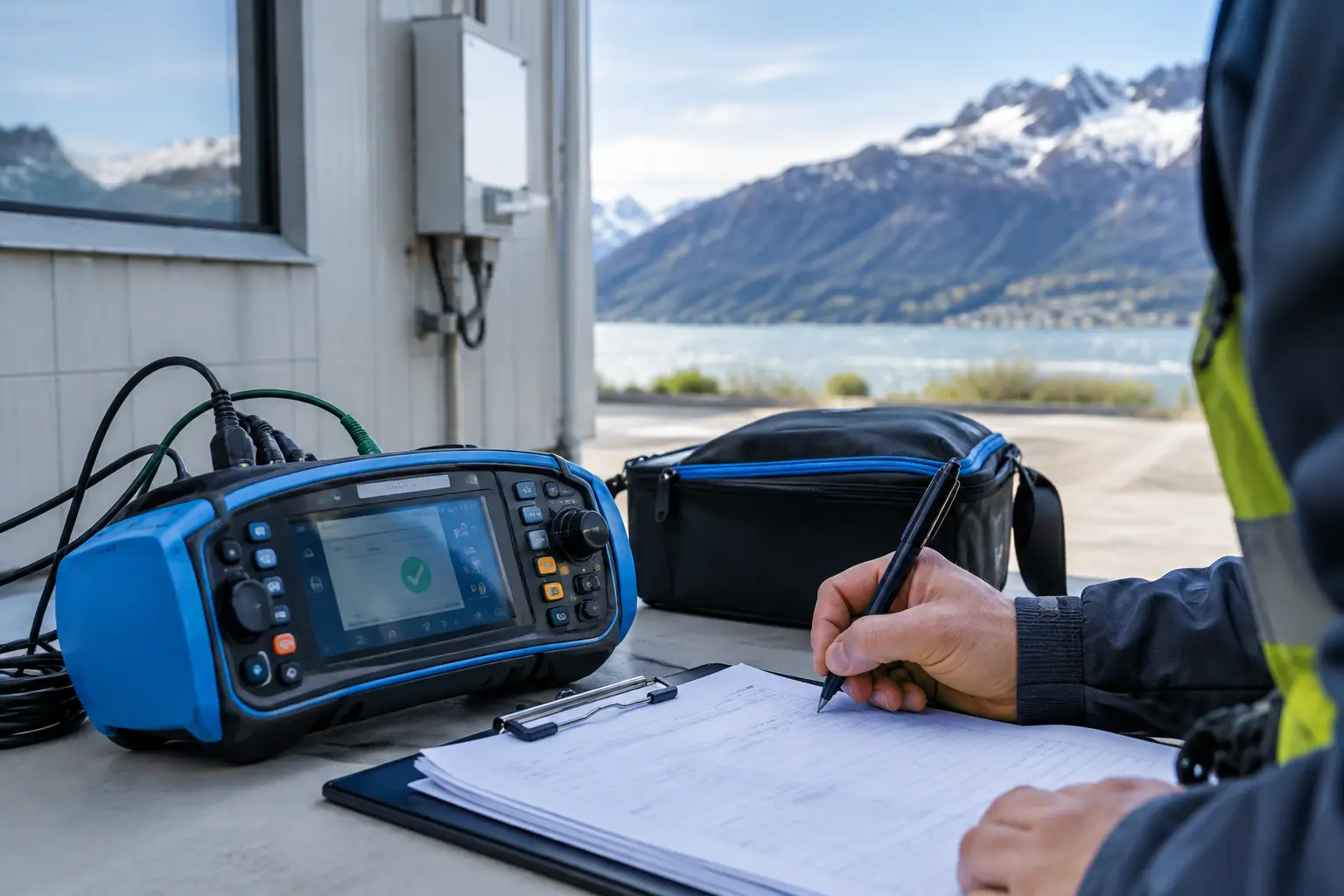
Scheduled testing and tagging provides an independent, structured layer to your internal checks. A qualified provider can identify faults that are not obvious during visual inspection, record pass or fail outcomes and supply an updated asset register for your files. This gives managers a clearer view of equipment condition across the site.
For businesses across Christchurch and the South Island, Phase Test and Tag can help keep this documentation practical rather than burdensome. Regular testing, clear reporting and proactive reminders make it easier to maintain visibility over equipment due dates and failed items.
The strongest electrical defect record is the one that leads to timely action. If your team can identify the item, see the hazard, confirm it was taken out of use and track its final outcome, you have turned a potentially overlooked fault into a controlled safety process.