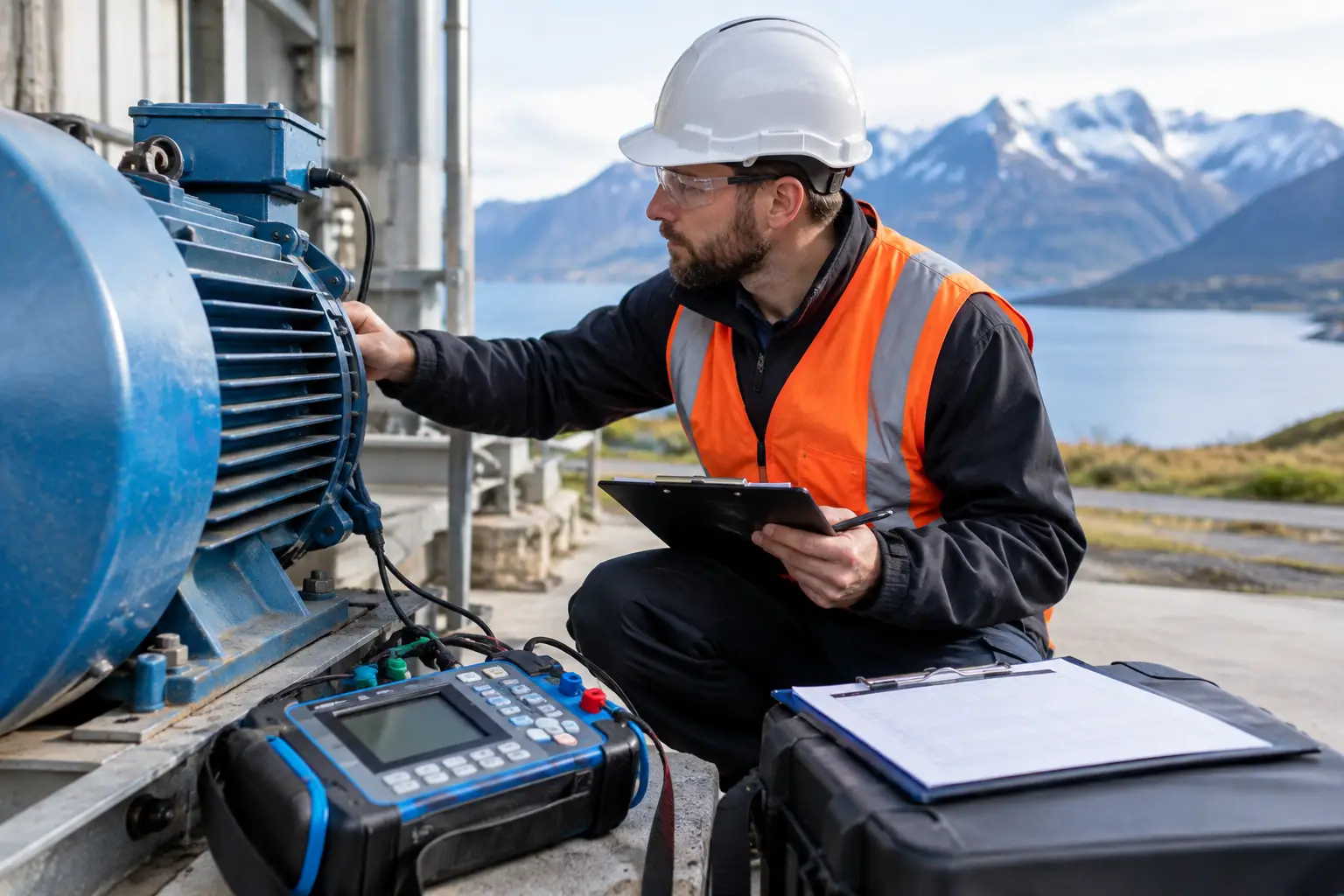
A motor that runs is not necessarily a motor in good condition. Heat, vibration, dust, damaged cable entries and loose connections can develop gradually while production continues as normal. Knowing how to inspect industrial motors helps site teams find early warning signs before they become unplanned downtime, equipment damage or an electrical safety incident.
The right inspection approach depends on the motor’s size, duty cycle, environment and criticality. A small motor in a clean plant room does not face the same risks as a motor operating around moisture, dust, outdoor weather or heavy production loads. The aim is not to dismantle equipment unnecessarily. It is to carry out sensible checks, record what is found and escalate defects before they become costly.
Start with safety and operating history
Before approaching the motor, confirm the task can be completed safely under your site procedures. For any close inspection, cleaning or work that requires guards to be removed, the equipment should be isolated and secured against unexpected start-up by an authorised, competent person. Do not rely on a stop button alone.
Begin by asking the operators what has changed. Reports of a motor running hotter than usual, tripping protection, starting slowly, making a new noise or requiring repeated resets are useful evidence. So are changes to the driven equipment, such as a pump that is struggling to move product, a fan with reduced airflow or a conveyor that has started to bind.
Check maintenance records, previous inspection notes and fault history where available. Repeated minor issues can point to an underlying problem that a one-off visual check will not explain. This context helps you decide whether a routine inspection is enough or whether the motor needs a more detailed assessment.
How to inspect industrial motors visually
A careful visual inspection often identifies problems that are easy to miss during a busy shift. With the motor safely isolated where required, inspect the housing, mounting arrangement, cable entry and surrounding area in good light.
Look for physical damage, corrosion, missing covers, cracked terminal boxes, oil contamination and a build-up of dust or debris around cooling fins and fan covers. Restricted airflow causes heat to build up, which shortens insulation life and places more stress on bearings. In dusty or combustible environments, housekeeping around the motor also matters from a fire-risk perspective.
Pay attention to the cable and its entry point. The outer sheath should not be cut, crushed, abraded or pulled tight against sharp edges. Cable glands should be secure and appropriate for the location, particularly where water, washdown, vibration or dust are present. A loose cable entry can allow contaminants into the terminal area or place strain on conductors.
Inspect the motor’s base and mounting bolts. Signs of movement, fretting, cracked supports or loose fasteners can contribute to vibration and misalignment. Check guards are secure and that belts, couplings and driven components show no obvious damage. A motor can be electrically sound while the mechanical load is causing the real issue.
Observe the motor while it is operating
Visual checks while the motor is running should only be carried out from a safe position, with guards in place and without reaching into moving areas. This is where operators often notice the first clues of a developing fault.
Listen for changes in sound. A steady motor will have a familiar operating noise. Grinding, squealing, rumbling, knocking or a pronounced electrical hum may indicate bearing wear, poor alignment, loose components or an issue affecting the supply or load. Noise alone does not confirm the cause, but it should be recorded and investigated.
Watch for excessive vibration. Some vibration is normal, particularly in larger equipment, but a motor that visibly shakes, moves on its mounts or causes nearby pipework and guards to rattle needs attention. Vibration can damage bearings, fasteners, cable terminations and connected machinery over time.
Also observe starts and stops. Slow starting, repeated tripping, a noticeable drop in speed under load or inconsistent performance may indicate that the motor is being overloaded or that another part of the system is not operating as intended. Recording when the issue occurs is valuable. A problem that appears only at peak load, after several hours of running or in wet conditions gives maintenance teams a clearer starting point.
Check temperature without relying on touch
Do not judge a motor’s temperature by placing a hand on it. Surface temperatures can rise quickly, and a motor may be operating at a temperature that is unsafe to touch. More importantly, feeling the casing provides no reliable record and can miss localised heat at terminals, bearings or cable connections.
Thermal imaging is particularly useful for inspecting industrial motors under normal load. A thermal image can show uneven heating across the motor body, hot bearings, overloaded connections or elevated temperatures in associated switchgear. Comparing similar motors operating in similar conditions can help identify an abnormal pattern.
Thermal results need interpretation. A warm motor is not automatically faulty, as temperature varies with load, ambient conditions, ventilation and the motor’s design. The concern is an unexpected hotspot, a sharp temperature difference between comparable components or a trend of rising temperature over successive inspections.
For South Island businesses managing plant across workshops, processing areas and construction environments, thermal imaging can be a practical way to prioritise attention without stopping every machine. Phase Test and Tag can incorporate thermal imaging findings into clear reporting so site teams have evidence to act on, rather than a vague recommendation to keep an eye on it.
Inspect electrical condition and connections
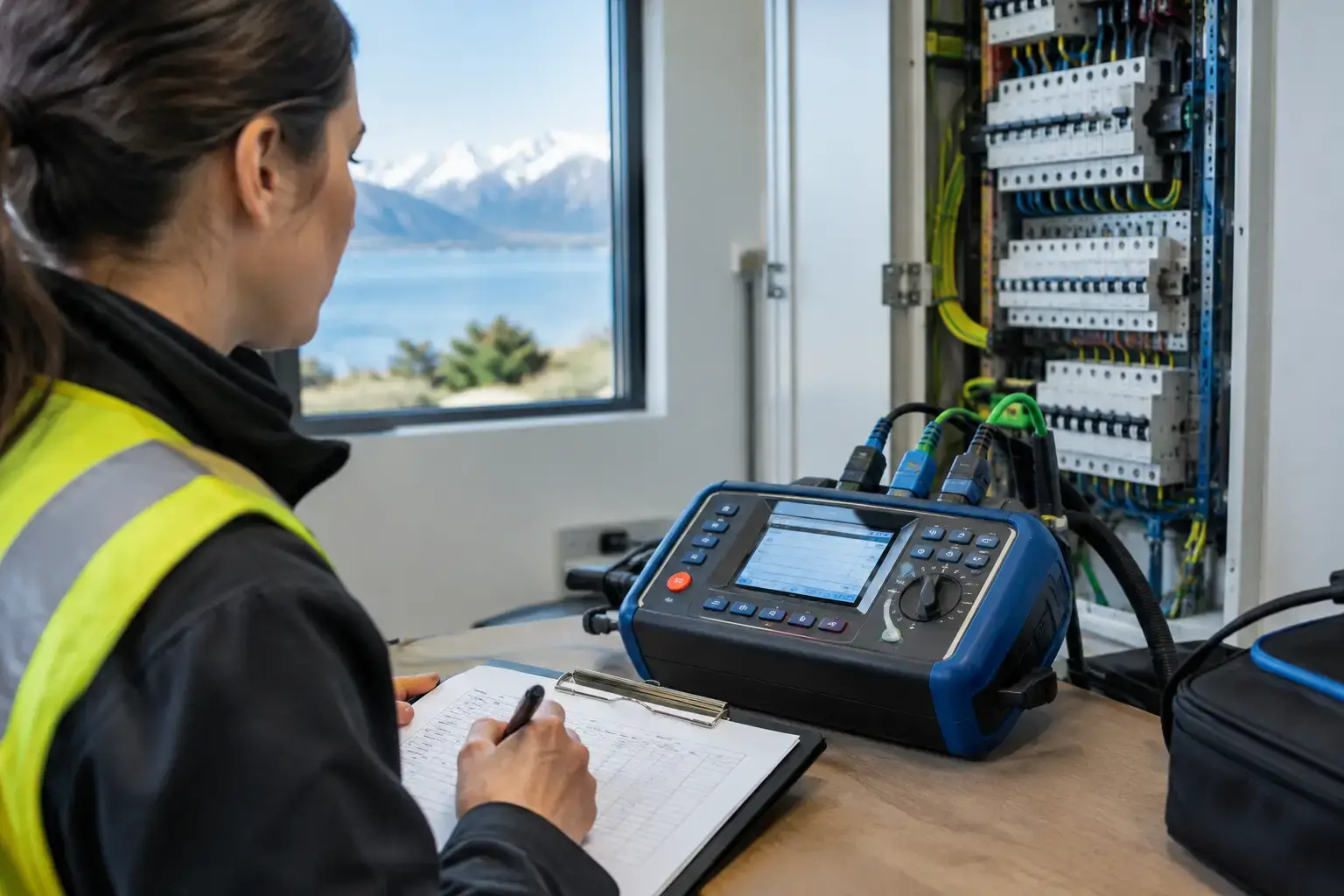
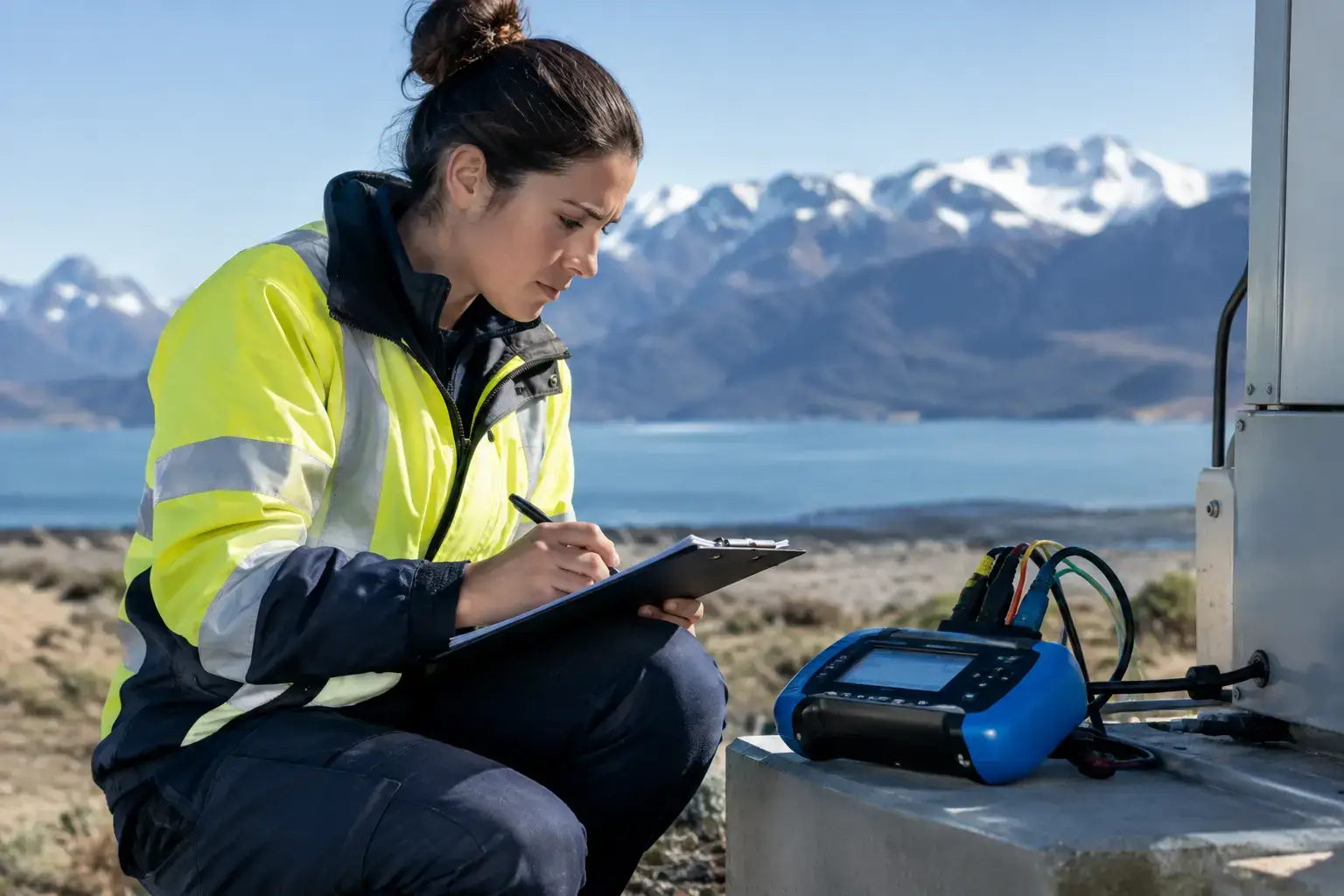
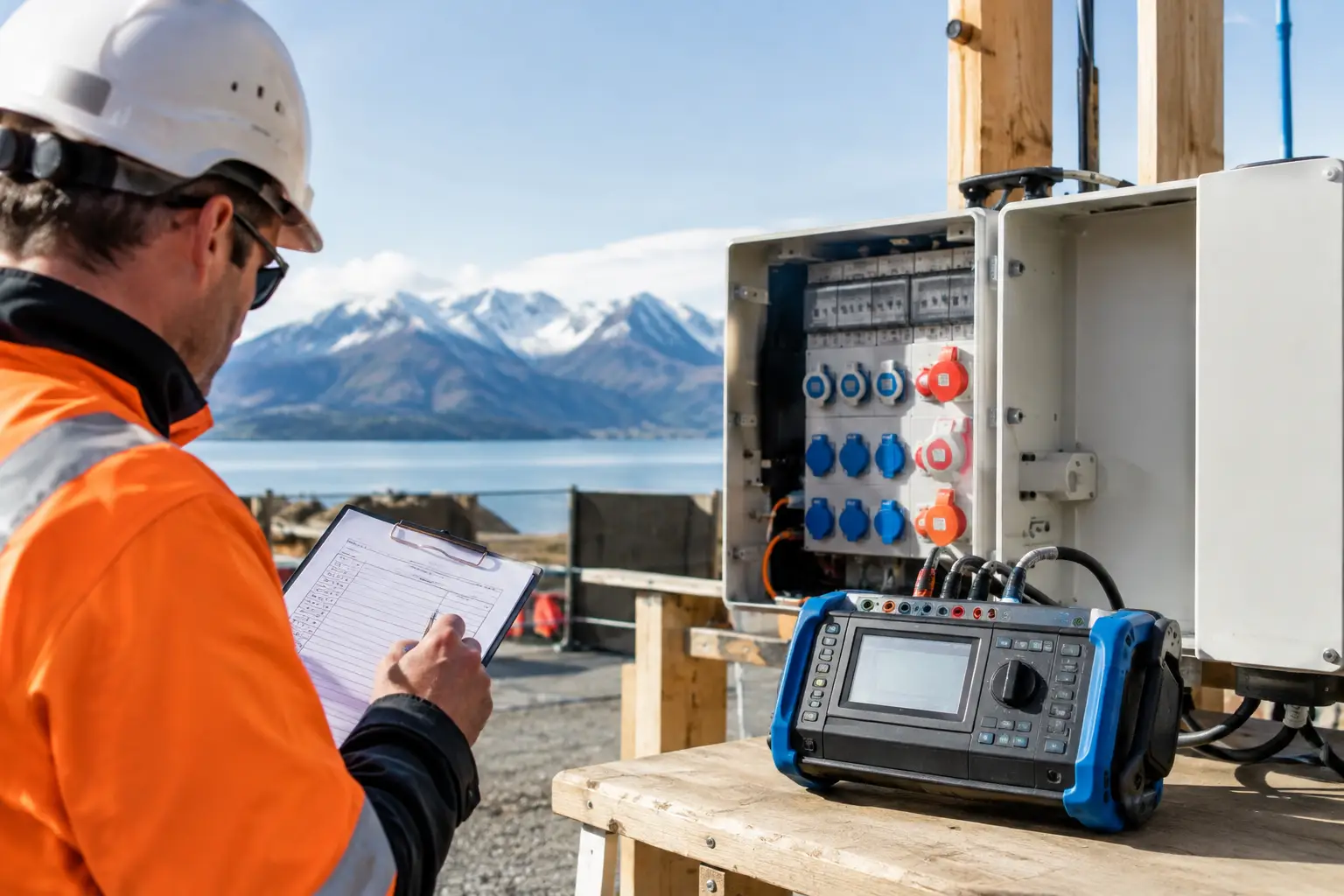
Electrical checks should be performed by suitably qualified personnel using appropriate test equipment and safe procedures. The scope may include examining accessible terminations, checking the condition of enclosures and confirming that protective devices are not showing signs of overheating or stress.
Loose or degraded connections create resistance, and resistance creates heat. Discolouration, melted insulation, darkened terminal areas or a burnt smell are warning signs that require prompt attention. Do not simply tighten or reset equipment without identifying why the condition developed. Vibration, moisture ingress, overloading and poor connection integrity can all contribute.
Where portable or movable motor-driven equipment is used, its supply lead, plug and controls also require routine inspection and testing appropriate to the environment. This is separate from assessing the motor’s mechanical condition, but both affect workplace safety. Maintaining an accurate asset register and test records makes it easier to show what was checked, when it was checked and what corrective action was required.
AS/NZS 3760:2010 provides a useful framework for the in-service safety inspection and testing of electrical equipment. Retest intervals should reflect the environment and likelihood of damage, rather than treating every item the same. Equipment exposed to construction activity, frequent movement, moisture or heavy use generally needs more frequent attention than equipment in a low-risk office setting.
Record findings and act on changes
An inspection only adds value if findings are recorded clearly and followed through. Note the motor identification, location, date, operating condition, observed issue and any supporting photographs or thermal images. If no fault is identified, that record still establishes a useful condition baseline for later comparison.
Separate issues into urgent safety concerns, faults that require planned corrective action and items to monitor at the next inspection. For example, exposed damage, a burning smell or evidence of overheating should be treated differently from light dust accumulation or a minor vibration trend. The response should be proportionate to the risk, but delays should not become the default.
A practical inspection programme also considers the equipment’s role in your operation. A motor running a non-critical extraction fan may be managed differently from one supporting a production line, refrigeration system or essential safety process. Critical assets benefit from regular condition checks and trend reporting because the cost of unexpected failure is usually much higher.
The most useful motor inspections are not complicated. They are consistent, safely performed and backed by records that make changes visible. When a motor starts telling you something through heat, vibration, noise or damaged components, acting early is usually the simplest way to protect people, production and the equipment budget.