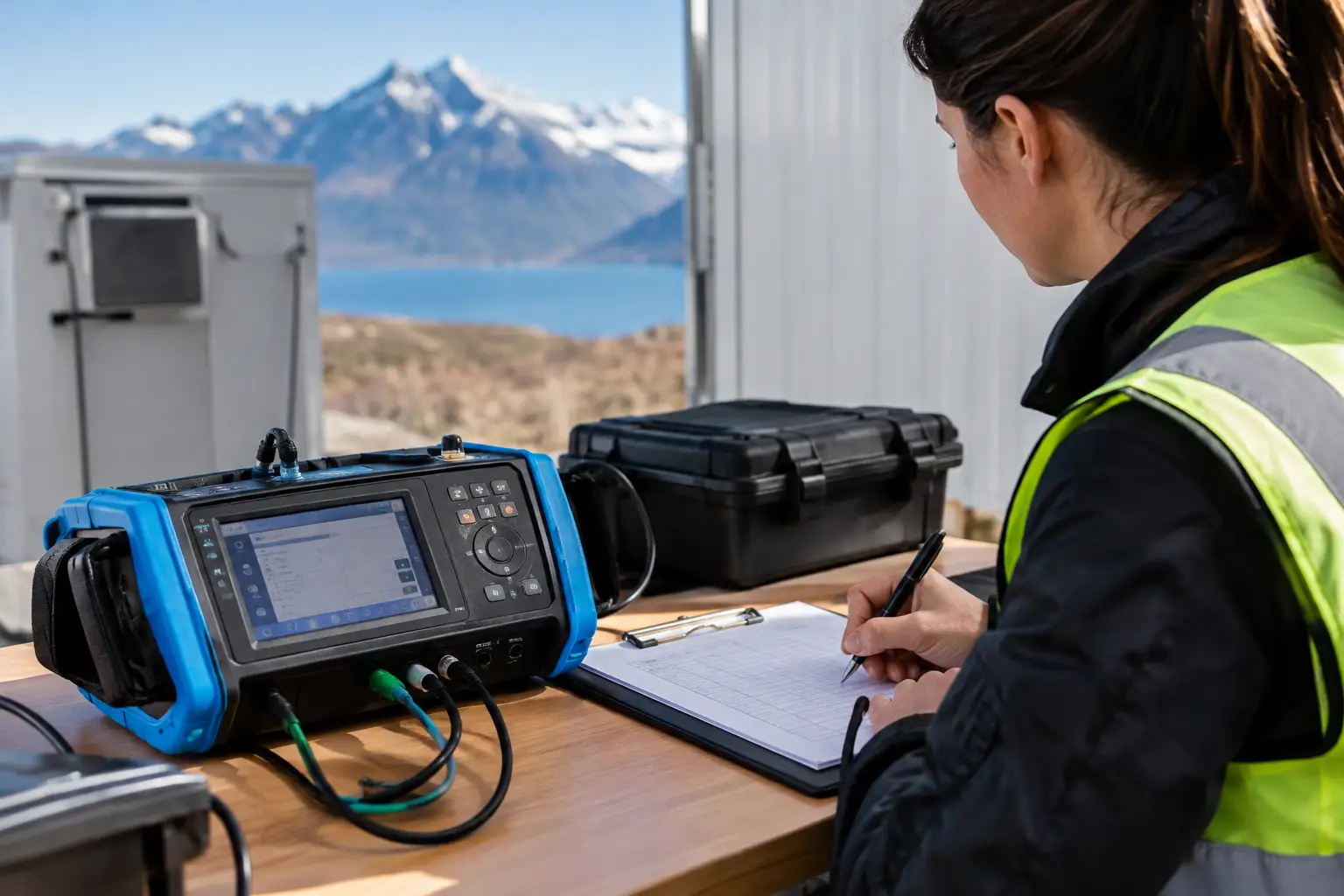
An audit request can expose a problem that has been building quietly for months: records held in different folders, equipment that has moved sites, and staff who are unsure which checks they are responsible for. Good WorkSafe audit preparation is not about creating paperwork at the last minute. It is about being able to show that safety controls are active, understood and checked in the real workplace.
For site managers, business owners and health and safety teams, the most useful approach is to prepare early and focus on evidence. Your systems need to make sense on paper, but they must also match what an auditor sees on the workshop floor, construction site, office or warehouse.
What an audit is likely to examine
WorkSafe audits and client-led safety reviews vary by site and industry. The depth of the review may depend on the work being undertaken, the risk profile of the workplace, previous incidents, contractor requirements and the reason for the audit. A construction project with frequent use of portable tools will have different priorities from a commercial office, for example.
Even so, most audits look for the same connection between risk, controls and proof. An auditor may ask whether hazards have been identified, how risks are controlled, who is responsible for inspections, what training workers have received and whether corrective actions are followed through.
The strongest answer is rarely a policy alone. It is a current policy supported by inspection records, registers, completed actions, worker consultation and a site that reflects the process described. If your documentation says damaged leads are removed from service immediately, staff should know the process and no damaged leads should be found in use.
WorkSafe audit preparation starts with scope
Before collecting documents, establish what the audit covers. Confirm the site or sites involved, the timeframe being reviewed, the work activities in scope and any documents requested in advance. This prevents a common mistake: supplying a large volume of material while missing the records that matter most.
Nominate one person to coordinate the response, even if several people contribute. They do not need to personally own every record, but they should know where information sits, what is still outstanding and who can answer operational questions. This creates a calm point of contact on the day rather than a scramble between departments.
It also helps to separate current controls from historical information. An old risk assessment may show that an issue was considered, but it will not demonstrate that the control is still suitable after a change in equipment, staff, layout or work method.
Bring key records into one place
Records should be easy to find and clearly dated. Digital files are fine if they can be accessed quickly during the audit. A shared folder or organised compliance file generally works better than relying on one person’s inbox.
Depending on your workplace, useful evidence may include your hazard and risk register, incident and near-miss records, induction and training records, meeting notes, contractor information, emergency procedures, maintenance records, inspection checklists and completed corrective actions. Keep documents relevant to the audit scope. More paperwork is not automatically better paperwork.
Pay particular attention to actions that were raised previously. An auditor may reasonably ask what was found, what was done, who completed it and whether the outcome was checked. An open action with no owner or due date can be more concerning than a minor issue that has been properly recorded and resolved.
Check the site before the audit day
A practical walk-through is one of the most valuable preparation steps. Take the risk register with you and compare it to the actual workplace. Look at access ways, storage areas, work benches, temporary setups, signage, emergency equipment and high-use tools.
Ask supervisors and workers what has changed recently. New machinery, a rearranged production area, temporary contractors or increased workload can introduce risks that have not yet made their way into formal records. This is also a useful chance to check whether staff know how to report a hazard and what to do when equipment is unsafe.
Do not try to conceal minor issues. Isolate the hazard where required, record it and organise a reasonable corrective action. A workplace that identifies and manages issues is in a far better position than one that appears unaware of obvious problems.
Give electrical equipment its own check
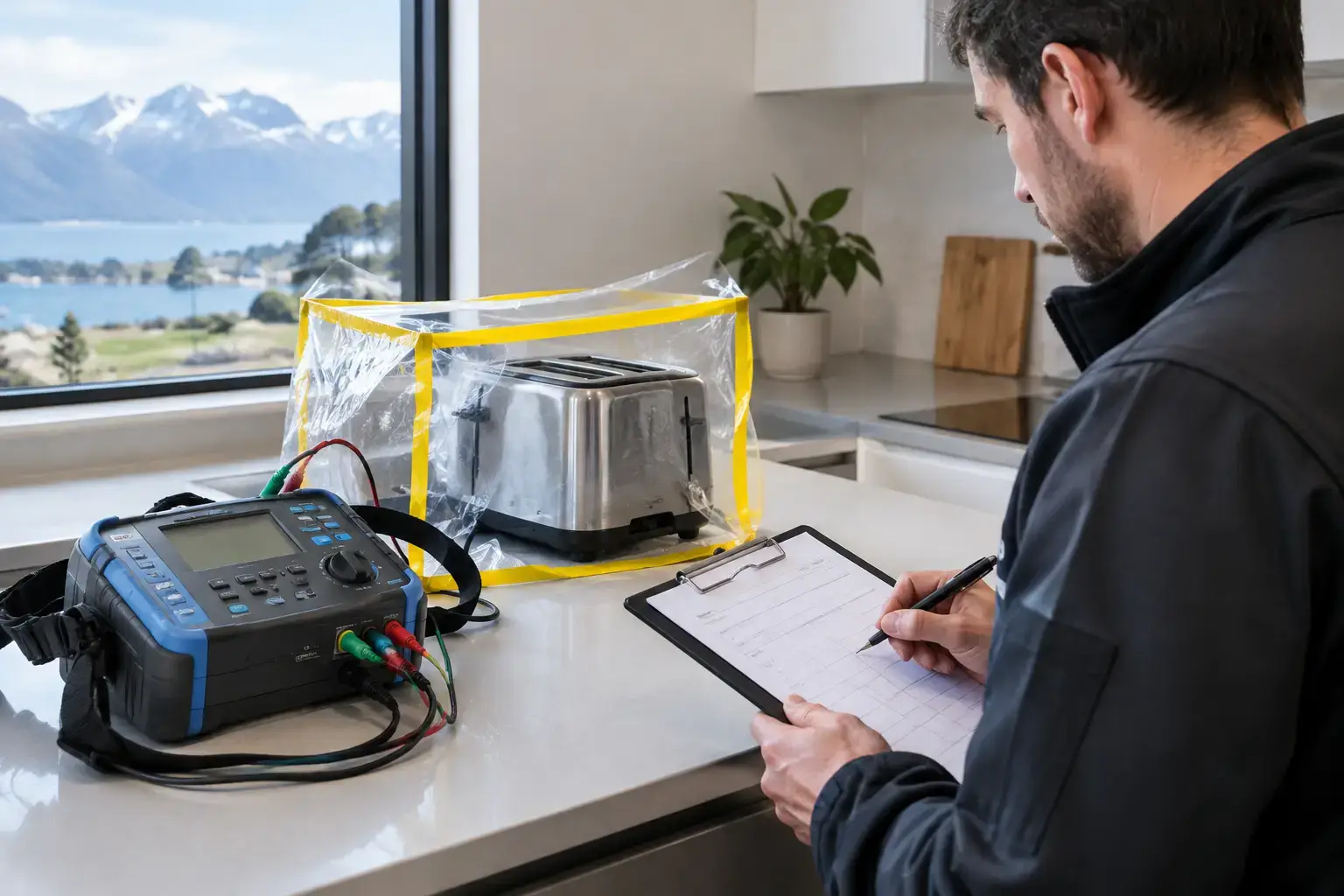
Portable electrical equipment is easy to overlook because it is familiar. Leads, chargers, power boards, hand tools, kitchen appliances and three-phase equipment may be moved, shared and exposed to hard use every day. Their condition can change well before the next scheduled review.
A visual check should look for damaged plugs, exposed conductors, loose fittings, cracked housings, taped repairs, overloaded adaptors and leads running through areas where they can be crushed, cut or become a trip hazard. Equipment with obvious damage should be removed from use and dealt with through your established process.
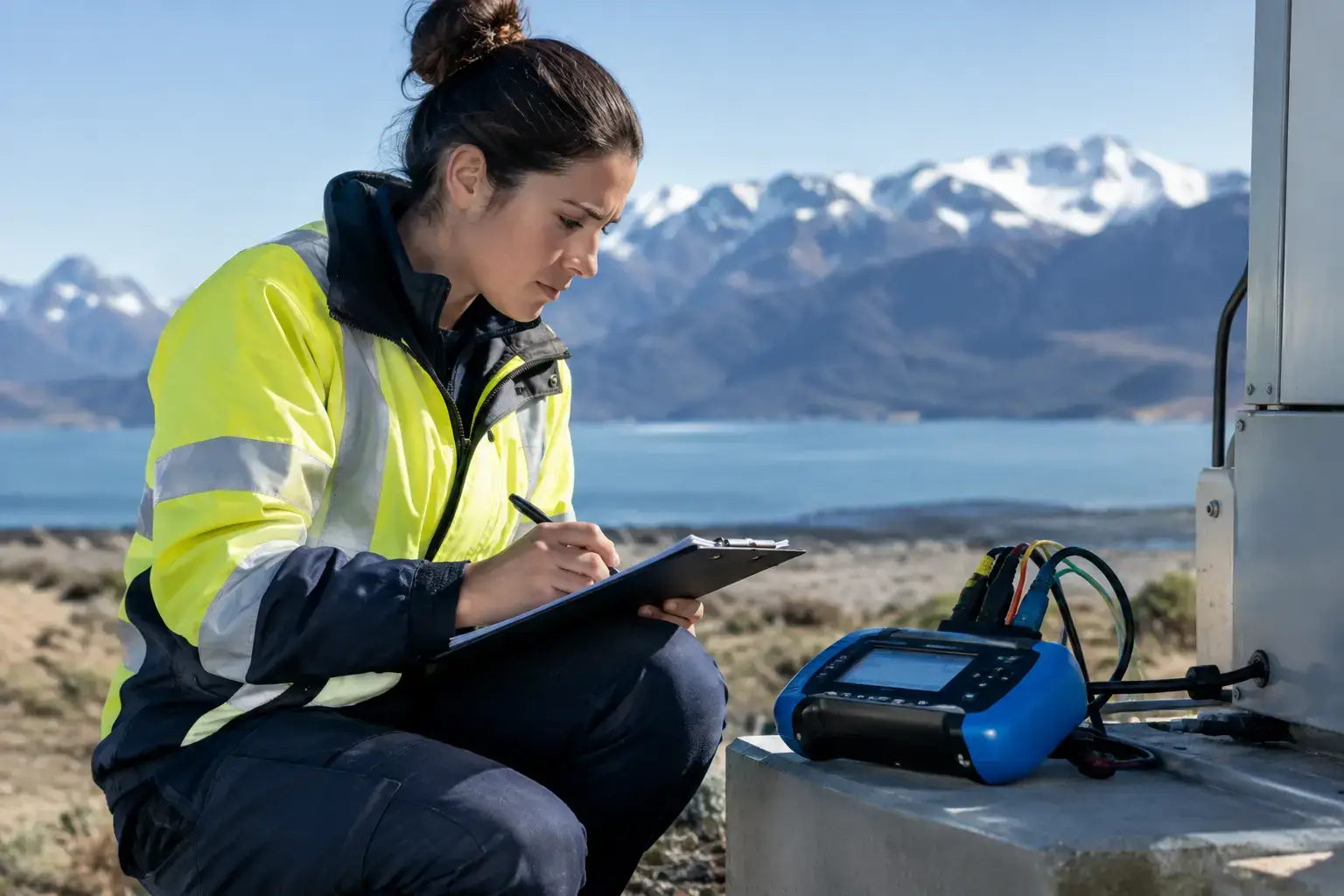
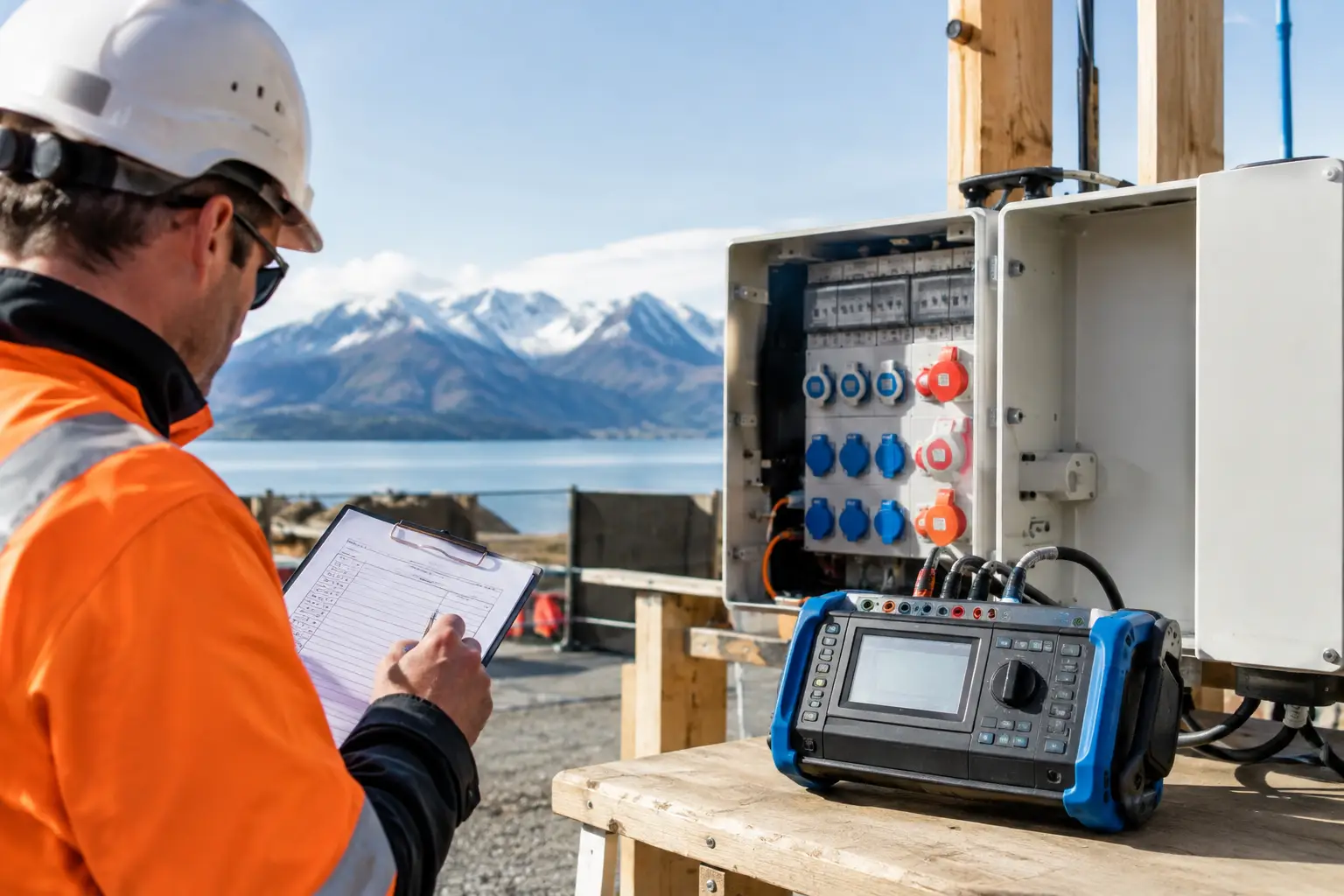
For many workplaces, test and tag records form an important part of audit evidence. Testing under AS/NZS 3760:2010 helps demonstrate that portable equipment has been inspected and electrically tested at an interval suited to the environment and level of use. The right frequency depends on the setting. Harsh, high-use or construction environments generally need more frequent attention than low-risk office areas.
Your asset register should align with what is on site. Each item should be identifiable, with a test date, next due date and test outcome recorded. If equipment has been disposed of, transferred or replaced, update the register rather than allowing outdated entries to accumulate. This small administrative step makes a significant difference when someone asks for evidence quickly.
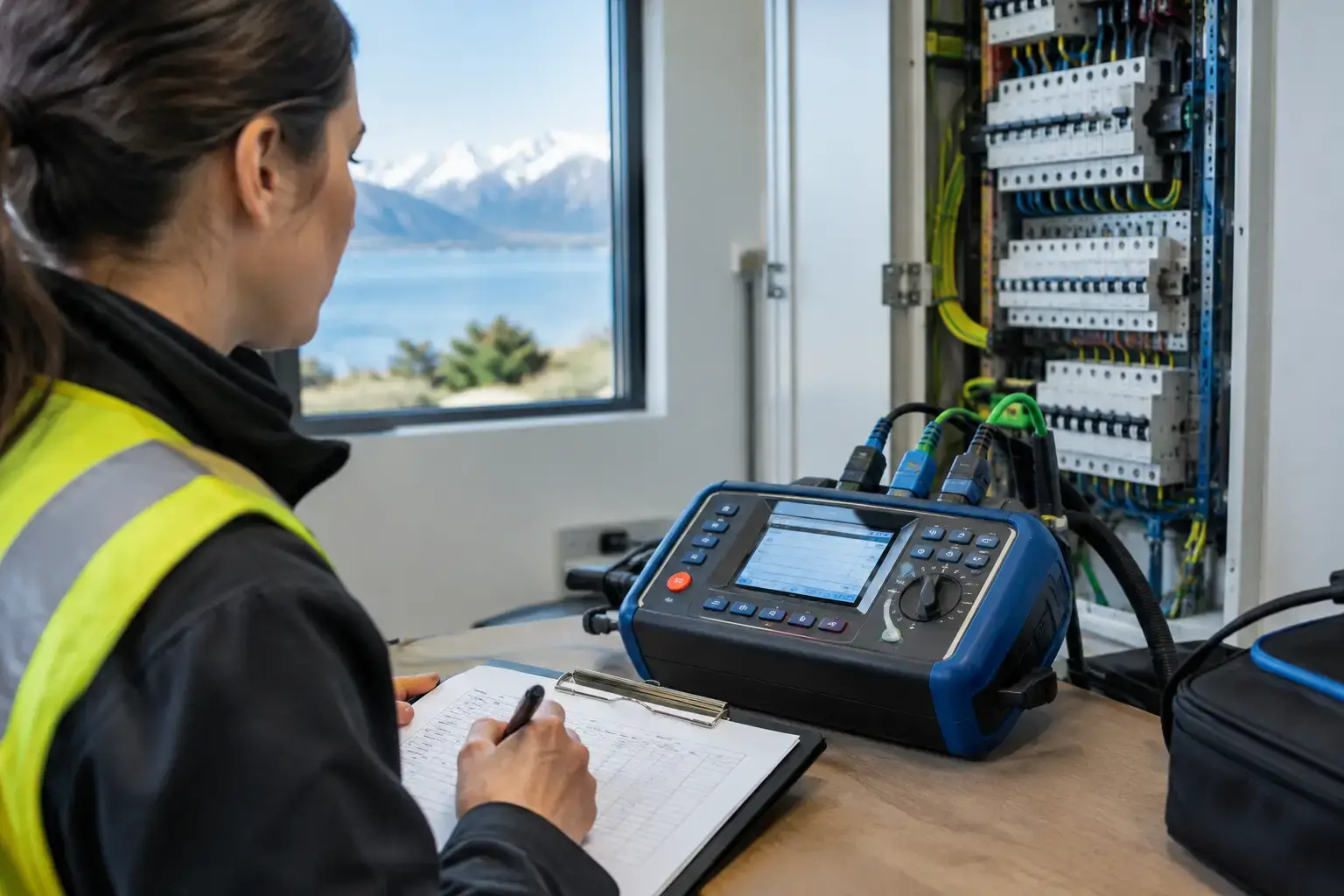
Thermal imaging can add another layer of preventative maintenance where electrical connections, switchboards or heavily loaded equipment are part of the risk picture. It can identify unusual heat patterns that are not visible during a normal visual inspection. It does not replace routine controls, but it can help direct attention to developing faults before they cause disruption or create a safety concern.
Phase Test and Tag can provide testing records and asset-management documentation that is easier to present during a review, while proactive reminders help keep future test dates from slipping past busy teams.
Prepare people, not just folders
Auditors may speak with workers, supervisors and contractors. Nobody needs a rehearsed script, but the people on site should understand the safety basics that apply to their work. They should know how to report a hazard, where to find emergency information, what to do with faulty equipment and who to contact if they have a safety concern.
Brief relevant staff before the audit so they know its purpose and who the auditor is. This is not about coaching answers. It is about reducing uncertainty and ensuring people can speak confidently about the procedures they already use.
Contractors deserve particular attention. Check that site induction records are current, contractor responsibilities are clear and any equipment brought onto site is subject to appropriate checks. On shared sites, confusion over who owns a risk can quickly become a gap in control.
Avoid the gaps that cause unnecessary pressure
Many audit findings arise from ordinary processes that have not been completed consistently. The policy exists but has not been reviewed. The inspection was done but not recorded. A fault was reported but the final action was never closed out. Equipment was tested, but the register does not show where it went next.
A short pre-audit review can uncover these gaps. Focus first on higher-risk activities and items that affect many workers, then work through lower-risk areas. If you find an issue that cannot be resolved before the audit, document the interim control, assign responsibility and set a realistic due date. Honest, organised management is more useful than a rushed promise.
Make audit readiness part of normal work
The best outcome is not simply getting through an audit. It is reducing the effort required for the next one. Schedule regular internal checks, keep registers current as equipment changes and review open actions at safety meetings. A simple monthly check is usually easier to manage than a large annual clean-up.
When safety evidence reflects the way your team actually works, WorkSafe audit preparation becomes far less disruptive. It gives you a clearer view of workplace risks, supports safer decisions and lets your people get on with the job knowing the basics have been properly looked after.