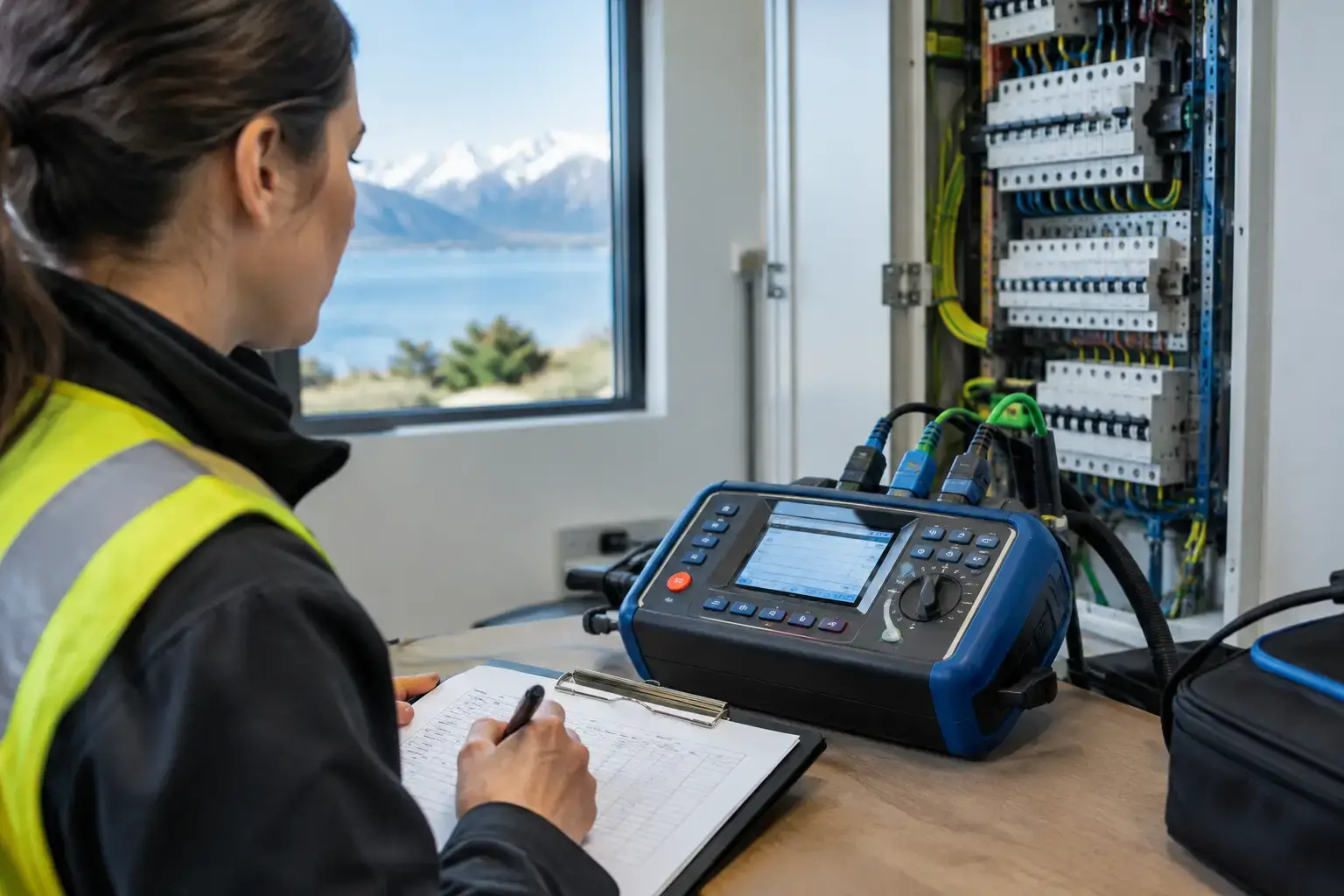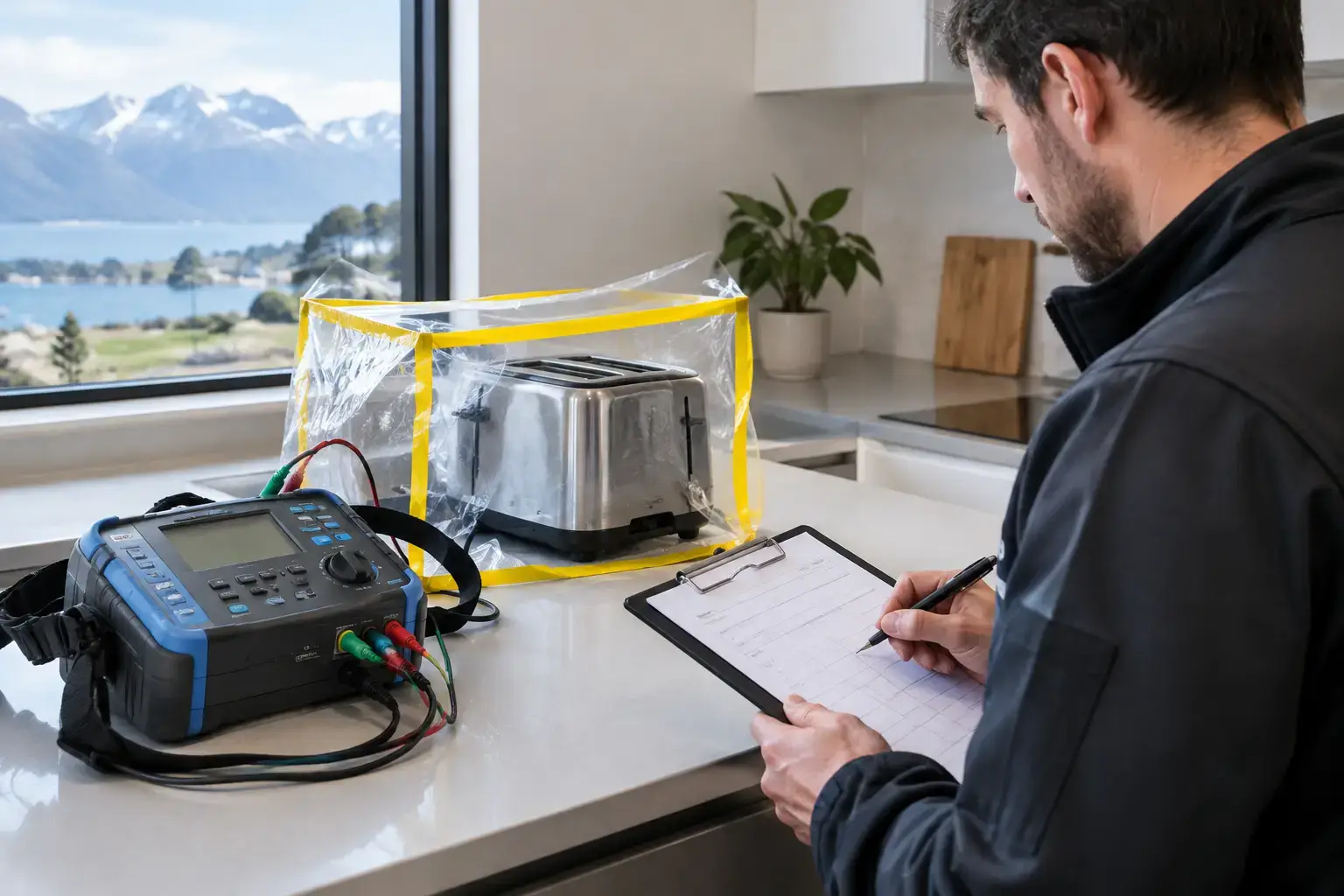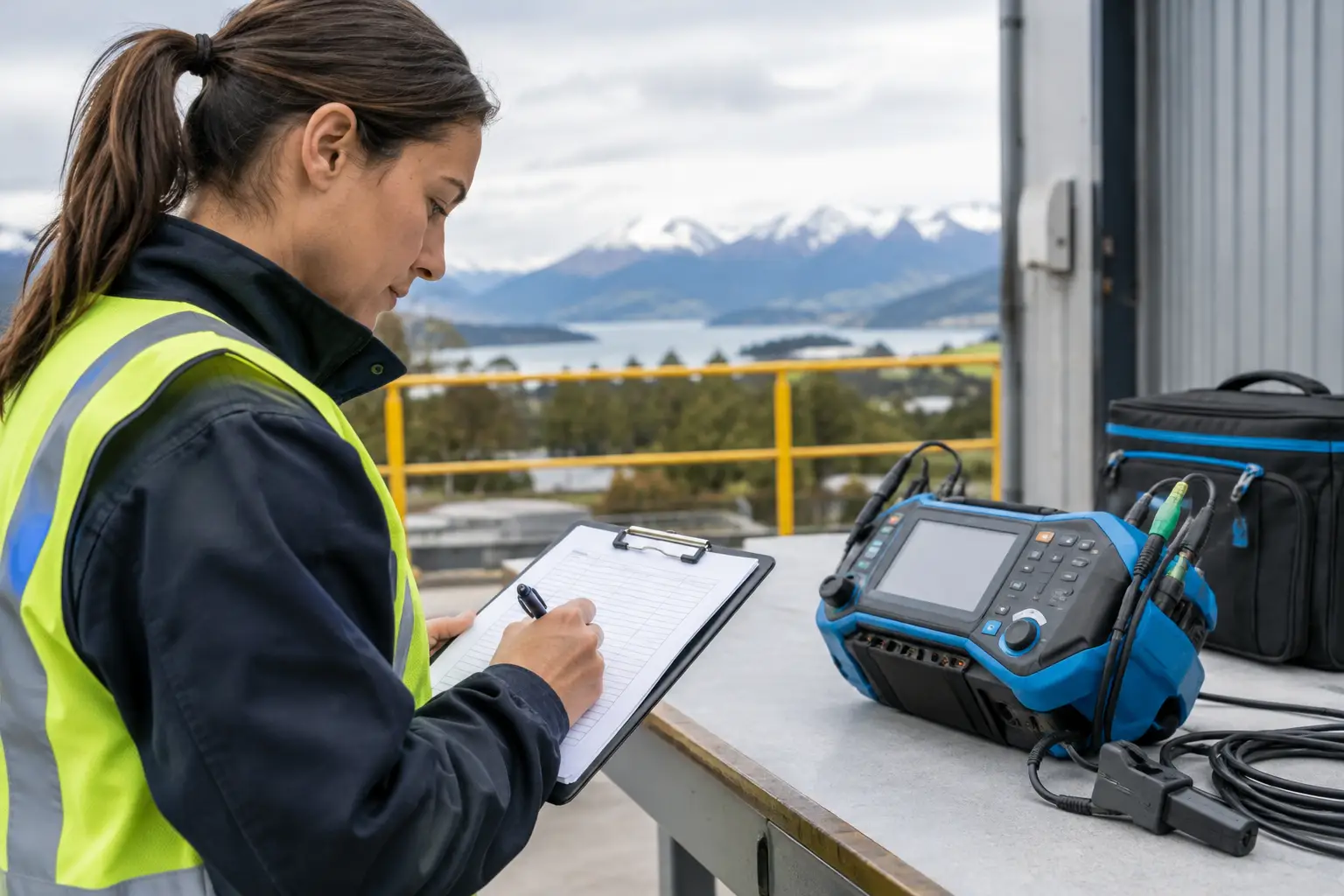
A damaged extension lead does not wait for the next convenient date in the calendar. On a busy site, it can be moved between crews, packed into a ute, exposed to dust or moisture, and put back into use before anyone notices the fault. Knowing how to schedule safety inspections gives your business a practical way to find issues early, keep equipment records current and avoid compliance becoming a last-minute scramble.
For workplaces using portable electrical equipment, an effective inspection schedule is not simply an annual booking. It is a planned system based on the equipment you have, where it is used, the conditions it faces and who is accountable for acting on the findings. The goal is straightforward: unsafe equipment is identified, removed from service and recorded before it contributes to an incident, disruption or failed site audit.
Start with a complete equipment picture
You cannot schedule inspections confidently if no one knows what is on site. Begin with an asset register that records every portable electrical item requiring inspection and testing. This may include extension leads, power boards, chargers, hand tools, kitchen appliances, computers, workshop equipment and three-phase equipment.
For each item, record a clear description, its location or usual department, a unique asset number, test date, next due date and inspection result. If equipment regularly moves between sites, include a nominated person or team responsible for tracking it. This makes it far easier to identify missing items when a testing date approaches.
The register should be a working document, not a spreadsheet saved after the initial testing visit and forgotten. Update it when new equipment arrives, assets are disposed of or equipment moves to a higher-risk environment. A current register also provides the documentation many clients, insurers and principal contractors expect to see.
Set inspection frequency by risk, not habit
The right interval depends on how and where equipment is used. AS/NZS 3760:2010 provides guidance for in-service inspection and testing, but your schedule should also reflect your own risk assessment, manufacturer instructions, client requirements and site conditions.
Equipment used on construction sites, in workshops or in outdoor trade environments usually needs more frequent attention than equipment in a low-risk office. It is exposed to knocks, flexing, dust, moisture, heat and rough handling. By comparison, a desktop monitor in a controlled office may have a longer testing interval, provided it remains in good condition and the environment stays low risk.
Consider these factors when setting intervals:
- the type of workplace and its exposure to dust, moisture, vibration or physical damage
- whether equipment is moved, shared or transported regularly
- the age, condition and repair history of the item
- the consequences if it fails, including fire, electric shock or operational downtime
- client, contract, insurance and internal health and safety requirements
A site with mixed operations may need more than one cycle. For example, office equipment can sit on a different programme from workshop tools, site sheds and equipment used outdoors. Trying to place everything on one annual date can create unnecessary cost in some areas while leaving higher-risk equipment unchecked for too long.
Build your schedule around real work patterns
The best inspection plan fits around your operation rather than interrupting it. Start by grouping equipment by site, work area and risk level. Then choose testing windows that suit quieter periods, planned shutdowns, shift changes or scheduled project milestones.
For construction and project work, include electrical safety inspections in mobilisation planning. Record the due dates for hired, subcontractor-owned and company-owned equipment before it reaches site. This reduces the chance of a crew arriving with leads or tools that are already overdue or cannot be verified at a site induction.
In factories, warehouses and commercial premises, stagger inspections across the year if testing every item at once would affect productivity. A staged programme can work well when each area has a defined month or quarter, a nominated contact and an accessible equipment list. The important point is that no group is missed and due dates are not pushed back without a documented reason.
Avoid scheduling around the assumption that every item will be available. Portable equipment is often in vehicles, on loan or stored away. Give supervisors advance notice, ask teams to return equipment to an agreed collection point, and allow time for follow-up on items not presented. This improves coverage without turning testing day into a search across the whole site.
Assign one person to own the process
A safety inspection schedule needs a clear owner. This may be a facilities manager, health and safety representative, project manager or site supervisor, depending on the size of your business. Their role is not necessarily to carry out the testing. It is to make sure the programme is booked, staff are notified, equipment is available and findings are acted on.
That person should have authority to follow up overdue equipment and remove unverified items from use where necessary. They also need a simple escalation process for equipment that fails inspection. Staff should know not to keep using an item that is damaged, has an out-of-date tag where required by site rules, or has been identified as faulty.
Daily or pre-use visual checks remain part of workplace safety. A test tag is evidence of a completed inspection at a point in time, not a guarantee that an item cannot be damaged the following day. Encourage workers to look for cracked plugs, loose connections, exposed conductors, damaged casings, overheating, scorch marks and strained leads before use. Any concern should be reported promptly.
Book early and use reminders to stay ahead
Waiting until equipment is overdue creates avoidable pressure. Set reminders well before each due date, ideally with enough lead time to arrange access and manage any failed items. For larger sites, a reminder at 60 days and another at 30 days can give managers time to coordinate teams and equipment locations.
A qualified testing provider can support this process by maintaining test records and issuing future due-date reminders. Phase Test and Tag provides scheduled testing, asset registers and clear reporting so South Island businesses can keep track of their compliance requirements without adding unnecessary administration.
When booking, provide a realistic picture of the site. Let the provider know the number and types of assets, whether there is single-phase or three-phase equipment, the operating hours, security requirements and any areas that cannot be interrupted. This allows the inspection to be planned efficiently and helps avoid delays on the day.
Treat failed items as a planned maintenance task
An inspection programme is only useful if the results lead to action. Equipment that fails testing or visual inspection should be clearly identified and removed from service until it can be dealt with appropriately. Record the reason for failure, the date it was removed, and what happened next.
Look for patterns in the reporting. Repeated failures in a particular work area may indicate poor storage, unsuitable equipment for the environment, rough transport practices or a need for better staff awareness. Thermal imaging can also be useful for selected equipment and electrical assets where heat-related faults, hotspots or energy loss may not be visible during a normal visual check.
Do not treat a high failure rate as just another compliance cost. It is useful information about where workplace risk and unplanned downtime may be developing.
Keep records ready for audits and client requirements
After each inspection, retain the asset register, test results, failed-item records and any corrective actions. Store them where the relevant managers can find them quickly. A clear report should allow you to answer basic questions without hunting through emails: What was tested? When was it tested? What failed? Has it been removed from use? When is the next inspection due?
This level of record keeping supports your health and safety process and makes client audits less stressful. It also helps when equipment moves between sites, new managers take over, or an incident requires you to show what controls were in place.
A good schedule should feel quiet in the background. Equipment is tested before it becomes overdue, staff know what to present, records stay current and faults are dealt with promptly. That is how electrical compliance becomes a dependable part of running a safe workplace, rather than an urgent task waiting for the next reminder.