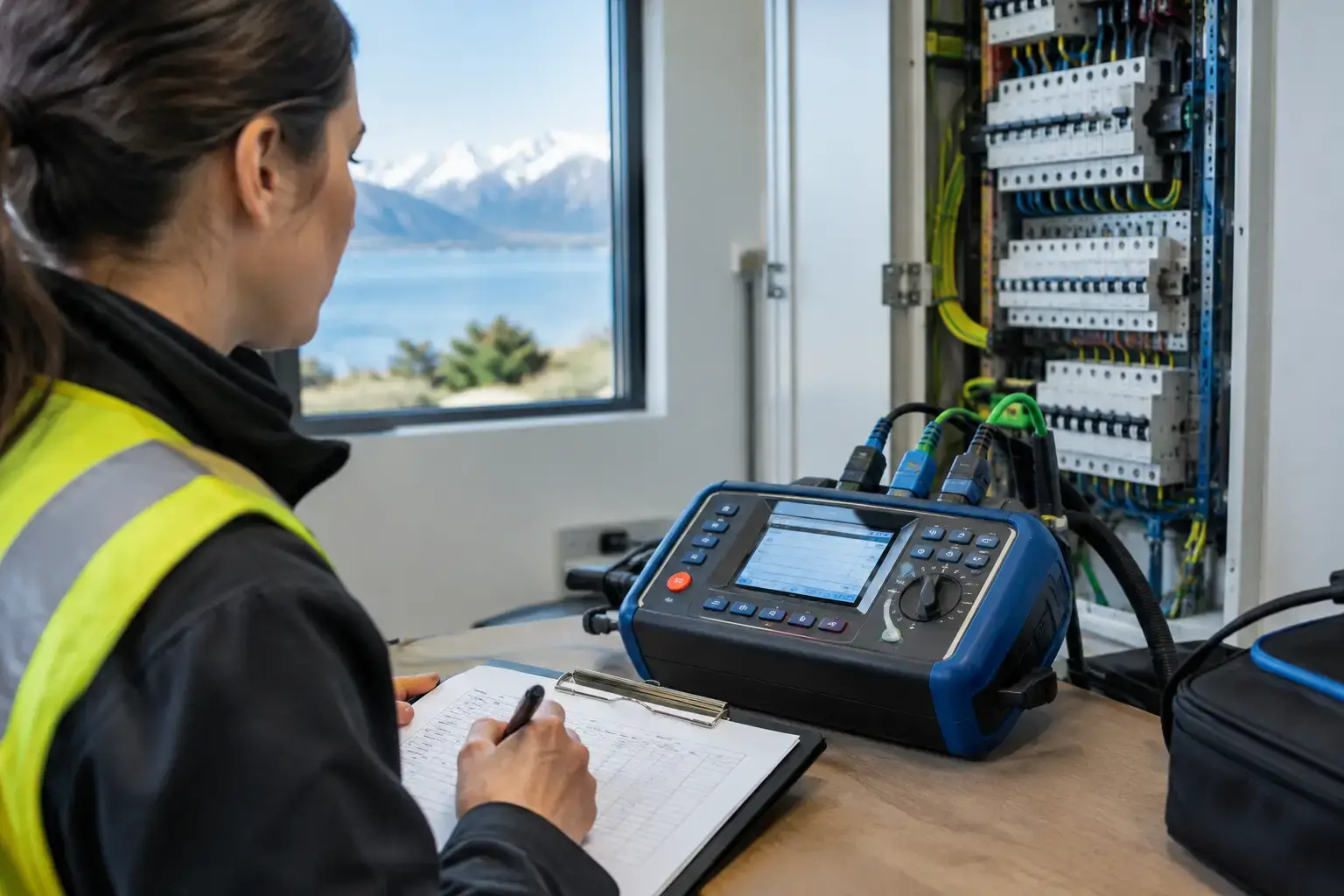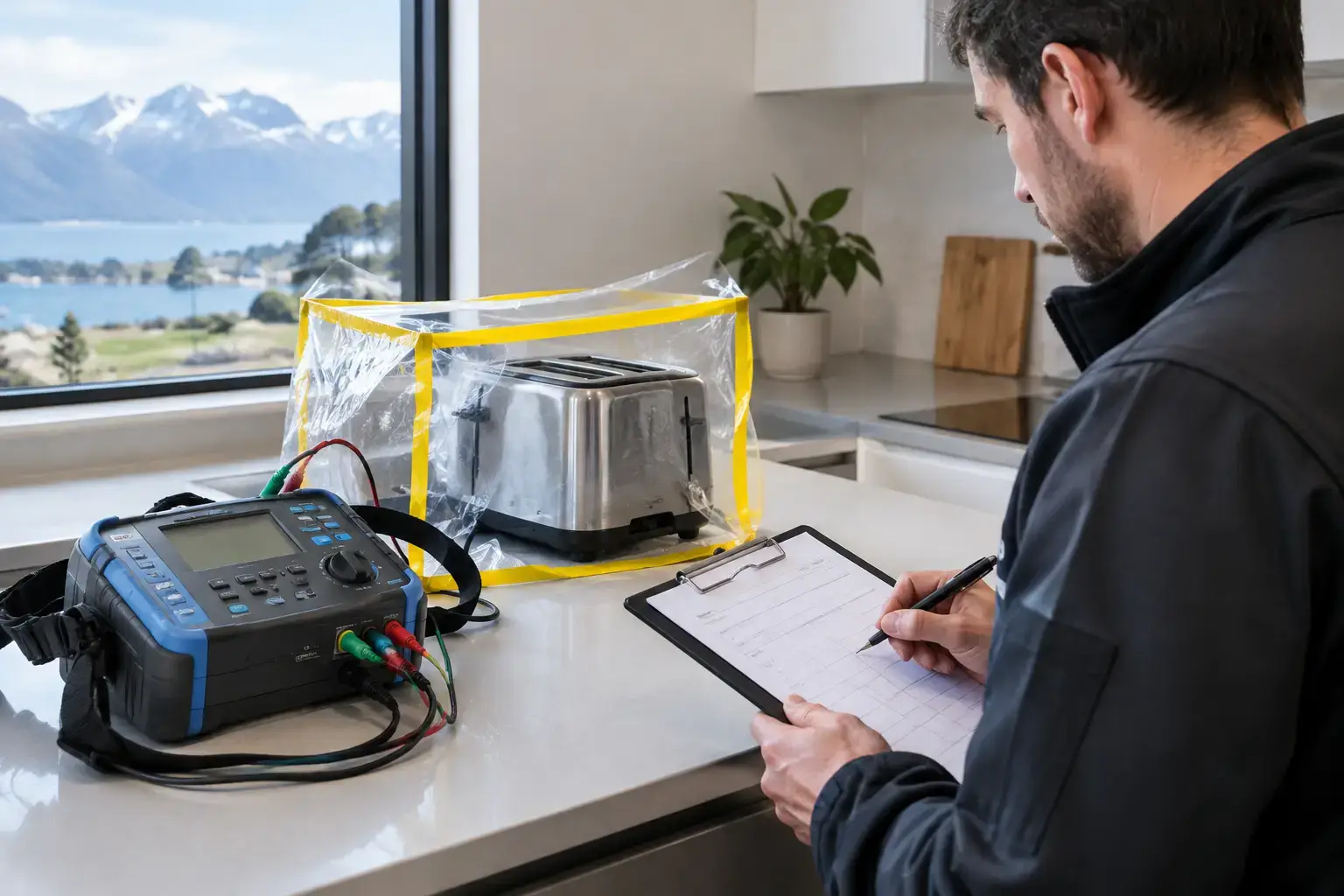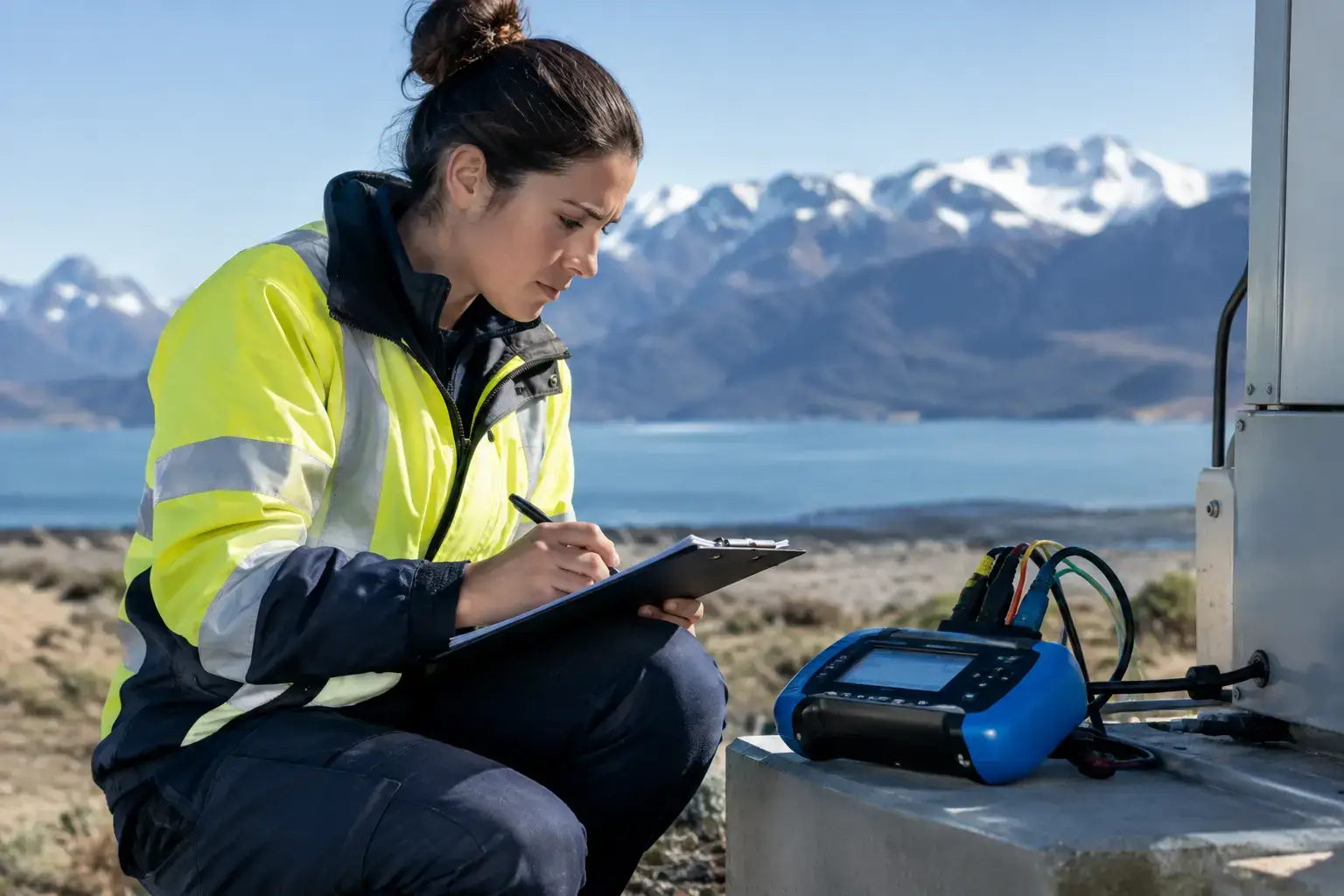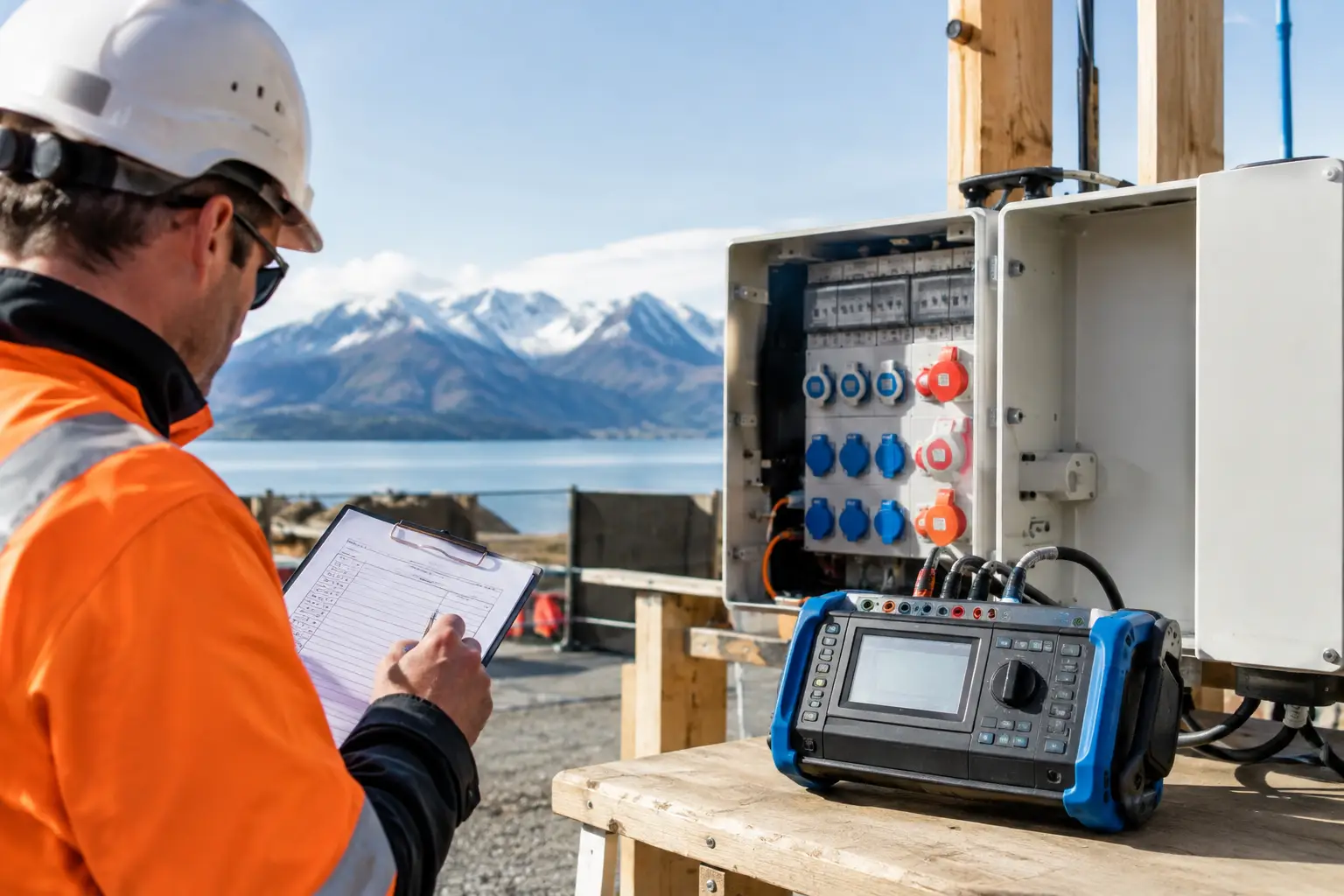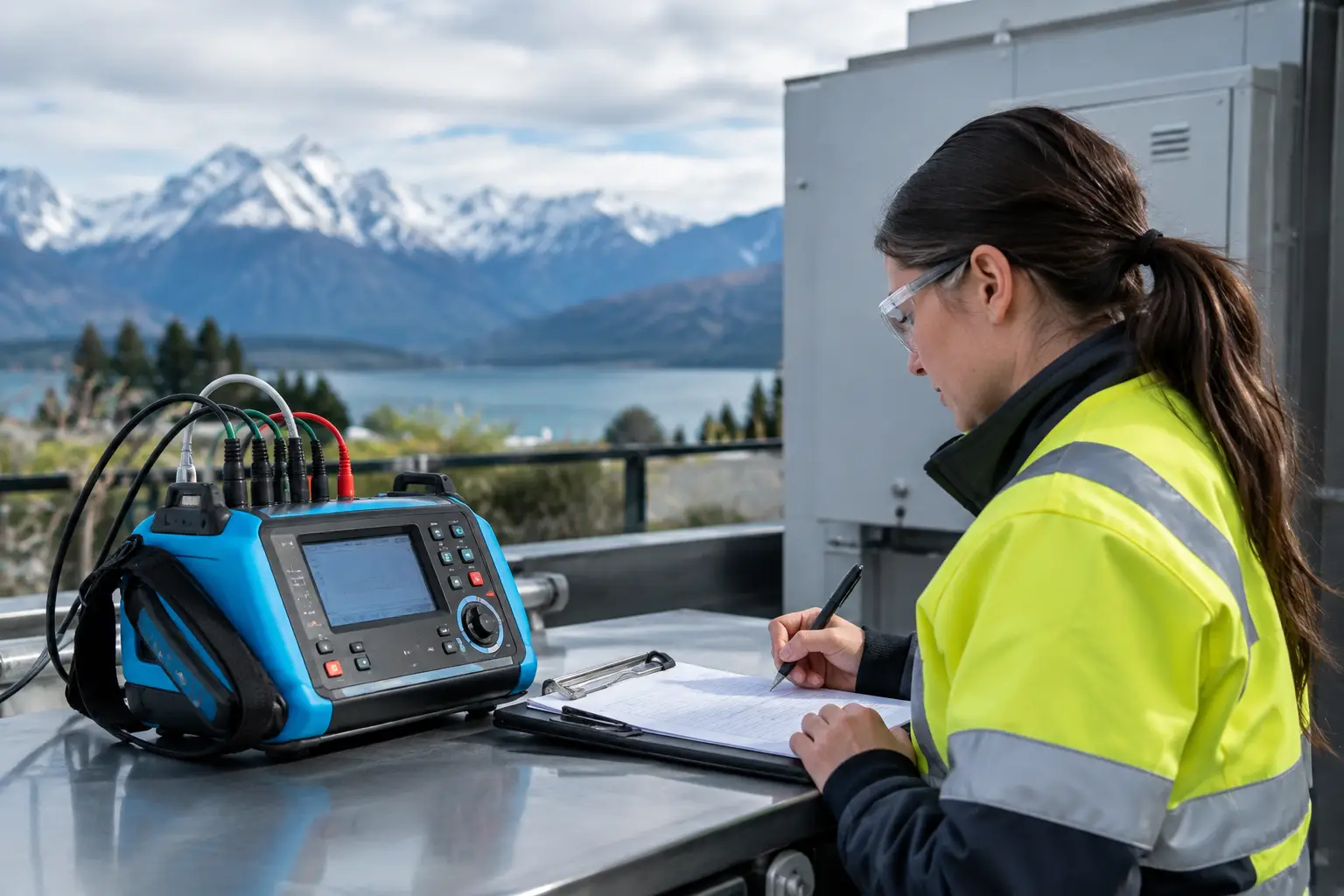
A failed extension lead on a busy workshop floor, a portable tool with damaged insulation, or an overheated connection inside a switchboard can stop work with little warning. Industrial electrical maintenance planning gives site managers a practical way to find and manage these risks before they lead to an injury, equipment downtime or a difficult conversation with an auditor, insurer or principal contractor.
For industrial sites, maintenance cannot be treated as a once-a-year paperwork exercise. Portable equipment moves between work areas, leads are pulled across hard surfaces, tools are exposed to dust and moisture, and staff may use the same assets across shifts. A useful plan accounts for how equipment is actually used, records what has been checked and makes the next required action clear.
What industrial electrical maintenance planning should achieve
A good maintenance plan brings safety, compliance and operational continuity into one manageable process. It identifies the electrical assets on site, assigns inspection and testing intervals based on risk, captures results in an accessible register and sets out what happens when equipment does not pass.
The aim is not simply to attach a current tag. Tags help staff quickly identify equipment that has been checked, but the supporting asset register and test report provide the evidence behind that tag. Together, they give a site manager visibility over the condition of portable appliances, leads, residual current devices and three-phase equipment.
For workplaces following AS/NZS 3760:2010, planning also helps establish a consistent system for inspection, testing and record keeping. The appropriate interval depends on the environment and the type of equipment. A lead used daily on a construction site faces a different level of wear from a computer cable in a controlled office. Treating both on the same schedule can either leave risk unmanaged or create unnecessary disruption.
Start with a clear equipment register
The asset register is the foundation of industrial electrical maintenance planning. Without it, a site can easily lose track of equipment moved between departments, stored in containers or brought in for short-term projects. It is also difficult to demonstrate a reliable compliance process when the equipment list is incomplete.
Each item should have a unique identifier and enough detail to identify it without doubt. That normally includes the item description, make or model where practical, location or department, voltage or phase information, test date, next due date and test outcome. Recording the person or provider who completed the inspection is also useful when reviewing results later.
Do not overlook assets that are easy to miss. Portable leads, multi-boxes, battery chargers, welders, pumps, kitchen appliances in site offices and temporary equipment can all form part of the register where applicable. Equipment supplied by contractors also needs clear responsibility. On a shared site, confirm whether the contractor maintains its own testing records, whether the principal contractor requires evidence before access, and how failed equipment will be isolated.
A register does not need to become an administrative burden. When testing is carried out systematically, the register can be updated as each asset is inspected. Future due-date reminders then help prevent equipment quietly falling overdue during a busy production period or project handover.
Set testing intervals around the working environment
Risk-based intervals are one of the most valuable parts of the plan. AS/NZS 3760:2010 provides guidance for different environments, but the real question is how likely equipment is to be damaged in its normal use.
Construction, demolition and heavy industrial areas generally warrant shorter intervals because leads and appliances may be exposed to impact, movement, moisture, dust, heat and rough handling. Workshops and trade environments can also require closer attention, particularly where equipment is frequently transported or used around metalwork and machinery.
A low-risk office environment may allow longer periods between formal inspections and tests. That does not mean office equipment can be ignored. Damaged power cords, overloaded multi-boxes and unsuitable leads still create avoidable hazards. Visual checks by users remain valuable between scheduled test dates in every setting.
Where a site has mixed risk levels, separate the programme by area rather than forcing a single interval across the entire business. This can reduce unnecessary testing in low-risk spaces while keeping high-use equipment under closer control. A qualified testing provider can help apply the standard sensibly to the equipment and conditions on your site.
Plan for change, not just the calendar
Fixed due dates matter, but sites change. New machinery arrives, crews expand, a warehouse layout shifts, or a contractor establishes a temporary work zone. Each change can introduce equipment that is missing from the register or operating in a higher-risk environment than before.
Build a simple review into project mobilisation, new-site setup and contractor induction. Ask what portable electrical equipment will be used, who owns it, where it will be located and what evidence of current testing is required. This small step prevents the common problem of discovering unrecorded equipment during a client inspection.
Use visual inspections and testing together
A test and tag programme works best when it combines a careful visual inspection with appropriate electrical testing. Many faults are visible: cracked plugs, frayed leads, damaged strain relief, loose casing, burn marks or equipment that has been altered or poorly repaired. These items should not remain in service simply because a previous tag has not yet reached its due date.
Electrical tests provide another layer of assurance by checking conditions that may not be obvious from the outside. The method used depends on the equipment class and design. Three-phase equipment, for example, requires appropriate procedures and competent personnel familiar with the equipment being assessed.
Staff should be encouraged to remove suspect equipment from use and report it immediately. The plan should state where failed items are placed, how they are marked to prevent reuse, who is notified and how the register is updated. A clear quarantine process matters because an item left on a bench can easily find its way back into service.
Include thermal imaging in preventative maintenance
Portable appliance testing addresses a vital part of workplace electrical safety, but it does not show every emerging issue across an industrial site. Thermal imaging provides a non-invasive way to identify abnormal heat patterns in electrical components and connections while equipment is operating.
Heat can indicate a developing fault, a loose connection, load imbalance or an area of excess resistance. It can also reveal energy loss that affects efficiency. Thermal images do not replace a full maintenance programme, and not every warm component is a fault. Results need to be interpreted in context, taking account of load, ambient temperature and the component’s normal operating condition.
Used at suitable intervals, thermal imaging helps maintenance teams prioritise attention before an issue develops into an unplanned shutdown or fire risk. It is especially useful for sites with high-demand equipment, production schedules that make downtime costly, or assets where a visual external inspection cannot show the full condition.
Make documentation useful when someone asks for it
Compliance records are most useful when they can be produced quickly and understood easily. Keep current test reports, asset registers, failed-item records and any thermal imaging findings together in a format that site management can access. This supports internal reviews and provides clear evidence for WorkSafe expectations, insurance discussions, client requirements and contractor management.
Documentation should answer straightforward questions: What equipment is on site? When was it last checked? What failed? Has the failed item been removed from service? When is the next inspection due? If the record cannot answer these questions promptly, the process may need tightening.
It is worth nominating one person to oversee the programme, even when an external provider carries out the testing. That person does not need to manage every asset personally. Their role is to confirm reports are received, failed equipment is dealt with, new assets are added and upcoming due dates are scheduled around site operations.
Choose a maintenance partner who reduces the workload
The right provider should make compliance easier, not add layers of administration. Look for qualified personnel, clear reporting, experience with both single-phase and three-phase portable equipment, and a practical understanding of AS/NZS 3760:2010. Ask how the provider handles asset registers, failed equipment, overdue reminders and testing around production or shift requirements.
For South Island businesses, Phase Test and Tag provides scheduled testing, tagging, asset documentation and thermal imaging support with flexible operating hours and no call-out fees. A planned approach allows testing to be coordinated around the way your site works, rather than forcing a rushed response after an issue has already disrupted the day.
The most effective plan is the one your team can maintain. Start with an accurate register, set intervals that reflect real site risk and make sure every failed item has a clear path out of service. From there, regular testing and timely records turn electrical compliance from a recurring worry into a routine part of running a safer workplace.