A production line stops halfway through a run. A contractor cannot use a power tool on site. Office staff lose access to essential equipment just before a deadline. These are familiar examples of the common causes of electrical downtime, and they rarely happen without warning. In many cases, the signs were present in damaged equipment, excessive heat, missed inspections or unclear responsibility for workplace assets.
Electrical downtime affects more than productivity. It can delay projects, create pressure for unsafe shortcuts, interrupt customer service and leave a business with difficult questions about maintenance and compliance. For South Island workplaces that rely on portable appliances, extension leads, three-phase equipment and temporary site power, prevention starts with knowing where failures begin.
Why electrical downtime is a business risk
Downtime is often treated as an inconvenience until it disrupts a critical job. In construction and trade settings, one faulty lead or tool can hold up several people. In manufacturing, an unexpected equipment failure can interrupt schedules, affect output and put extra strain on other machinery. Even in an office, a failed appliance or overloaded power board can create an avoidable safety issue and a frustrating loss of working time.
The financial impact depends on the workplace. A small office may only lose a few hours, while an industrial site may face lost production, delayed deliveries and equipment hire costs. There is also the safety risk. Equipment that is overheating, physically damaged or operating intermittently should not be kept in use simply because the job needs to continue.
Common causes of electrical downtime in workplaces
Damaged portable equipment, leads and plugs
Portable equipment is exposed to daily wear. Leads are pulled across floors, trapped in doors, run over by vehicles, exposed to sharp edges or left in areas where they can be wet, dusty or damaged. Plugs can loosen, casings can crack and strain relief can fail where a lead enters a tool or appliance.
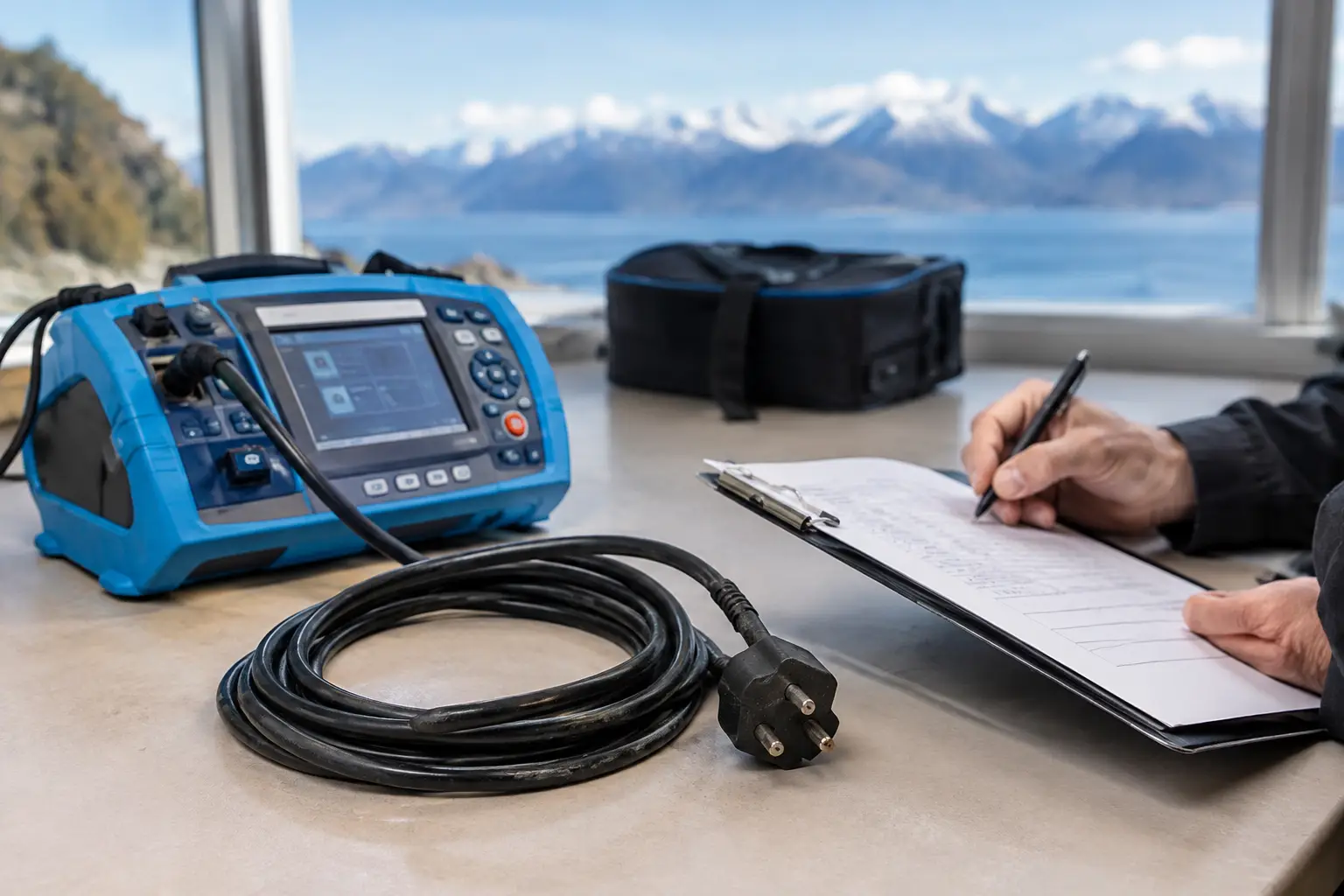
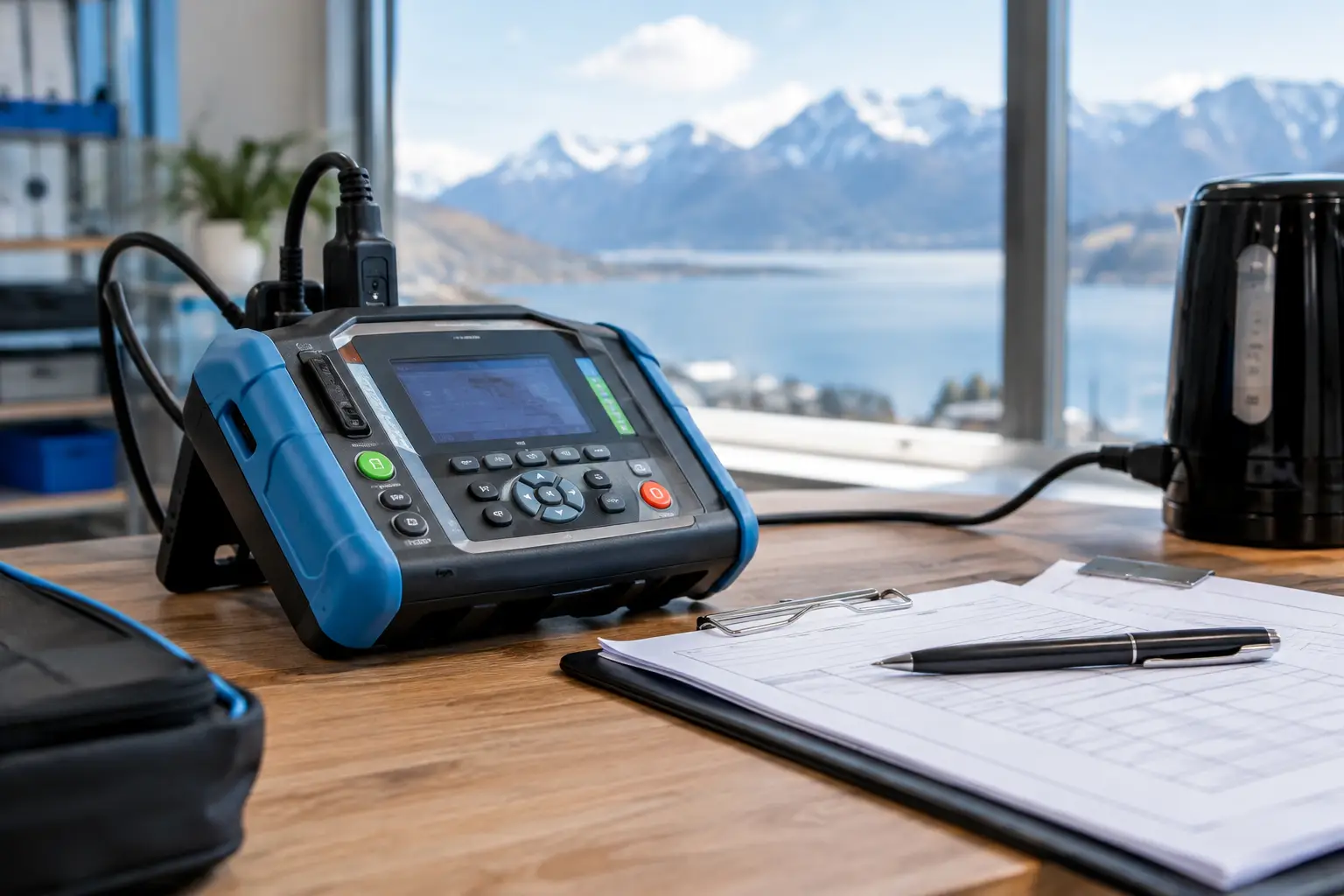
Visual damage is not always cosmetic. A split sheath, bent pin or loose plug can indicate a fault that may cause equipment to stop working or become unsafe. Portable appliance testing and tagging combines a visual inspection with electrical tests appropriate to the item, helping identify equipment that should be removed from service before it fails during a job.
Heat buildup and deteriorating connections
Excess heat is one of the most useful early indicators of electrical failure. Connections, circuits and equipment components can become hotter than expected when they are under excessive load, deteriorating or developing resistance. These issues may not be visible during a routine walk-through, particularly when equipment continues to operate normally.
Thermal imaging allows qualified personnel to identify abnormal heat patterns without interrupting operations unnecessarily. It can reveal hotspots in electrical equipment, connections and distribution areas before a fault becomes a shutdown, fire risk or costly replacement. The value is preventative: finding a developing issue while there is time to plan a response rather than reacting after a failure.
Overloading and unsuitable use
Electrical equipment is designed to operate within stated limits. Problems arise when too many appliances are connected to one source, when leads are not suitable for the environment, or when a piece of equipment is used beyond its intended duty. Temporary setups can be particularly vulnerable because they change regularly and may be assembled quickly to keep work moving.
Overloading can cause heat, tripping and premature wear. It is not always obvious from appearance alone, especially where several lower-load appliances are used at different times. Site managers should review how equipment is being used in practice, not just how it was intended to be used when first introduced to the workplace.
Moisture, dust and harsh environments
Construction sites, workshops, warehouses and outdoor work areas put electrical equipment under greater pressure than a clean, low-traffic office. Moisture, dust, vibration, chemicals and physical impacts can all shorten the usable life of leads, tools and appliances. A lead that is acceptable in a quiet office may not be suitable for a wet, abrasive or high-traffic environment.
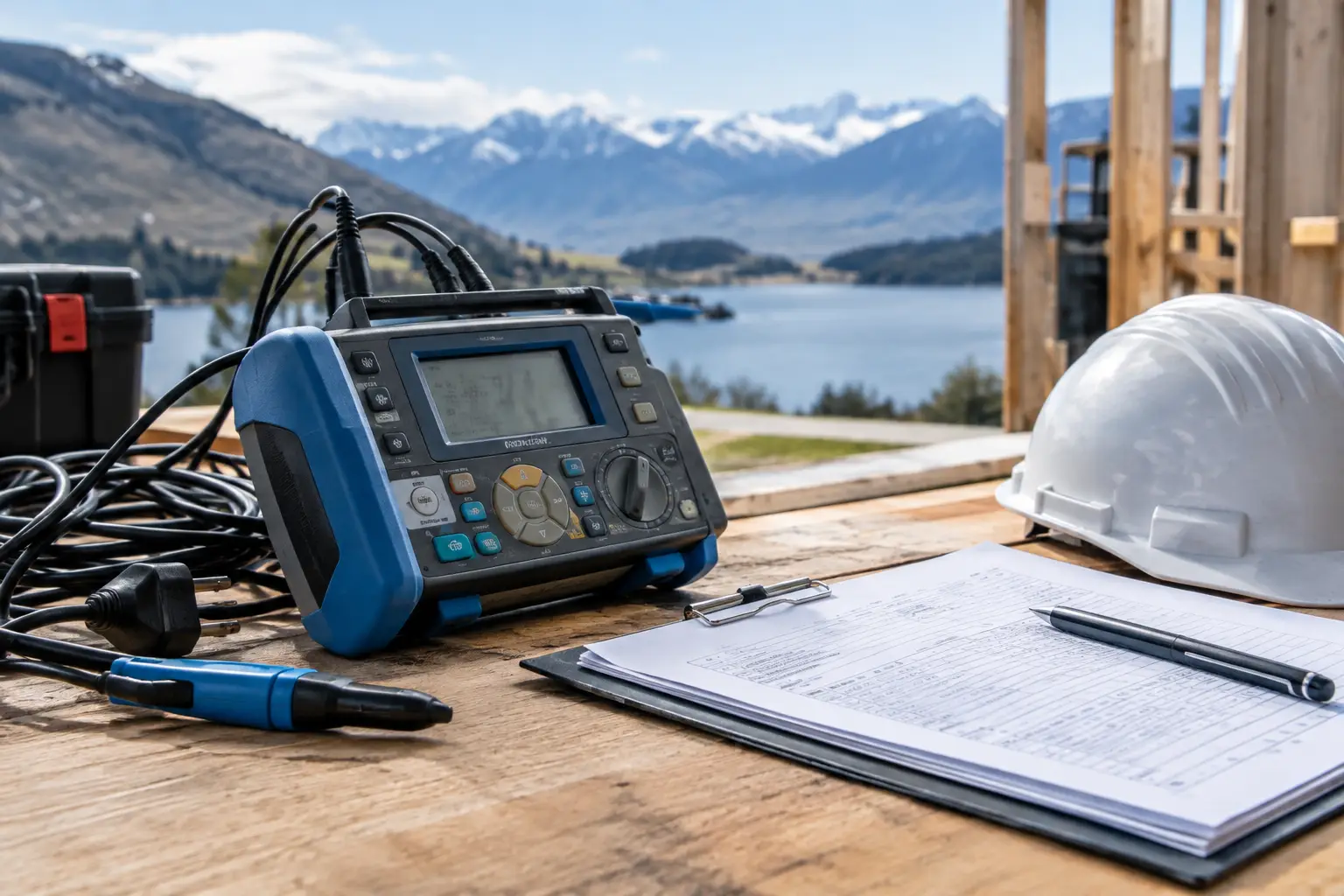
This is why testing intervals should be based on risk. AS/NZS 3760:2010 provides guidance on inspection and testing, but there is no single timetable that suits every workplace. Equipment used frequently in a demanding environment generally needs closer attention than an appliance that remains in one protected location. A sensible programme considers the environment, the type of equipment, how often it is moved and the consequences if it fails.
Missed inspections and incomplete asset records
Many downtime events are made worse by uncertainty. When no one knows when an item was last checked, who owns it or whether it has already failed, a small issue can take longer to resolve. This is common on busy sites where contractors bring their own equipment and workplace assets are moved between teams.
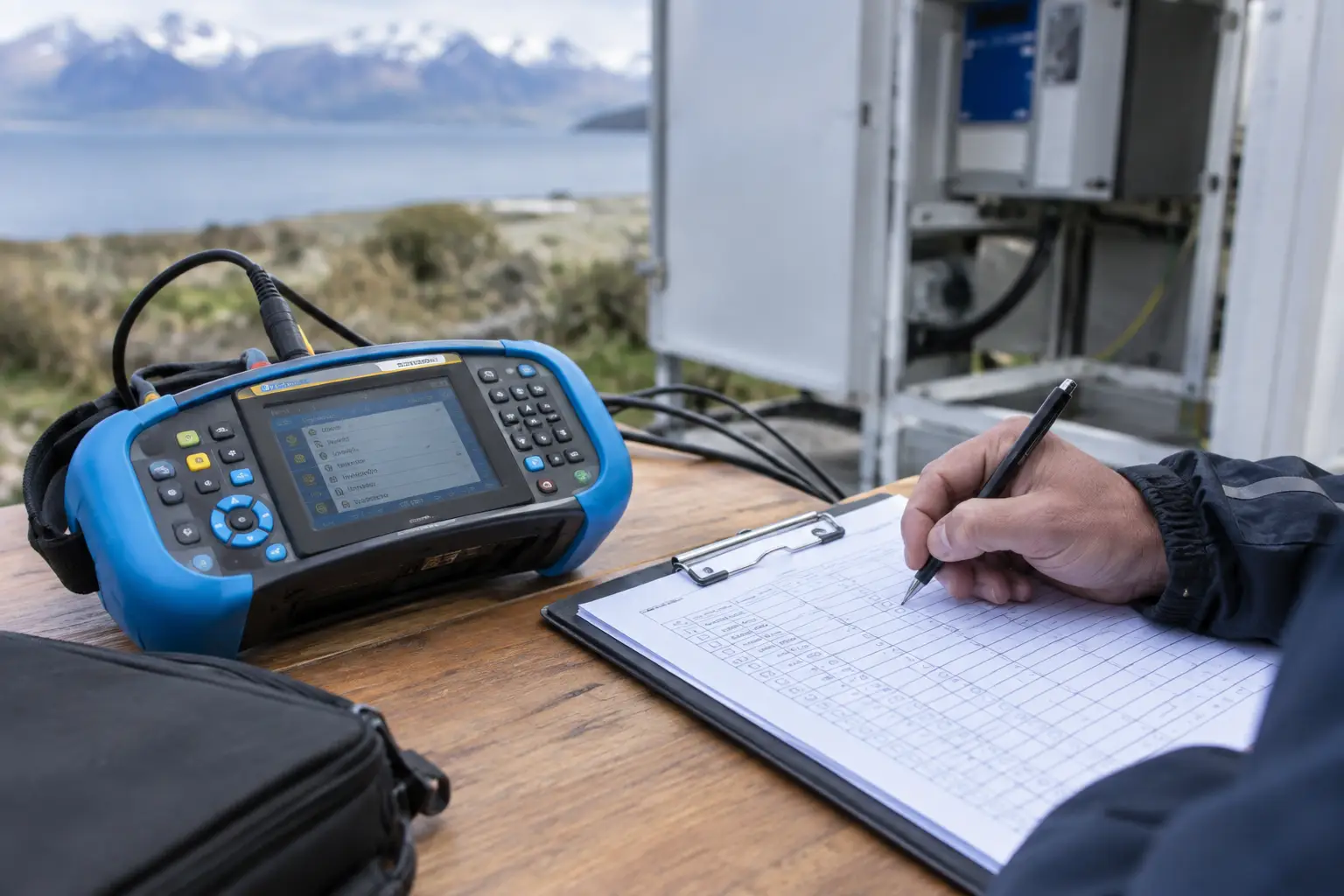
An accurate asset register gives managers a clearer picture of what is on site, its test status and its next due date. It also makes it easier to identify repeat problems, such as a particular type of lead that is regularly damaged or an appliance that has required repeated attention. Scheduled reminders remove some of the administrative burden and help prevent inspection dates from slipping through the gaps.
Delaying action on warning signs
Intermittent operation, unusual heat, damaged insulation, flickering indicators, burning smells and frequent tripping should be treated as warning signs, not minor annoyances. Continuing to use suspect equipment can turn a manageable maintenance issue into unplanned downtime.
Four practical warning signs deserve immediate attention:
- A lead, plug or casing is cracked, crushed, loose or visibly damaged.
- Equipment feels unusually hot or shows discolouration around a connection point.
- A tool or appliance cuts in and out, trips supply protection or performs inconsistently.
- A tag is missing, out of date or cannot be matched to an asset record.
Remove affected equipment from use and have it assessed through the appropriate process. That decision may interrupt one task briefly, but it is usually far less disruptive than a failure during critical work.
Prevention works best as a routine
No inspection programme can guarantee that equipment will never fail. A test result reflects the condition of an item at the time it is checked, and workplace conditions can change quickly. The goal is to reduce risk, identify defects early and make sure people know what to do when something does not look right.
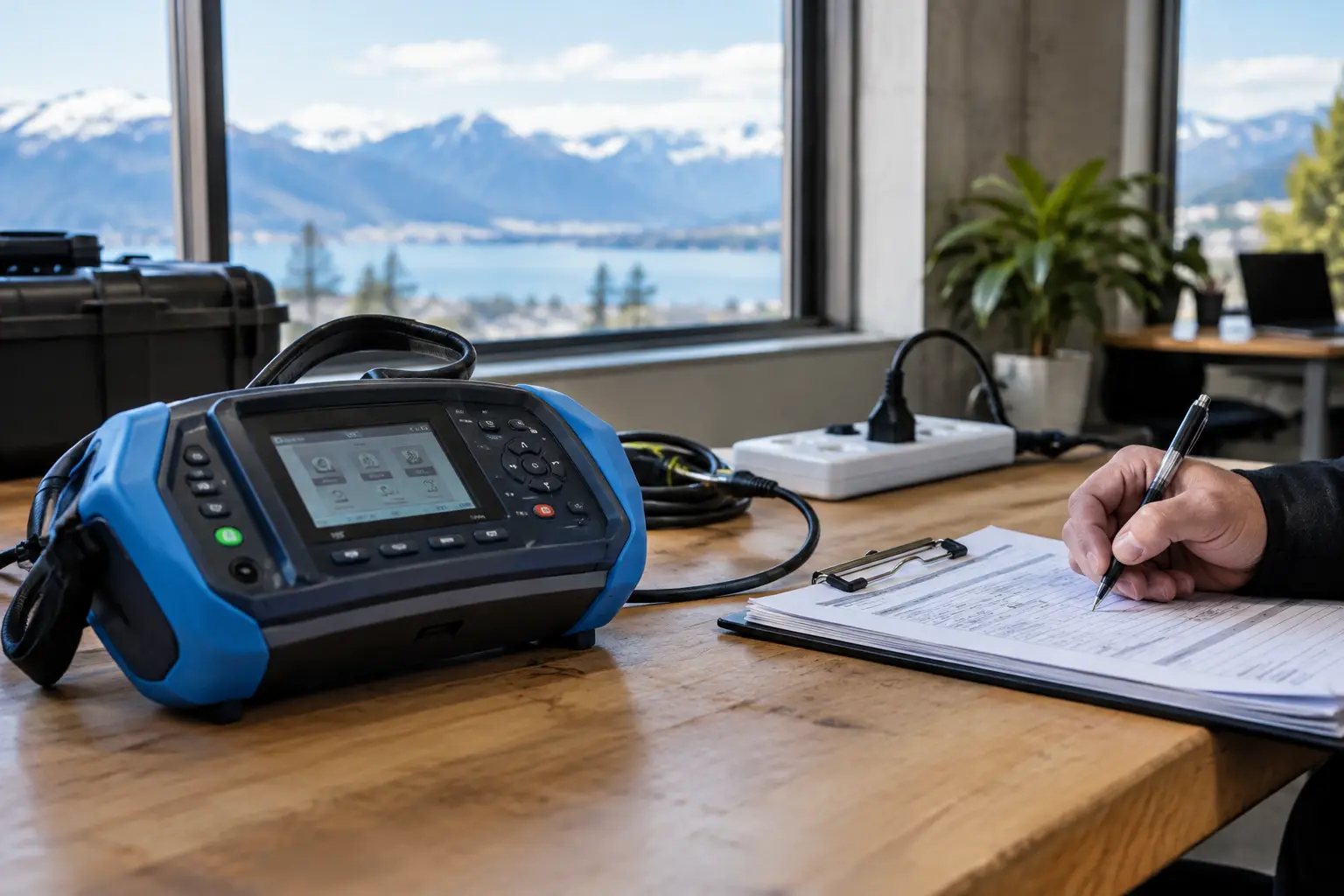
Start with regular visual checks by the people using equipment. They are most likely to notice a new crack, damaged lead or change in performance. Support this with scheduled testing and tagging at intervals suited to the workplace risk profile. Keep records current, quarantine faulty items and make sure new or hired equipment is included in the process rather than overlooked.
For sites with higher loads, critical equipment or a history of heat-related issues, thermal imaging adds another useful layer of preventative maintenance. It does not replace portable appliance testing, and testing does not replace careful equipment use. Together, they provide a more complete view of electrical condition across the workplace.
Making compliance easier to manage
Good compliance should not create more paperwork than the business can realistically maintain. The right testing partner will provide clear reports, maintain a usable asset register and give practical guidance on testing frequency across different work areas. That is especially valuable where a business operates a mix of offices, workshops, construction sites and mobile crews.
Phase Test and Tag supports Christchurch and wider South Island businesses with scheduled testing, clear documentation, thermal imaging and proactive reminders for future due dates. The focus is straightforward: help keep equipment safe, traceable and available when your team needs it, without unnecessary call-out costs or confusion.
The most useful time to address electrical downtime is before a critical tool, appliance or piece of equipment stops the job. A regular check of your equipment condition, records and site practices can turn a surprise shutdown into a planned, manageable task.