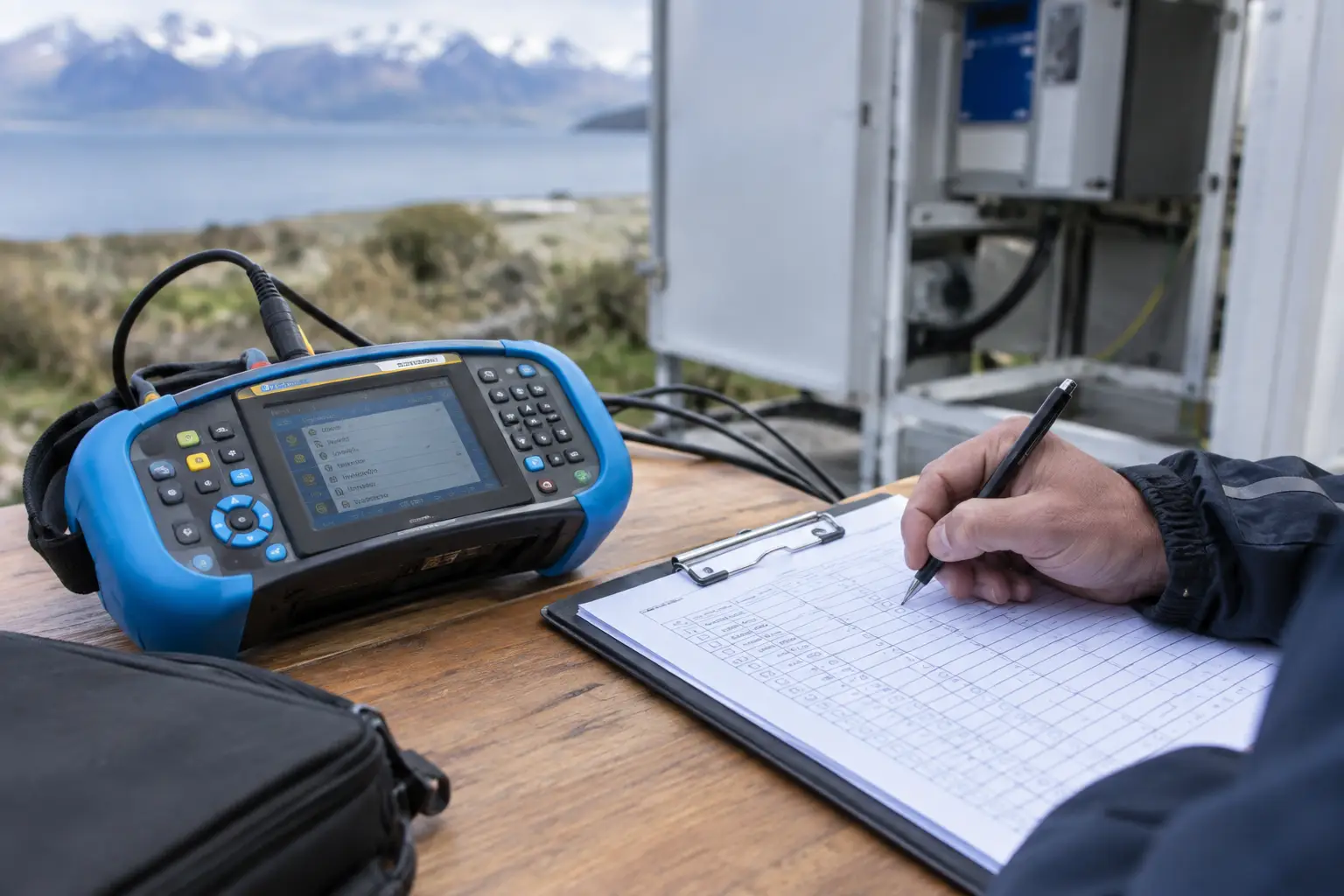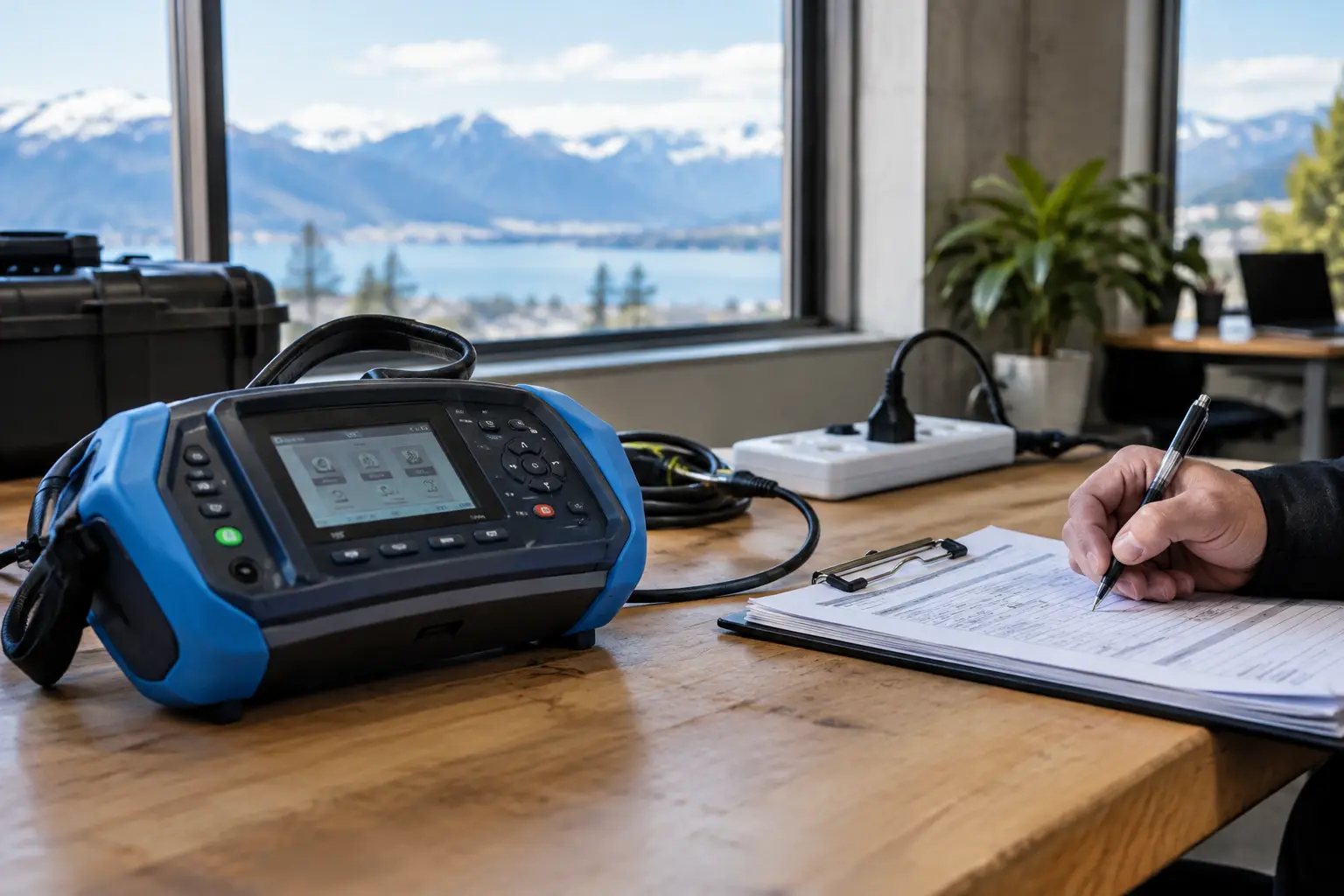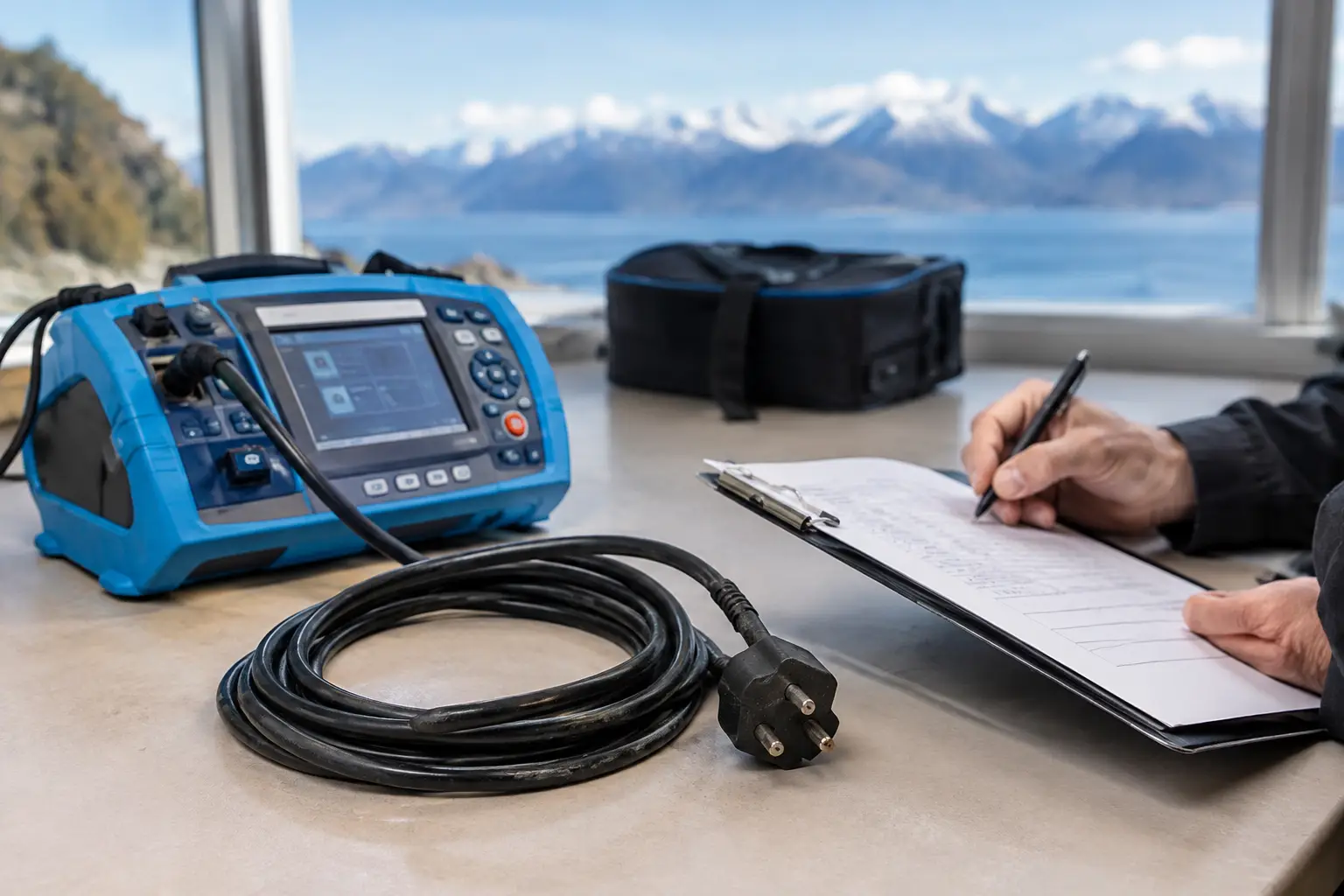
A power lead dragged across a workshop floor, pinched in a door or left out in the weather can look minor right up until it causes a shock, trips a circuit or starts a fire. Knowing when to replace damaged power leads is not just a housekeeping decision. It is a practical part of managing workplace risk, protecting people and keeping equipment available when your team needs it.
For businesses using portable electrical equipment, leads are often the first item to wear out. They are bent, pulled, run over, exposed to dust and moisture, and connected to tools that may move between jobs. A quick visual check helps, but some damage is easy to miss. Regular inspection and testing provides the confidence that a lead is safe to remain in service – or clear evidence that it should be removed.
When to replace damaged power leads
A damaged lead should be taken out of service immediately if there is any doubt about its safety. Do not rely on a lead because it still powers equipment. Electricity can continue to flow through a lead that has compromised insulation, a loose connection or internal conductor damage.
Replacement is generally the safest option when the lead has exposed wires, splits or deep cuts in the outer sheath, burn marks, crushed sections, melted insulation or signs of overheating. The same applies if plugs, sockets or cord grips are loose, cracked, bent or discoloured. These faults can affect the integrity of the connection and increase the risk of electric shock, arcing or fire.
Damage around either end of the lead deserves particular attention. Repeated bending near plugs and sockets can break conductors internally while leaving the outside looking largely intact. If a lead feels unusually soft, stiff, flattened or lumpy in one area, it may have hidden internal damage. It should not stay on site simply because the issue cannot be seen clearly.
A lead that fails electrical testing must also be removed from service. Test results can identify earth continuity, insulation resistance and polarity issues that visual checks cannot confirm. For a busy site manager, this removes guesswork: failed equipment is identified, recorded and kept away from the work area until it is appropriately dealt with.
Damage that means a lead is no longer fit for use
Not every scuff means a lead needs replacement. Light surface marking that has not penetrated the insulation may be cosmetic, particularly in a low-risk office setting. The decision depends on the type, location and severity of the damage, as well as the environment where the lead is used.
However, the following signs should always be treated seriously:
- exposed copper or inner insulation, even over a small area
- cuts, tears, splits or abrasions that reach or weaken the outer sheath
- crushed, kinked or flattened cable from doors, wheels, machinery or storage
- burn marks, melted sections, discolouration or a hot-plastic smell
- damaged plugs, sockets, pins, cord grips or retaining screws
- loose connections, intermittent power, sparking, buzzing or a tingling sensation
- damage caused by water, chemicals, heat, UV exposure or a heavy impact.
Temporary fixes can create a false sense of security. Electrical tape may cover a visible defect, but it does not restore the original protective insulation, strain relief or mechanical strength of the lead. On a construction, manufacturing or trade site, where leads are subject to regular handling and harsher conditions, a patched lead can quickly become a repeat hazard.
Why the work environment changes the answer
The same extension lead has a very different risk profile in a carpeted office than it does beside machinery, on a building site or in a damp outdoor area. In lower-risk environments, damage may be noticed before it becomes severe because leads are moved less often and are less exposed to physical stress.
Higher-risk workplaces need a more cautious approach. Construction sites, workshops, industrial facilities and trade environments commonly involve foot traffic, vehicle movement, sharp edges, dust, moisture and frequent equipment transport. Leads can be damaged in a single shift, even when they passed their last inspection.
That is why AS/NZS 3760:2010 testing intervals vary according to the environment and equipment use. A scheduled testing programme should reflect your actual site conditions rather than a one-size-fits-all calendar. Between formal inspections, workers should be encouraged to report any lead that looks damaged, feels different or does not operate normally.
What to do when you find a damaged lead
The right immediate response is straightforward: stop using it. Disconnect the lead safely, clearly isolate it from usable equipment and make sure it cannot be picked up by another worker. Do not leave it beside the tool crib, in a vehicle or near a charging area where it may accidentally return to circulation.
Record the item in your asset register or fault process, particularly if it is part of a managed testing programme. Clear records help you identify recurring issues, such as leads being damaged in the same loading zone or particular equipment being handled incorrectly. They also support a more organised response during health and safety reviews, client audits and insurance discussions.
Where a lead has been used in a harsh environment, has suffered an impact or has been exposed to moisture, arrange inspection and testing before it goes back into service. A visual assessment alone may not identify damage to conductors or insulation inside the cable.
Replacement versus repair: make safety the deciding factor
Whether a damaged power lead can be repaired depends on the fault, the type of lead and whether its safety can be verified after the work is completed. In many workplaces, replacement is the more practical and reliable choice, particularly for common extension leads that have suffered sheath damage, plug damage or repeated wear.
Replacement avoids uncertainty and reduces the chance that a lead with hidden damage stays in service. It can also be less disruptive than holding onto an item that repeatedly fails inspection. For specialised leads or equipment-specific cords, the decision may require a closer assessment, followed by appropriate testing before the lead is returned to use.
The key point is that a lead must not be judged safe based on appearance alone after damage has occurred. Its electrical safety needs to be confirmed, documented and managed under your workplace procedures.
Preventing repeat damage on site
Most lead damage is preventable with a few practical controls. Keep leads away from traffic routes where possible, use suitable protection where they must cross accessways, and avoid running them through doorways or under heavy equipment. Store leads loosely coiled and dry rather than tightly wrapped around tools or hung from plugs.
Workers also need enough suitable leads for the job. When teams have to stretch a lead across a work area, join multiple extensions together or use a damaged lead because no alternative is available, risk increases quickly. Providing correctly rated, well-maintained equipment is simpler than managing the consequences of a preventable incident.
Regular test and tag services support these day-to-day controls by identifying damaged leads before they become a more serious problem. They also create a current asset register, documented results and clear retest dates, reducing the administrative burden on site managers and health and safety teams.
Build damaged leads into your compliance routine
A test tag is useful, but it is not a guarantee that equipment will remain safe until the next scheduled test. A lead can be damaged the day after testing. Your team’s regular visual checks are the first line of defence, while routine inspection and electrical testing provide the documented verification your business needs.
For South Island businesses managing varied work environments, Phase Test and Tag can tailor testing schedules to the risk on site and provide clear reporting without unnecessary complexity. Proactive reminders also help ensure testing dates do not slip while your team focuses on running the job.
The most useful rule is simple: if a power lead is damaged, uncertain or behaving differently, remove it from use rather than taking a chance. A replacement lead is a small cost compared with an injury, equipment downtime or an avoidable workplace incident.