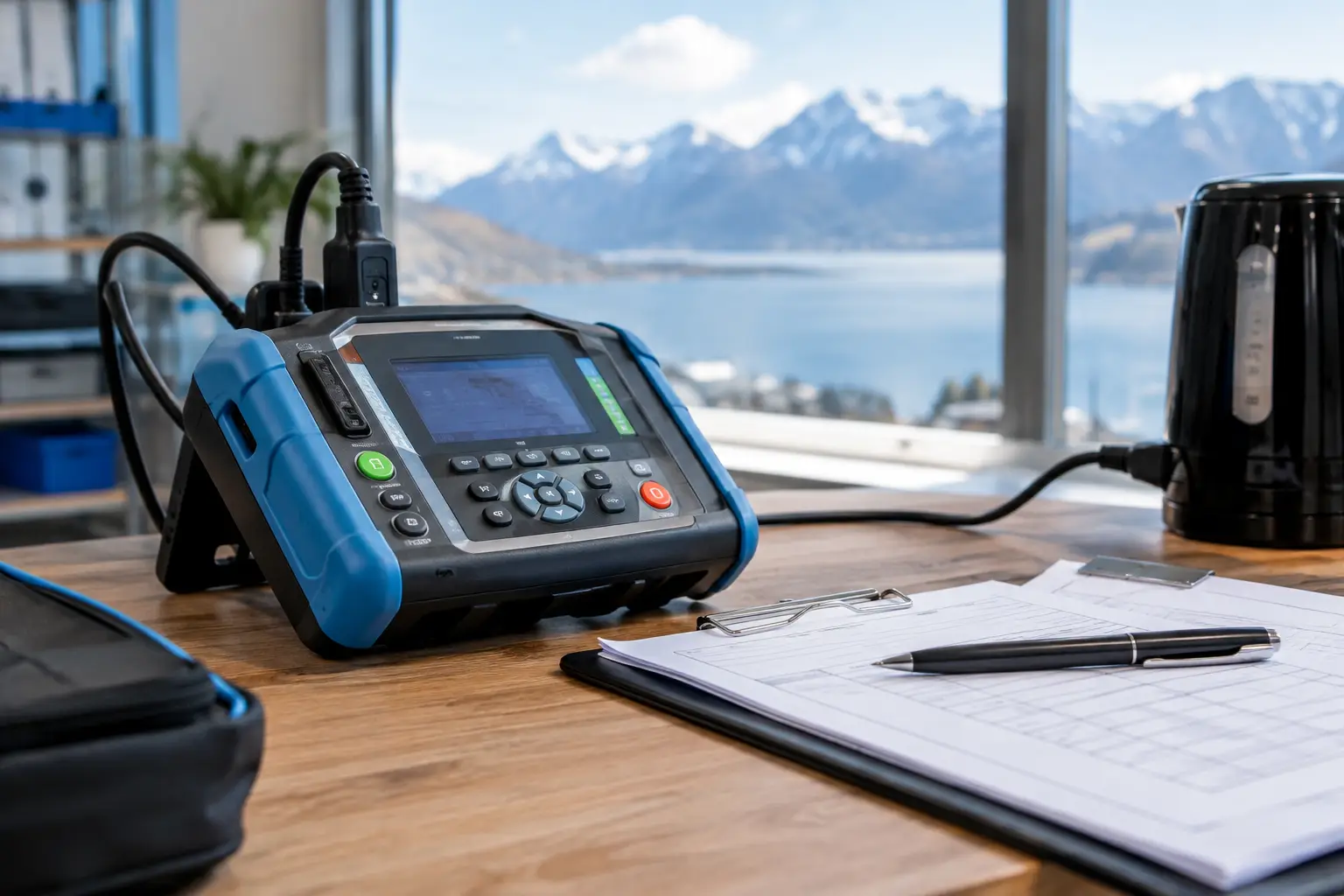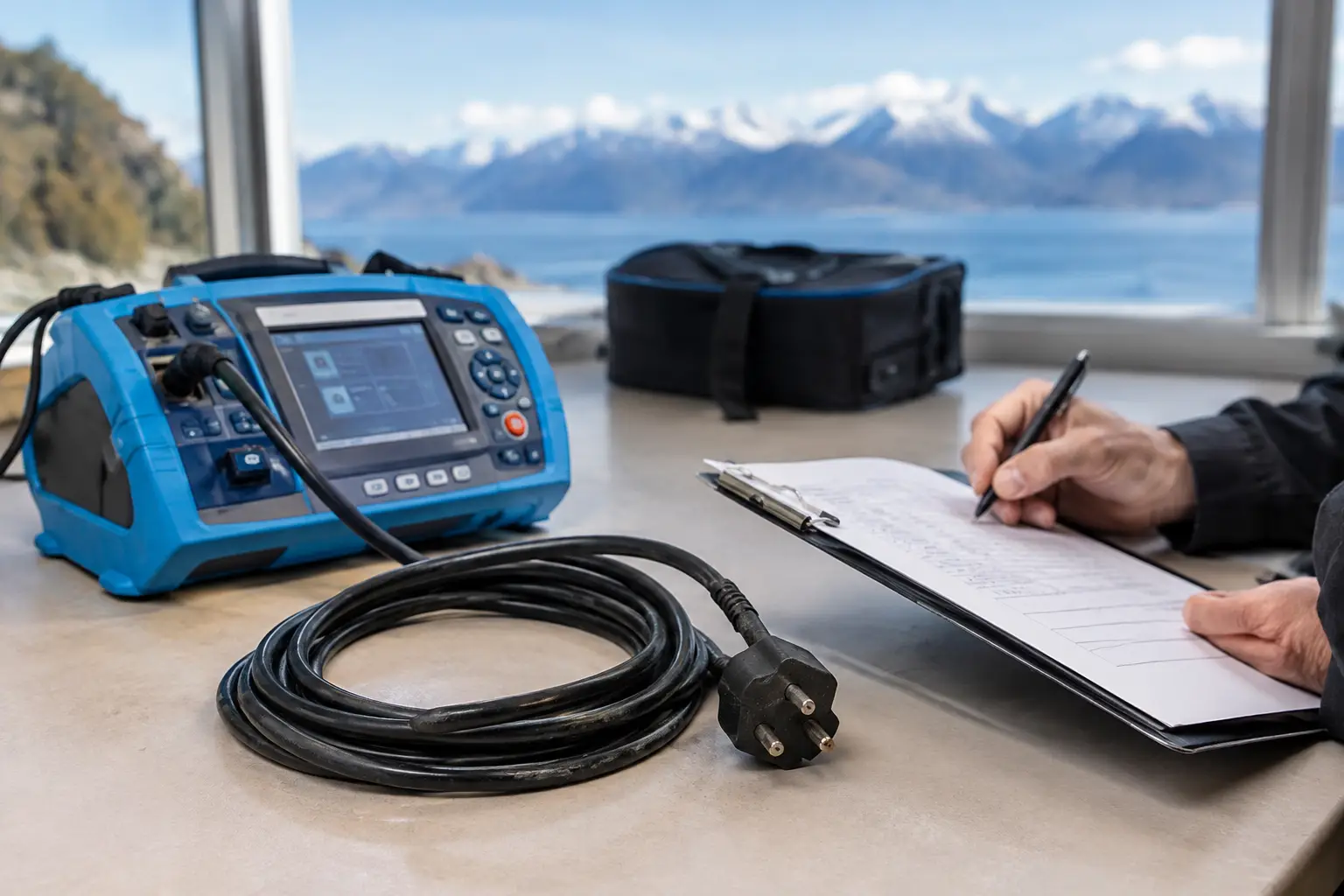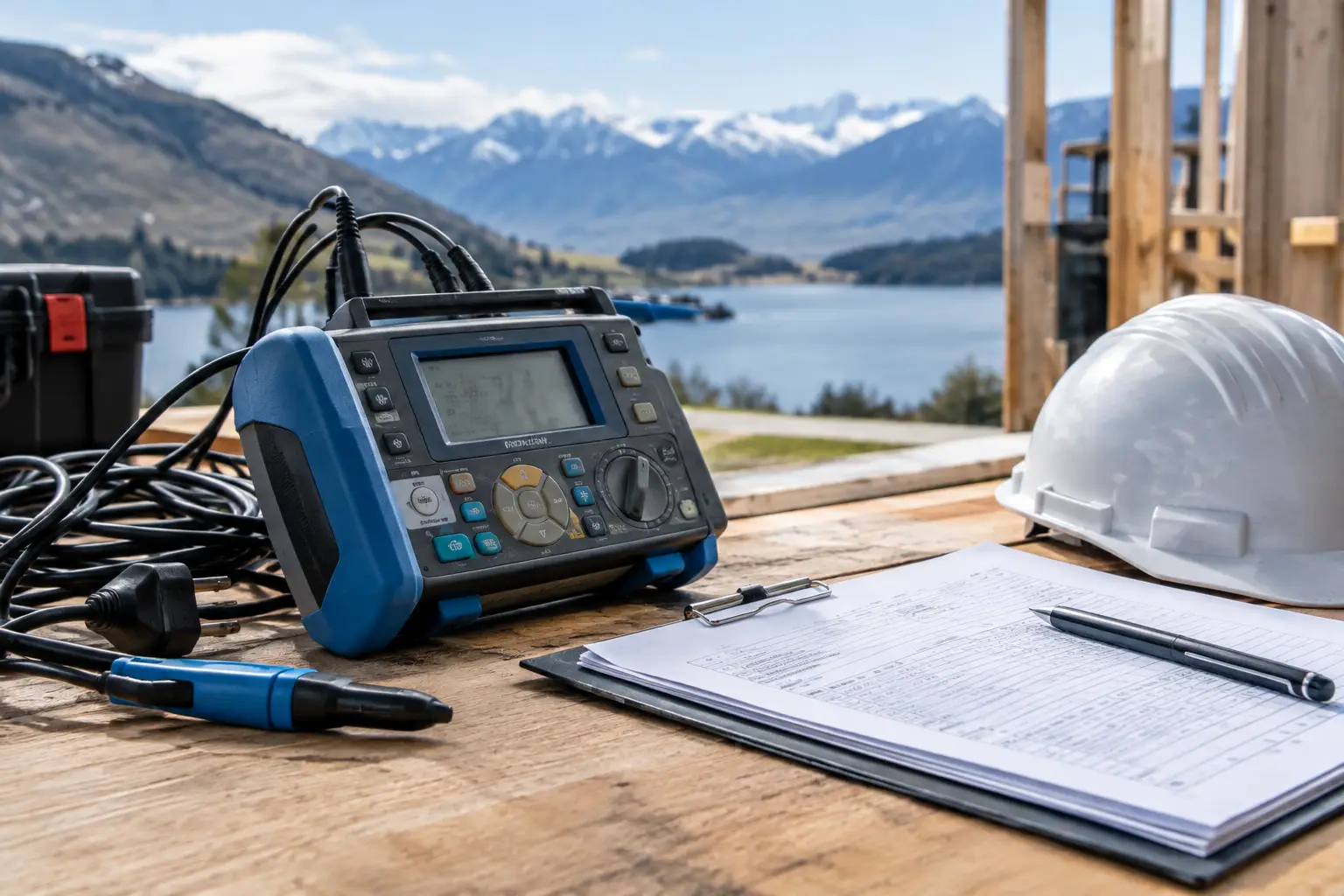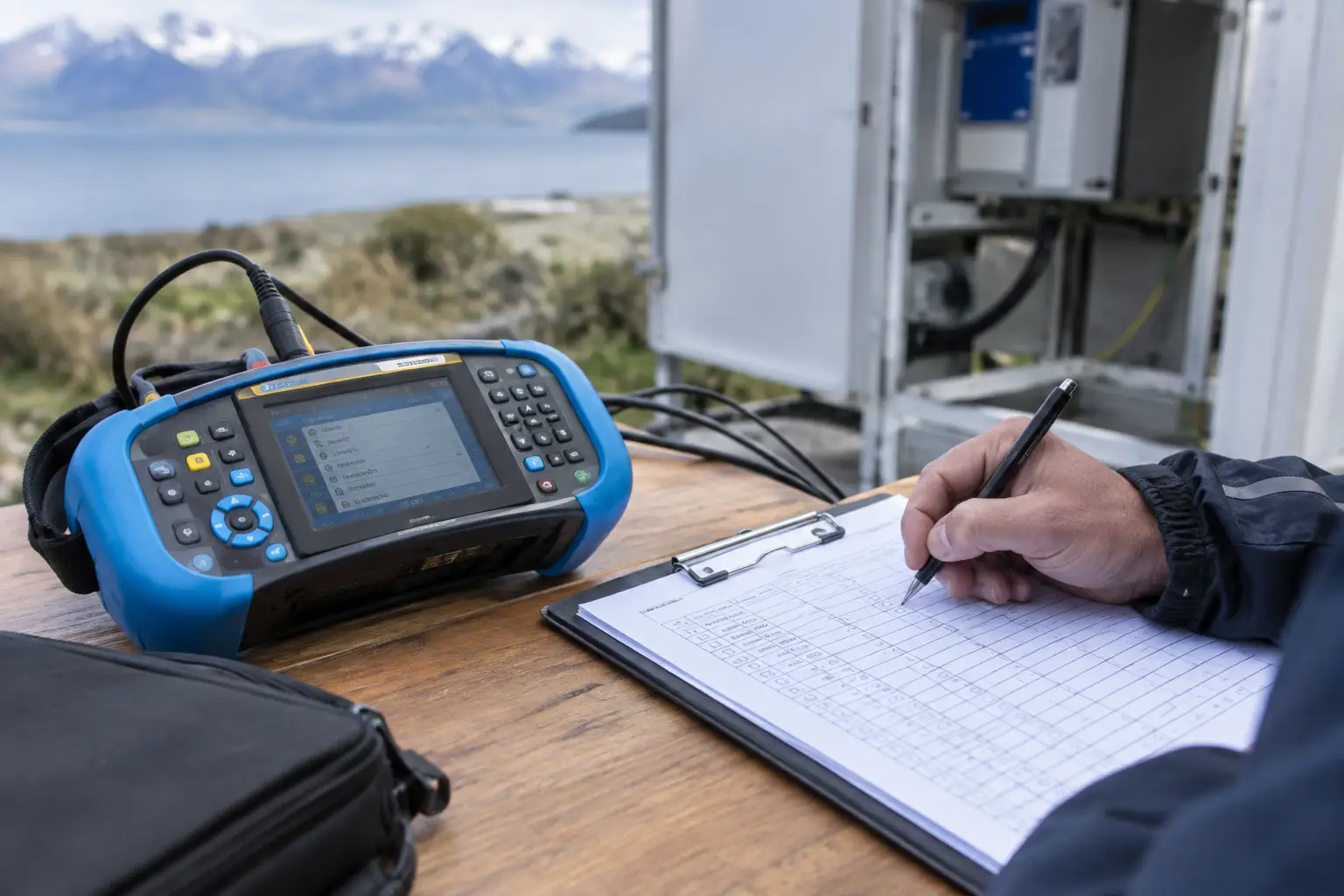
A test tag on a lead shows it was checked at a point in time. An asset register tells the wider story: what equipment is on site, where it is used, when it is due for inspection and whether it remains suitable for service. For businesses managing multiple tools, appliances or temporary site installations, clear electrical asset register requirements turn a potentially messy compliance task into a workable safety system.
The register is not paperwork for paperwork’s sake. It helps a site manager remove faulty equipment quickly, demonstrate reasonable safety processes and avoid missed retesting dates. It is also particularly useful when equipment moves between vehicles, workshops, offices and construction sites.
What is an electrical asset register?
An electrical asset register is a live record of electrical equipment owned, hired or controlled by a business. It commonly covers portable and moveable equipment such as extension leads, power boards, battery chargers, hand tools, welders, kitchen appliances, computers and portable three-phase equipment.
Each item receives a unique identity, usually through an asset number and matching test tag. The register then records its testing history, condition and next inspection date. Rather than relying on someone to remember whether the drill in the workshop was tested last year, the business has a traceable record that can be checked in minutes.
For higher-risk workplaces, this visibility matters. A damaged lead used on a construction site can create a very different risk to a desk lamp used in a low-traffic office. A useful register helps distinguish between those environments and supports testing intervals that reflect actual use.
Electrical asset register requirements: the essential records
There is no single register layout that suits every workplace. Requirements can be shaped by the equipment used, the work environment, client or principal contractor rules, insurer expectations and applicable state or territory safety obligations. AS/NZS 3760:2010 provides the recognised framework for in-service safety inspection and testing of electrical equipment, including guidance on record keeping and test intervals.
At a practical level, your register should make it easy to identify each asset, locate it and confirm its inspection status. For every item, record the asset ID, equipment description, make and model where available, serial number if present, location or responsible team, and whether it is single-phase or three-phase.
It should also show the inspection and test date, the test result, the name or identification of the competent person who completed the work, and the next due date. Where equipment fails, keep a record of the defect, the action taken and whether the item was repaired, removed from service or disposed of.
For businesses with a large or mobile tool fleet, a few extra fields can prevent confusion. These may include purchase date, ownership status, department, hire company details, repair history and a note confirming that an item has been quarantined. The aim is not to collect data no one uses. It is to retain enough information for a supervisor to make a safe decision without searching through old emails or paper certificates.
The asset number must match the equipment
A register only works if the information on screen matches the physical item in front of you. Each item should have a durable tag or label with a unique identifier that corresponds to the register entry. Avoid vague labels such as “office kettle” or “blue lead” when several similar items are in circulation.
Labels can wear, particularly on equipment used outdoors, in workshops or around building sites. During testing, the asset number should be checked and replaced if necessary. If an item cannot be confidently identified, it should be treated carefully until its history and status can be verified.
Keep failed equipment visible in the record
Deleting failed items from a register can make reporting look tidy, but it weakens traceability. A better approach is to retain the asset record and clearly mark it as failed, repaired, retired or disposed of. This creates an audit trail and reduces the chance of a rejected item quietly returning to service.
A failed item should be removed from use promptly. A “do not use” label, physical isolation and a clear instruction to staff are often needed, especially where shared tools are involved. Retesting after repair should be recorded before the item is released back to the workplace.
Match inspection intervals to risk
One of the most common mistakes is applying a single retesting date to every electrical item in a business. AS/NZS 3760:2010 sets out recommended inspection and testing intervals based on the environment and type of equipment. Workplaces with frequent handling, dust, moisture, vibration, physical damage or public access generally need closer attention than a controlled office environment.
Construction, demolition, manufacturing, workshops and trade settings often expose leads and portable tools to tougher conditions. Extension leads may be dragged over rough surfaces, power boards may be overloaded or exposed to dust, and appliances can suffer damage that is not immediately obvious. A shorter inspection cycle is generally appropriate in these settings.
In an office, fixed desk equipment may present lower day-to-day risk, but it should not be ignored. Damaged charger cords, overloaded power boards and appliances in kitchens or shared areas can still cause electric shock or fire. Portable equipment, equipment supplied by staff, and items used in areas open to visitors can require a different approach from permanently installed office equipment.
Your register should record the chosen interval and why it applies. This gives managers a clear basis for their programme and helps maintain consistency when sites, staff or contractors change.
Separate portable equipment from fixed electrical assets
Portable appliance testing is only one part of electrical risk management. Switchboards, fixed wiring, distribution boards and permanently connected plant are managed under different inspection, maintenance and electrical installation requirements. They may belong in a broader asset management system, but they should not be treated as ordinary plug-in appliances.
Thermal imaging can add valuable information for fixed electrical assets and larger plant. It can identify abnormal heat patterns around switchboards, connections, motors and other electrical components before a fault develops into unplanned downtime or a fire risk. Where thermal inspections are completed, record the date, asset location, findings, images or report reference, recommended action and completion status.
Keeping portable test-and-tag records and thermal inspection findings connected at site level gives facility and maintenance teams a more complete picture. One record manages the condition of portable equipment; the other supports preventative maintenance on critical electrical infrastructure.
Make the register easy to maintain
The best register is one your team can keep current. A spreadsheet may be suitable for a small office with a limited number of appliances. Once equipment is spread across several sites, vehicles or crews, a professionally managed digital register is usually more reliable and easier to search.
Establish a simple process for new equipment before it enters service. It should be identified, assessed where required, added to the register and given a due date. The same principle applies to hired equipment and contractor-owned appliances brought onto a controlled site. If your site rules require evidence of current testing, record that check rather than assuming a tag is valid.
Changes need to be captured as they happen. When an item is transferred to another location, repaired, replaced or disposed of, update the register promptly. Assigning this task to a nominated person helps, but field staff also need a straightforward way to report damaged or missing equipment.
Use reminders, but still inspect visually
Automated due-date reminders remove a major administrative burden, particularly for businesses managing seasonal shutdowns or multiple projects. They are not a substitute for routine user checks. Staff should be encouraged to look for cracked plugs, damaged insulation, loose connections, burn marks, exposed wires and signs of overheating before using electrical equipment.
A current tag does not guarantee equipment has remained safe since the last test. If it looks damaged or performs unusually, it should be taken out of service and assessed.
Be ready to show the record when asked
A clear register can support workplace inspections, client prequalification, site inductions and internal health and safety reviews. It should be available to the people who need it, whether that is a health and safety manager, site supervisor, facilities team or contractor coordinator.
For each testing round, retain the associated test report as well as the live register. The report provides supporting detail, while the register gives an at-a-glance view of current status. Together, they make it far easier to answer practical questions: Which leads are due next month? Has the failed grinder been repaired? Are all appliances in the site shed accounted for?
Phase Test and Tag can test portable single-phase and three-phase equipment, maintain a detailed asset register and provide scheduled reminders so due dates do not become another job on a busy manager’s list. The right programme will depend on your equipment, site conditions and compliance obligations, but the result should always be the same: clear records, safer equipment and fewer surprises when work is underway.
Start with an accurate count of what is actually in use on your site. Once every lead, tool and appliance has a place in the register, electrical compliance becomes a routine part of running a safe workplace rather than a last-minute scramble.